Showing posts with label bahama warbler. Show all posts

Monday, January 29, 2024

Abaco in the Bahamas Jan 16-20 produces great birds including Kirtland's Warblers

Kirtland's Warbler, Abaco National Park, Abaco, Bahamas, Jan 19, 2024
I took a trip down to Abaco in the Bahamas on January 16 and spent the next four days there mainly looking for a few resident warblers as well as overwintering migrants (with the most unusual overwintering species being Kirtland's Warbler).  This was my third time in the Bahamas with my first being a short visit to Nassau on a cruise in 2003 and the next being a trip to Grand Bahama in February 2017 (posts from that trip...part 1 and part 2).  I happily found all my targets and had a great time...more details below.  To see more on warblers check out the attached link: Warblers on Abaco.

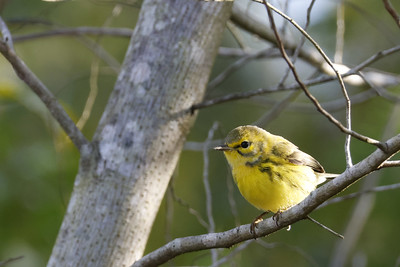
Prairie Warbler, Murphy town, Abaco, Jan 16, 2024

The forecast for the day I was leaving changed at the last minute and the snow moved in earlier than predicted just a half day before which resulted in some delays in Hartford on my way to Atlanta and then onto Marsh Harbor. Thankfully I picked a flight that had a couple hour layover so I still made the second leg of the journey with a few minutes to spare. After a few more weather delays in Atlanta (thanks to a frozen door on the jetway and the need to get the plane deiced) I made it to Abaco. I picked up my rental, headed to the supermarket and then onto my Airbnb. I wanted to stay south of Marsh Harbor but a cancellation a few weeks ago at my original lodging I had to settle for a spot in town. I birded a little in the neighborhood and turned up a few overwintering species. Although a bit breezy it was at least warm with temps in the 70’s.

Bahama Yellowthroat, Abaco National Park, Abaco, Bahamas, Jan 17, 2024
Olive capped Warbler, Abaco National Park, Abaco, Bahamas, Jan 17, 2024
Cuban Pewee, Abaco National Park, Abaco, Bahamas, Jan 17, 2024
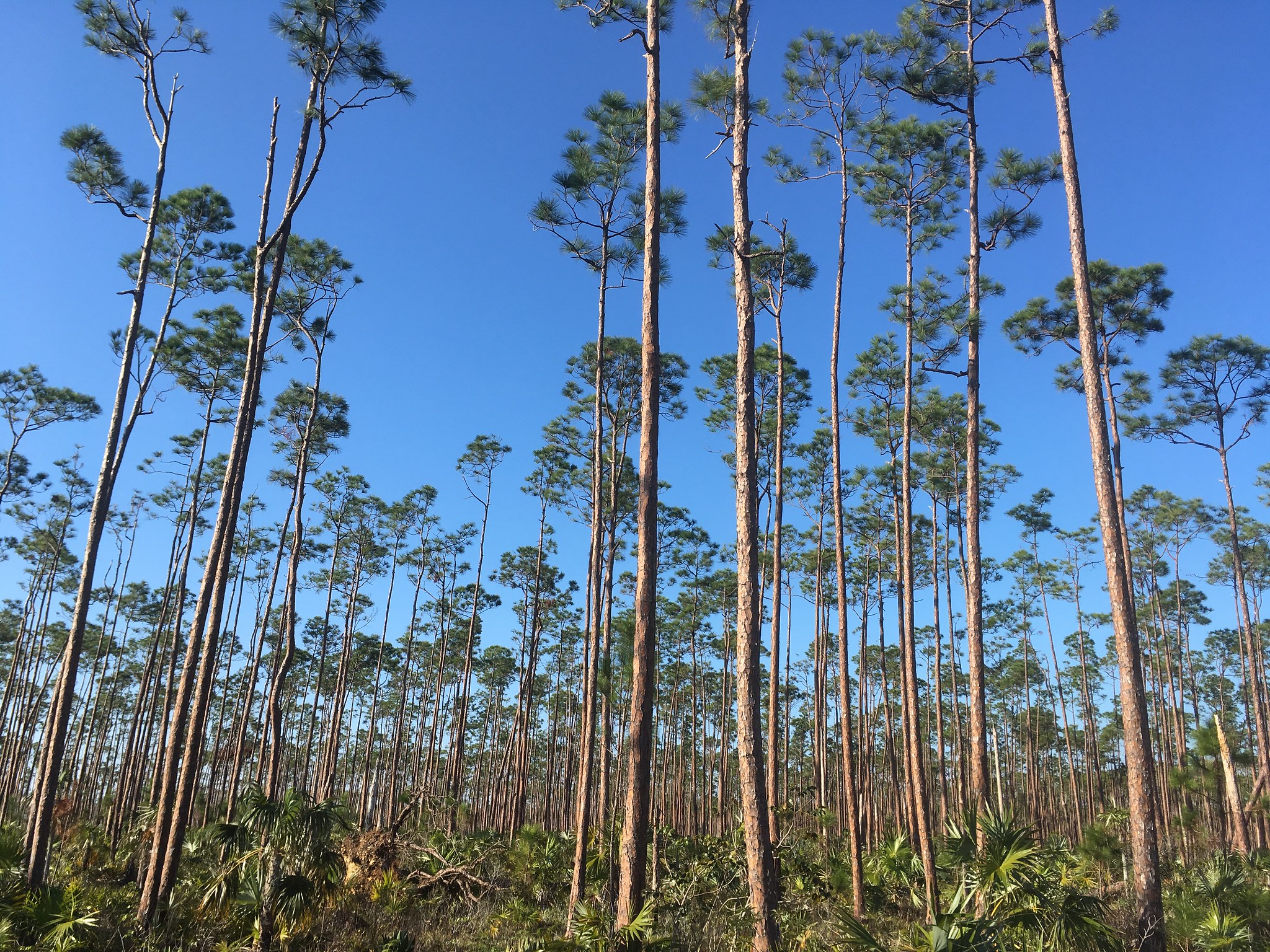
Pine lands at dawn, Abaco National Park, Abaco, Bahamas, Jan 17, 2024
The Toyota POS, Abaco National Park, Abaco, Bahamas, Jan 17, 2024
Atala Hairstreak, Abaco National Park, Abaco, Bahamas, Jan 17, 2024
Cuban Parrots (Bahama subspecies), Crossing Rocks, Abaco, Bahamas, Jan 17, 2024
Western Spindalis (Bahamas Green-backed), Bahama Palm Shores, Abaco, Bahamas, Jan 17, 2024
Yellow throated Warbler, Bahama Palm Shores, Abaco, Bahamas, Jan 17, 2024
Thick billed Vireo, Bahama Palm Shores, Abaco, Bahamas, Jan 17, 2024
Black faced Grassquit, Bahama Palm Shores, Abaco, Bahamas, Jan 17, 2024

My plans for the first full day on the island was to get up well before dawn and drive almost an hour south to Abaco National Park. As I headed out the door a little before five it was obvious it had rained hard at some point overnight. The drive south on the wet roads with puddles was less than relaxing and I had to deal with a little additional rain from time to time. I did add a Chuck Wills Widow on the way (my first new Bahamas species for the trip). I arrived at the entrance to the park a bit before six and waited for it to get light enough to see to start my walk for a few miles south on the dirt road. If I had a better vehicle with more clearance it would have been easier to get further south but I was stuck with what I had for a vehicle. One of the first birds I heard for the morning were a couple of Bahama Yellowthroats. I got some recordings and a few looks but no chance for any photos (I did get much better looks and some photos a bit later in the morning). I spent the next three hours walking the road and only had to deal with a few passing showers as I turned up about twenty species, including several Cuban Parrots (Bahama subspecies) and nine species of warblers. I made brief visit to the very end of the island at Sandy Point, which was quite windy and fairly barren of bird life. I then spent the next four plus hours slowly working my way back north to my lodging with multiple stops along the way. I added several species for the day along the way (including two new species for my Bahamas list with West Indian Woodpecker and Western Cattle Egret) and finished the day with 39 species.

Bahama Woodstar, Abaco, Bahamas, Jan 18, 2024
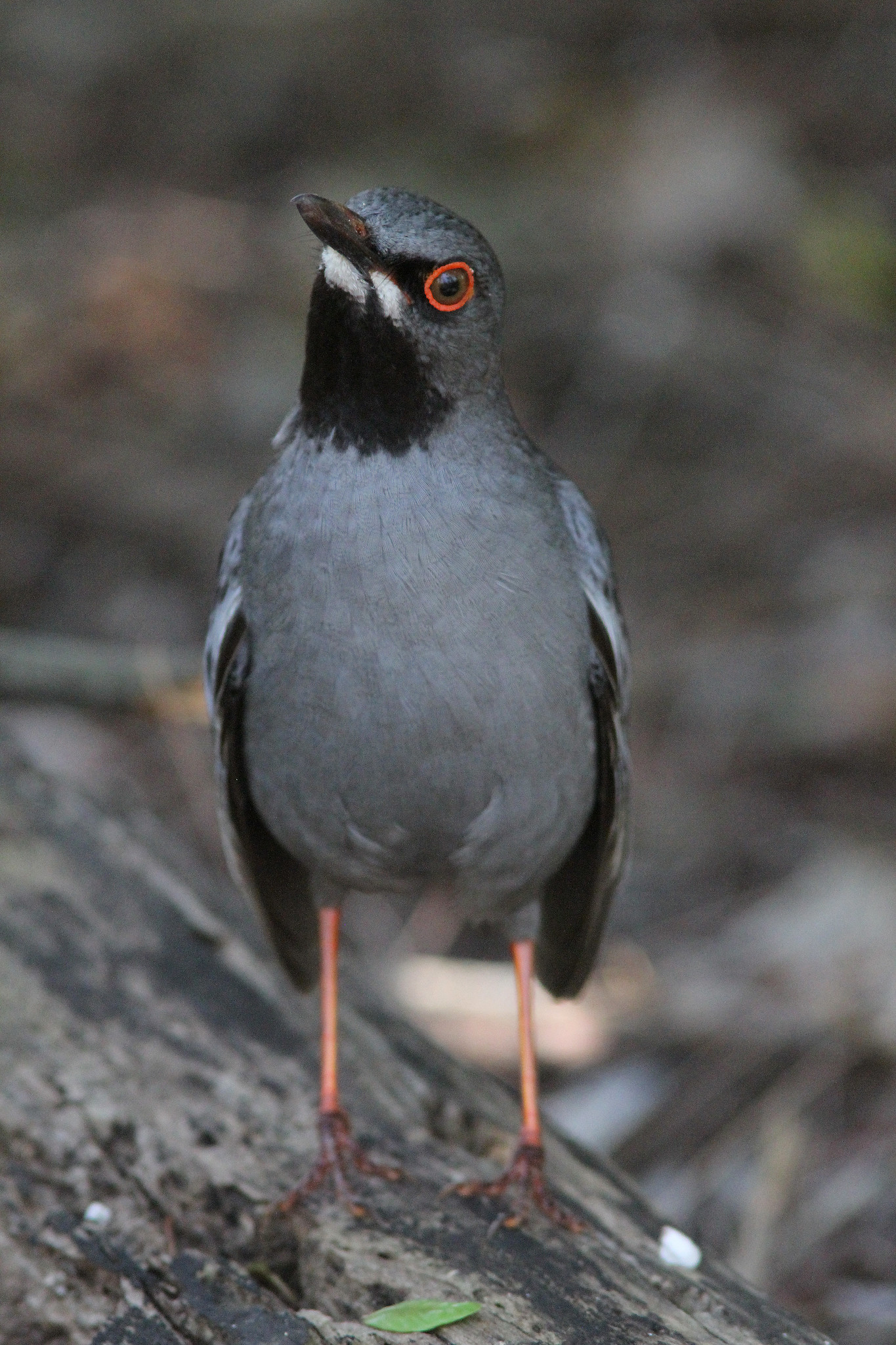
Red legged Thrush, Abaco, Bahamas, Jan 18, 2024
Bahama Yellowthroat, Abaco, Bahamas, Jan 18, 2024
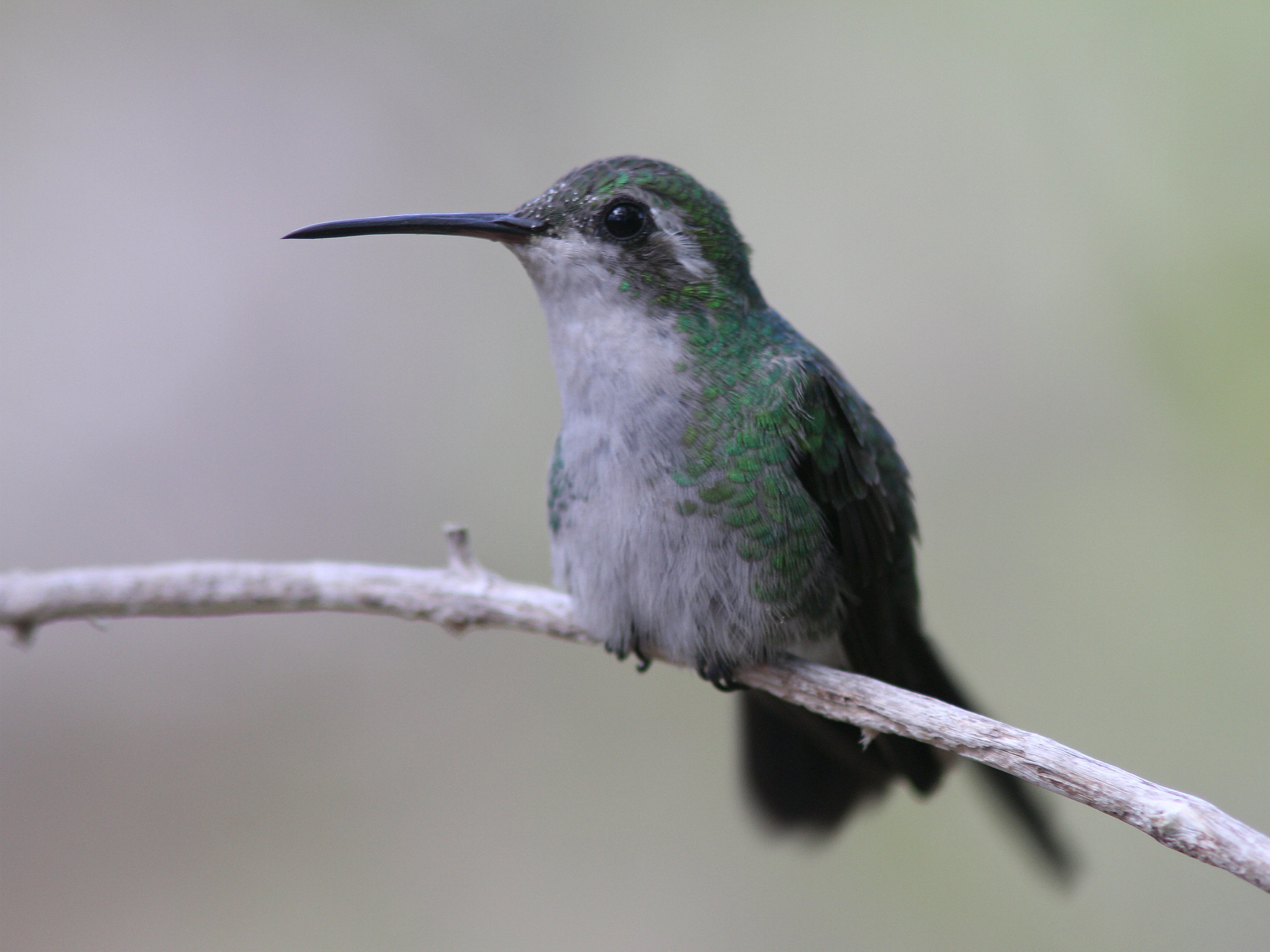
Cuban Emerald, Abaco, Bahamas, Jan 18, 2024
Bananaquit, Abaco, Bahamas, Jan 18, 2024
Ovenbird, Robert's Nursery, Abaco, Bahamas, Jan 18, 2024
Yellow throated Vireo, Robert's Nursery, Abaco, Bahamas, Jan 18, 2024
American Redstart, Robert's Nursery, Abaco, Bahamas, Jan 18, 2024
Common Ground Doves, Columbus Cay Eco Park, Abaco, Bahamas, Jan 18, 2024
Northern Waterthrush, Columbus Cay Eco Park, Abaco, Bahamas, Jan 18, 2024
Lincoln's Sparrow, Treasure Cay, Abaco, Bahamas, Jan 18, 2024
Black faced Grassquit, Murphy Town, Abaco, Bahamas, Jan 18, 2024
Magnificent Frigatebird, Murphy Town, Abaco, Bahamas, Jan 18, 2024
La Sagra's Flycatcher, Murphy Town, Abaco, Bahamas, Jan 18, 2024

For my second full day on the island I decided to head north all the way to Treasure Cay and see what the north end of the island had to offer. The morning started off overcast and breezy and eventually some drizzle started up. I was able to get in a few walks before a more steady rain began and added two new species to my Bahamas list with Tricolored Heron and Eastern Phoebe. As the rain continued to fall I made a few more stops but did not venture far from the car. These stops were also productive with some shorebirds and waterfowl. By around 9:30 the rain stopped and I was able to take some longer walks in the area of Treasure Cay. Among the highlights was the first life bird of the trip with distant views of a couple Bahama Swallows (life bird #1994). I also added a few more species to my Bahama list including a rare Lincoln’s Sparrow plus Yellow throated Vireo, Willet and Baltimore Oriole. I made it back to my lodging in the early afternoon and the sun actually stayed out for a good part of the rest of the day. Overall I found a total of 52 species for day. 

Dawn over Pinelands, Abaco National Park, Abaco, Bahamas, Jan 19, 2024
Bahama Swallow, Abaco National Park, Abaco, Bahamas, Jan 19, 2024
West Indian Woodpecker, Abaco National Park, Abaco, Bahamas, Jan 19, 2024
Loggerhead Kingbird, Abaco National Park, Abaco, Bahamas, Jan 19, 2024
Black throated Green Warbler, Abaco National Park, Abaco, Bahamas, Jan 19, 2024
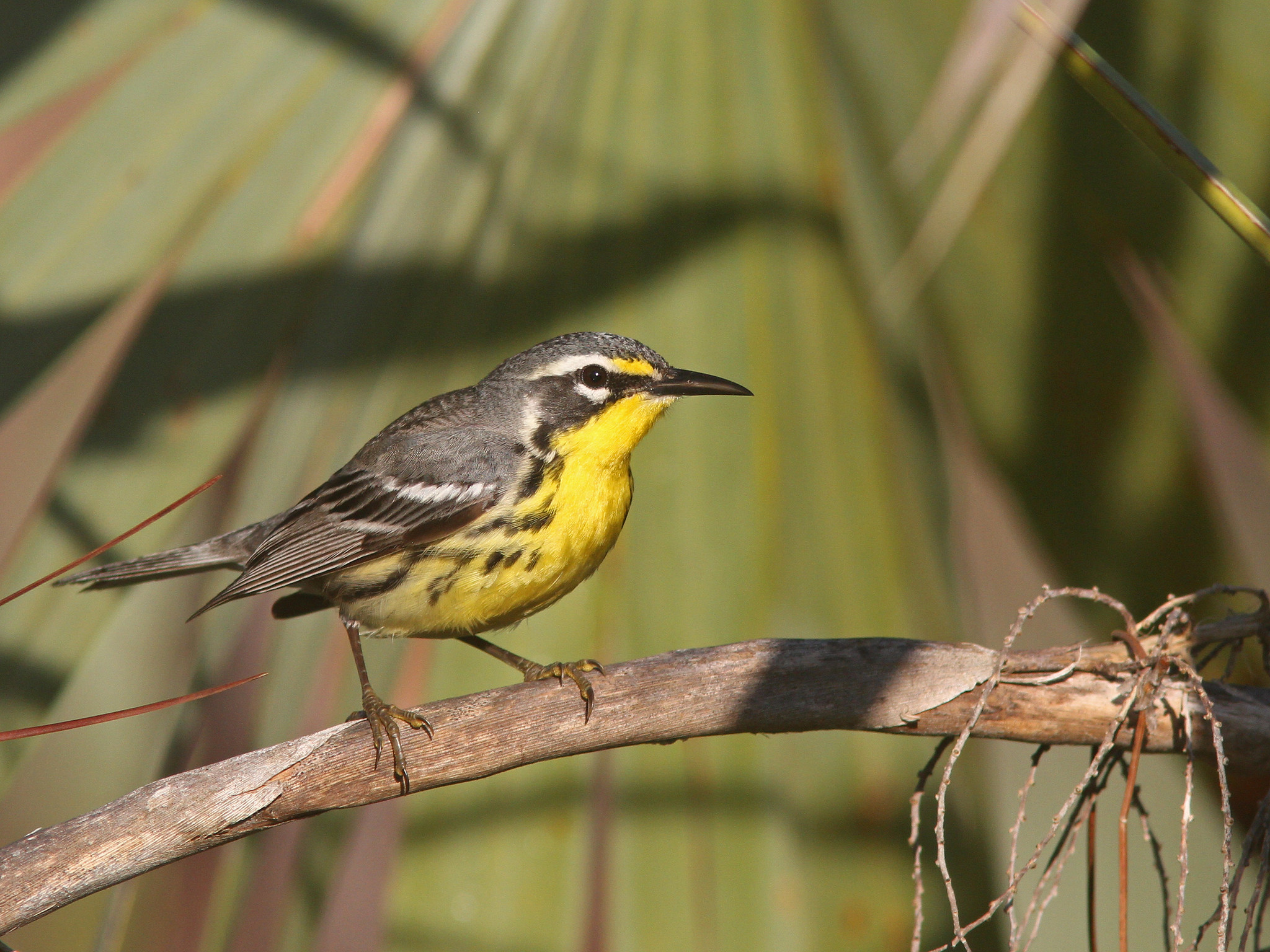
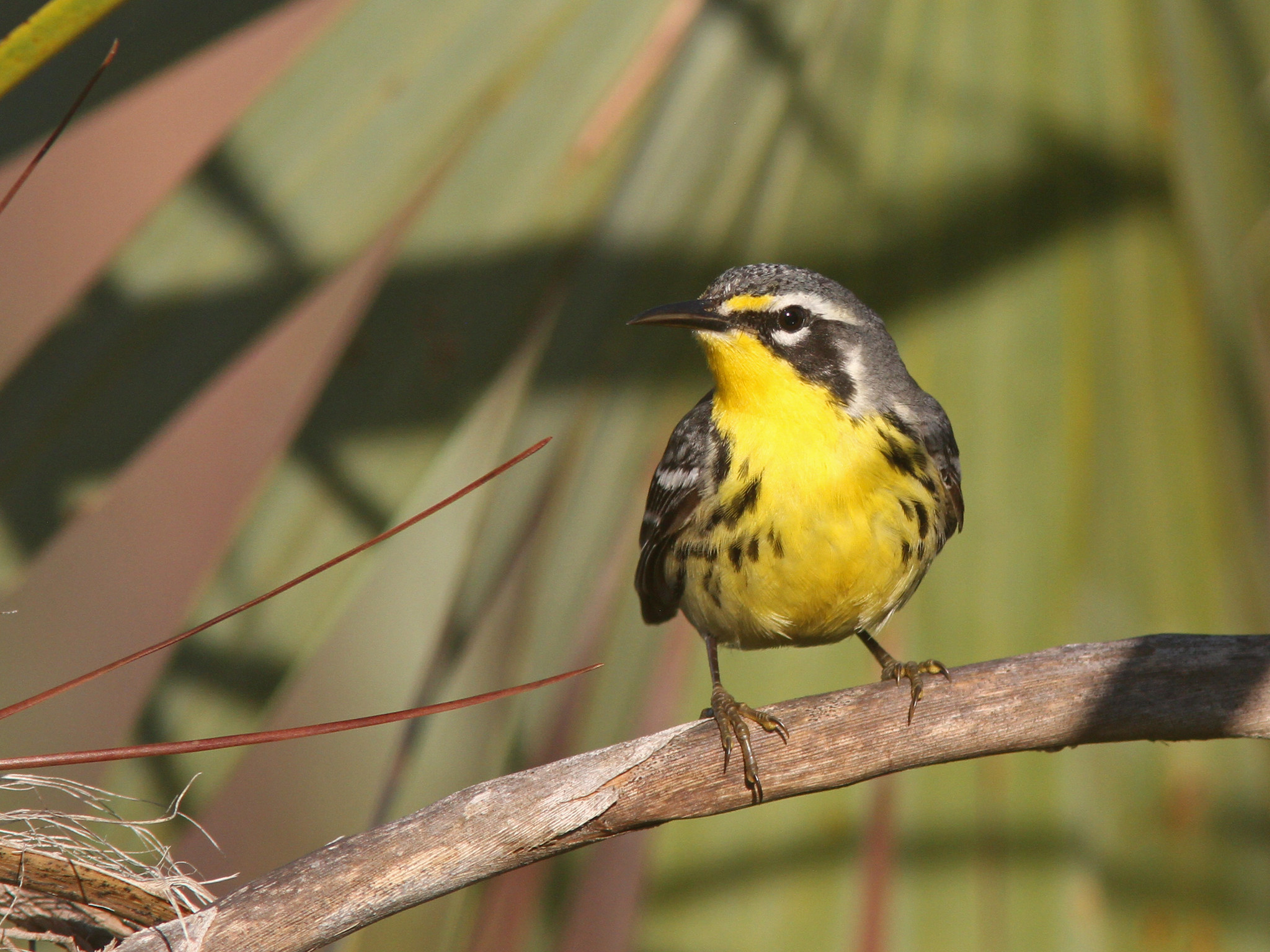
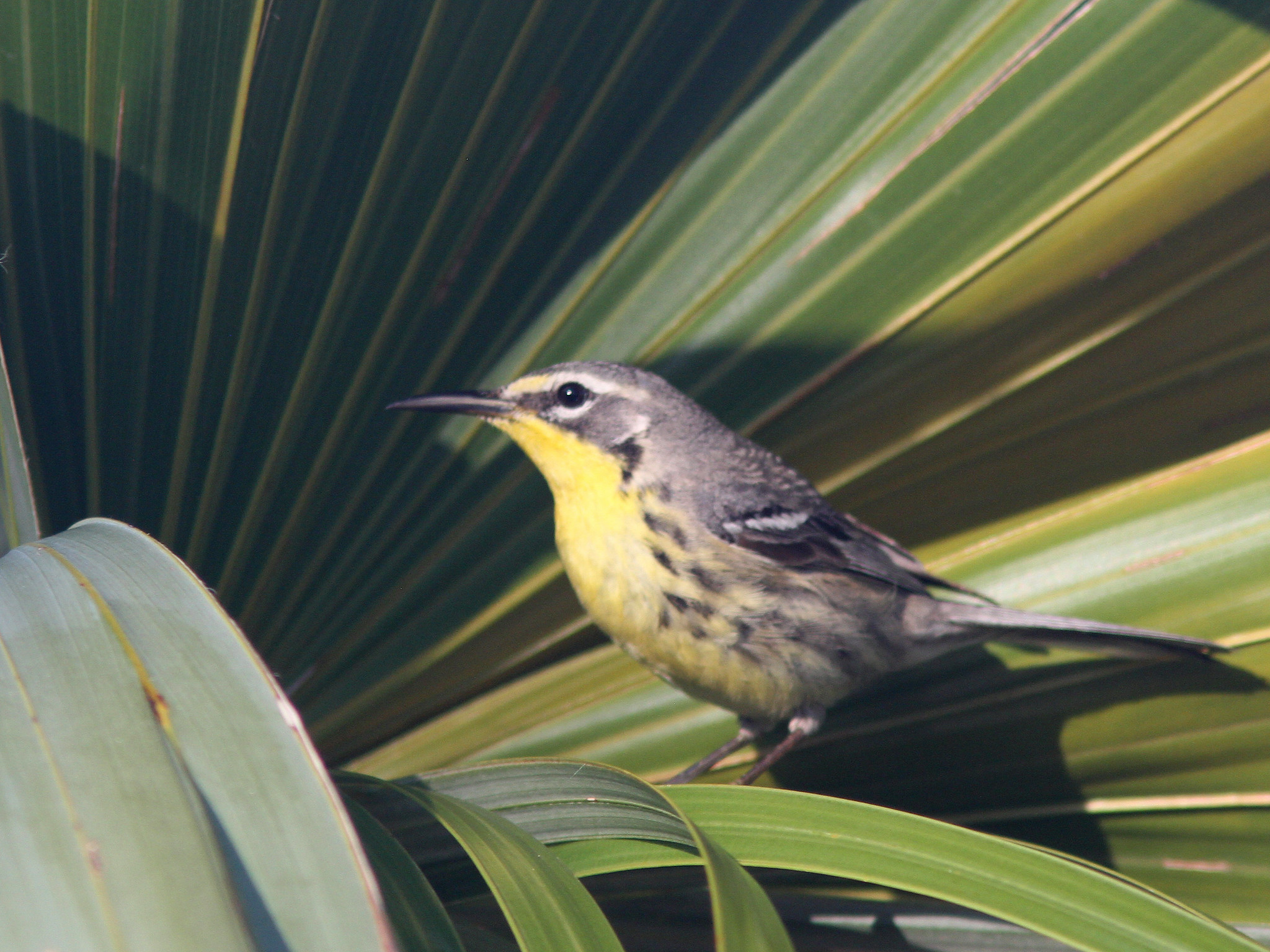
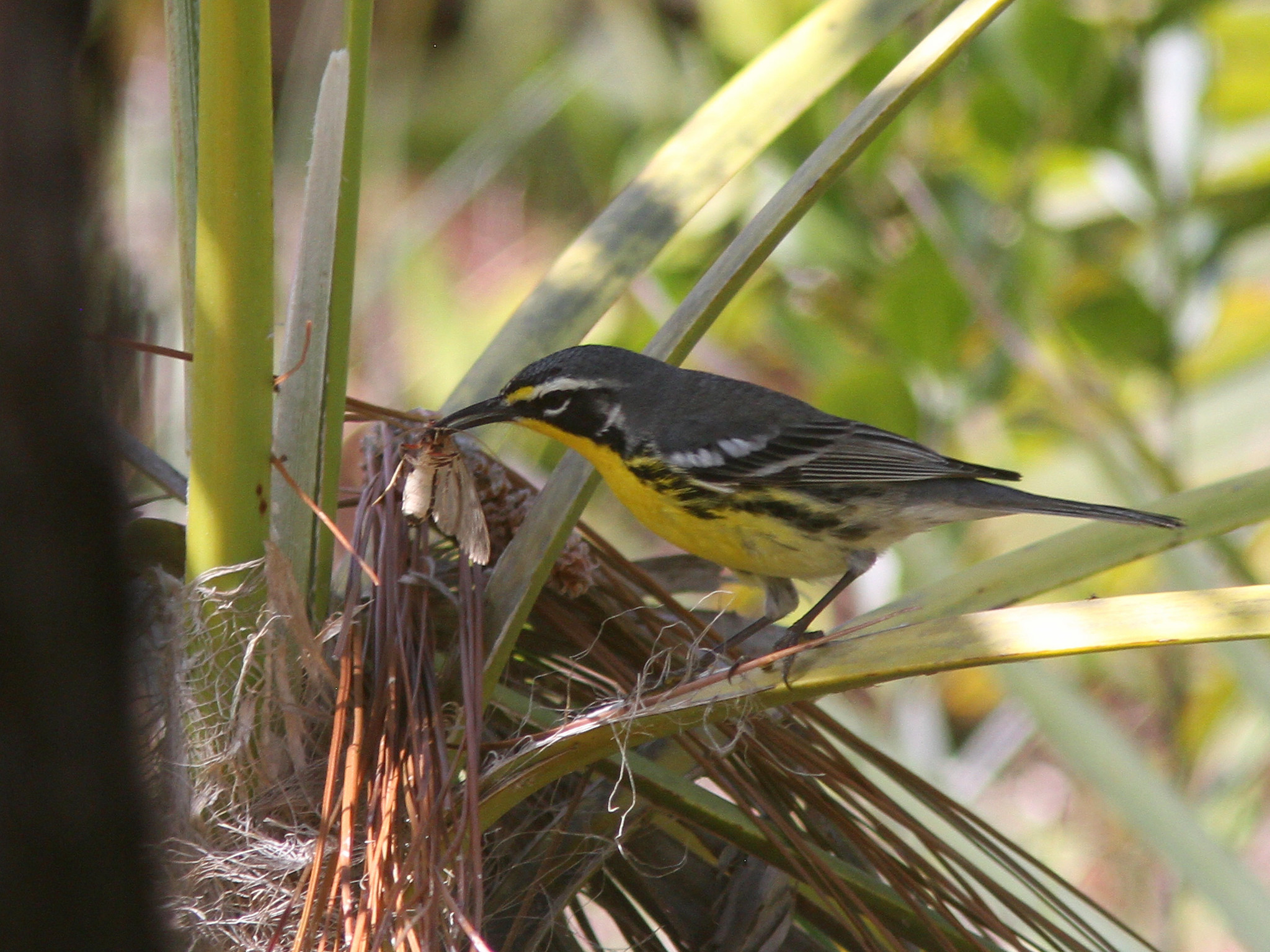
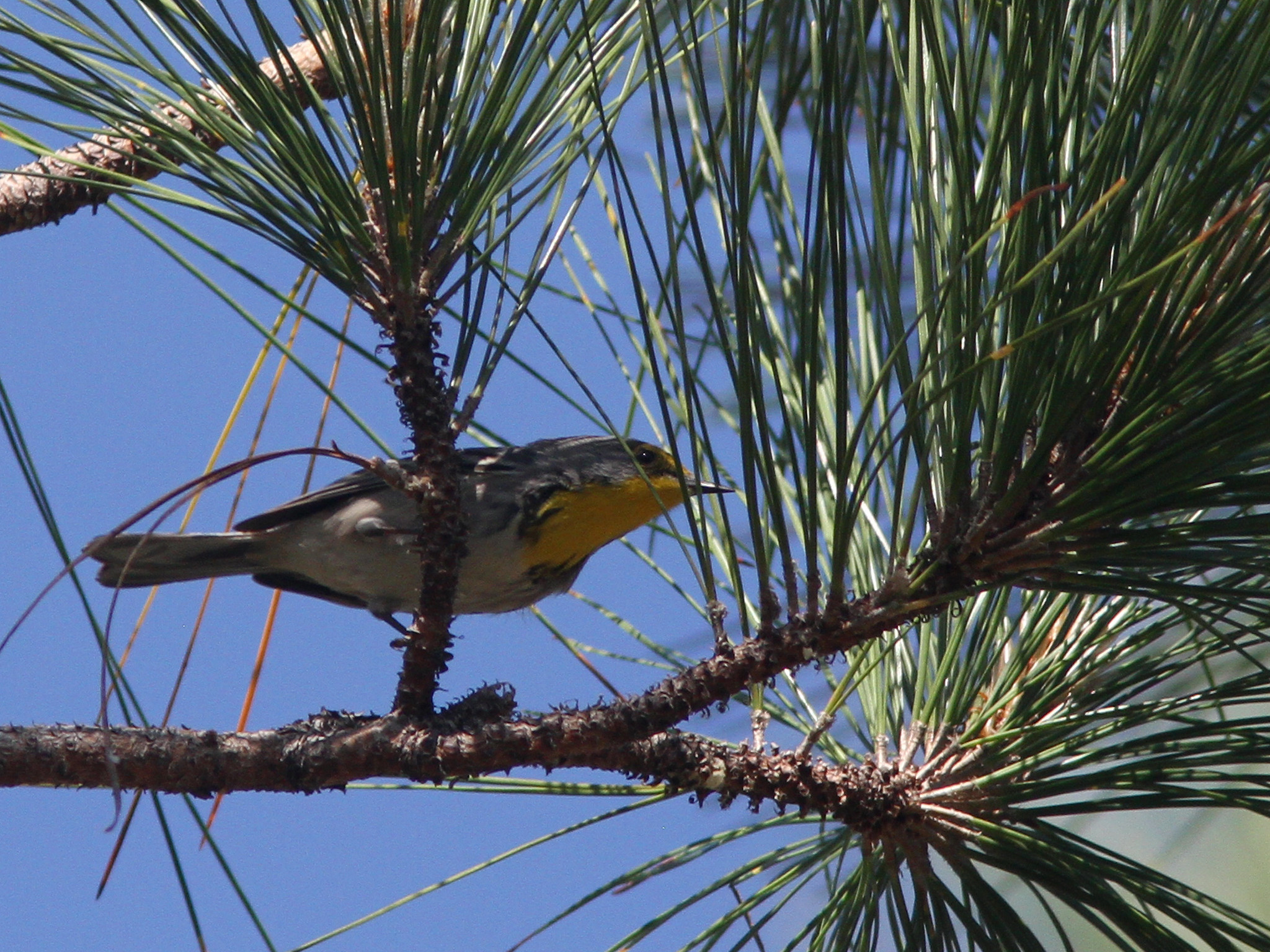
Bahama Warbler, Abaco National Park, Abaco, Bahamas, Jan 19, 2024
Olive capped Warbler, Abaco National Park, Abaco, Bahamas, Jan 19, 2024
Western Spindalis (Bahamas Green-backed), Abaco National Park, Abaco, Bahamas, Jan 19, 2024
Kirtland's Warbler, Abaco National Park, Abaco, Bahamas, Jan 19, 2024

My plans for the last full day on Abaco was to make the drive back down to Abaco National Park before dawn and then walk south to the end to get out of the pine lands and into an area that might host an overwintering Kirtland’s Warbler. It would be a long shot chance for sure that would require at least a ten mile hike one way. I was out the door early on a very humid morning that featured some low fog in spots that made the journey more adventurous. I got a caution light on the car when I was perhaps 2/3 of the way but after stopping and trying to figure it out I started the car back up and the light went out. I almost turned back at that point but decided to press on. I made it to the park a little after six and drove in perhaps two miles over rough dirt roads and then stopped and started the hike down with all my gear and lots of water (which was still not enough). I walked steadily down with not much stopping along the way to look for birds with most tallied along the way as heard only. The best bird by far on the way down was a distantly calling Key West Quail Dove, which became species 1995 for me. I eventually made it out of the pine lands after a little over four hours of walking and about ten miles distance. I then walked another hour or so in the blazing sun in the area I hoped would have a Kirtland’s Warbler. I made it to within sight of the lighthouse and then turned back with no luck. I knew I still had to retrace all my steps back to the car and I didn’t want to arrive back too late in case the car had issues getting me back north to my lodging. As I started my walk back I heard a loud chip that sounded unlike others I have heard and after a few moments I got fleeting looks at a Kirtland’s Warbler! I then spent the next 15 minutes or so trying to get some photos and recordings and at that point I noticed there were two Kirtland’s Warblers and not just one. Although I had the species way back when on their breeding grounds in Michigan when I made a day long drive to get them when I was in Ohio I had never gotten photos of them before. I then made the long slog back to the car where I arrived tired, thirsty and with some blisters after walking over 23 miles total…almost a marathon but worth the pain and effort for sure. The chances of coming across an overwintering Kirtland’s Warbler in the vast habitat was quite small so I felt incredibly lucky. I made a couple more brief stops on my way home and added some species for the trip as well as new Bahama species for me…getting me to 99 species ever in the Bahamas and a total of 41 species for the day.

I had a few hours available on my last morning before making the short flight to Miami. I decided to not push my luck with the crappy car by driving anywhere so I walked around the neighborhood. Nothing out of the ordinary but I did add my 100th species to my Bahama list with a couple of Limpkins.

During my short time in the Bahamas I found a total of 74 species with two of the those being life birds for me (Bahama Swallow and Key West Quail Dove). I had 18 new species I was able to add to my Bahama list, bringing that total to a nice and even 100 species.

All photos from trip at the following link.

Sunday, September 1, 2019

Hurricane Dorian update and the impact on the northern Bahamas

Hurricane Dorian projected path as of 2PM, Sep 1, 2019
Another update on hurricane Dorian. It made landfall on Abaco Island in the northern Bahamas as a strong Cat 5 hurricane with winds of 185 MPH and a central pressure of 911mb. This ties a storm in 1935 with the strongest winds of a landfalling hurricane in the Atlantic. The storm is predicted to slow down but maintain major hurricane status and pummel the northern Bahamas for a couple days before curving north and coming very close to Florida. The damage on Abaco and Grand Bahama will certainly be extreme.  The storm will likely have no real impact this far north as it is forecast to be pushed out to sea around the mid Atlantic and away from the northeast.
Bahama Warbler, pine lands east, Grand Bahama, Feb 9, 2017
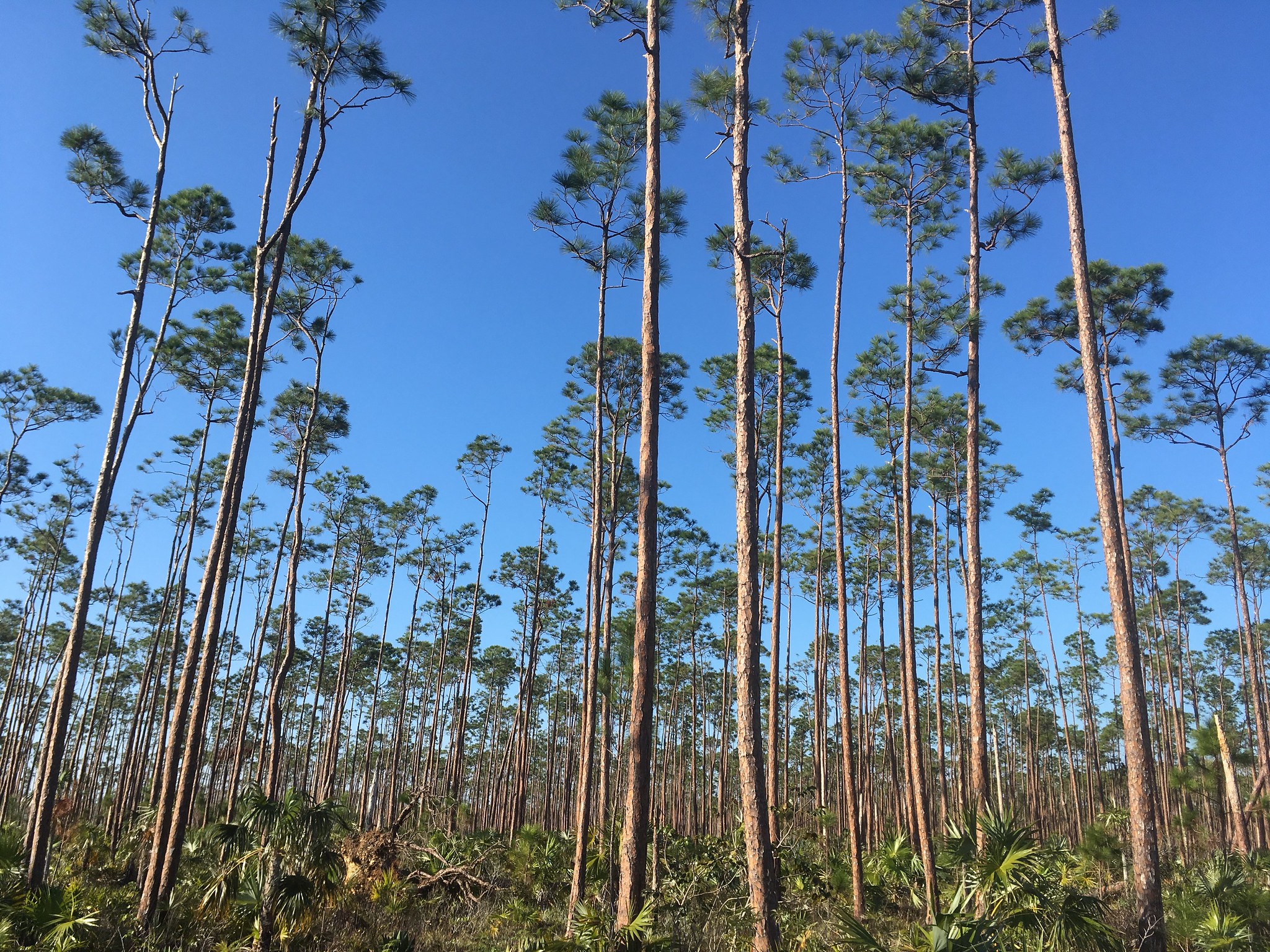
Caribbean Pine Forest, Owl Hole Rd, Grand Bahama, Feb 9, 2017
Red legged Thrush, Garden of Grand Bahama B&B, Freeport, Grand Bahama, Feb 7, 2017
Olive capped Warbler, Owl Hole Rd, Grand Bahama, Feb 9, 2017
We visited Grand Bahama (part 1, part 2) for a few days in February 2017 and it was a great trip and got to see some great birds and meet some very friendly people who are now enduring some life changing conditions.  I hope one and all make it through but the island will never be the same again.  The birds will take a hit during such long duration strong winds but hopefully many will find suitable shelter.  Sadly this will likely be the final nail in the coffin for the endemic subspecies of Brown headed Nuthatch found only on Grand Bahama (and thought by some sources to be a distinct species and called Bahama Nuthatch).  The bird took a major hit when Hurricane Matthew hit the island in 2016 but they were already in a steep decline due to habitat loss, invasive species and previous hurricanes.  The population was estimated at perhaps 1800 in the early 2000's but had dropped to just 23 in 2007 and then to near zero after Hurricane Matthew.  An intense search in 2018 found a handful  (perhaps two to as many as six) still hanging on but I doubt the birds will make it through the latest storm (link to story on the survey in 2018 here.).  Besides the nuthatch there are a number of endemic species and subspecies that occur on just these northern Bahama Islands including Bahama Warbler (which is likely to be heavily impacted as salt water inundation will likely kill large tracts of pine forest that the bird relies on). 

Saturday, February 18, 2017

Trip to Florida and Grand Bahama-Part 3: Grand Bahama Feb 9-11


Bahama Warbler, Pine lands east, Grand Bahama, Feb 9, 2017
Bahama Warbler, Owl Hole Rd, Grand Bahama, Feb 9, 2017
Caribbean Pine lands, Grand Bahama, Feb 9, 2017
Olive capped Warbler, Owl Hole Rd, Grand Bahama, Feb 9, 2017
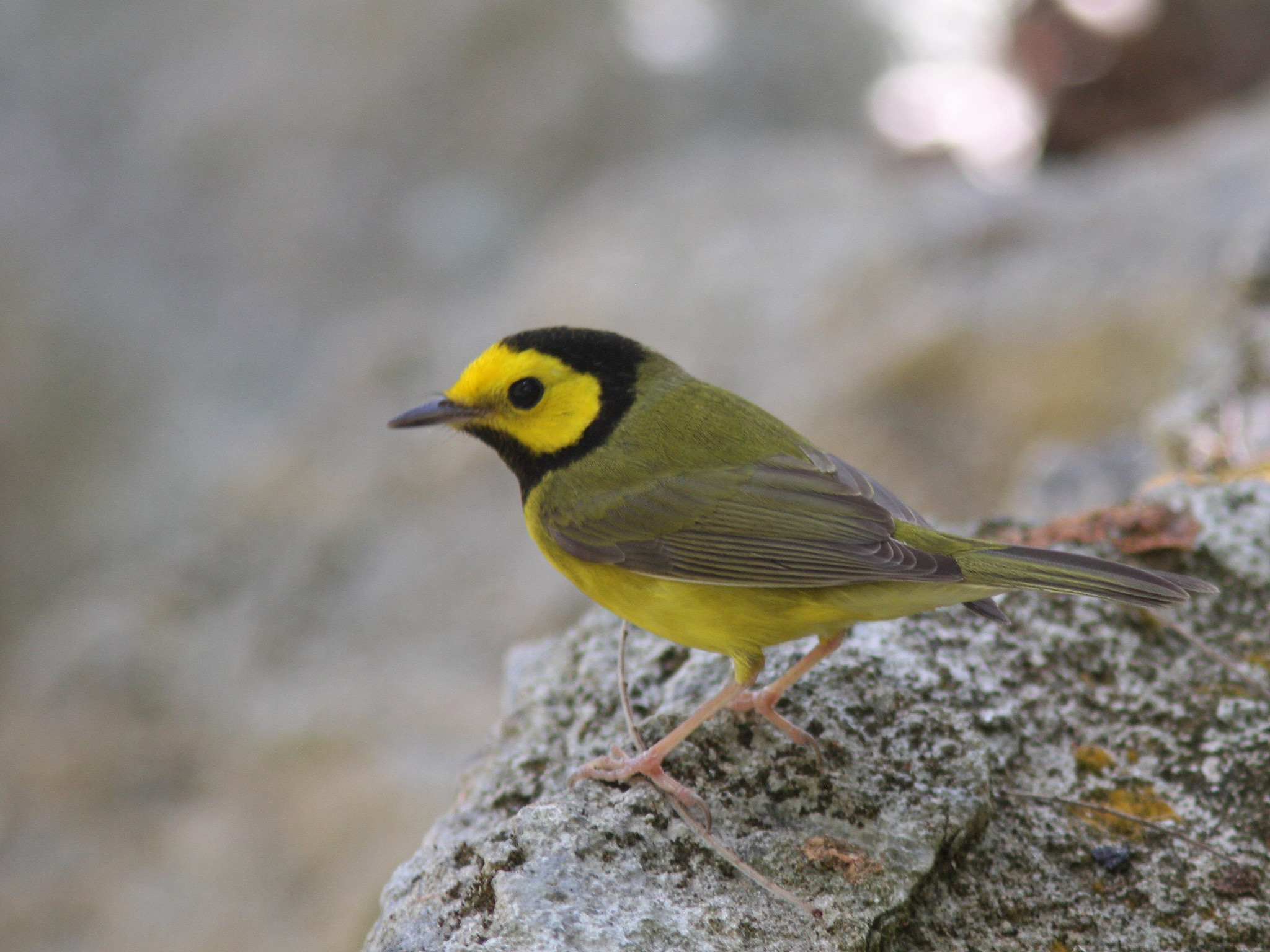
Hooded Warbler, Garden of the Groves, Grand Bahama, Feb 9, 2017
I decided to make a slight change from my original plans of hiring a guide for a second day and instead rented a jeep for a couple of days to explore some areas on my own. With Sherri doing some other activities on Thursday I had the entire morning into the afternoon free to explore the pine lands east of Freetown in search of the two endemic warblers I missed the day before. As mentioned before these two species (Bahama Warbler and Bahama Yellowthroat) have apparently become very tough to find following Hurricane Matthew that hit the island last October but I was determined to track them down. I headed out just before sunrise to start looking east of Lucayan NP and after one minor missed turn I was on my way (the toughest part was driving on the left...a throwback to the English roots of the Bahamas). The area past the national park was somewhat quiet and there were not any good spots to penetrate into the pines so I decided to head back to a series of old logging roads which had some sightings of both of my target species before the hurricane. I started on a road north of Owl's Hole Road and one of the first birds I noticed was a Bahama Warbler (#1260) crawling its way up the side of a pine much like a nuthatch. I was really not expecting it to be so easy to find the bird after a lot of looking yesterday but luck was with me I guess. The area to the north of the main highway would eventually produce at least four individuals of this species plus I added two more individuals later on in the morning along Owl's Hole Road. Glad to see several individuals made it through the storm and continue to occupy the area. I ran across lots of other expected species but I had no luck finding a Bahama Yellowthroat north of the highway. I then decided to try my luck south of the highway in an area we spent some time in yesterday along Owl's Hole Rd. This proved to be a great decision as I ran across a Bahama Yellowthroat about a half mile down the road. I was pishing and had a yellowthroat scolding from the deep undergrowth but I was fully expecting to find another Common Yellowthroat. I tried a little playback and the bird immediately popped up giving me brief but decent looks at a female Bahama Yellowthroat (#1261) that promptly dove back down and would not show itself again so no luck getting a photo. At this point it was midday and after all morning out in the hot sun I was ready for a break so I headed back to Garden of the Grove to try my luck there and although I didn't find anything new I got much better looks at a Hooded Warbler there compared to yesterday.
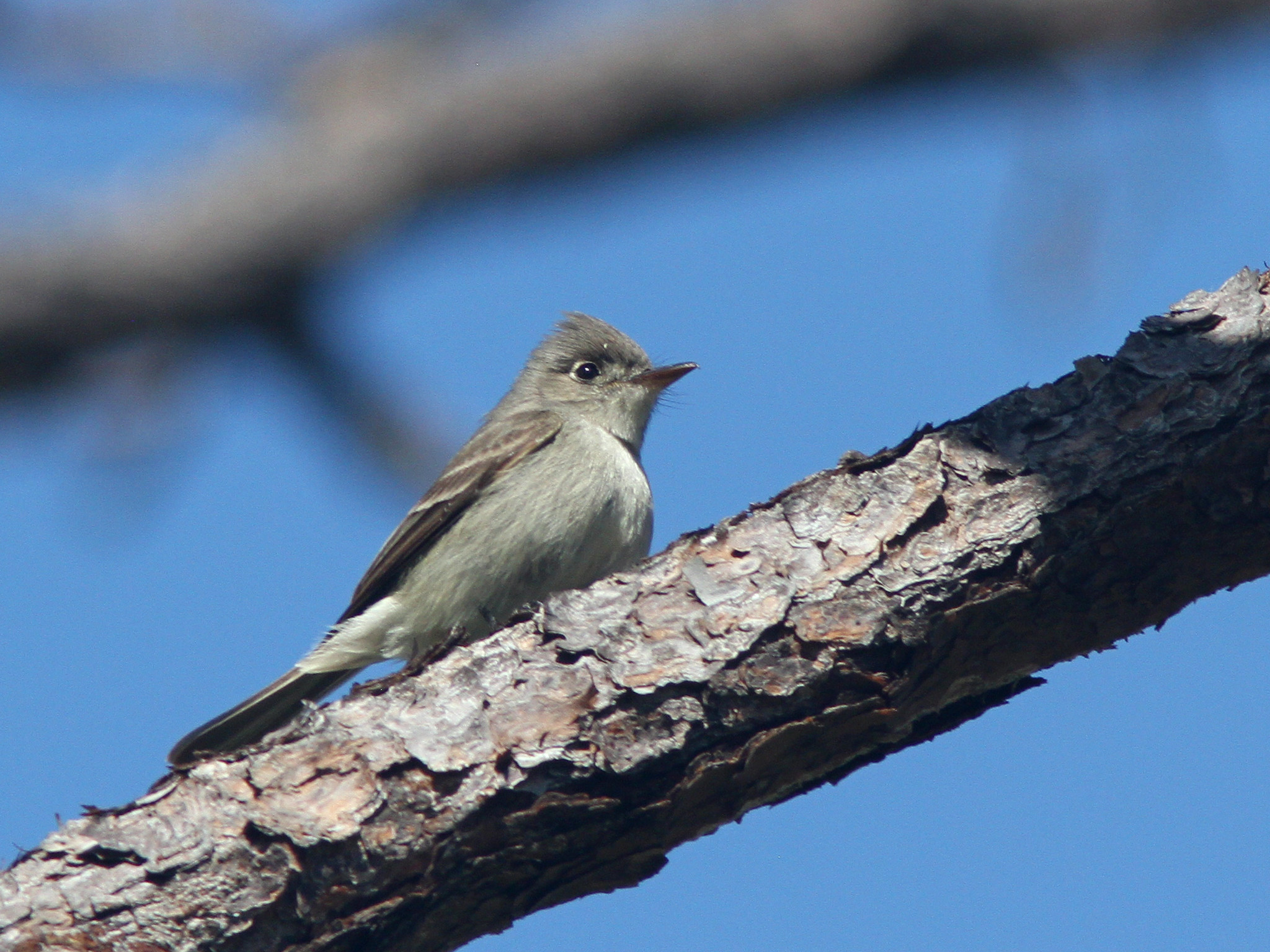
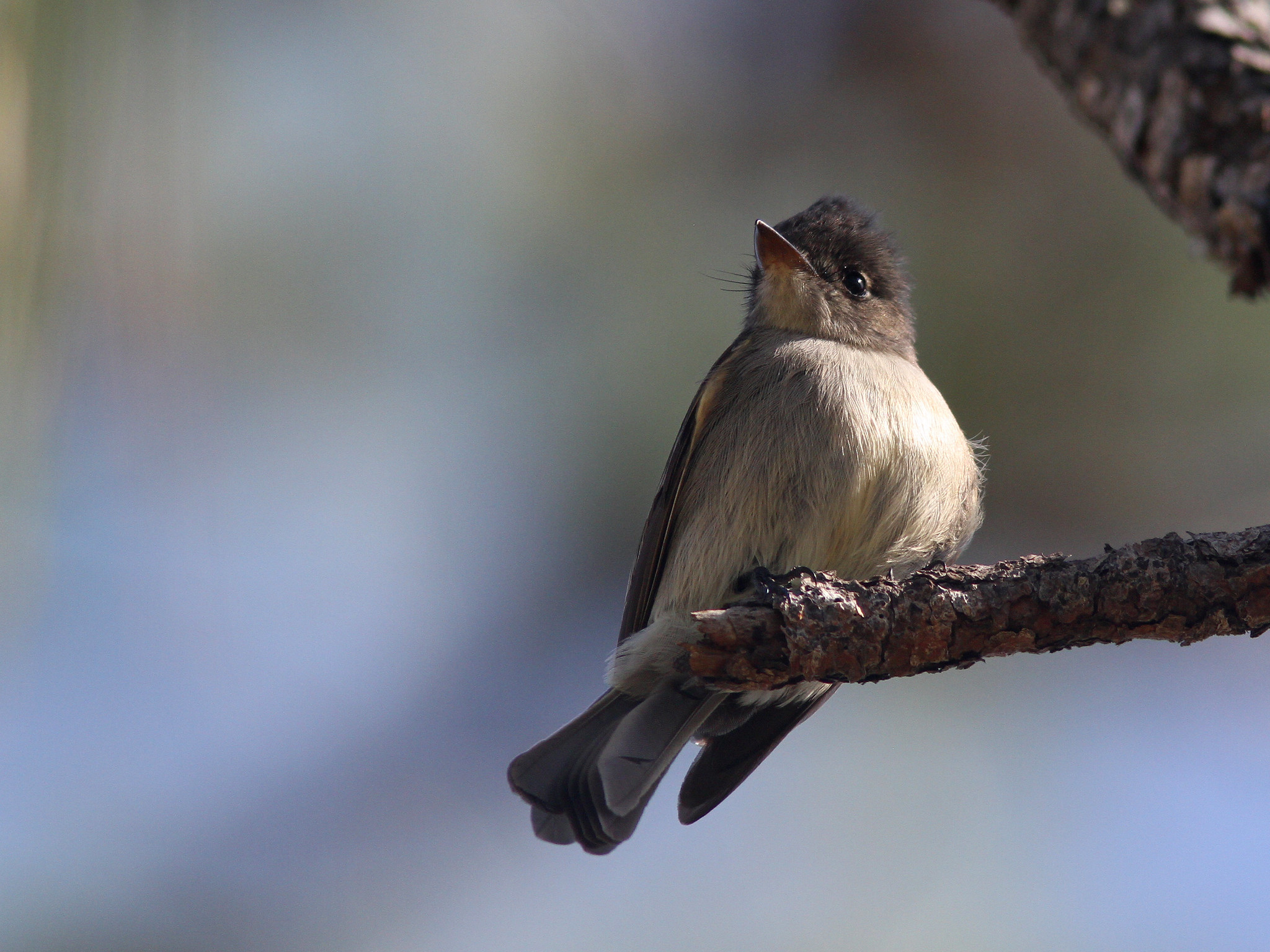
Cuban Pewee, Owl Hole Rd, Grand Bahama, Feb 10, 2017
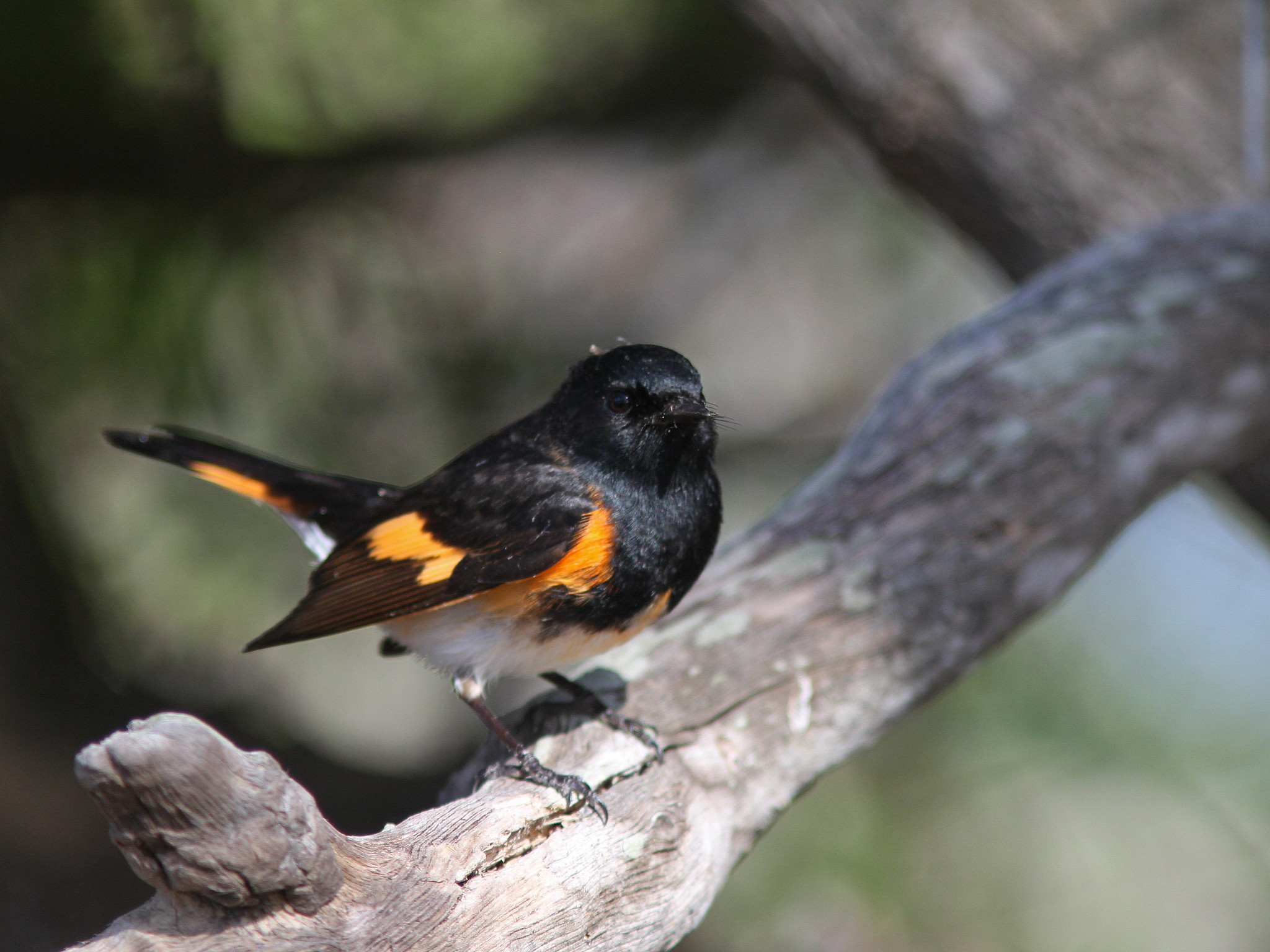
American Redstart, Lucaya NP, Grand Bahama, Feb 10, 2017
Cuban Emerald, Garden of Grand Bahama B&B, Grand Bahama, Feb 10, 2017
Smooth billed Ani, Reef Golf Course, Grand Bahama, Feb 10, 2017
Our last full day on Grand Bahama dawned much cooler than previous days with temps in the low 60's but the sun quickly warmed us up into the 70's. We took the jeep out to Lucayna NP to walk on some of the trails there before the crowds appeared. Nothing unusual there and we missed on relocating the Barn Owls in their nest hole. The tide was also high when we got there so no luck with marsh birds working through the mangroves. The winds was picking up on our way out there and it they would continue throughout the day which made finding birds a bit tough. Our next stop was over to Owl's Hole Road where we walked for about an hour down through the pine lands and managed to turn up a new species when I found a pair of Cuban Pewees (#1262). No luck finding a Bahama Yellowthroat there despite a lot of effort. Our last stop for the morning was a lunch break and a walk around the trails at Garden of the Groves, which was fairly quiet but still featured some good birds. We then headed back to our lodging to enjoy the remainder of the day. I made a couple of short stops over to the nearby Reef Country Club which added some waterfowl and waders to my Bahama list.
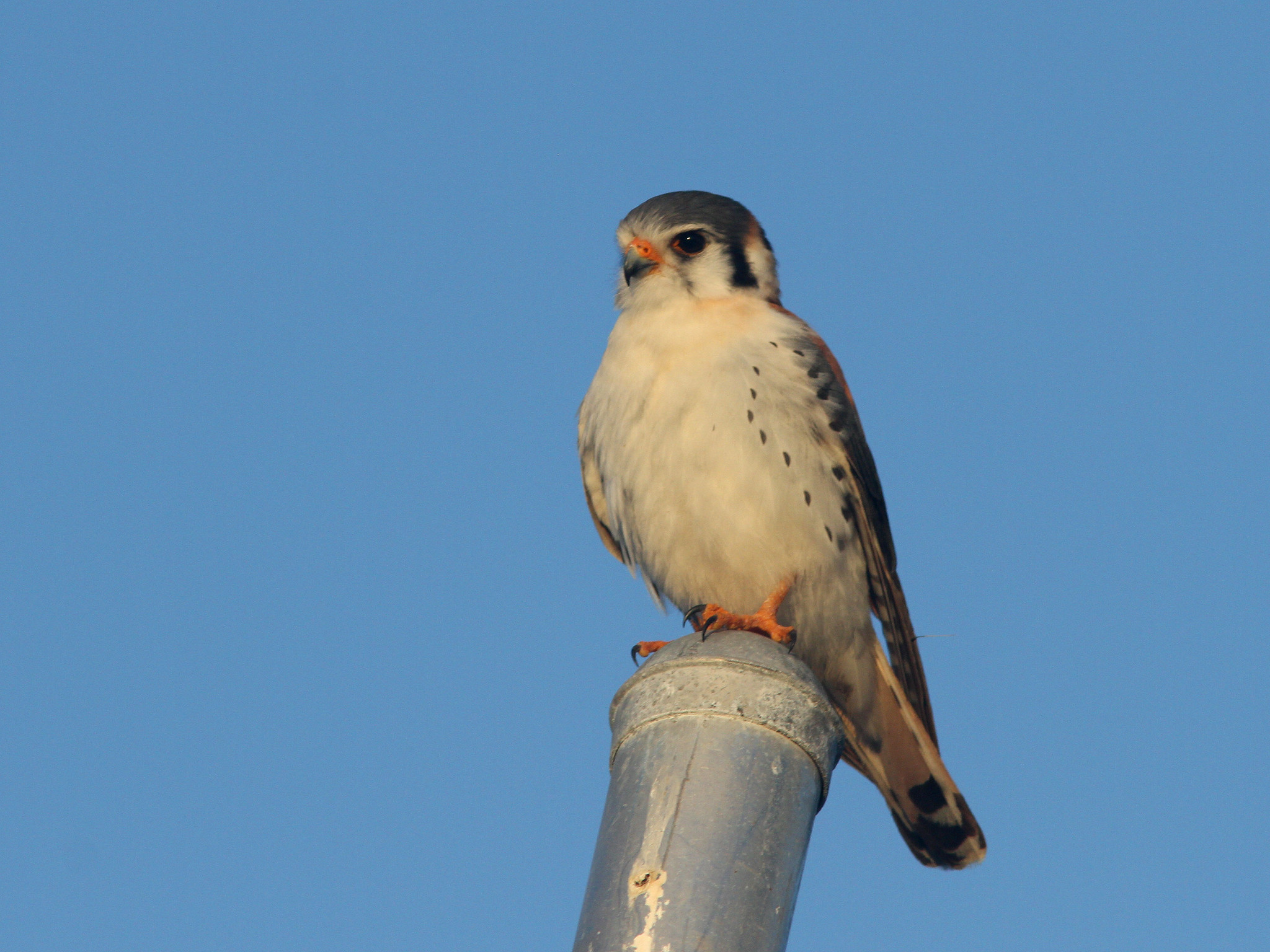
American Kestrel (Bahama race), Reef Golf Course, Grand Bahama, Feb 11, 2017
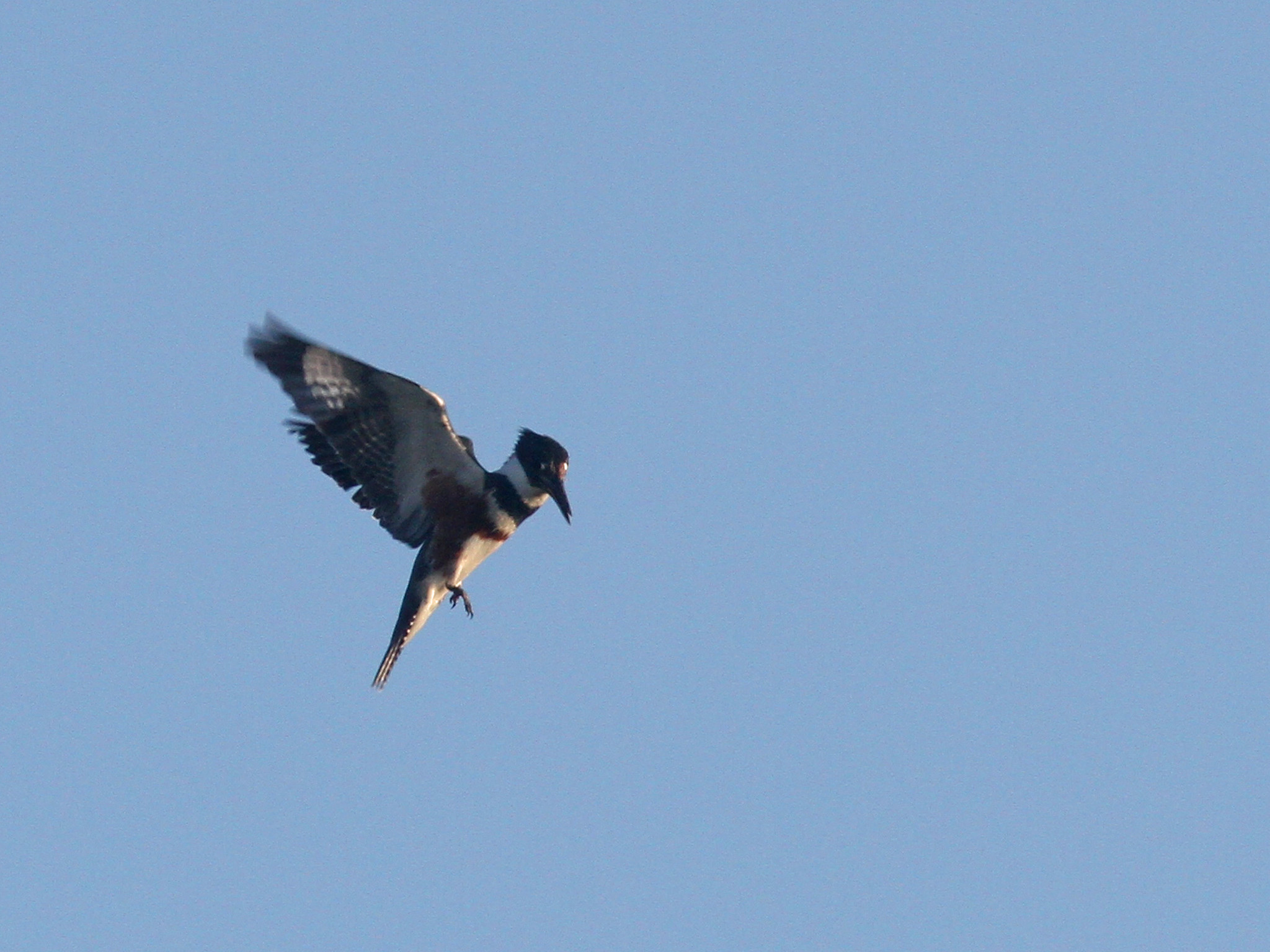
Belted Kingfisher, Reef Golf Course, Grand Bahama, Feb 11, 2017
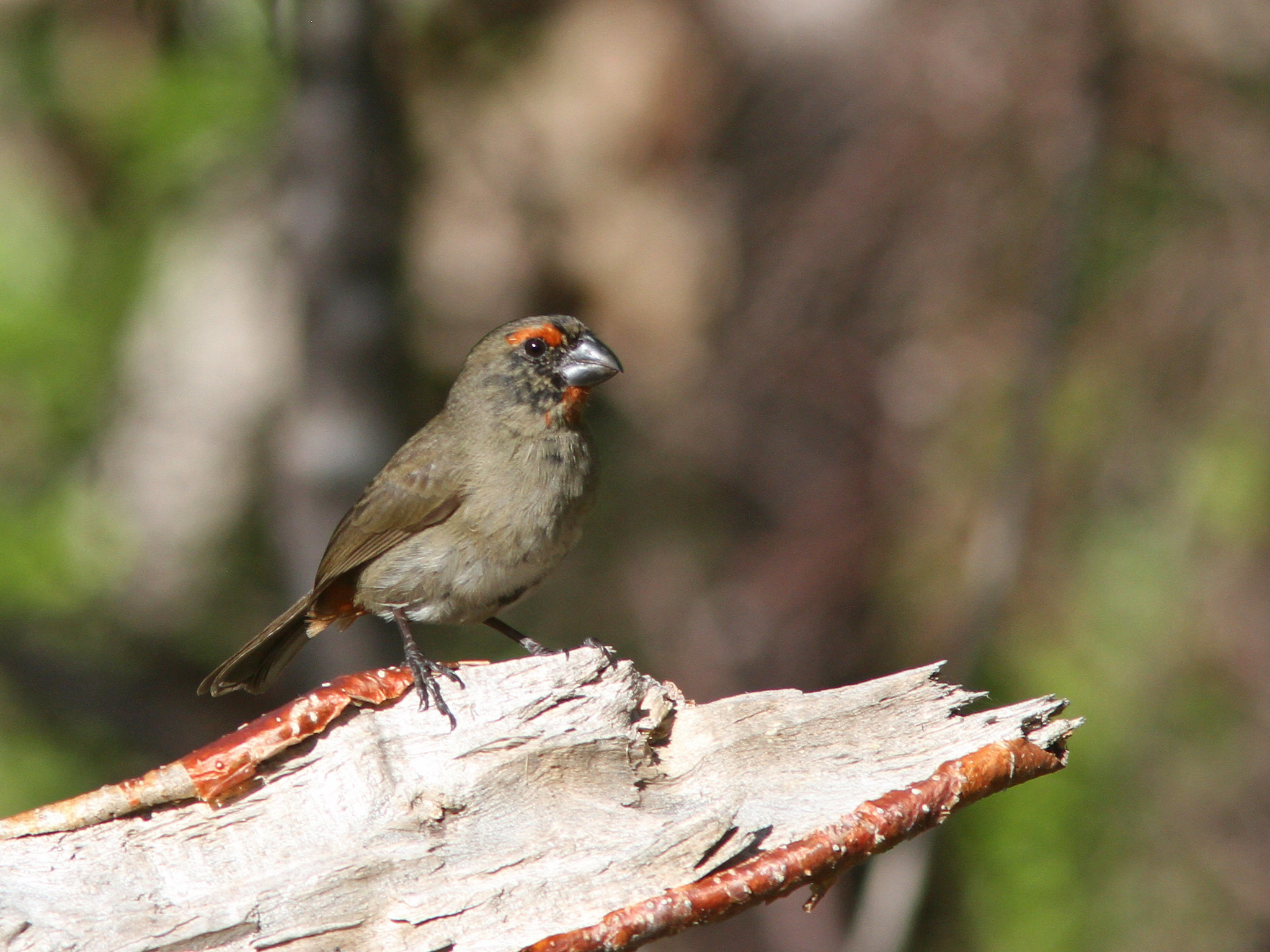
Greater Antillean Bullfinch, Garden of Grand Bahama B&B, Grand Bahama, Feb 11, 2017
White cheeked Pintail, Emerald Golf Course, Grand Bahama, Feb 11, 2017
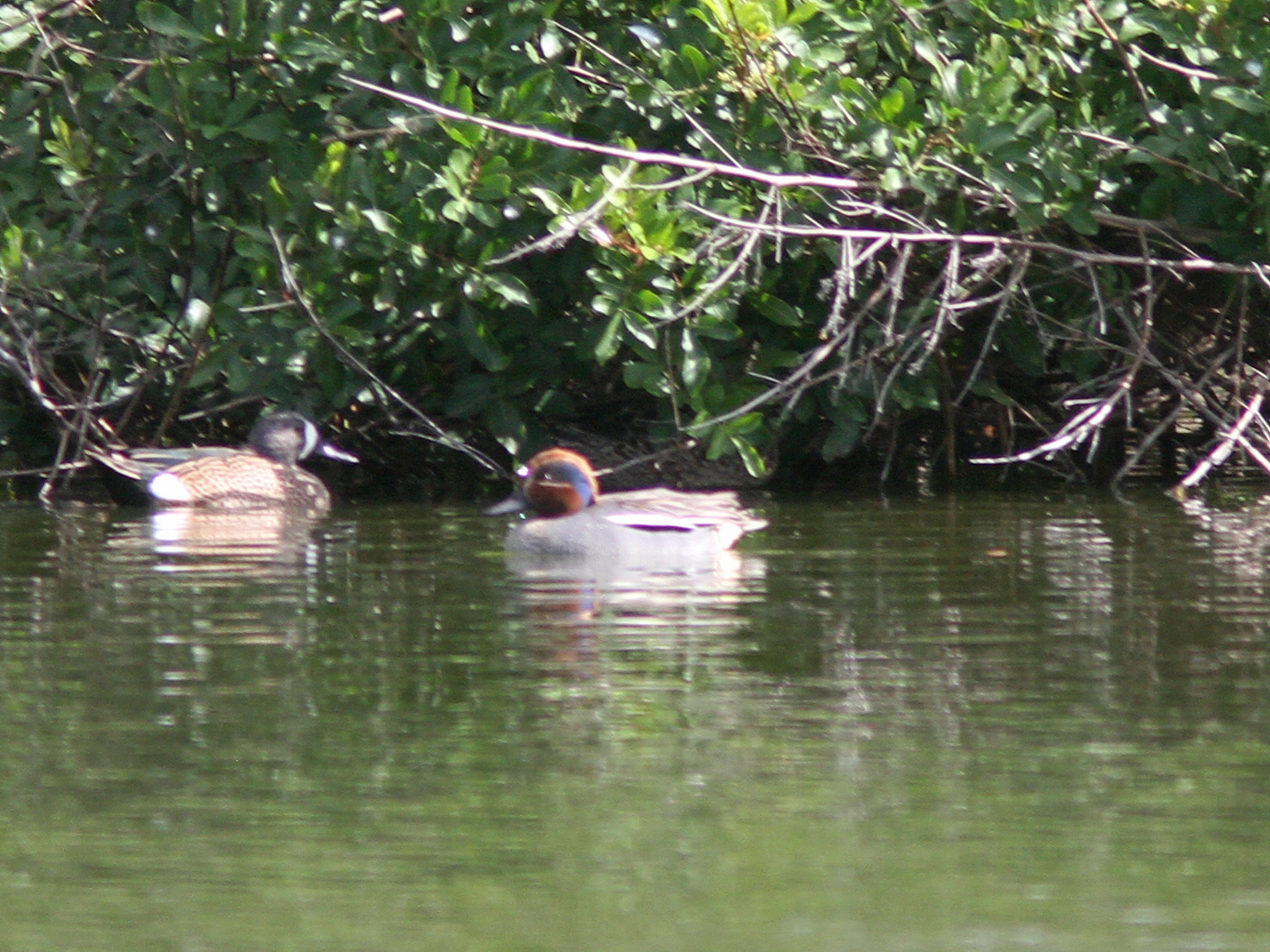
Eurasian Green winged Teal (Common Teal), Emerald Golf Course, Grand Bahama, Feb 11, 2017
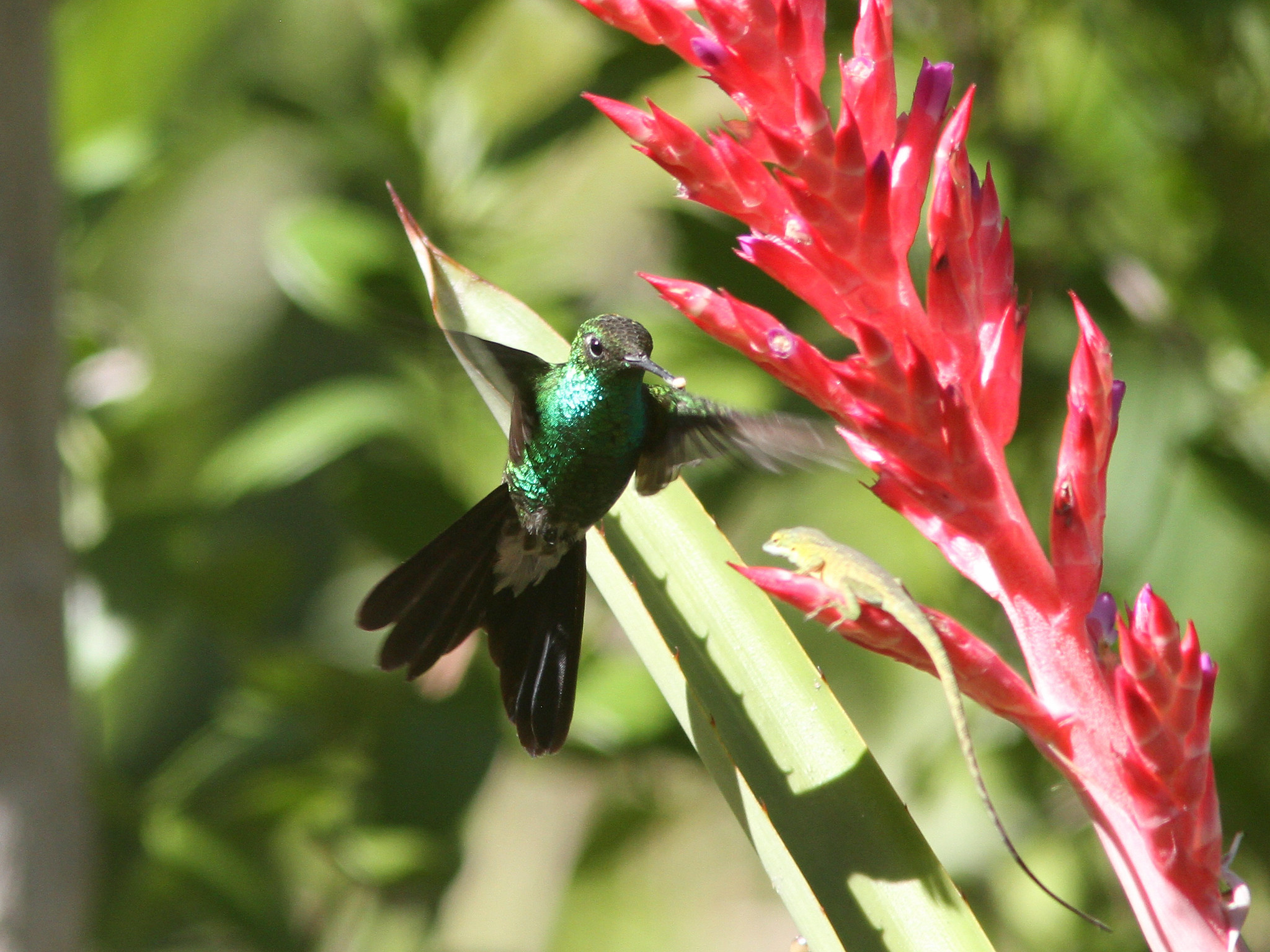
Cuban Emerald, Garden of Grand Bahama B&B, Grand Bahama, Feb 11, 2017

Our last day in the Bahamas was spent relatively locally and I started the day just before dawn at the Reef Country Club checking the various ponds and edge before the golfers showed up for the day. Nothing too unusual but got some good looks at some birds as well as a few photos. After about an hour and a half at the country club I headed back to our lodging and the gardens right outside our back door. On my second lap around the small garden I had brief looks at a Bahama Woodstar being chased by a Cuban Emerald and this added a final life bird for the trip (#1263). Yesterday our host (and guide) asked if I wanted to go with her to a couple of other nearby golf courses to try to get some other new birds and I figured, why not? We headed out late morning to the Emerald Golf Course where we found a number of new species on the pond there including White cheeked Pintails, Green winged Teal and Black necked Stilts.  Upon closer examination of the teal it turned out to be a Eurasian subspecies of the Green winged Teal (also known as Common Teal) and may be a first record of this subspecies (likely a full species) on Grand Bahama.  The golf course has been closed since a couple of severe hurricanes back in 2003/2004 and the area has become overgrown providing some great bird habitat. We walked along some paths through the dense vegetation and had a very intriguing yellowthroat that may have been a Bahama Yellowthroat but we never got good enough looks to be sure. Although it was getting near noon and I was looking forward to lunch we decided to make one more stop over to the nearby Ruby Golf Course in the hopes of finding some waders but the pond there was quiet so no luck finding anything new. The rest of the early afternoon I spent more time exploring the gardens at our lodging as well as packing for the trip home. We made it to the port to await the ferry and while there got a message that our flight was already cancelled for Sunday due to another big snow storm back home.