Showing posts with label cuban parrot. Show all posts

Monday, January 29, 2024

Abaco in the Bahamas Jan 16-20 produces great birds including Kirtland's Warblers

Kirtland's Warbler, Abaco National Park, Abaco, Bahamas, Jan 19, 2024
I took a trip down to Abaco in the Bahamas on January 16 and spent the next four days there mainly looking for a few resident warblers as well as overwintering migrants (with the most unusual overwintering species being Kirtland's Warbler).  This was my third time in the Bahamas with my first being a short visit to Nassau on a cruise in 2003 and the next being a trip to Grand Bahama in February 2017 (posts from that trip...part 1 and part 2).  I happily found all my targets and had a great time...more details below.  To see more on warblers check out the attached link: Warblers on Abaco.

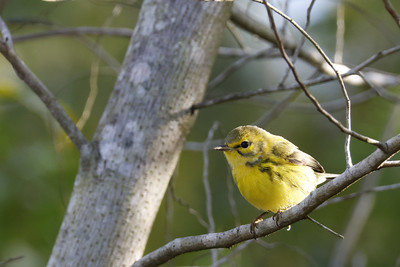
Prairie Warbler, Murphy town, Abaco, Jan 16, 2024

The forecast for the day I was leaving changed at the last minute and the snow moved in earlier than predicted just a half day before which resulted in some delays in Hartford on my way to Atlanta and then onto Marsh Harbor. Thankfully I picked a flight that had a couple hour layover so I still made the second leg of the journey with a few minutes to spare. After a few more weather delays in Atlanta (thanks to a frozen door on the jetway and the need to get the plane deiced) I made it to Abaco. I picked up my rental, headed to the supermarket and then onto my Airbnb. I wanted to stay south of Marsh Harbor but a cancellation a few weeks ago at my original lodging I had to settle for a spot in town. I birded a little in the neighborhood and turned up a few overwintering species. Although a bit breezy it was at least warm with temps in the 70’s.

Bahama Yellowthroat, Abaco National Park, Abaco, Bahamas, Jan 17, 2024
Olive capped Warbler, Abaco National Park, Abaco, Bahamas, Jan 17, 2024
Cuban Pewee, Abaco National Park, Abaco, Bahamas, Jan 17, 2024
Pine lands at dawn, Abaco National Park, Abaco, Bahamas, Jan 17, 2024
The Toyota POS, Abaco National Park, Abaco, Bahamas, Jan 17, 2024
Atala Hairstreak, Abaco National Park, Abaco, Bahamas, Jan 17, 2024
Cuban Parrots (Bahama subspecies), Crossing Rocks, Abaco, Bahamas, Jan 17, 2024
Western Spindalis (Bahamas Green-backed), Bahama Palm Shores, Abaco, Bahamas, Jan 17, 2024
Yellow throated Warbler, Bahama Palm Shores, Abaco, Bahamas, Jan 17, 2024
Thick billed Vireo, Bahama Palm Shores, Abaco, Bahamas, Jan 17, 2024
Black faced Grassquit, Bahama Palm Shores, Abaco, Bahamas, Jan 17, 2024

My plans for the first full day on the island was to get up well before dawn and drive almost an hour south to Abaco National Park. As I headed out the door a little before five it was obvious it had rained hard at some point overnight. The drive south on the wet roads with puddles was less than relaxing and I had to deal with a little additional rain from time to time. I did add a Chuck Wills Widow on the way (my first new Bahamas species for the trip). I arrived at the entrance to the park a bit before six and waited for it to get light enough to see to start my walk for a few miles south on the dirt road. If I had a better vehicle with more clearance it would have been easier to get further south but I was stuck with what I had for a vehicle. One of the first birds I heard for the morning were a couple of Bahama Yellowthroats. I got some recordings and a few looks but no chance for any photos (I did get much better looks and some photos a bit later in the morning). I spent the next three hours walking the road and only had to deal with a few passing showers as I turned up about twenty species, including several Cuban Parrots (Bahama subspecies) and nine species of warblers. I made brief visit to the very end of the island at Sandy Point, which was quite windy and fairly barren of bird life. I then spent the next four plus hours slowly working my way back north to my lodging with multiple stops along the way. I added several species for the day along the way (including two new species for my Bahamas list with West Indian Woodpecker and Western Cattle Egret) and finished the day with 39 species.

Bahama Woodstar, Abaco, Bahamas, Jan 18, 2024
Red legged Thrush, Abaco, Bahamas, Jan 18, 2024
Bahama Yellowthroat, Abaco, Bahamas, Jan 18, 2024
Cuban Emerald, Abaco, Bahamas, Jan 18, 2024
Bananaquit, Abaco, Bahamas, Jan 18, 2024
Ovenbird, Robert's Nursery, Abaco, Bahamas, Jan 18, 2024
Yellow throated Vireo, Robert's Nursery, Abaco, Bahamas, Jan 18, 2024
American Redstart, Robert's Nursery, Abaco, Bahamas, Jan 18, 2024
Common Ground Doves, Columbus Cay Eco Park, Abaco, Bahamas, Jan 18, 2024
Northern Waterthrush, Columbus Cay Eco Park, Abaco, Bahamas, Jan 18, 2024
Lincoln's Sparrow, Treasure Cay, Abaco, Bahamas, Jan 18, 2024
Black faced Grassquit, Murphy Town, Abaco, Bahamas, Jan 18, 2024
Magnificent Frigatebird, Murphy Town, Abaco, Bahamas, Jan 18, 2024
La Sagra's Flycatcher, Murphy Town, Abaco, Bahamas, Jan 18, 2024

For my second full day on the island I decided to head north all the way to Treasure Cay and see what the north end of the island had to offer. The morning started off overcast and breezy and eventually some drizzle started up. I was able to get in a few walks before a more steady rain began and added two new species to my Bahamas list with Tricolored Heron and Eastern Phoebe. As the rain continued to fall I made a few more stops but did not venture far from the car. These stops were also productive with some shorebirds and waterfowl. By around 9:30 the rain stopped and I was able to take some longer walks in the area of Treasure Cay. Among the highlights was the first life bird of the trip with distant views of a couple Bahama Swallows (life bird #1994). I also added a few more species to my Bahama list including a rare Lincoln’s Sparrow plus Yellow throated Vireo, Willet and Baltimore Oriole. I made it back to my lodging in the early afternoon and the sun actually stayed out for a good part of the rest of the day. Overall I found a total of 52 species for day. 

Dawn over Pinelands, Abaco National Park, Abaco, Bahamas, Jan 19, 2024
Bahama Swallow, Abaco National Park, Abaco, Bahamas, Jan 19, 2024
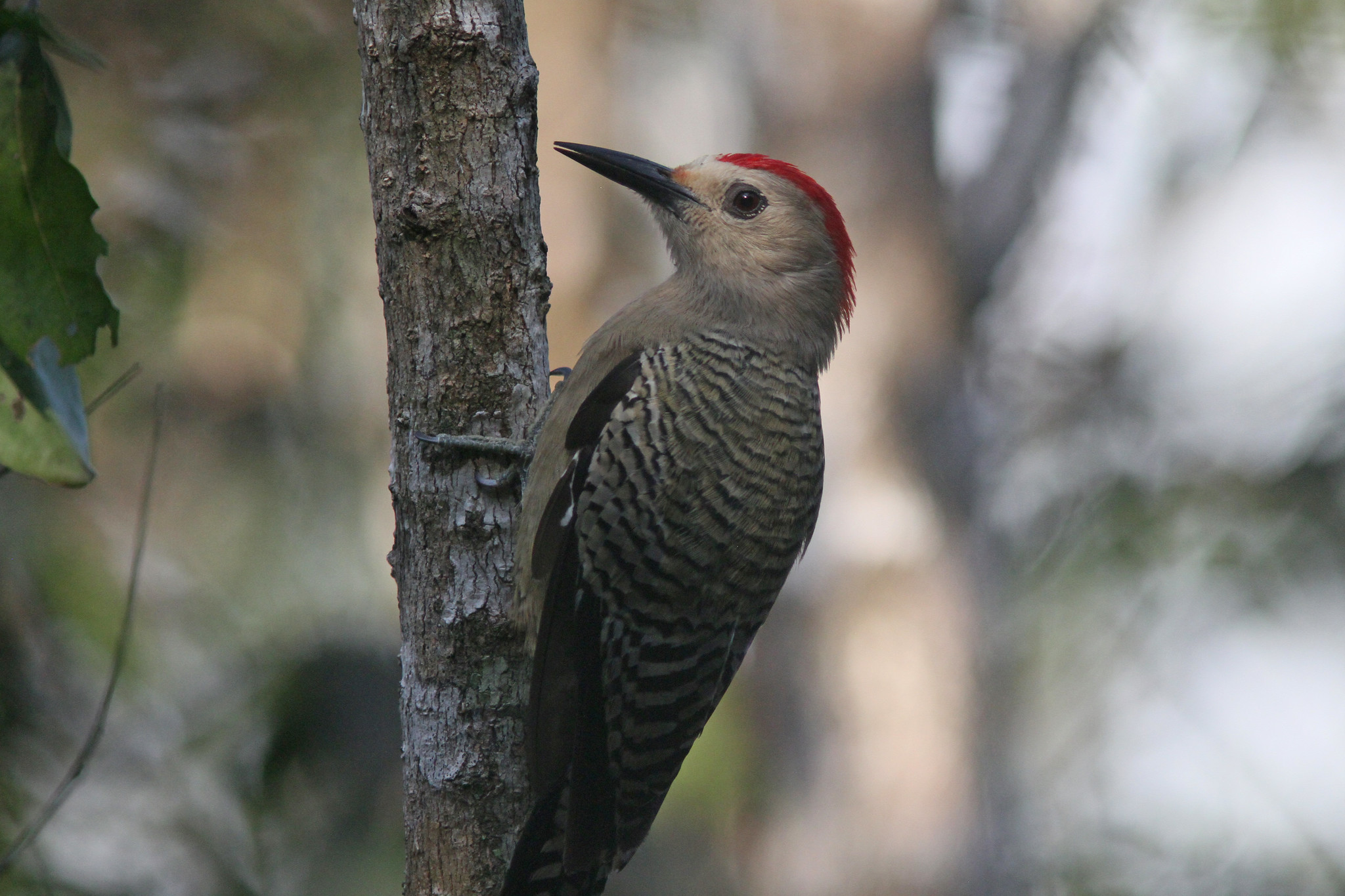
West Indian Woodpecker, Abaco National Park, Abaco, Bahamas, Jan 19, 2024
Loggerhead Kingbird, Abaco National Park, Abaco, Bahamas, Jan 19, 2024
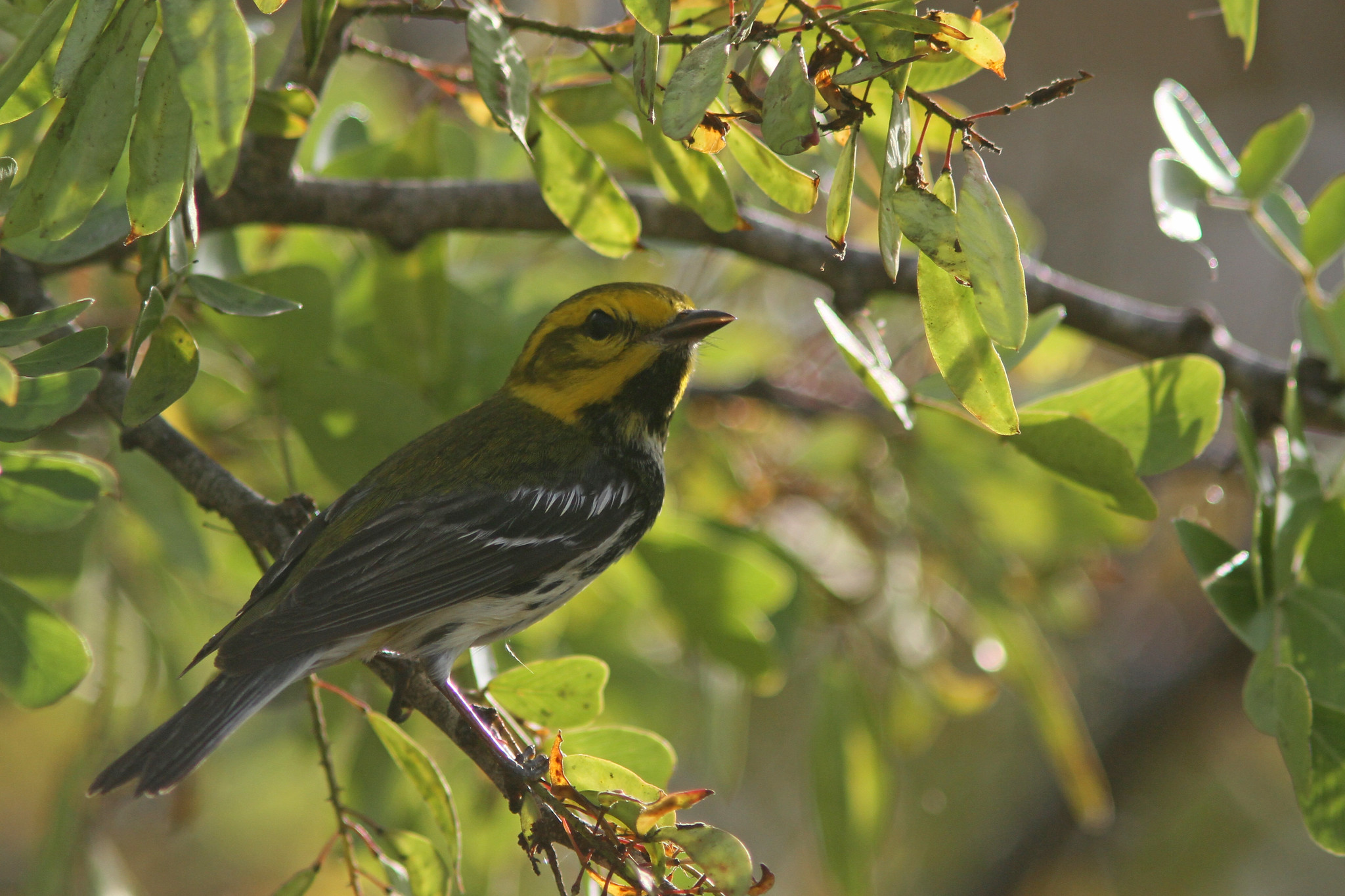
Black throated Green Warbler, Abaco National Park, Abaco, Bahamas, Jan 19, 2024
Bahama Warbler, Abaco National Park, Abaco, Bahamas, Jan 19, 2024
Olive capped Warbler, Abaco National Park, Abaco, Bahamas, Jan 19, 2024
Western Spindalis (Bahamas Green-backed), Abaco National Park, Abaco, Bahamas, Jan 19, 2024
Kirtland's Warbler, Abaco National Park, Abaco, Bahamas, Jan 19, 2024

My plans for the last full day on Abaco was to make the drive back down to Abaco National Park before dawn and then walk south to the end to get out of the pine lands and into an area that might host an overwintering Kirtland’s Warbler. It would be a long shot chance for sure that would require at least a ten mile hike one way. I was out the door early on a very humid morning that featured some low fog in spots that made the journey more adventurous. I got a caution light on the car when I was perhaps 2/3 of the way but after stopping and trying to figure it out I started the car back up and the light went out. I almost turned back at that point but decided to press on. I made it to the park a little after six and drove in perhaps two miles over rough dirt roads and then stopped and started the hike down with all my gear and lots of water (which was still not enough). I walked steadily down with not much stopping along the way to look for birds with most tallied along the way as heard only. The best bird by far on the way down was a distantly calling Key West Quail Dove, which became species 1995 for me. I eventually made it out of the pine lands after a little over four hours of walking and about ten miles distance. I then walked another hour or so in the blazing sun in the area I hoped would have a Kirtland’s Warbler. I made it to within sight of the lighthouse and then turned back with no luck. I knew I still had to retrace all my steps back to the car and I didn’t want to arrive back too late in case the car had issues getting me back north to my lodging. As I started my walk back I heard a loud chip that sounded unlike others I have heard and after a few moments I got fleeting looks at a Kirtland’s Warbler! I then spent the next 15 minutes or so trying to get some photos and recordings and at that point I noticed there were two Kirtland’s Warblers and not just one. Although I had the species way back when on their breeding grounds in Michigan when I made a day long drive to get them when I was in Ohio I had never gotten photos of them before. I then made the long slog back to the car where I arrived tired, thirsty and with some blisters after walking over 23 miles total…almost a marathon but worth the pain and effort for sure. The chances of coming across an overwintering Kirtland’s Warbler in the vast habitat was quite small so I felt incredibly lucky. I made a couple more brief stops on my way home and added some species for the trip as well as new Bahama species for me…getting me to 99 species ever in the Bahamas and a total of 41 species for the day.

I had a few hours available on my last morning before making the short flight to Miami. I decided to not push my luck with the crappy car by driving anywhere so I walked around the neighborhood. Nothing out of the ordinary but I did add my 100th species to my Bahama list with a couple of Limpkins.

During my short time in the Bahamas I found a total of 74 species with two of the those being life birds for me (Bahama Swallow and Key West Quail Dove). I had 18 new species I was able to add to my Bahama list, bringing that total to a nice and even 100 species.

All photos from trip at the following link.

Thursday, March 12, 2020

Grand Cayman -March 1-7

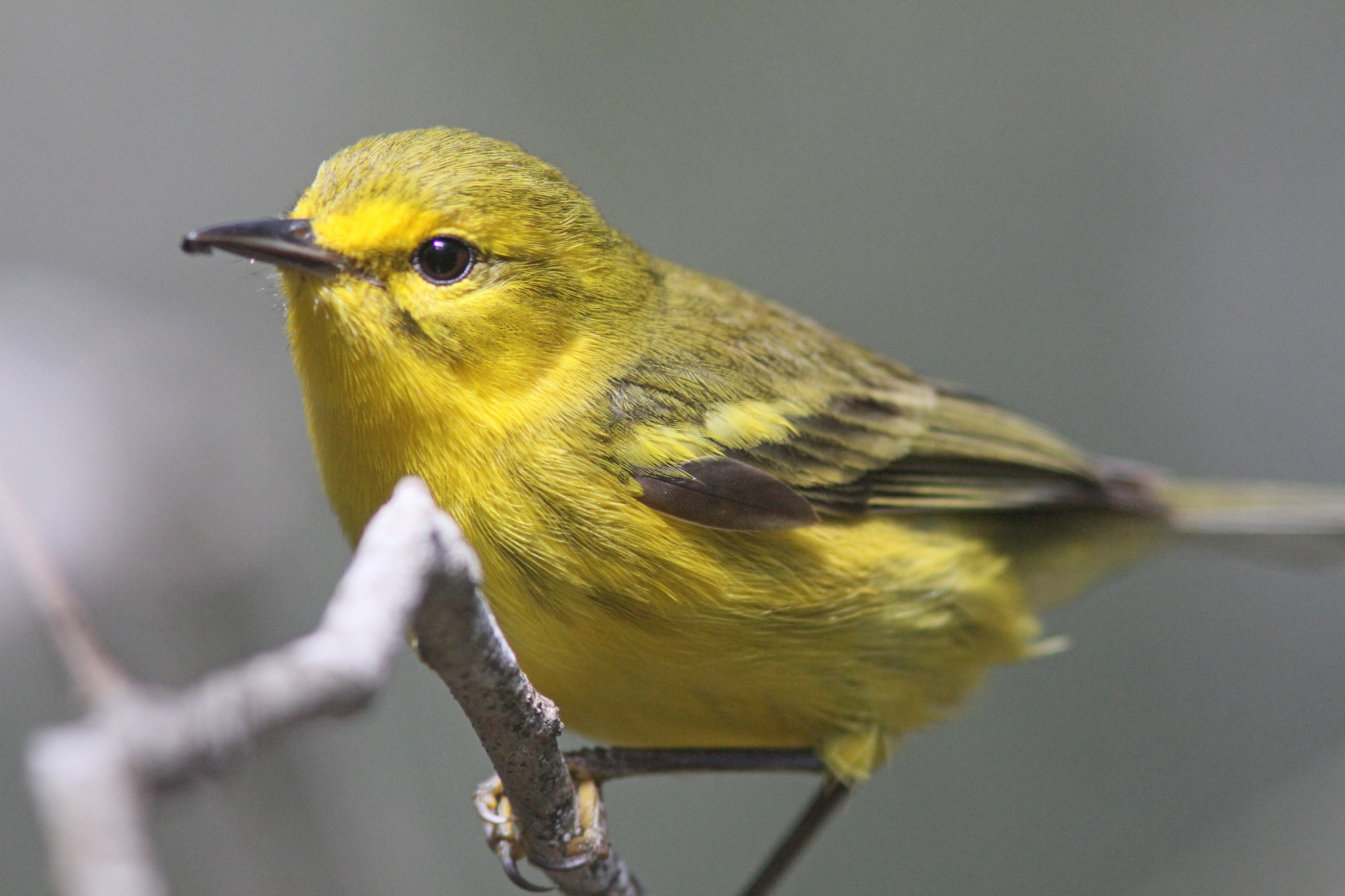
Vitelline Warbler, Mastic Trail, Grand Cayman, Mar 4, 2020
Vitelline Warbler, Mastic Trail, Grand Cayman, Mar 6, 2020
Cuban Parrot (Cayman Islands), Mastic Trail, Grand Cayman, Mar 7, 2020
West Indian Woodpecker, Mastic Trail, Grand Cayman, Mar 6, 2020
Yucatan Vireo, Mastic Trail, Grand Cayman, Mar 2, 2020
Cuban Bullfinch (Cayman Islands), Mastic Trail, Grand Cayman, Mar 5, 2020
Swainson's Warbler, Mastic Trail, Grand Cayman, Mar 2, 2020
The second part of the trip to the tropics after Antigua and Barbuda was down to Grand Cayman and would be spent doing some non birding activities but I would still have plenty of time to try my luck in tracking down the Vitelline Warbler (which occurs only on the Cayman Island and the very small Swan Island off the coast of Central America). I had a few other target birds for the trip including the Cuban Parrot, West Indian Woodpecker, Yucatán Vireo, Cuban Bullfinch and (fingers crossed) Swainson’s Warbler which winters there and is occasionally seen. There are a few Cayman Island specific subspecies including the parrot, bullfinch as well as Northern Flicker and Western Spindalis. The only species endemic to Grand Cayman was the Grand Cayman Thrush which is extinct with the last record from 1938. Causes for the extinction included deforestation, damage from hurricanes and other human related causes. We stayed at a condo in Old Man Bay on the north side of the island and away from the more built up areas along the west coast. The location was just a five minute drive away from the north entrance to the Mastic Trail and 10 minutes from the south entrance of the trail and the Queen Elizabeth Botanical Gardens and proved to be a great base for exploring the island.  Full details on the warblers on this trip can be found at the following link:  Grand Cayman warblers.
Vitelline Warbler, Mastic Trail, Grand Cayman, Mar 2, 2020


Western Spindalis (Cayman Island), Mastic Trail, Grand Cayman, Mar 2, 2020
Blue winged Warbler, Mastic Trail, Grand Cayman, Mar 2, 2020
Caribbean Dove, Mastic Trail, Grand Cayman, Mar 2, 2020
Vitelline Warbler, Queen Elizabeth II Botanic Park, Grand Cayman, Mar 2, 2020
Caribbean Elaenia, Queen Elizabeth II Botanic Park, Grand Cayman, Mar 2, 2020
Grand Cayman Blue Iguana, Queen Elizabeth II Botanic Park, Grand Cayman, Mar 2, 2020
Yucatan Vireo, Mastic Trail, Grand Cayman, Mar 2, 2020
I was out the door before dawn on Monday morning to take a walk down the Mastic Trail from the north entrance. The mosquitoes were a bit of a problem throughout the walk but they lessened a bit as the sun came up. Almost as soon as I got there I started finding birds with the first targets found being Cuban Parrot, Yucatan Vireo and Cuban Bullfinch. I then added a number of Vitelline Warblers to the list, with several singing. The Vitelline Warblers look a lot like rather dull Prairie Warblers but their song is more like a mix of Black throated Blue Warbler and Prairie Warbler and they do not seem to perpetually wag their tails like Prairie Warblers do. Not long after the warbler I heard a West Indian Woodpecker and got some good looks at it. I had now seen and/or heard all the species I figured it would be relatively easy to get. I continued down the trail for about 3/4 of a mile before turning back to retrace my steps. Along the way I came across a nice mixed flock that included a rare for the island Blue winged Warbler (only two other eBird winter records...one in January 2010 and another in February 2013).  Just before I turned around to head back I had another great sighting with not just one but two Swainson’s Warblers in view at the same time. One even perched out in the open for a bit allowing for great looks and some decent photos. I was very satisfied with what I was able to turn up in a bit over two hours time...all six targets (all life birds) plus a rarity for the island. Warblers were certainly around in good diversity with ten species seen.  I also had Caribbean Doves that were quite tame and one walked along with me for several hundred feet along the trail...it always stayed a few feet ahead and if I stopped it would stop and then start walking again when I moved (link to video).   After a brief break at our lodging we headed down to the Queen Elizabeth II Botanic Park for a couple of hours and I added a few more species for the trip. Overall the gardens were relatively quiet and not nearly as active as the Mastic Trail and this was the only time I stopped at the park for the trip. 
Cuban Parrot (Cayman Island), Old Man Bay, Grand Cayman, Mar 3, 2020
Northern Flicker (Grand Cayman Island), Old Man Bay, Grand Cayman, Mar 3, 2020
Ocean view, Tukka's, Grand Cayman, Mar 3, 2020
Tuesday morning we headed out early to meet a group for snorkeling at Rum Point. The early time allowed us to get into areas before the hordes showed up from the cruise ships and we got up close looks at both string rays and lots of tropical fish. There were a few terns and gulls around but not too much in the way of bird life. Once we got back from the trip I did a little birding around the condo in the midday heat and got a few new species for the trip plus some great looks at some Cuban Parrots.  I also found the local subspecies of Northern Flicker at a nest near our lodging.
 Worm eating Warbler, Mastic Trail, Grand Cayman, Mar 4, 2020
Zenaida Dove, Mastic Trail, Grand Cayman, Mar 4, 2020
 Smooth billed Ani, Mastic Trail, Grand Cayman, Mar 4, 2020
 Least Sandpiper, Malportas Pond, Grand Cayman, Mar 4, 2020
 Vitelline Warbler, Mastic Trail, Grand Cayman, Mar 4, 2020
Wednesday began with another early morning trip to the north entrance of the Mastic Trail but this time I was armed with bug spray to try to keep the mosquitoes at bay. It started off calm but once the sun came up the breeze slowly picked up but the birds were still around in good numbers and diversity. I walked almost a mile in from the north before turning around and retracing my steps. The best bird of the morning was seen about a quarter mile in when I had a Nashville Warbler in a mixed flock (very rare for the island). I tried to get a photo but I was never able to and the bird didn’t respond to my attempts to get it to come closer (not uncommon for the species). I headed back to the lodging after a couple hours on the trail and after a brief stop at the nearby Malportas Pond . After a brief break I headed down to the south entrance of the Mastic Trail and walked that north for almost a mile turning up more new species for the trip. Overall for the morning I had a total of 17 species of warbler which illustrates quite well the diversity of migrants present on the island.
Ovenbird, Mastic Trail, Grand Cayman, Mar 5, 2020
Thick billed Vireo, Mastic Trail, Grand Cayman, Mar 5, 2020
West Indian Woodpecker, Mastic Trail, Grand Cayman, Mar 5, 2020
Loggerhead Kingbird, Mastic Trail, Grand Cayman, Mar 5, 2020
Cuban Bullfinch (Cayman Island), Mastic Trail, Grand Cayman, Mar 5, 2020
Cuban Parrot (Cayman Island), Mastic Trail, Grand Cayman, Mar 5, 2020
On Thursday the 5th I did an entire walk from one end to the other of the Mastic Trail and back again which took me the better part of the entire morning and I was damn hot by the end. I started from the south and headed to the north and once again I had good birds with some high counts for a number of species (Vitelline Warbler and Yucatán Vireos never seemed to be out of earshot the entire walk). I added a few new species to my trip list for the morning and once again had a good showing of warblers with 16 species recorded. I also ran across the eBird reviewer for the island (Peter Davey) while out walking after having corresponded with him regarding some of my rare sightings. He was able to relocate the Nashville Warbler I had the day before and he was very happy about finding that rarity (he even got a marginal photo of it which I was unable to do).
Caribbean Elaenia, Mastic Trail, Grand Cayman, Mar 6, 2020
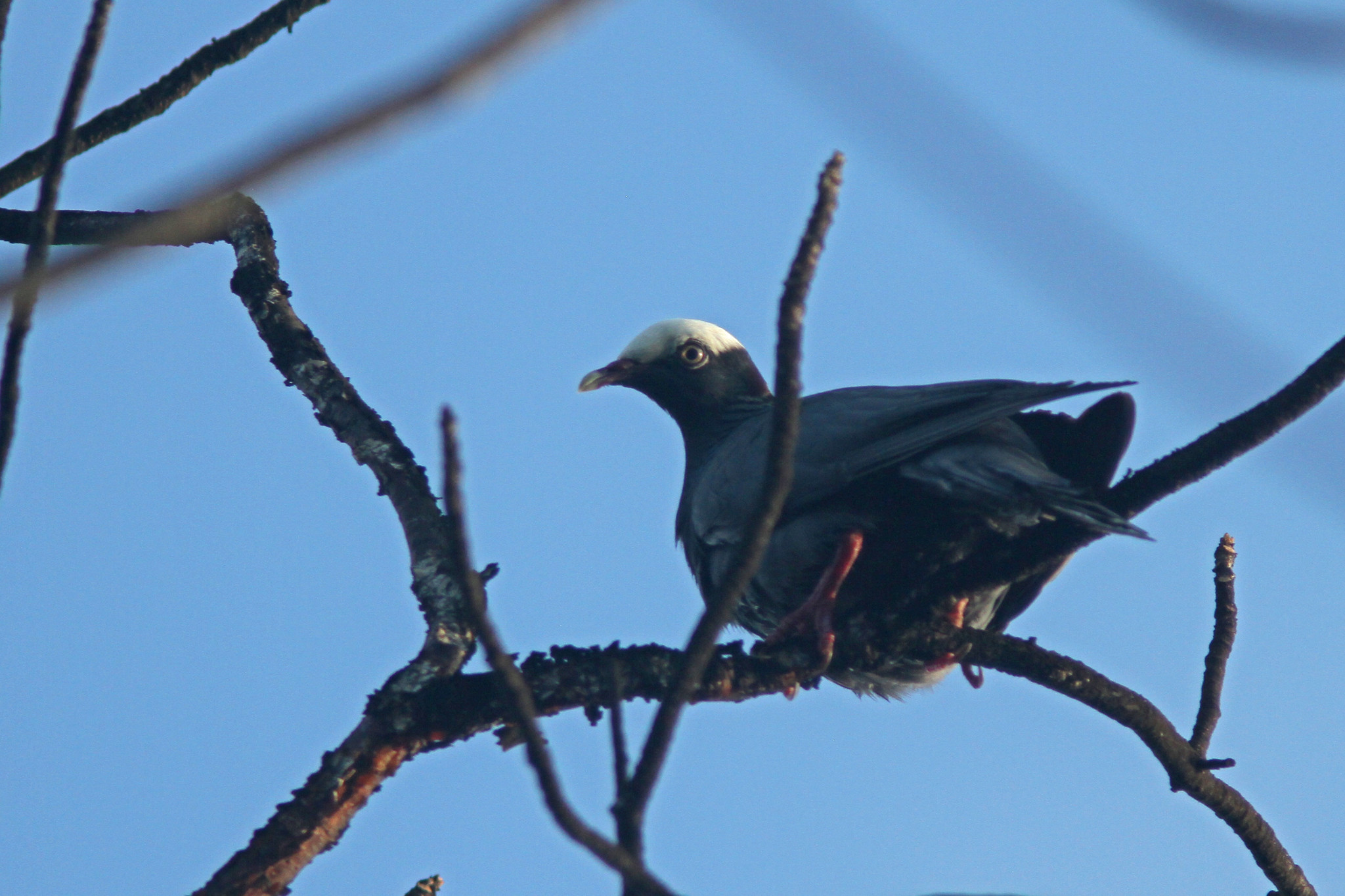
White crowned Pigeon, Mastic Trail, Grand Cayman, Mar 6, 2020
Tennessee Warbler, Mastic Trail, Grand Cayman, Mar 6, 2020
Black throated Green Warbler, Mastic Trail, Grand Cayman, Mar 6, 2020
Magnificent Frigatebird, Mastic Trail, Grand Cayman, Mar 6, 2020
Bananaquit, Old Man Bay, Grand Cayman, Mar 6, 2020
Yellow throated Warbler, Old Man Bay, Grand Cayman, Mar 6, 2020
The last full day of the trip found me yet again starting the morning off at the north entrance to the Mastic Trail where I arrived before dawn, lathered up with bug spray and walked the trail for about 3/4 of a mile before turning around. Among the birds seen was another new one for the trip with a Tennessee Warbler feeding in a tree along with Cape May Warblers, Bananaquits and Yellow faced Grassquits. I spent just under two hours there before heading south to hit the other end of the trail. I didn’t walk too far on this part of the Mastic Trail but I still found great birds including yet another rarity with the sighting of a Black throated Green Warbler plus at least three Tennessee Warblers and other more expected species. I ran across a few birders from the island once again and they were able to relocate the rare Nashville Warbler (and get great photos) up at the north end of the trail. I missed it again during my early morning visit but decided to head back up there to try my luck again. Unfortunately I didn’t have any more luck on my return trip. By this point it was getting quite hot as the day neared the halfway point. I made a few more quick stops including Malportas Pond and a small wetland in the area of Over The Edge where I added some waders and shorebirds. Midday I was back at the lodging and relaxed a bit during the heat of the day and enjoyed my last afternoon in the heat. It was a great morning of birding with lots of expected stuff plus a few rarities and a total of 19 species of warbler.
Nashville Warbler, Mastic Trail, Grand Cayman, Mar 7, 2020
I had a little time in the morning on Saturday before we had to make the trek back to the airport for our flights back to reality and the fear of corona virus.  I decided to try one more time to relocate the Nashville Warbler at the north end of the Mastic Trail. Unfortunately the morning started off quite breezy with some sprinkles but I decided to try nonetheless. Thankfully the clouds lifted somewhat a little after dawn so at least the threat of additional rain was gone. I walked down to the area I had the bird previously as well as a bit beyond it but no luck at all. I decided it was just too breezy so I headed back out. As I got to the trail head I noticed some birds flitting around some low brush in a freshly disturbed area and one of the birds was the Nashville Warbler. I finally got some documentation shots of the bird before I left. I also made some brief stops at Malportas Pond and along the coast but the wind was quite strong at both spots and activity was fairly low.

Overall for the trip I found a total of 101 species with eight of those being life birds. On Antigua and Barbuda I found a total of 56 species with 48 species on Antigua and 22 species on Barbuda with two life birds: Barbuda Warbler and Helmeted Guineafowl. Grand Cayman produced 80 species with six being life birds (West Indian Woodpecker, Cuban Parrot, Yucatan Vireo, Vitelline Warbler, Swainson’s Warbler and Cuban Bullfinch). I’m sure I could have added a bit to that total by visiting more wetlands and ponds but I focused on just a few spots close to our lodging instead of traveling a lot. With this additional my worldwide overall total now stands at 1578.  The trip added three new warbler species for me and much more detail regarding the warblers can be found at the following links:  Antigua and Barbuda warblers and Grand Cayman warblers.