Showing posts with label western spindalis. Show all posts

Friday, April 2, 2021

Trip to Florida in late March

Least Bittern, Green Cay Wetlands, Boynton Beach, FL, Mar 26, 2021

We finally managed to get away for a little this year with a short trip down to Florida after being stuck in the north due to the ongoing travel issues from the pandemic. With some of the travel rules relaxed for travel in the US and with both of us being vaccinated we felt comfortable with going. Unfortunately there are still too many rules for international travel so no luck with going to more exotic locales for now. We flew down to West Palm Beach on Thursday and spent one night in that area before heading north to Melbourne Beach where we spent four nights before ending the trip with one night in Orlando.

Black bellied Whistling Duck, Green Cay Wetlands, Boynton Beach, FL, Mar 26, 2021
Green Heron, Green Cay Wetlands, Boynton Beach, FL, Mar 26, 2021
Anhinga on nest, Green Cay Wetlands, Boynton Beach, FL, Mar 26, 2021
Solitary Sandpiper, Green Cay Wetlands, Boynton Beach, FL, Mar 26, 2021
Ovenbird, Green Cay Wetlands, Boynton Beach, FL, Mar 26, 2021
Ocean view, Melbourne Beach, FL, Mar 26, 2021

On the first full day we spent about an hour and a half at the always productive Green Cay Wetlands before visiting with some family. Not much unexpected at Green Cay but I did finally add a new species with sightings of the now well established introduced population of Egyptian Geese in the nearby area. After lunch we started the drive north along the east coast of the state up to Melbourne Beach. 

Brown Pelican, Coconut Point Sanctuary, Melbourne Beach, FL, Mar 27, 2021

With three full days available to explore the local area around our lodging in Melbourne Beach I spent all of my time in the local area with multiple visits to Maritime Hammock Sanctuary, Coconut Point Sanctuary and Pelican Island NWR (plus a few other spots).

Saturday morning I started off at Maritime Hammock Sanctuary before sunrise (sunrise at this time of year is not until 7:15 which is about 45 minutes later than it is at home at this time of year). I then headed to Coconut Point Sanctuary before a return trip back to Maritime Hammock. Nothing too unusual to report and in fact many areas were very quiet with little bird activity with warblers especially sparse.
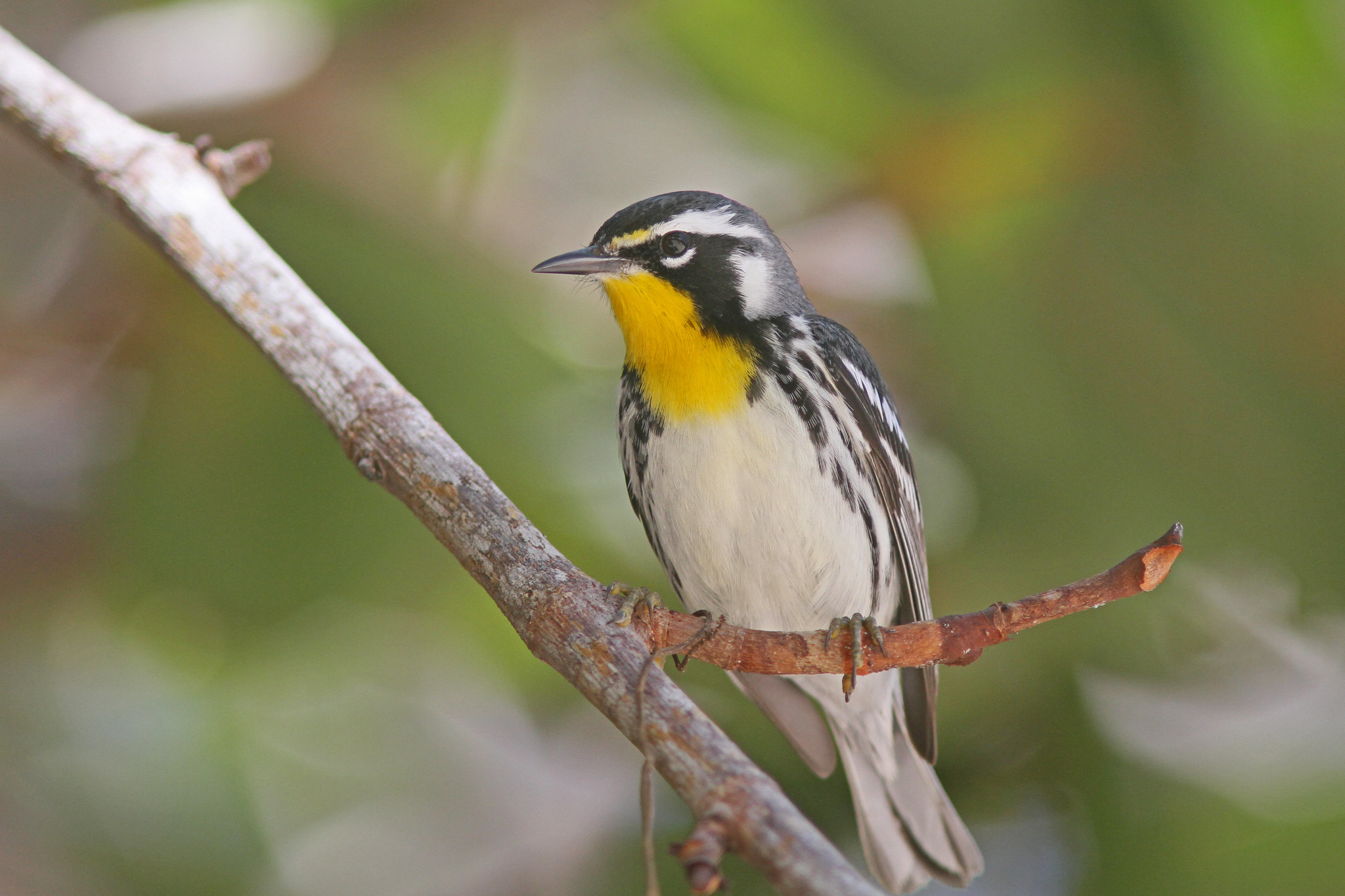
Western Spindalis, Pelican Island NWR, Vero Beach, FL, Mar 28, 2021
Common Yellowthroat, Pelican Island NWR, Vero Beach, FL, Mar 28, 2021
Bobcat, Pelican Island NWR, Vero Beach, FL, Mar 28, 2021
Osprey, Maritime Hammock Sanctuary, Melbourne Beach, FL, Mar 28, 2021

On Sunday I decided to head a bit further south to Pelican Island NWR (the first NWR in the country). I arrived just as it was getting light enough to see and headed out on one of the trails. It was fairly quiet on the trail so I headed back toward the parking lot in the hopes of finding some birds elsewhere. I quickly noticed a bunch of birders and stopped to talk to them. Apparently a Western Spindalis was seen at the location yesterday afternoon and several birders had arrived to try to relocate it. This species occurs in The Bahamas and Cuba (and a few other islands) but is very rare in the United States with a handful of records in southern Florida. I had seen the species in the US once before back in February 2017 at Bill Baggs Cape Florida SP and on multiple occasions outside the US so not a new bird for me but to see one this far north would be nice so I spent some time looking. After a bit of looking someone else turned the bird up actively feeding and very occasionally calling. I got some great looks at it as well as some distant photos. I assume the bird came north courtesy of southeast winds the previous few days. Unfortunately the winds didn’t seem to bring in much in the way of other migrants and all the areas I checked for the remainder of the morning were quiet. I stayed out until midday enjoying another hot and sunny day. In addition to the birds I had a sighting of a Bobcat as well as a snake (racer species I believe). 

Cattle Egret, Indian River Lagoon Preserve SP, Melbourne Beach, FL, Mar 29, 2021
Snowy Egret, Indian River Lagoon Preserve SP, Melbourne Beach, FL, Mar 29, 2021
Raccoon, Maritime Hammock Sanctuary, Melbourne Beach, FL, Mar 29, 2021

Monday was a little cloudier and cooler but still in the 70’s for most of the day. I tried my luck once again at Maritime Hammock but it was once again very quiet. After my fairly short time there I headed back to the lodging and then we went nearby to kayak for a few hours along the Indian River where we saw some Manatees and dolphins as well as a decent selection of birds. After our kayaking time I went out for another few miles of walking at the nearby Indian River Lagoon Preserve SP. As it was midday and the breeze had picked up quite a bit it was not too active. 
Common Gallinule with chicks, Orlando Wetlands Preserve, Christmas, FL, Mar 30, 2021
Common Gallinule chick, Orlando Wetlands Preserve, Christmas, FL, Mar 30, 2021
Purple Gallinule, Orlando Wetlands Preserve, Christmas, FL, Mar 30, 2021
Little Blue Heron, Orlando Wetlands Preserve, Christmas, FL, Mar 30, 2021
Pied billed Grebe, Orlando Wetlands Preserve, Christmas, FL, Mar 30, 2021

On our last full day in Florida we left Melbourne Beach and headed north and west toward our final destination in Orlando. We stopped at the always productive Orlando Wetland Park for a few hours in the sun and heat and I walked a few miles adding typical species to my list for the trip. Waterfowl was a present in fairly low diversity as I'm assuming many species have already left for points north (with the main exception being Blue winged Teal). I also had loads of Common Gallinule and American Coots around and came across a few recently hatched Common Gallinule chicks. After finishing up at the park we headed west to Orlando and I got a couple of short walks in late that afternoon and the following morning.

Overall for the trip I found a total of 110 species with three new for Florida and one new life bird bringing my life total to 1580.  Warblers were relatively sparse with only ten species seen during the week (more on warblers on the trip at the following link)

Thursday, March 12, 2020

Grand Cayman -March 1-7

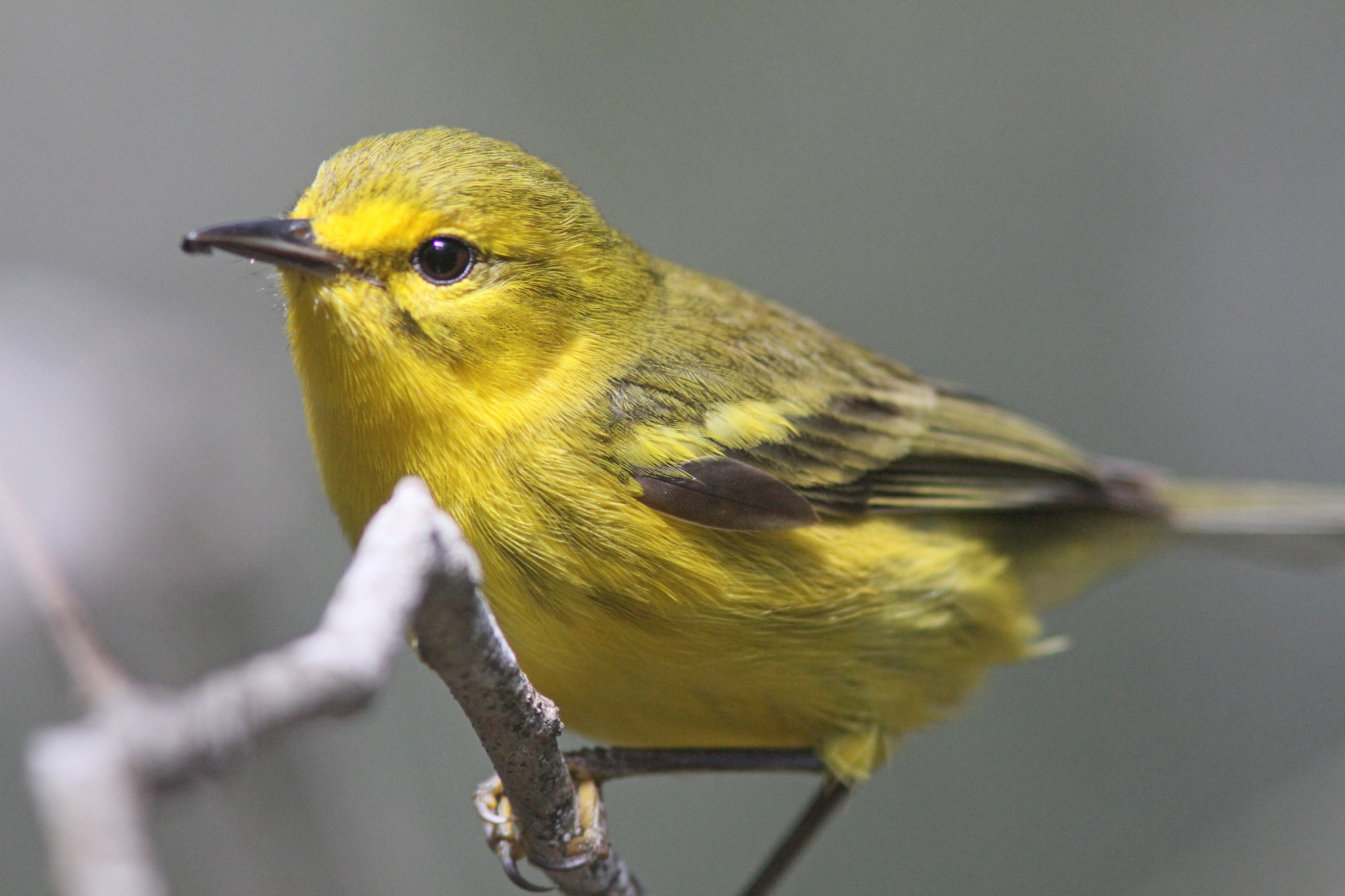
Vitelline Warbler, Mastic Trail, Grand Cayman, Mar 4, 2020
Vitelline Warbler, Mastic Trail, Grand Cayman, Mar 6, 2020
Cuban Parrot (Cayman Islands), Mastic Trail, Grand Cayman, Mar 7, 2020
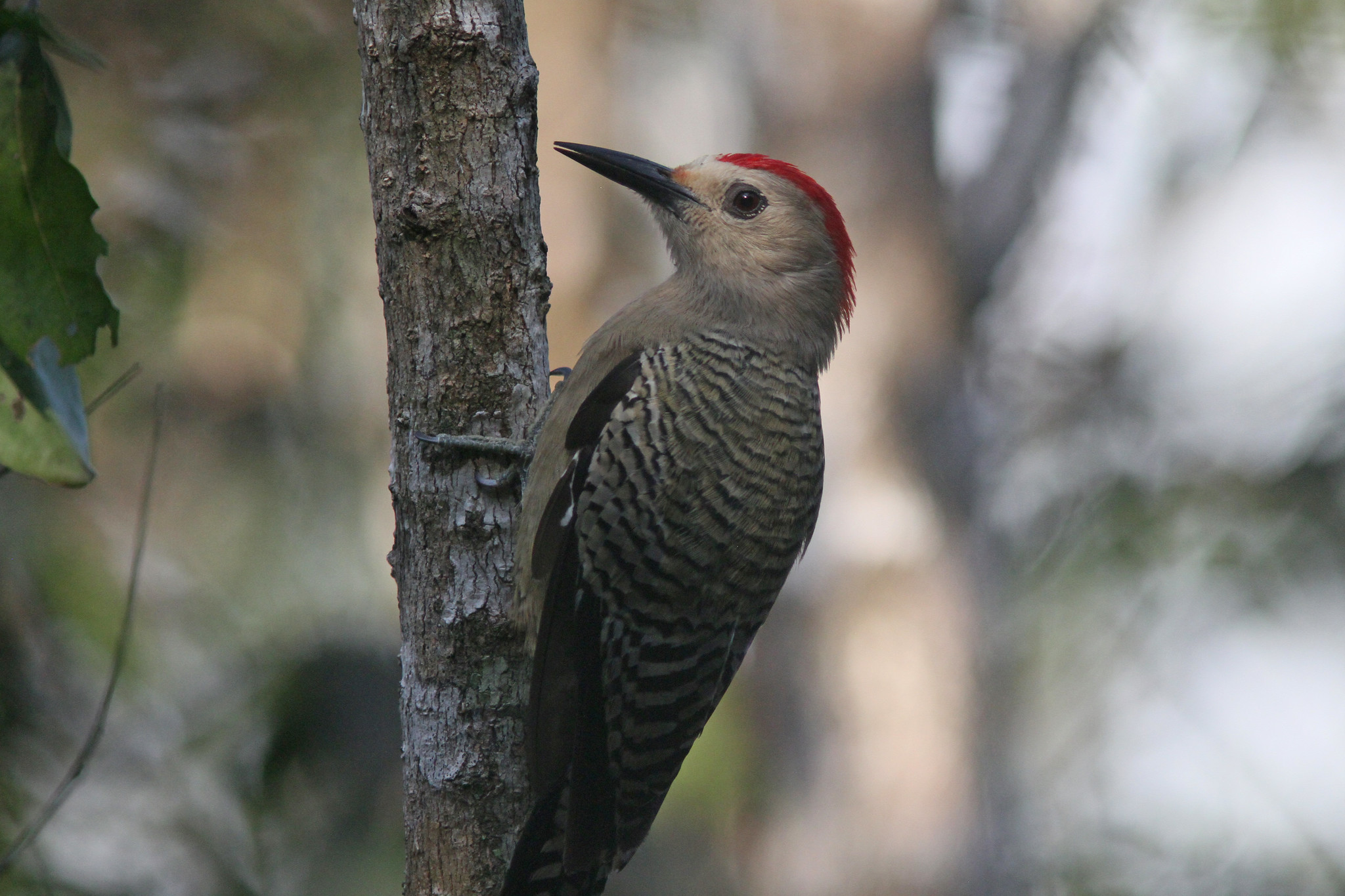
West Indian Woodpecker, Mastic Trail, Grand Cayman, Mar 6, 2020
Yucatan Vireo, Mastic Trail, Grand Cayman, Mar 2, 2020
Cuban Bullfinch (Cayman Islands), Mastic Trail, Grand Cayman, Mar 5, 2020
Swainson's Warbler, Mastic Trail, Grand Cayman, Mar 2, 2020
The second part of the trip to the tropics after Antigua and Barbuda was down to Grand Cayman and would be spent doing some non birding activities but I would still have plenty of time to try my luck in tracking down the Vitelline Warbler (which occurs only on the Cayman Island and the very small Swan Island off the coast of Central America). I had a few other target birds for the trip including the Cuban Parrot, West Indian Woodpecker, Yucatán Vireo, Cuban Bullfinch and (fingers crossed) Swainson’s Warbler which winters there and is occasionally seen. There are a few Cayman Island specific subspecies including the parrot, bullfinch as well as Northern Flicker and Western Spindalis. The only species endemic to Grand Cayman was the Grand Cayman Thrush which is extinct with the last record from 1938. Causes for the extinction included deforestation, damage from hurricanes and other human related causes. We stayed at a condo in Old Man Bay on the north side of the island and away from the more built up areas along the west coast. The location was just a five minute drive away from the north entrance to the Mastic Trail and 10 minutes from the south entrance of the trail and the Queen Elizabeth Botanical Gardens and proved to be a great base for exploring the island.  Full details on the warblers on this trip can be found at the following link:  Grand Cayman warblers.
Vitelline Warbler, Mastic Trail, Grand Cayman, Mar 2, 2020


Western Spindalis (Cayman Island), Mastic Trail, Grand Cayman, Mar 2, 2020
Blue winged Warbler, Mastic Trail, Grand Cayman, Mar 2, 2020
Caribbean Dove, Mastic Trail, Grand Cayman, Mar 2, 2020
Vitelline Warbler, Queen Elizabeth II Botanic Park, Grand Cayman, Mar 2, 2020
Caribbean Elaenia, Queen Elizabeth II Botanic Park, Grand Cayman, Mar 2, 2020
Grand Cayman Blue Iguana, Queen Elizabeth II Botanic Park, Grand Cayman, Mar 2, 2020
Yucatan Vireo, Mastic Trail, Grand Cayman, Mar 2, 2020
I was out the door before dawn on Monday morning to take a walk down the Mastic Trail from the north entrance. The mosquitoes were a bit of a problem throughout the walk but they lessened a bit as the sun came up. Almost as soon as I got there I started finding birds with the first targets found being Cuban Parrot, Yucatan Vireo and Cuban Bullfinch. I then added a number of Vitelline Warblers to the list, with several singing. The Vitelline Warblers look a lot like rather dull Prairie Warblers but their song is more like a mix of Black throated Blue Warbler and Prairie Warbler and they do not seem to perpetually wag their tails like Prairie Warblers do. Not long after the warbler I heard a West Indian Woodpecker and got some good looks at it. I had now seen and/or heard all the species I figured it would be relatively easy to get. I continued down the trail for about 3/4 of a mile before turning back to retrace my steps. Along the way I came across a nice mixed flock that included a rare for the island Blue winged Warbler (only two other eBird winter records...one in January 2010 and another in February 2013).  Just before I turned around to head back I had another great sighting with not just one but two Swainson’s Warblers in view at the same time. One even perched out in the open for a bit allowing for great looks and some decent photos. I was very satisfied with what I was able to turn up in a bit over two hours time...all six targets (all life birds) plus a rarity for the island. Warblers were certainly around in good diversity with ten species seen.  I also had Caribbean Doves that were quite tame and one walked along with me for several hundred feet along the trail...it always stayed a few feet ahead and if I stopped it would stop and then start walking again when I moved (link to video).   After a brief break at our lodging we headed down to the Queen Elizabeth II Botanic Park for a couple of hours and I added a few more species for the trip. Overall the gardens were relatively quiet and not nearly as active as the Mastic Trail and this was the only time I stopped at the park for the trip. 
Cuban Parrot (Cayman Island), Old Man Bay, Grand Cayman, Mar 3, 2020
Northern Flicker (Grand Cayman Island), Old Man Bay, Grand Cayman, Mar 3, 2020
Ocean view, Tukka's, Grand Cayman, Mar 3, 2020
Tuesday morning we headed out early to meet a group for snorkeling at Rum Point. The early time allowed us to get into areas before the hordes showed up from the cruise ships and we got up close looks at both string rays and lots of tropical fish. There were a few terns and gulls around but not too much in the way of bird life. Once we got back from the trip I did a little birding around the condo in the midday heat and got a few new species for the trip plus some great looks at some Cuban Parrots.  I also found the local subspecies of Northern Flicker at a nest near our lodging.
 Worm eating Warbler, Mastic Trail, Grand Cayman, Mar 4, 2020
Zenaida Dove, Mastic Trail, Grand Cayman, Mar 4, 2020
 Smooth billed Ani, Mastic Trail, Grand Cayman, Mar 4, 2020
 Least Sandpiper, Malportas Pond, Grand Cayman, Mar 4, 2020
 Vitelline Warbler, Mastic Trail, Grand Cayman, Mar 4, 2020
Wednesday began with another early morning trip to the north entrance of the Mastic Trail but this time I was armed with bug spray to try to keep the mosquitoes at bay. It started off calm but once the sun came up the breeze slowly picked up but the birds were still around in good numbers and diversity. I walked almost a mile in from the north before turning around and retracing my steps. The best bird of the morning was seen about a quarter mile in when I had a Nashville Warbler in a mixed flock (very rare for the island). I tried to get a photo but I was never able to and the bird didn’t respond to my attempts to get it to come closer (not uncommon for the species). I headed back to the lodging after a couple hours on the trail and after a brief stop at the nearby Malportas Pond . After a brief break I headed down to the south entrance of the Mastic Trail and walked that north for almost a mile turning up more new species for the trip. Overall for the morning I had a total of 17 species of warbler which illustrates quite well the diversity of migrants present on the island.
Ovenbird, Mastic Trail, Grand Cayman, Mar 5, 2020
Thick billed Vireo, Mastic Trail, Grand Cayman, Mar 5, 2020
West Indian Woodpecker, Mastic Trail, Grand Cayman, Mar 5, 2020
Loggerhead Kingbird, Mastic Trail, Grand Cayman, Mar 5, 2020
Cuban Bullfinch (Cayman Island), Mastic Trail, Grand Cayman, Mar 5, 2020
Cuban Parrot (Cayman Island), Mastic Trail, Grand Cayman, Mar 5, 2020
On Thursday the 5th I did an entire walk from one end to the other of the Mastic Trail and back again which took me the better part of the entire morning and I was damn hot by the end. I started from the south and headed to the north and once again I had good birds with some high counts for a number of species (Vitelline Warbler and Yucatán Vireos never seemed to be out of earshot the entire walk). I added a few new species to my trip list for the morning and once again had a good showing of warblers with 16 species recorded. I also ran across the eBird reviewer for the island (Peter Davey) while out walking after having corresponded with him regarding some of my rare sightings. He was able to relocate the Nashville Warbler I had the day before and he was very happy about finding that rarity (he even got a marginal photo of it which I was unable to do).
Caribbean Elaenia, Mastic Trail, Grand Cayman, Mar 6, 2020
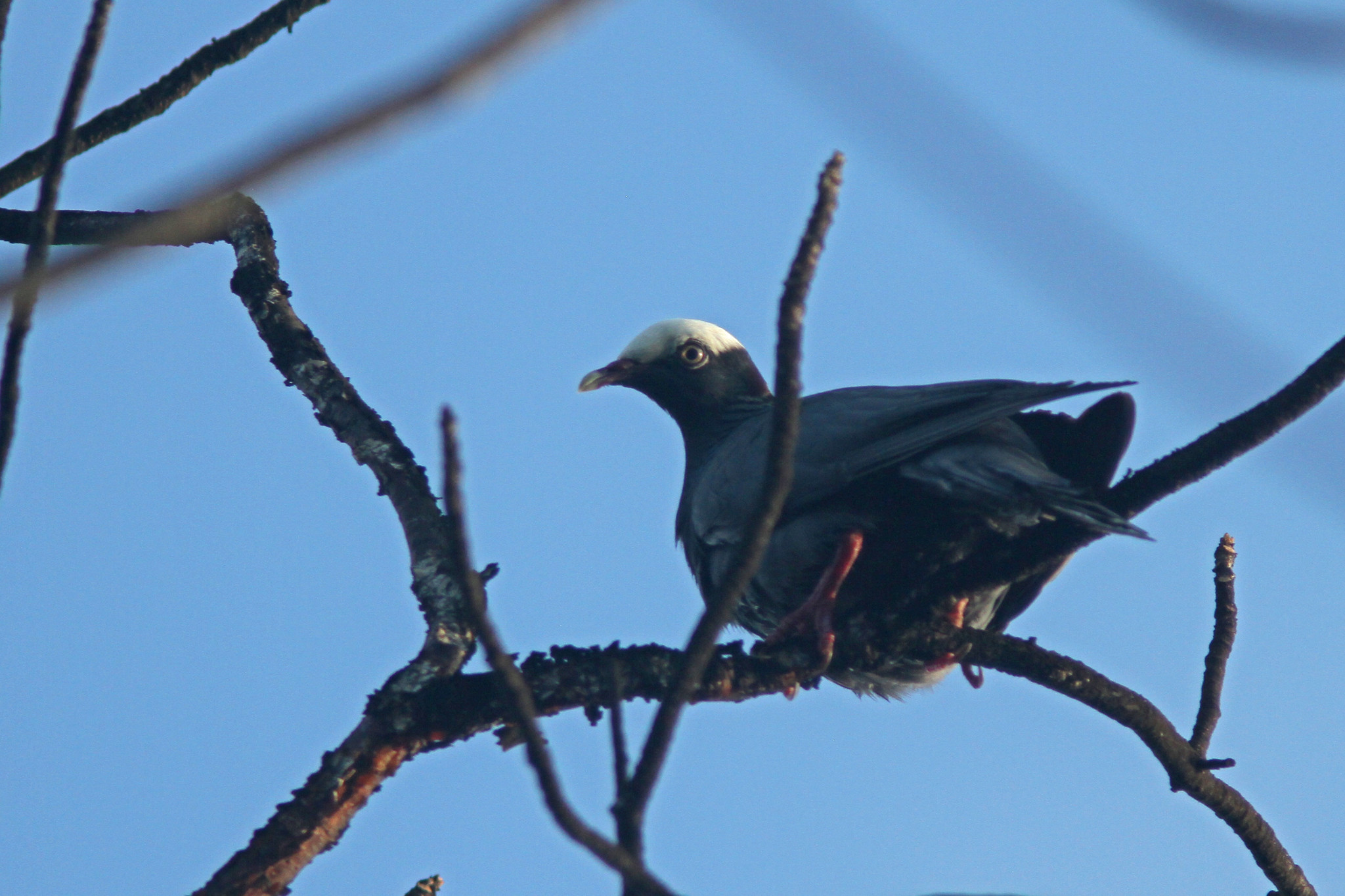
White crowned Pigeon, Mastic Trail, Grand Cayman, Mar 6, 2020
Tennessee Warbler, Mastic Trail, Grand Cayman, Mar 6, 2020
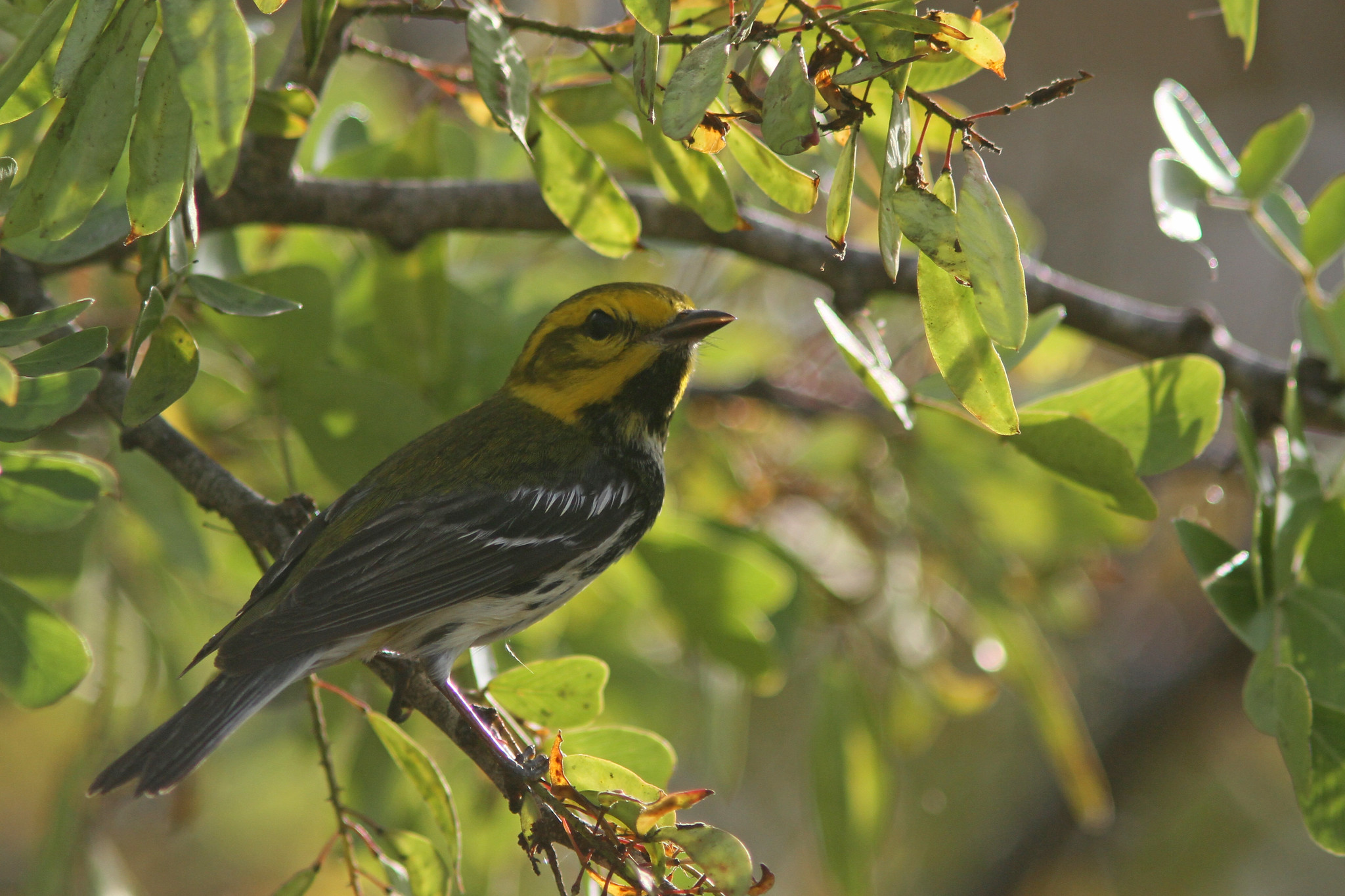
Black throated Green Warbler, Mastic Trail, Grand Cayman, Mar 6, 2020
Magnificent Frigatebird, Mastic Trail, Grand Cayman, Mar 6, 2020
Bananaquit, Old Man Bay, Grand Cayman, Mar 6, 2020
Yellow throated Warbler, Old Man Bay, Grand Cayman, Mar 6, 2020
The last full day of the trip found me yet again starting the morning off at the north entrance to the Mastic Trail where I arrived before dawn, lathered up with bug spray and walked the trail for about 3/4 of a mile before turning around. Among the birds seen was another new one for the trip with a Tennessee Warbler feeding in a tree along with Cape May Warblers, Bananaquits and Yellow faced Grassquits. I spent just under two hours there before heading south to hit the other end of the trail. I didn’t walk too far on this part of the Mastic Trail but I still found great birds including yet another rarity with the sighting of a Black throated Green Warbler plus at least three Tennessee Warblers and other more expected species. I ran across a few birders from the island once again and they were able to relocate the rare Nashville Warbler (and get great photos) up at the north end of the trail. I missed it again during my early morning visit but decided to head back up there to try my luck again. Unfortunately I didn’t have any more luck on my return trip. By this point it was getting quite hot as the day neared the halfway point. I made a few more quick stops including Malportas Pond and a small wetland in the area of Over The Edge where I added some waders and shorebirds. Midday I was back at the lodging and relaxed a bit during the heat of the day and enjoyed my last afternoon in the heat. It was a great morning of birding with lots of expected stuff plus a few rarities and a total of 19 species of warbler.
Nashville Warbler, Mastic Trail, Grand Cayman, Mar 7, 2020
I had a little time in the morning on Saturday before we had to make the trek back to the airport for our flights back to reality and the fear of corona virus.  I decided to try one more time to relocate the Nashville Warbler at the north end of the Mastic Trail. Unfortunately the morning started off quite breezy with some sprinkles but I decided to try nonetheless. Thankfully the clouds lifted somewhat a little after dawn so at least the threat of additional rain was gone. I walked down to the area I had the bird previously as well as a bit beyond it but no luck at all. I decided it was just too breezy so I headed back out. As I got to the trail head I noticed some birds flitting around some low brush in a freshly disturbed area and one of the birds was the Nashville Warbler. I finally got some documentation shots of the bird before I left. I also made some brief stops at Malportas Pond and along the coast but the wind was quite strong at both spots and activity was fairly low.

Overall for the trip I found a total of 101 species with eight of those being life birds. On Antigua and Barbuda I found a total of 56 species with 48 species on Antigua and 22 species on Barbuda with two life birds: Barbuda Warbler and Helmeted Guineafowl. Grand Cayman produced 80 species with six being life birds (West Indian Woodpecker, Cuban Parrot, Yucatan Vireo, Vitelline Warbler, Swainson’s Warbler and Cuban Bullfinch). I’m sure I could have added a bit to that total by visiting more wetlands and ponds but I focused on just a few spots close to our lodging instead of traveling a lot. With this additional my worldwide overall total now stands at 1578.  The trip added three new warbler species for me and much more detail regarding the warblers can be found at the following links:  Antigua and Barbuda warblers and Grand Cayman warblers.