Showing posts with label white cheeked pintail. Show all posts

Monday, March 9, 2020

Antigua and Barbuda trip -Feb 27-Mar 1, 2020

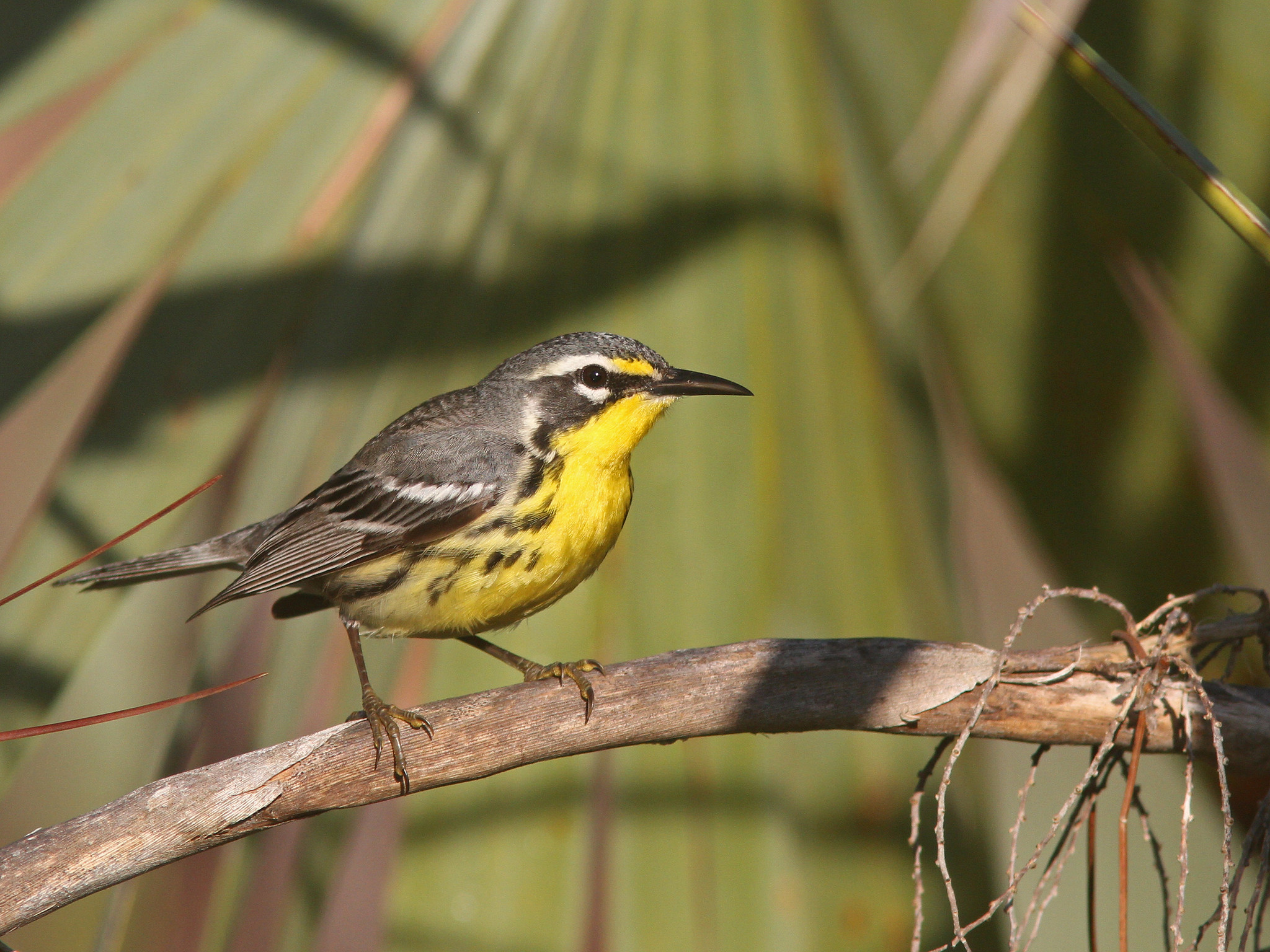
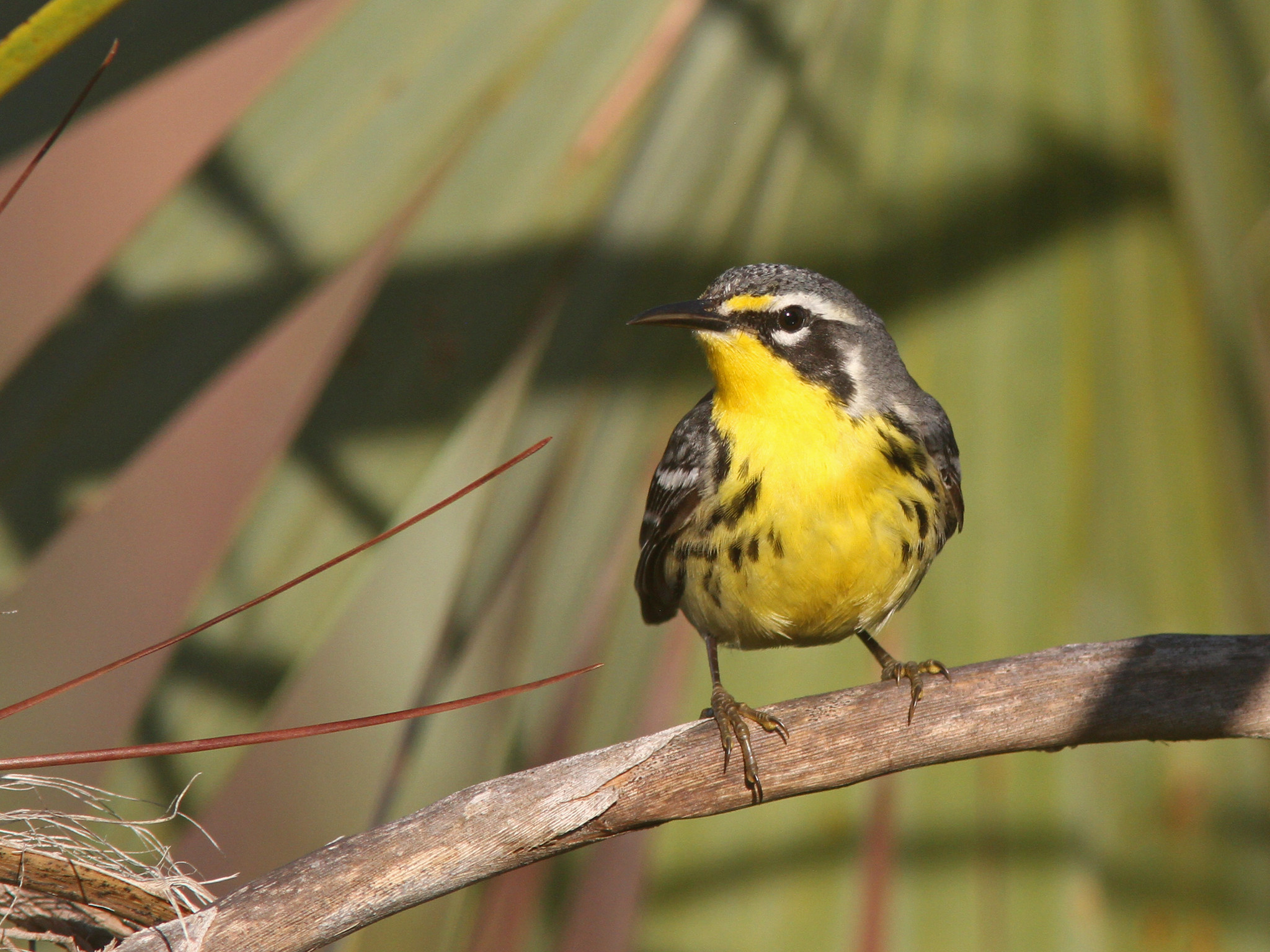
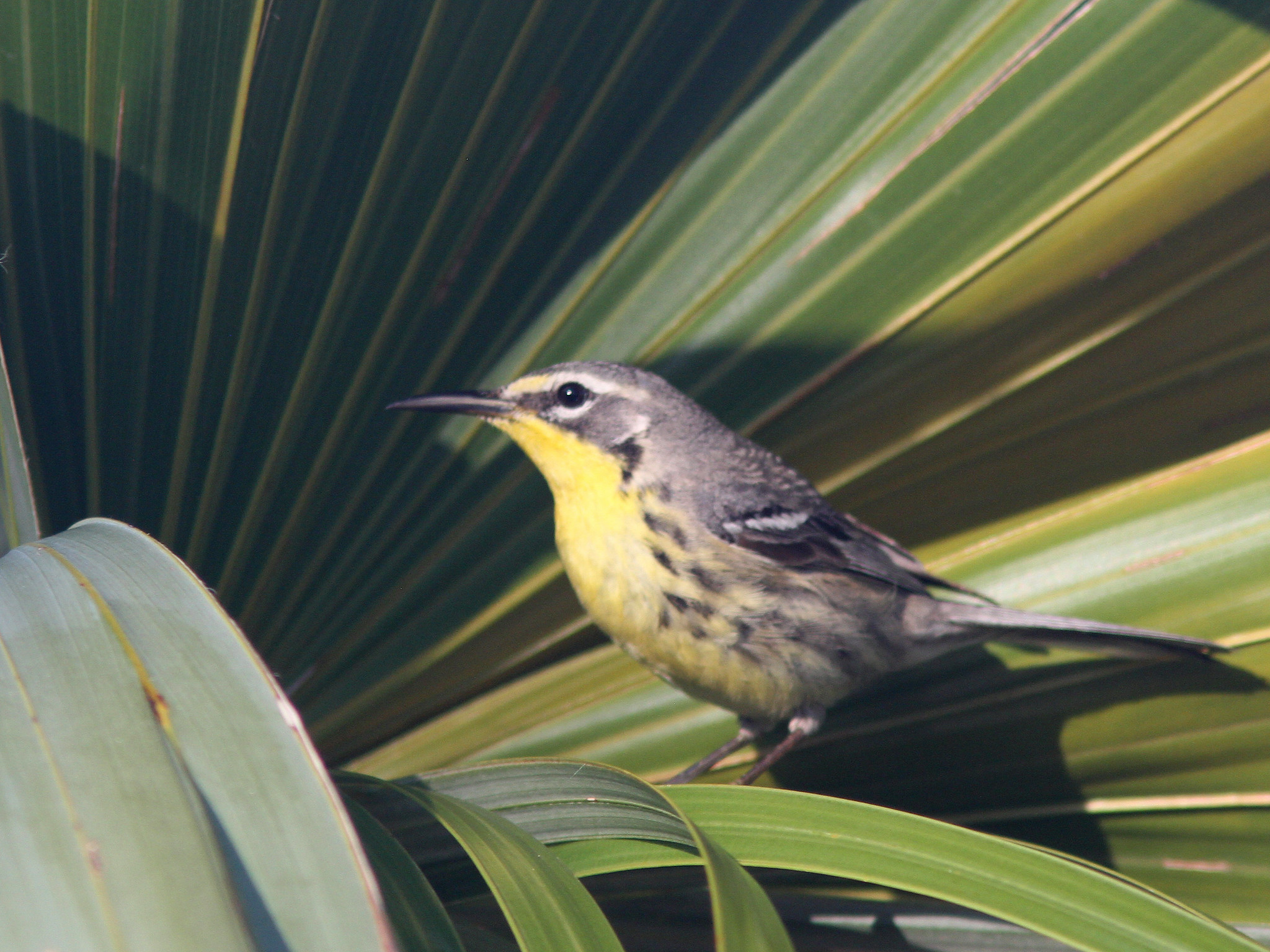
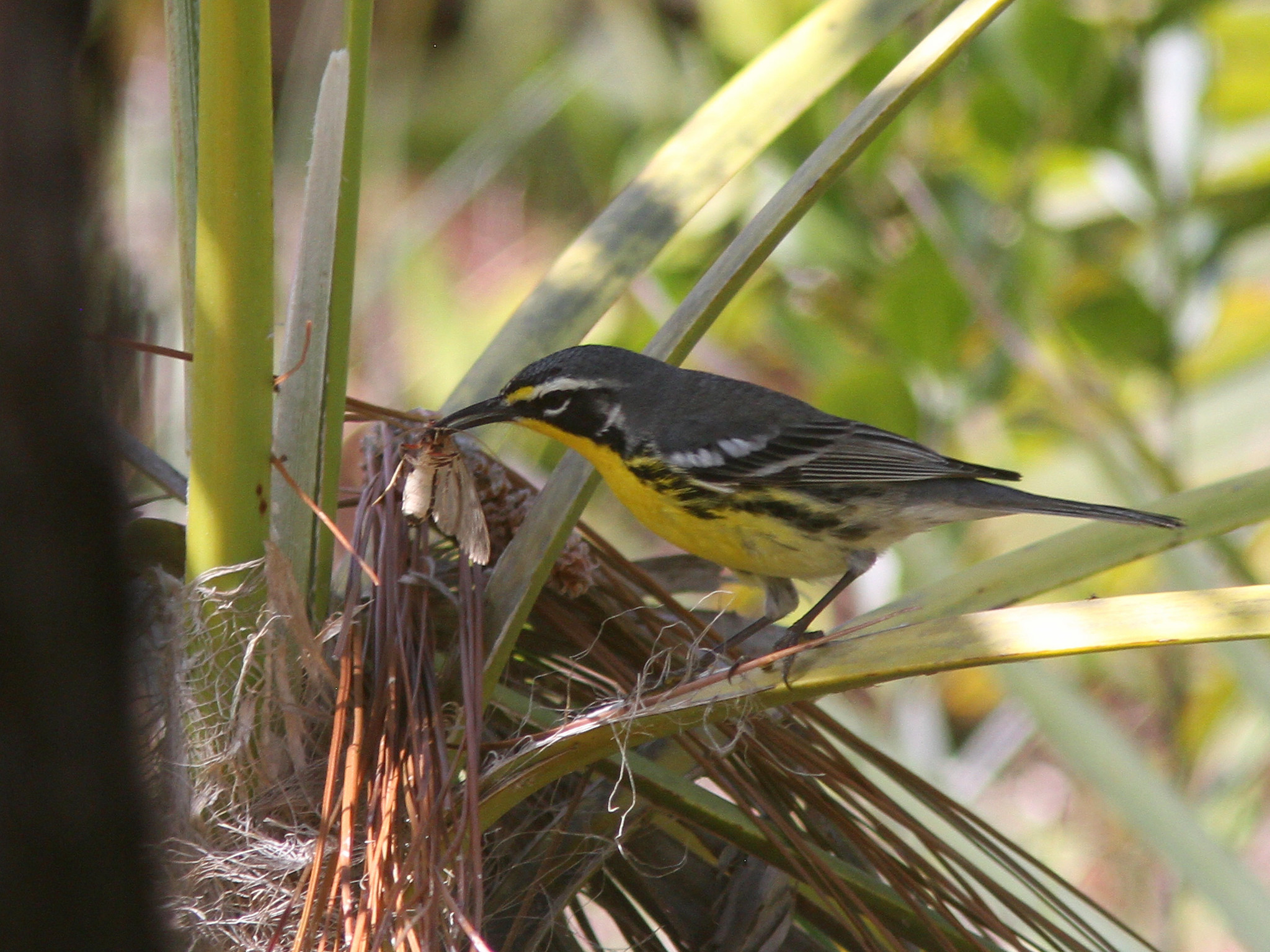
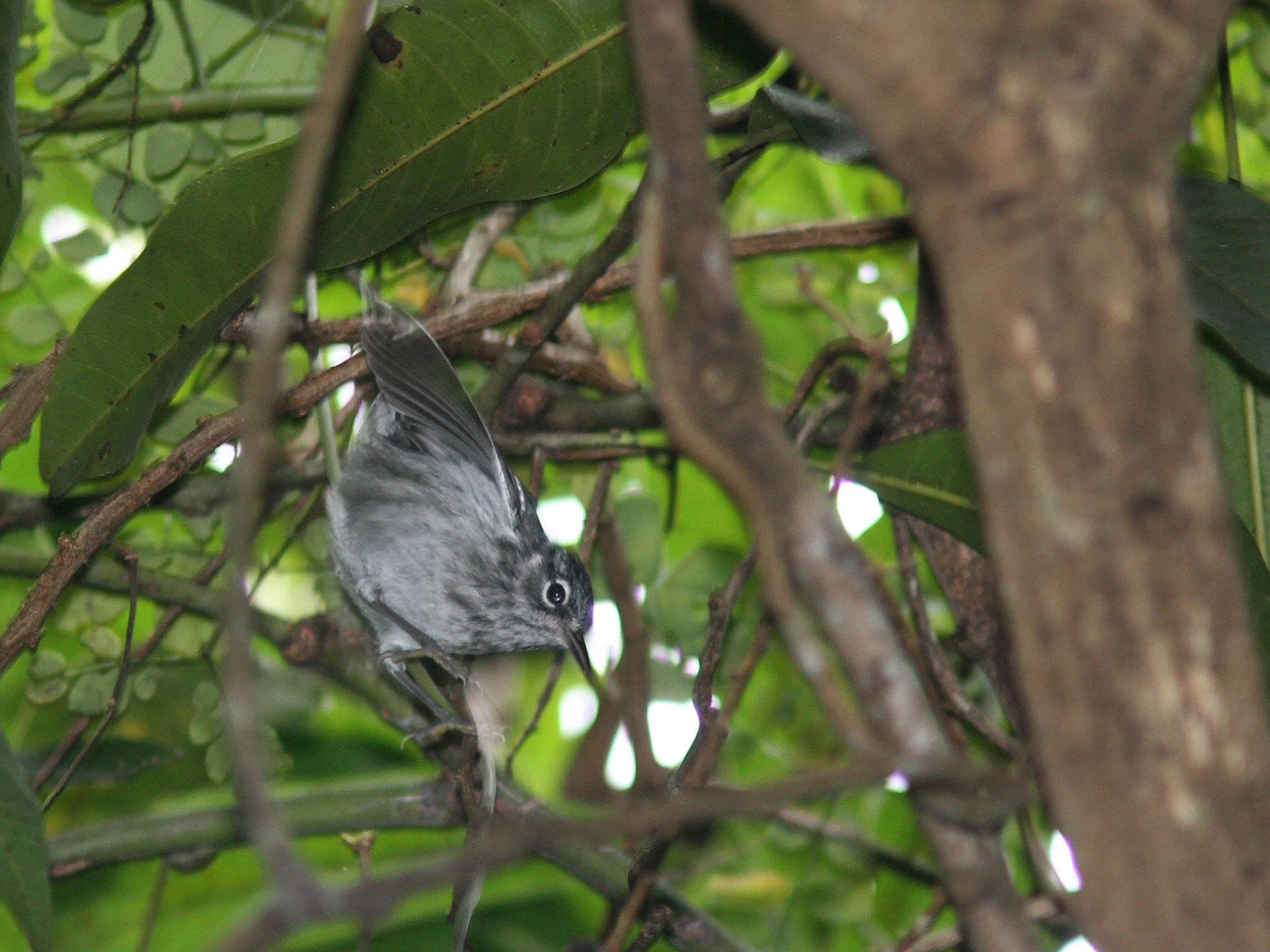
Barbuda Warbler, Coco Point Road, Barbuda, Feb 28, 2020
I just returned from a final trip down to warmer locales for this winter season. The trip began with a solo trip down to Antigua on Thursday the 27th with the main purpose of the trip to finally get over to Barbuda to track down the endemic Barbuda Warbler (more details on the warblers here). The small island was devastated by Hurricane Irma back in September 2017 (a Category 5 storm with 185 MPH winds) and there were fears that little if any of the birds made it though a record setting storm. Although we had stopped in Antigua on two previous cruises (March 2019 and December 2017) out of San Juan the day time cruise stops were never long enough to get over to Barbuda (a supposed 90 minute ferry ride away from Antigua...more on that later). There are three ways over to Barbuda from Antigua: a ferry trip, a small plane ride or a helicopter and I spent a lot of time trying to figure out the best mode of transport as they all have their positive and negative attributes. The helicopter flight was out as it is way too expensive and I decided against the flight as it involved possibly spending a night on Barbuda as the flights over and back don’t leave a lot of time to look around and weight restrictions would keep me from bringing all the items I would need for the trip. Of course that meant it would be a trip over on the ferry. I had left myself two full days on Antigua in order to have a back up day if the ferry got canceled by bad weather (something that apparently happens with some frequency). It was a great plan until the ferry schedule changed and no trips were planned to Barbuda for Saturday so it would have to be a Friday trip and I would have to keep my fingers crossed the trip didn’t get cancelled.
Barbuda Warbler, Coco Point Road, Barbuda, Feb 28, 2020
Bananaquit, Coco Point Road, Barbuda, Feb 28, 2020
Lesser Antillean Bullfinch, Coco Point Road, Barbuda, Feb 28, 2020
Cape May Warbler, Coco Point Road, Barbuda, Feb 28, 2020
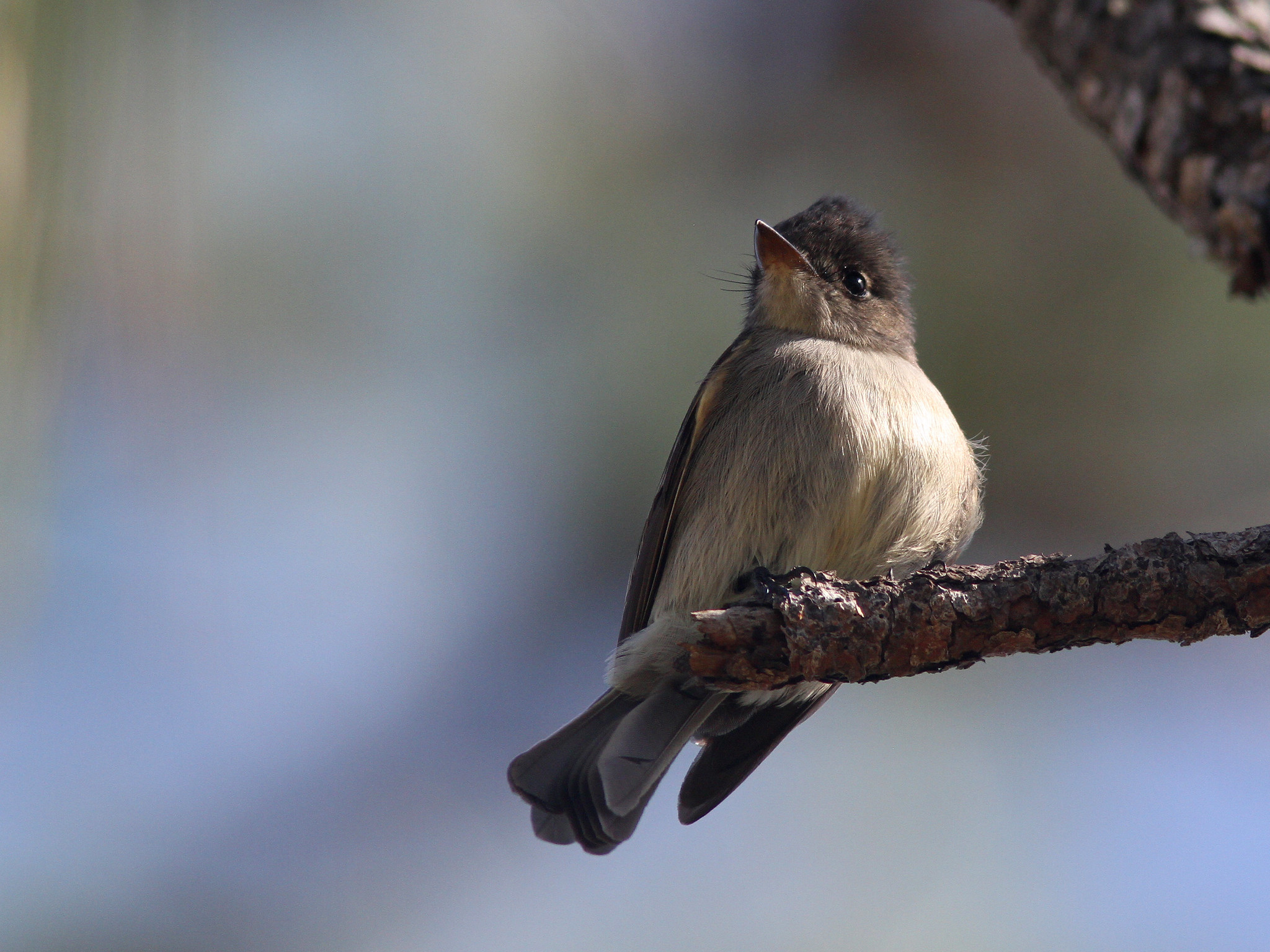
Lesser Antillean Flycatcher, Coco Point Road, Barbuda, Feb 28, 2020
Common Ground Dove and Zenaida Dove, Coco Point Road, Barbuda, Feb 28, 2020
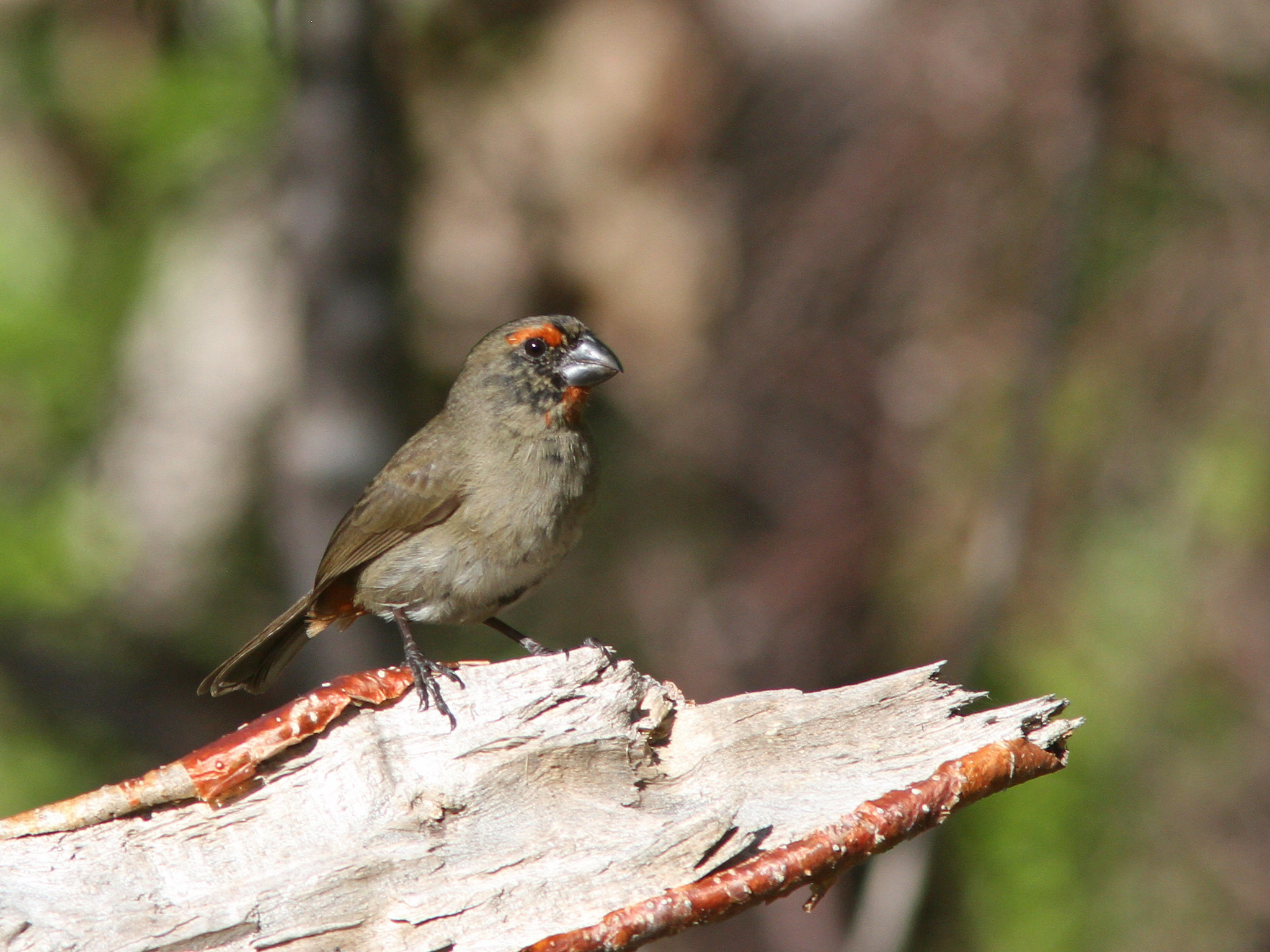
Black faced Grassquit, Coco Point Road, Barbuda, Feb 28, 2020
Mangrove Cuckoo, Coco Point Road, Barbuda, Feb 28, 2020
Helmeted Guineafowl, Coco Point Road, Barbuda, Feb 28, 2020
Looking back toward Antigua, Barbuda, Feb 28, 2020
Friday arrived and I got down to the ferry dock in St.Johns for 5:30am for a 6AM departure (or so I thought!). Despite multiple emails confirming the departure time the ferry was not actually leaving the port until 7AM....so much for the confirmation! The boat finally got going a little after 7 and then we took a turn away from the route to Barbuda to go to another pick up spot further south on Antigua (Jolly Harbor). After lots of waiting around there we finally got underway to Barbuda. We never arrived until 9:45 so the advertised 90 minute trip to Barbuda turned into a much longer ordeal...oh well, at least we eventually made it there. I immediately headed out to walk along Coco Point Road and River Road to Codrington (the only town on the island). After a very short time I started coming across a few Barbuda Warblers in the low scrub vegetation that dominates the island. It was great to see a decent numbers of warblers as well as many other species that made it through the hurricane from a few years ago. The most common species along the road were the Barbuda Warbler, Bananaquits and Black faced Grassquits. Among the more expected species I had two rare sightings with a male Cape May Warbler in a mixed flock as well as a Merlin that rocketed past chasing an American Kestrel (both flagged as rare in eBird with no previous records for the warbler and only one for the Merlin). The damage from the storm was still quite evident but the island was certainly slowly coming back to life. I walked almost all the way to town before turning back and heading back toward the ferry drop off. With a little remaining time I headed south of the ferry dock for almost a mile and added a new bird for the day with a couple of Helmeted Guineafowl from an established feral population that flushed as I was walking by. It was a very hot day with little in the way of shade but I made it through relatively unscathed with no hydration problems but got burned a bit in spots I didn’t put sunscreen on quite thick enough. The return trip also turned into a bit of fiasco with a slightly delayed departure around four and then the advertised 90 minute trip back to Antigua and another detour to Jolly Harbor before finally making it to St. John’s around 6:30pm. I would recommend to anyone thinking of taking the ferry over to Barbuda to leave and return out of Jolly Harbor instead of St John’s as you won’t have to leave as early and will get back quicker. I was totally beat when I got back and then could not find my previously arranged driver and after having no luck contacting him I decided to just make the half hour walk back to my lodging...bringing me up to over ten miles walked for the day with all my equipment and supplies.
White cheeked Pintail, McKinnon's Saltpond, Antigua, Feb 29, 2020
Gray Kingbird, McKinnon's Saltpond, Antigua, Feb 29, 2020
Bananaquit with nest material, McKinnon's Saltpond, Antigua, Feb 29, 2020
Cattle Egret, McKinnon's Saltpond, Antigua, Feb 29, 2020
Yellow crowned Night Heron, McKinnon's Saltpond, Antigua, Feb 29, 2020
West Indian Whistling Ducks, McKinnon's Saltpond, Antigua, Feb 29, 2020
Antillean Crested Hummingbird, McKinnon's Saltpond, Antigua, Feb 29, 2020
McKinnon's Saltpond, Antigua, Feb 29, 2020
Saturday would be a more relaxed and slow paced day compared to Friday with my day spent relatively local to my lodging along Fort Road (although I did walk several miles once again). I headed out before dawn to hit the nearby McKinnon's Saltpond (a great spot for waterfowl, waders and some shorebirds and a spot I had visited on one of my previous trips to Antigua). I walked about a mile and a half before turning around to retrace my steps as the day warmed up quickly. The salt ponds featured some good birds with numerous species of waterfowl including West Indian Whistling Ducks, White cheeked Pintails and a high count of Ruddy Ducks, four species of shorebirds, nine species of waders and loads of Bananaquits and Yellow Warblers. I headed back out late in the morning to walk out to Fort James. The middle of the day consisted of a few shorter walks and an occasional break from time to time as I tried to limit my time in the direct sun after getting a little burned the day before.
Yellow rumped Warbler 'myrtle', McKinnon's Saltpond, Antigua, Feb 29, 2020
As the day came to a close I headed back to McKinnon's Saltpond again and stayed there until sunset where I had yet another apparently rare sighting for the island when I heard a familiar chip note and found a group of three Yellow rumped Warblers along one of the hedges. I managed to get a recording as well as a few identifiable photos with my phone through binoculars (I left the big camera back at my lodging to give my back and shoulders a break). There are no eBird reports of the species for Antigua and just one record from Barbuda of a single individual back in December of 2006. I also found a few new species of shorebirds for the trip plus watched some of the evening flight of waders as they came into roost.
Cattle Egret, McKinnon's Saltpond, Antigua, Mar 1, 2020
White cheeked Pintail, McKinnon's Saltpond, Antigua, Mar 1, 2020
White crowned Pigeon, McKinnon's Saltpond, Antigua, Mar 1, 2020
Black faced Grassquit, McKinnon's Saltpond, Antigua, Mar 1, 2020
On Sunday morning I had some time available before I had to head to the airport late morning for my flight down to Grand Cayman via Miami to begin the second part of the trip. I once again walked over to the nearby McKinnon's Saltpond early in the morning, covering most of the areas I hit the previous day. Mostly the same species were around but I did add a new species for the trip with a Northern Waterthrush. I also had a higher count of waders as I got to the pond a little earlier and had more birds leaving their roost. I finished up around the pond before nine and headed back to get ready for the next portion of the vacation.

Species total for the trip to Antigua and Barbuda came to 56 species. Total for Antigua and Barbuda from this trip and two previous day stops during cruises now stands at 65.  Much more details on the warblers seen during this part of the trip can be found at the following link: Antigua and Barbuda warblers.


Saturday, February 18, 2017

Trip to Florida and Grand Bahama-Part 3: Grand Bahama Feb 9-11


Bahama Warbler, Pine lands east, Grand Bahama, Feb 9, 2017
Bahama Warbler, Owl Hole Rd, Grand Bahama, Feb 9, 2017
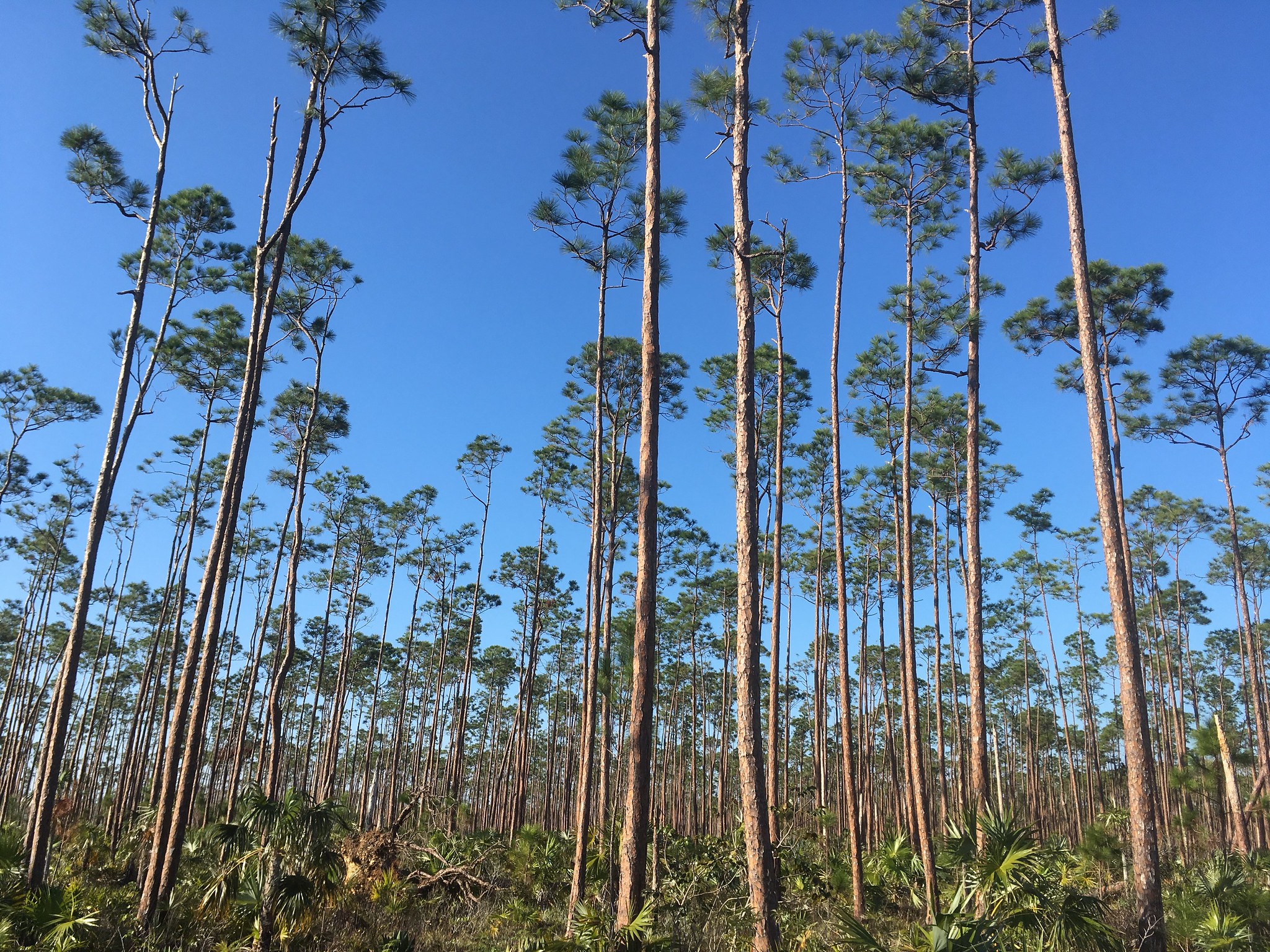
Caribbean Pine lands, Grand Bahama, Feb 9, 2017
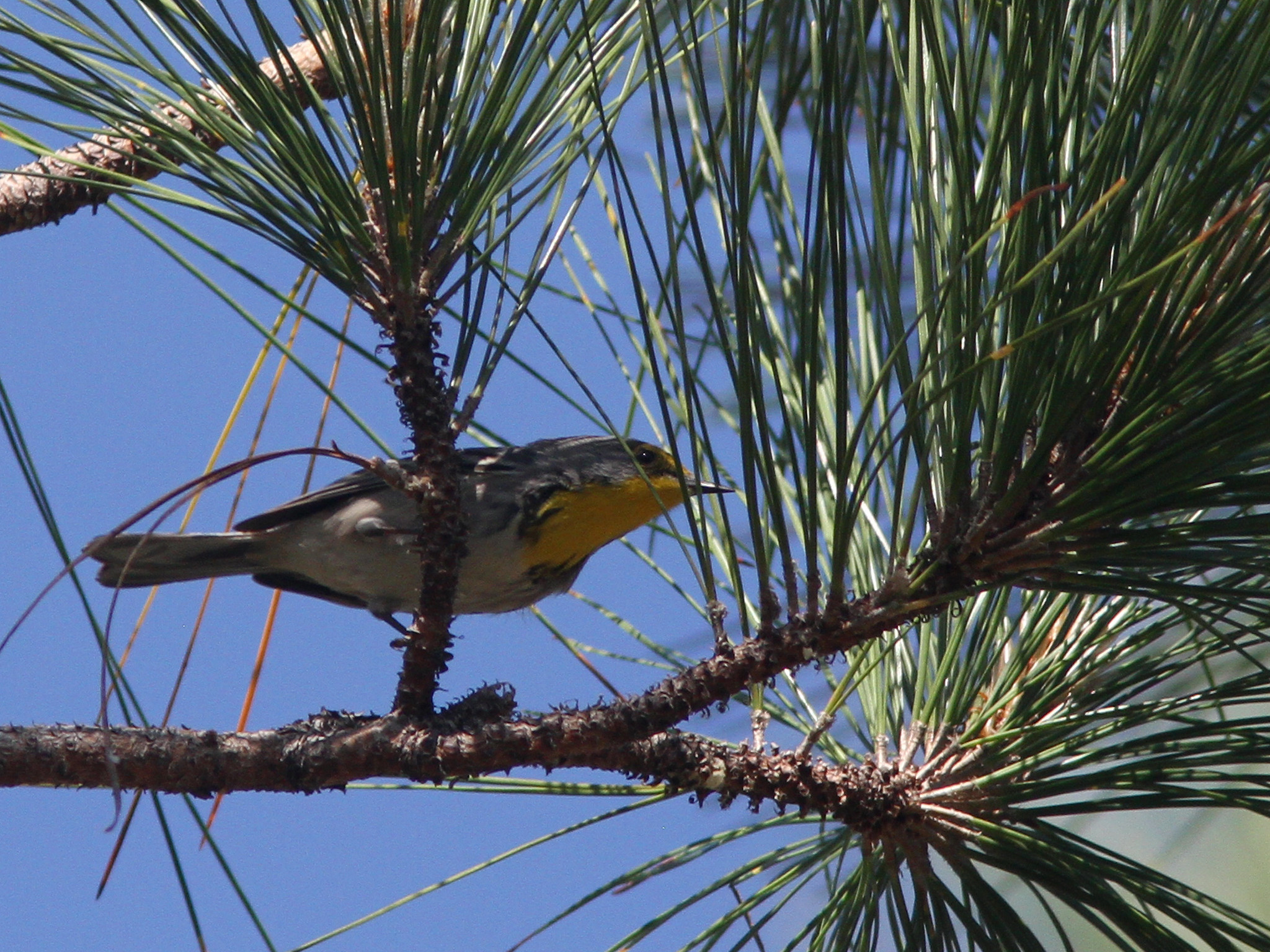
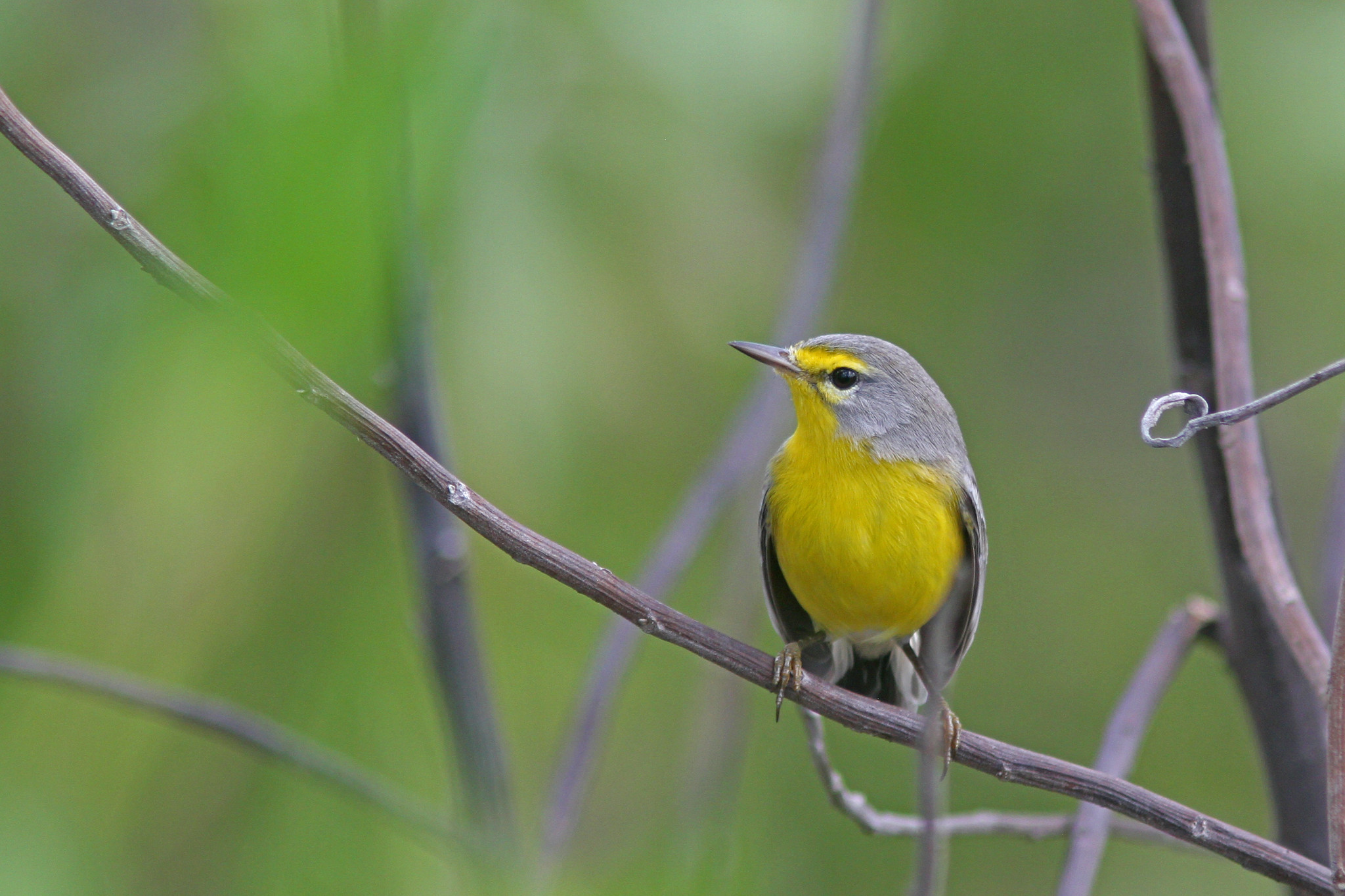
Olive capped Warbler, Owl Hole Rd, Grand Bahama, Feb 9, 2017
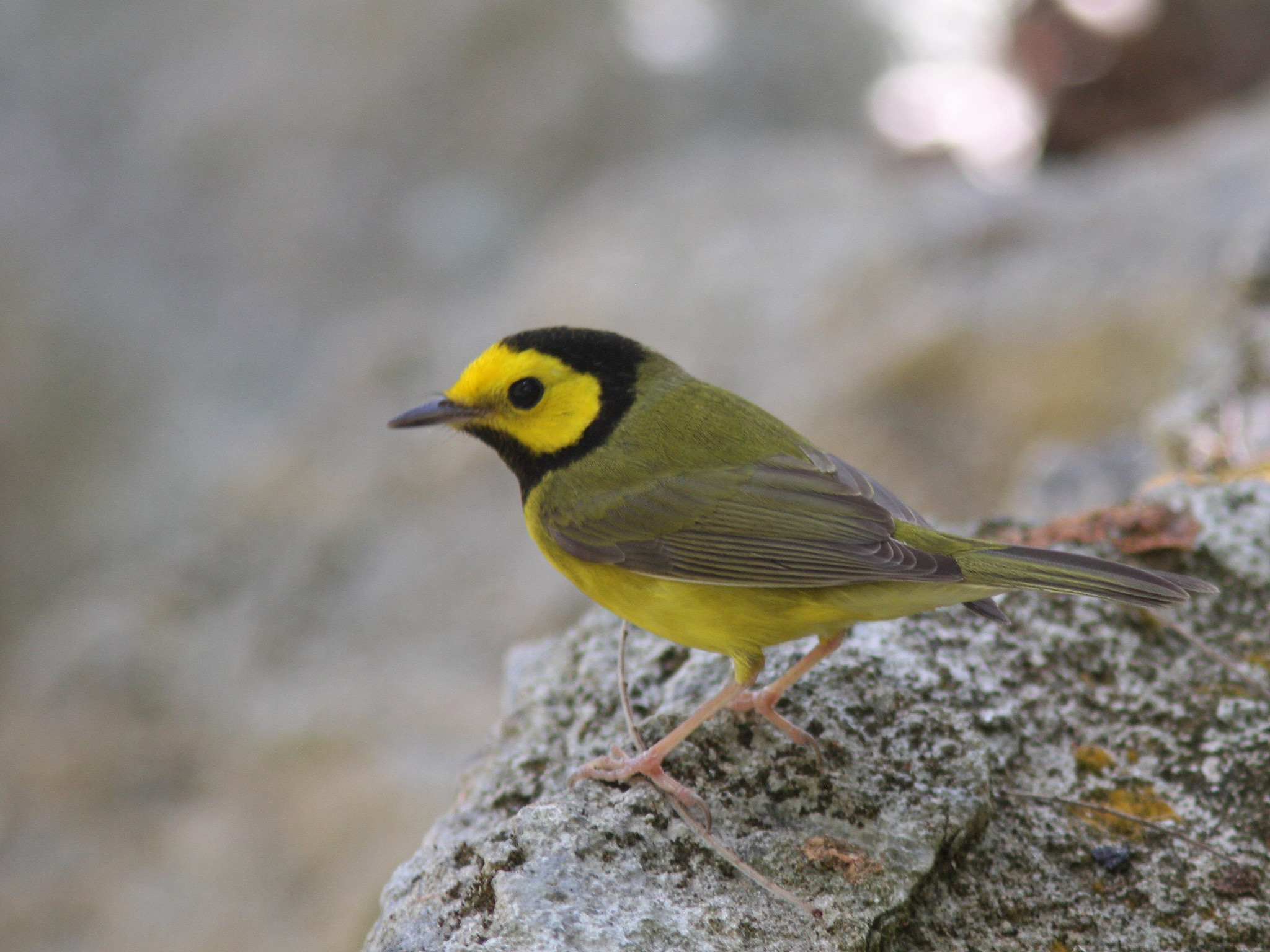
Hooded Warbler, Garden of the Groves, Grand Bahama, Feb 9, 2017
I decided to make a slight change from my original plans of hiring a guide for a second day and instead rented a jeep for a couple of days to explore some areas on my own. With Sherri doing some other activities on Thursday I had the entire morning into the afternoon free to explore the pine lands east of Freetown in search of the two endemic warblers I missed the day before. As mentioned before these two species (Bahama Warbler and Bahama Yellowthroat) have apparently become very tough to find following Hurricane Matthew that hit the island last October but I was determined to track them down. I headed out just before sunrise to start looking east of Lucayan NP and after one minor missed turn I was on my way (the toughest part was driving on the left...a throwback to the English roots of the Bahamas). The area past the national park was somewhat quiet and there were not any good spots to penetrate into the pines so I decided to head back to a series of old logging roads which had some sightings of both of my target species before the hurricane. I started on a road north of Owl's Hole Road and one of the first birds I noticed was a Bahama Warbler (#1260) crawling its way up the side of a pine much like a nuthatch. I was really not expecting it to be so easy to find the bird after a lot of looking yesterday but luck was with me I guess. The area to the north of the main highway would eventually produce at least four individuals of this species plus I added two more individuals later on in the morning along Owl's Hole Road. Glad to see several individuals made it through the storm and continue to occupy the area. I ran across lots of other expected species but I had no luck finding a Bahama Yellowthroat north of the highway. I then decided to try my luck south of the highway in an area we spent some time in yesterday along Owl's Hole Rd. This proved to be a great decision as I ran across a Bahama Yellowthroat about a half mile down the road. I was pishing and had a yellowthroat scolding from the deep undergrowth but I was fully expecting to find another Common Yellowthroat. I tried a little playback and the bird immediately popped up giving me brief but decent looks at a female Bahama Yellowthroat (#1261) that promptly dove back down and would not show itself again so no luck getting a photo. At this point it was midday and after all morning out in the hot sun I was ready for a break so I headed back to Garden of the Grove to try my luck there and although I didn't find anything new I got much better looks at a Hooded Warbler there compared to yesterday.
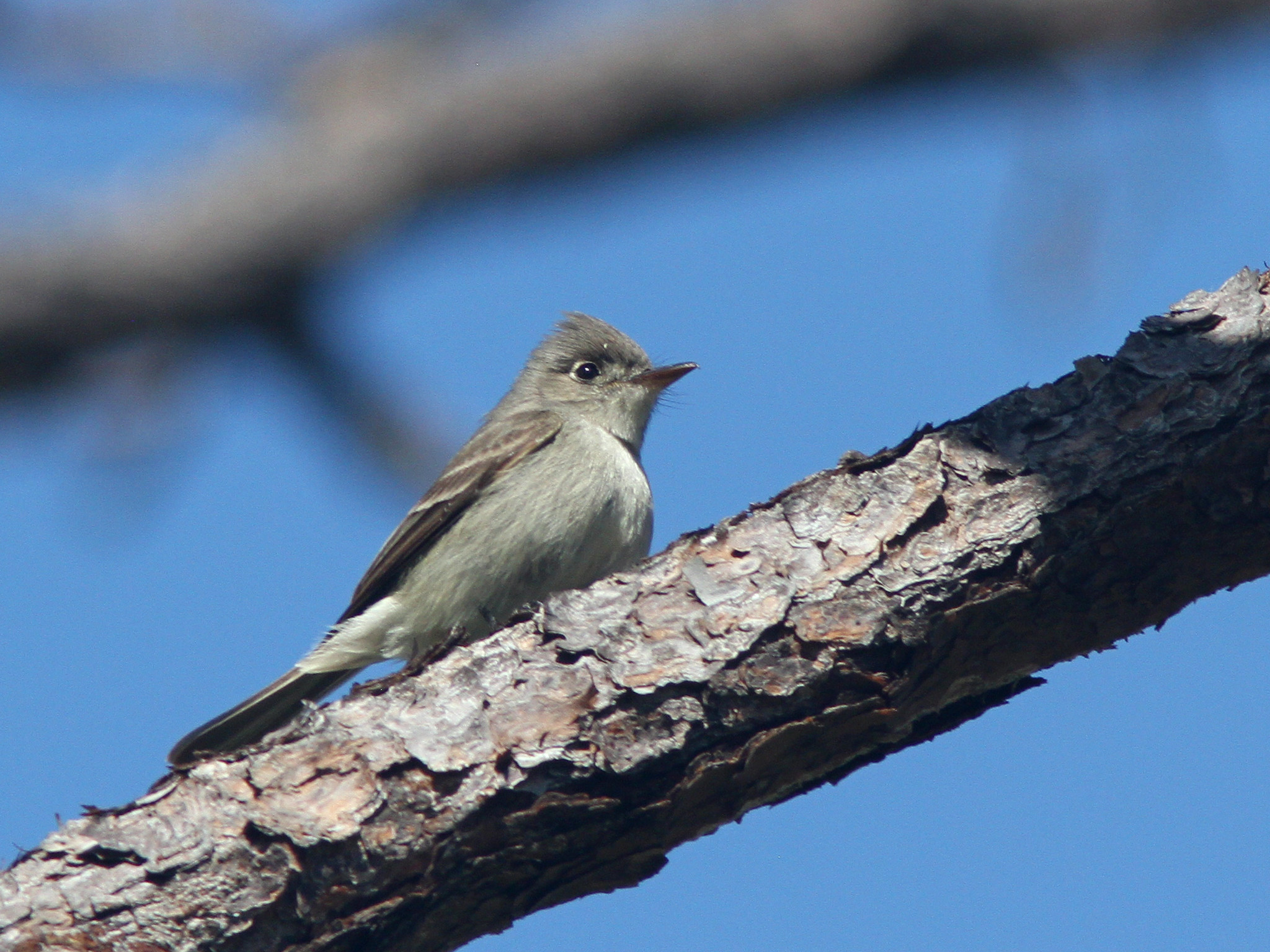
Cuban Pewee, Owl Hole Rd, Grand Bahama, Feb 10, 2017
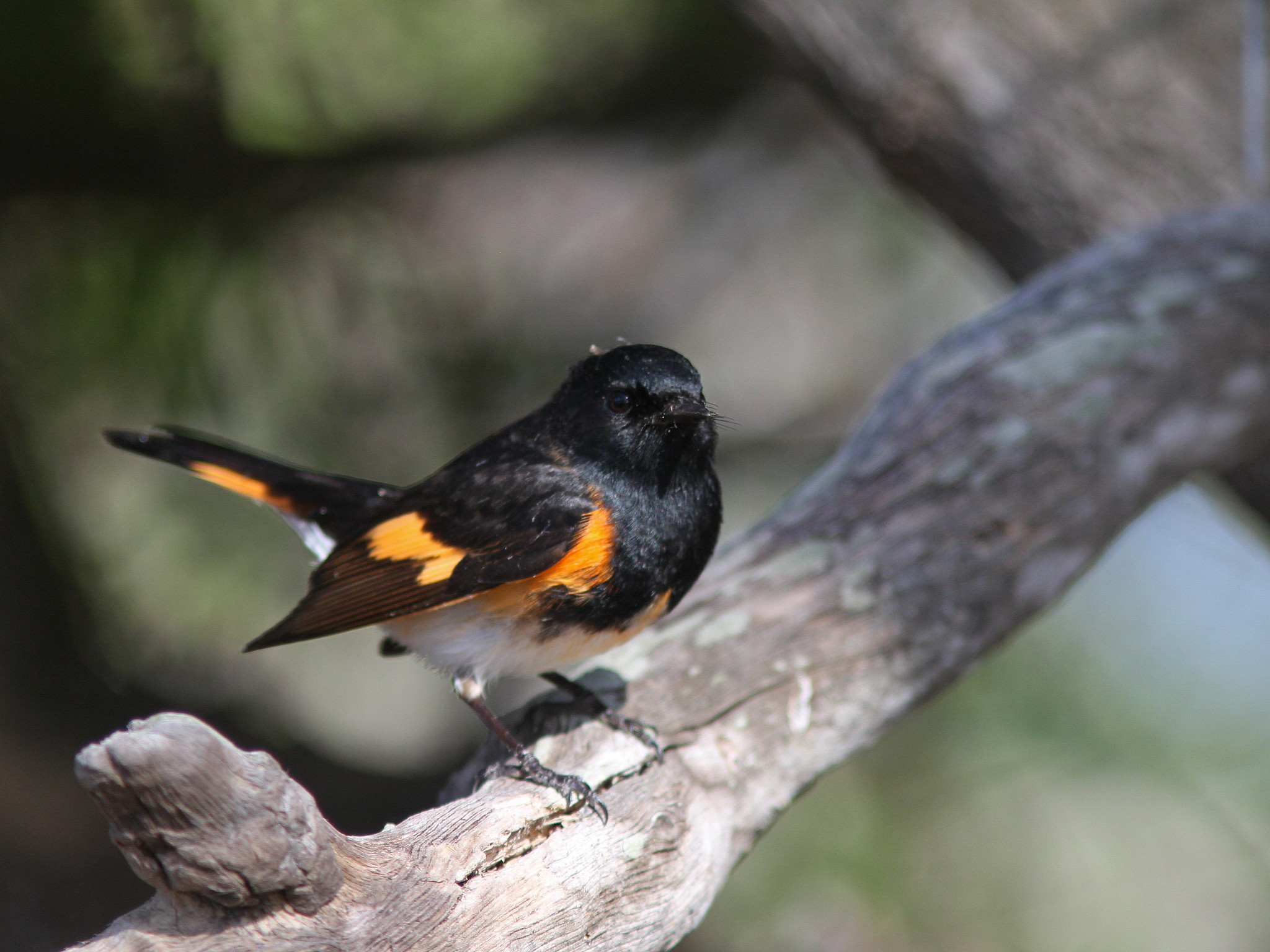
American Redstart, Lucaya NP, Grand Bahama, Feb 10, 2017
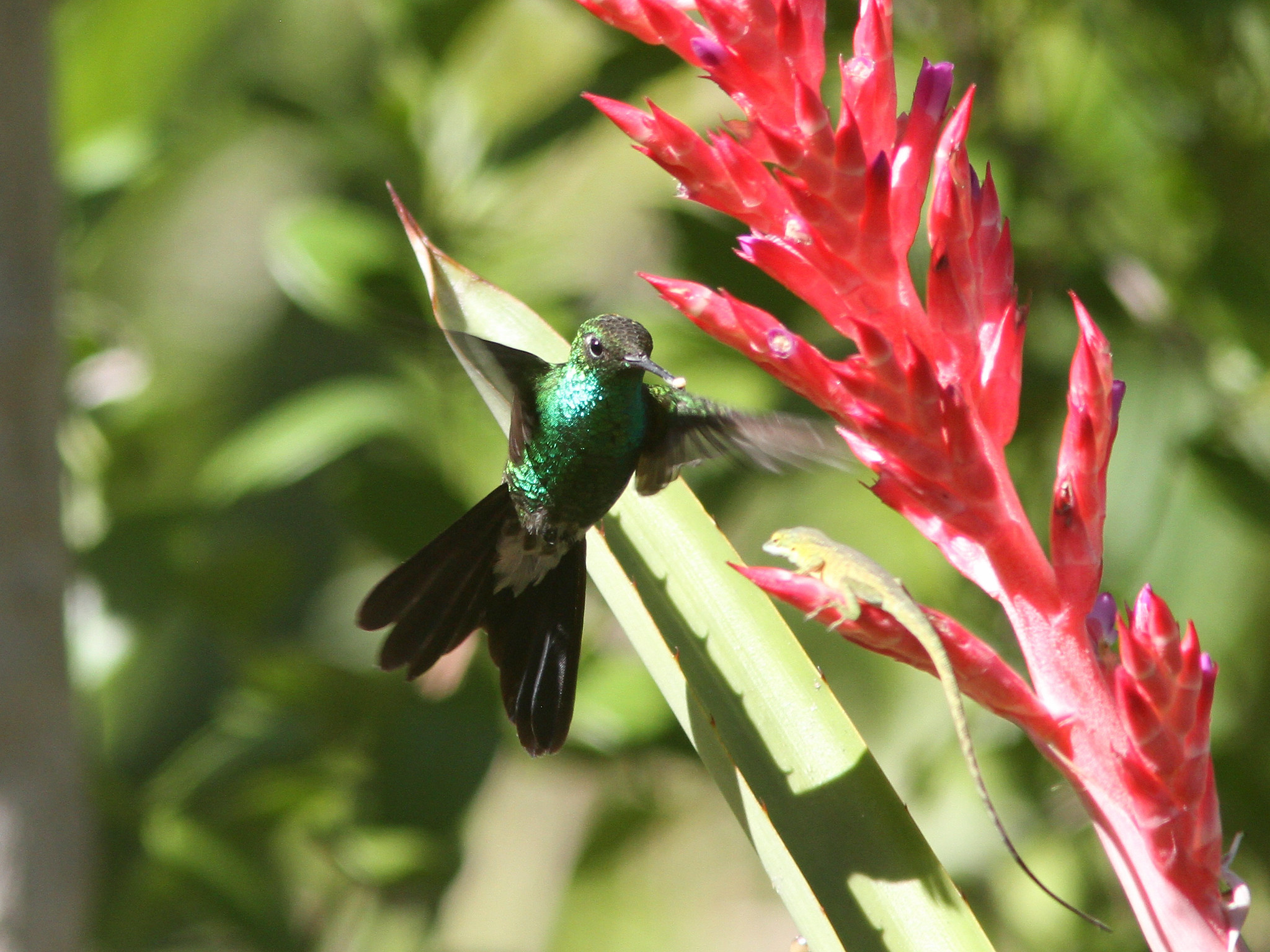
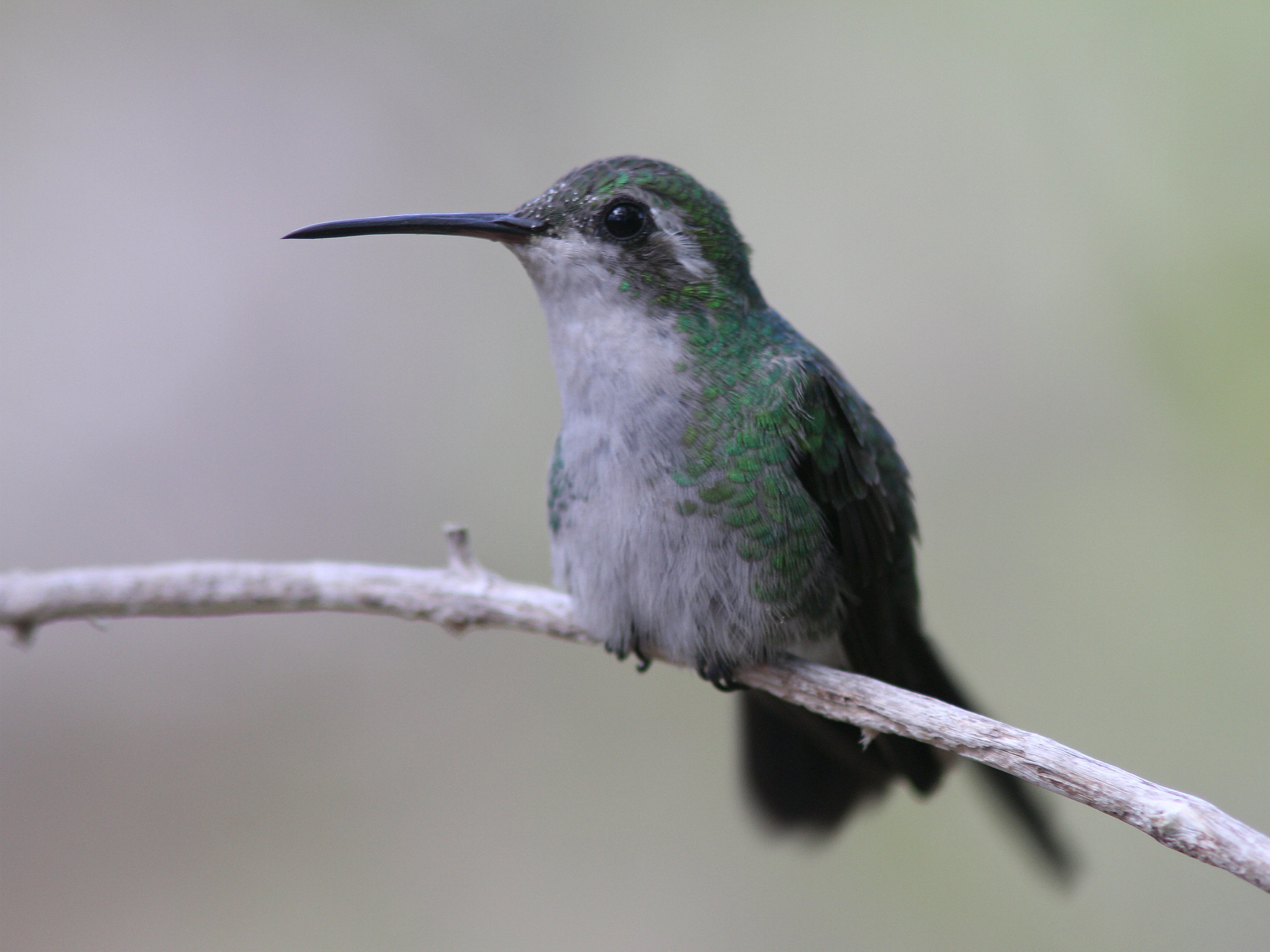
Cuban Emerald, Garden of Grand Bahama B&B, Grand Bahama, Feb 10, 2017
Smooth billed Ani, Reef Golf Course, Grand Bahama, Feb 10, 2017
Our last full day on Grand Bahama dawned much cooler than previous days with temps in the low 60's but the sun quickly warmed us up into the 70's. We took the jeep out to Lucayna NP to walk on some of the trails there before the crowds appeared. Nothing unusual there and we missed on relocating the Barn Owls in their nest hole. The tide was also high when we got there so no luck with marsh birds working through the mangroves. The winds was picking up on our way out there and it they would continue throughout the day which made finding birds a bit tough. Our next stop was over to Owl's Hole Road where we walked for about an hour down through the pine lands and managed to turn up a new species when I found a pair of Cuban Pewees (#1262). No luck finding a Bahama Yellowthroat there despite a lot of effort. Our last stop for the morning was a lunch break and a walk around the trails at Garden of the Groves, which was fairly quiet but still featured some good birds. We then headed back to our lodging to enjoy the remainder of the day. I made a couple of short stops over to the nearby Reef Country Club which added some waterfowl and waders to my Bahama list.
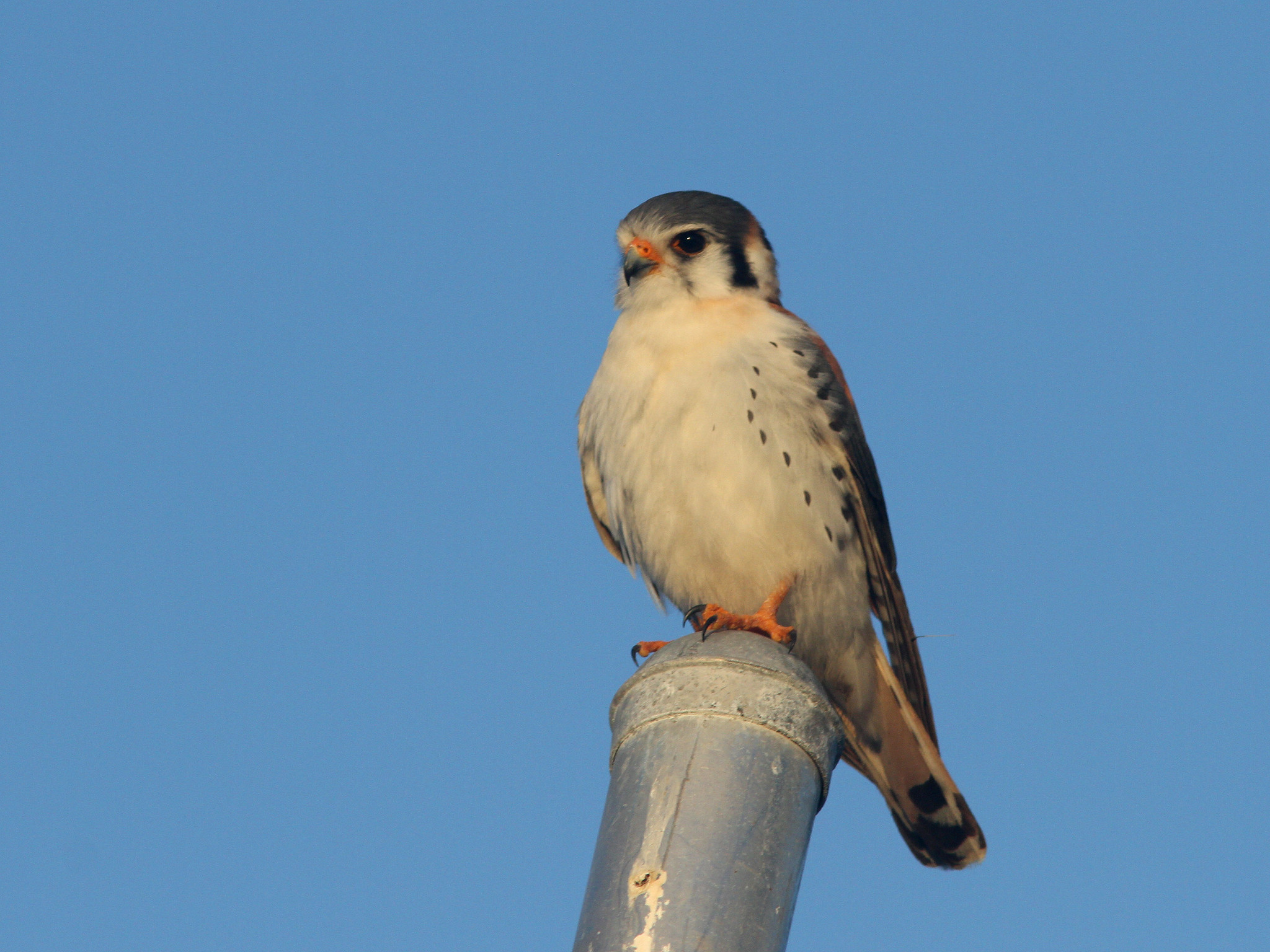
American Kestrel (Bahama race), Reef Golf Course, Grand Bahama, Feb 11, 2017
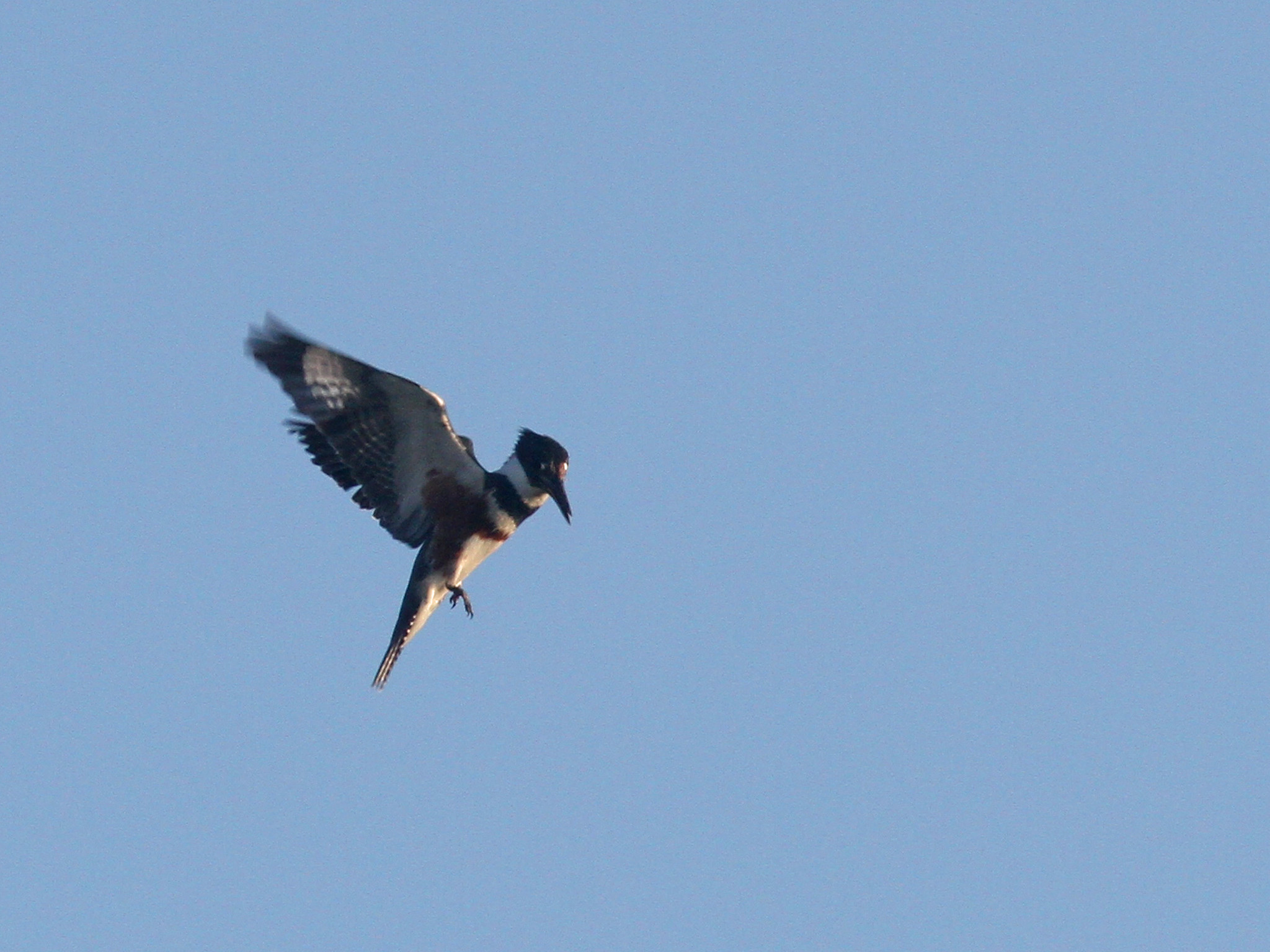
Belted Kingfisher, Reef Golf Course, Grand Bahama, Feb 11, 2017
Greater Antillean Bullfinch, Garden of Grand Bahama B&B, Grand Bahama, Feb 11, 2017
White cheeked Pintail, Emerald Golf Course, Grand Bahama, Feb 11, 2017
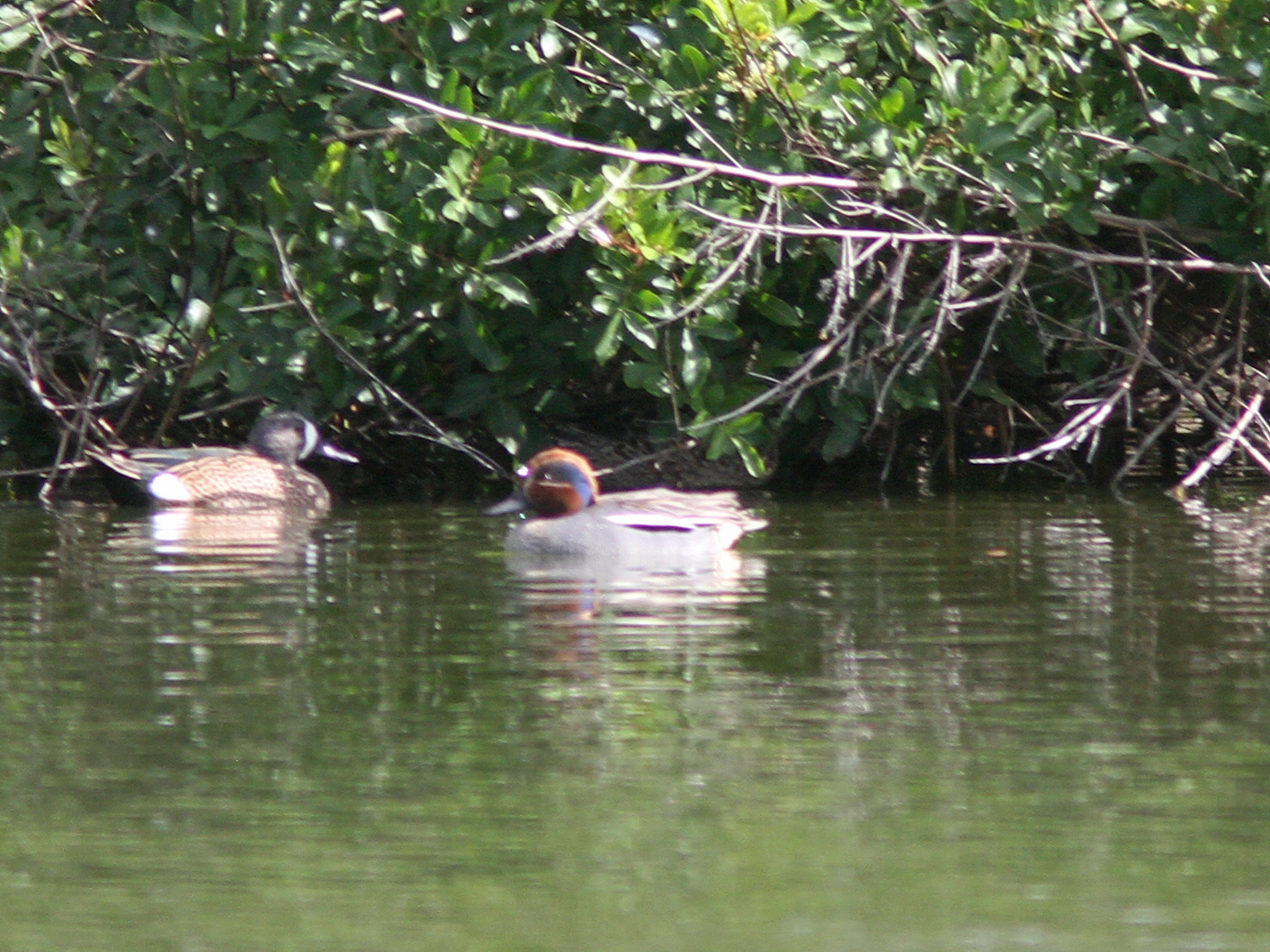
Eurasian Green winged Teal (Common Teal), Emerald Golf Course, Grand Bahama, Feb 11, 2017
Cuban Emerald, Garden of Grand Bahama B&B, Grand Bahama, Feb 11, 2017

Our last day in the Bahamas was spent relatively locally and I started the day just before dawn at the Reef Country Club checking the various ponds and edge before the golfers showed up for the day. Nothing too unusual but got some good looks at some birds as well as a few photos. After about an hour and a half at the country club I headed back to our lodging and the gardens right outside our back door. On my second lap around the small garden I had brief looks at a Bahama Woodstar being chased by a Cuban Emerald and this added a final life bird for the trip (#1263). Yesterday our host (and guide) asked if I wanted to go with her to a couple of other nearby golf courses to try to get some other new birds and I figured, why not? We headed out late morning to the Emerald Golf Course where we found a number of new species on the pond there including White cheeked Pintails, Green winged Teal and Black necked Stilts.  Upon closer examination of the teal it turned out to be a Eurasian subspecies of the Green winged Teal (also known as Common Teal) and may be a first record of this subspecies (likely a full species) on Grand Bahama.  The golf course has been closed since a couple of severe hurricanes back in 2003/2004 and the area has become overgrown providing some great bird habitat. We walked along some paths through the dense vegetation and had a very intriguing yellowthroat that may have been a Bahama Yellowthroat but we never got good enough looks to be sure. Although it was getting near noon and I was looking forward to lunch we decided to make one more stop over to the nearby Ruby Golf Course in the hopes of finding some waders but the pond there was quiet so no luck finding anything new. The rest of the early afternoon I spent more time exploring the gardens at our lodging as well as packing for the trip home. We made it to the port to await the ferry and while there got a message that our flight was already cancelled for Sunday due to another big snow storm back home.

Thursday, December 8, 2016

Puerto Rico trip- December 1-5


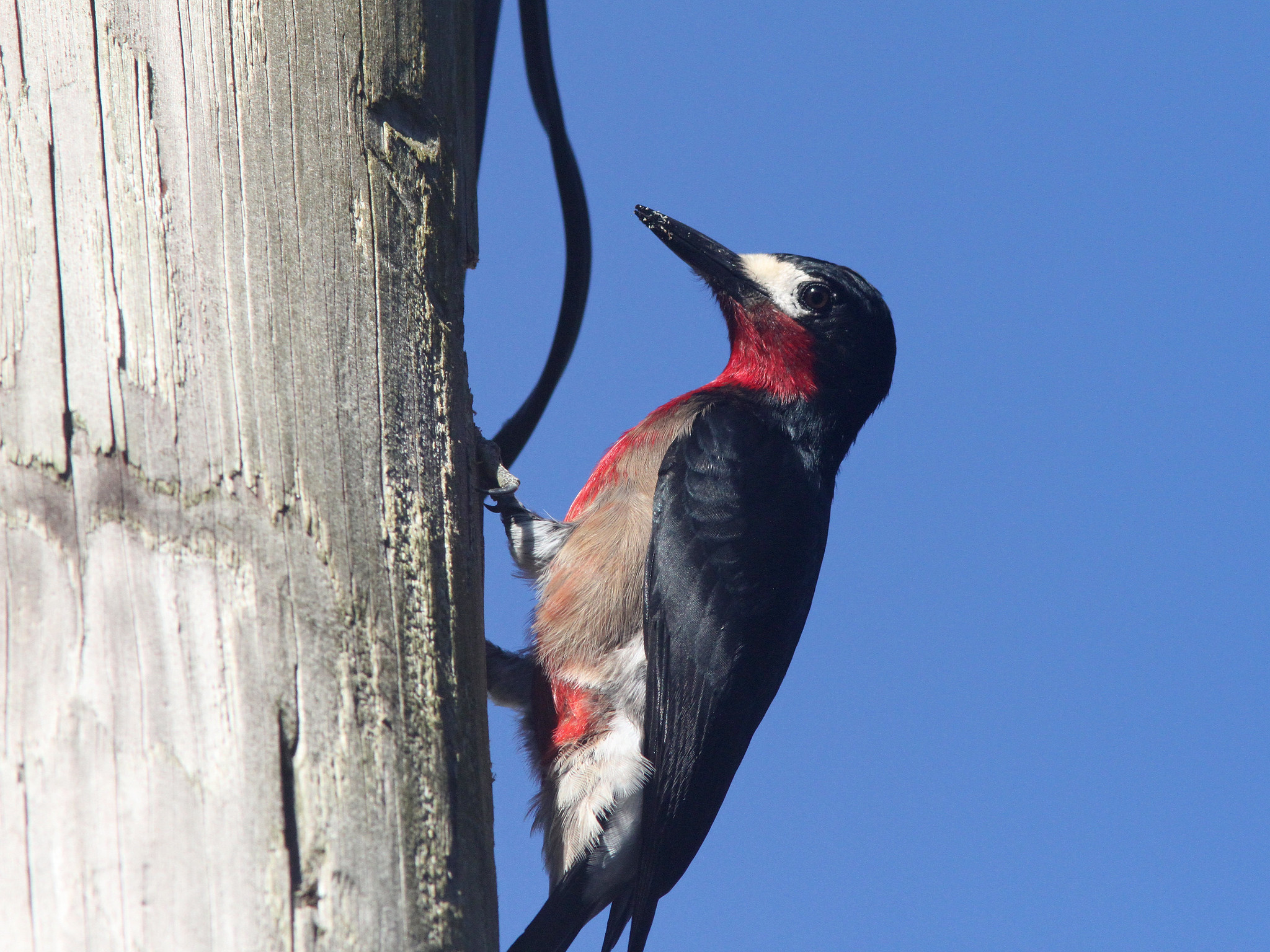
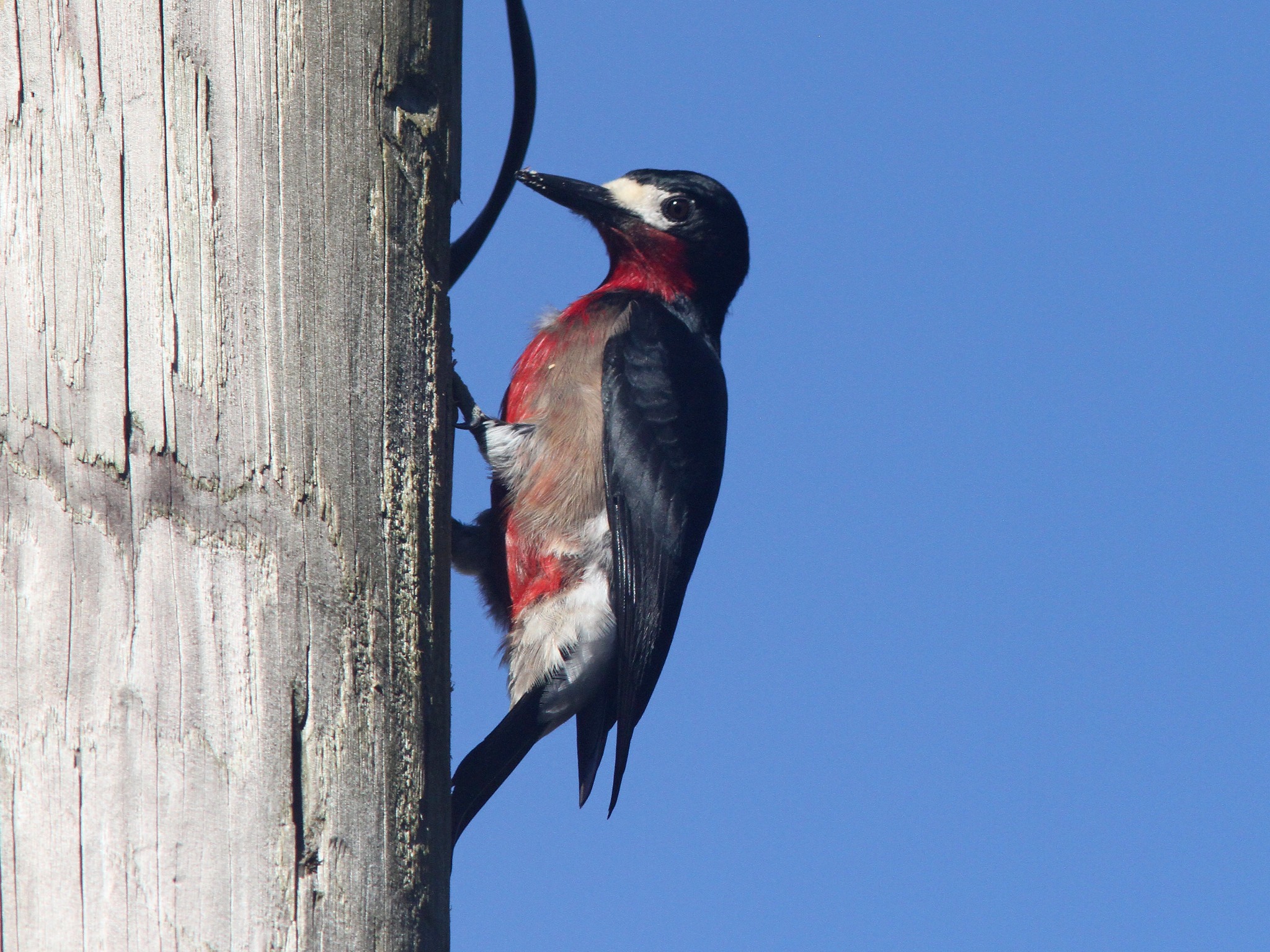
Puerto Rican Woodpecker, Bosque Estatal de Maricao, Puerto Rico, Dec 4, 2016
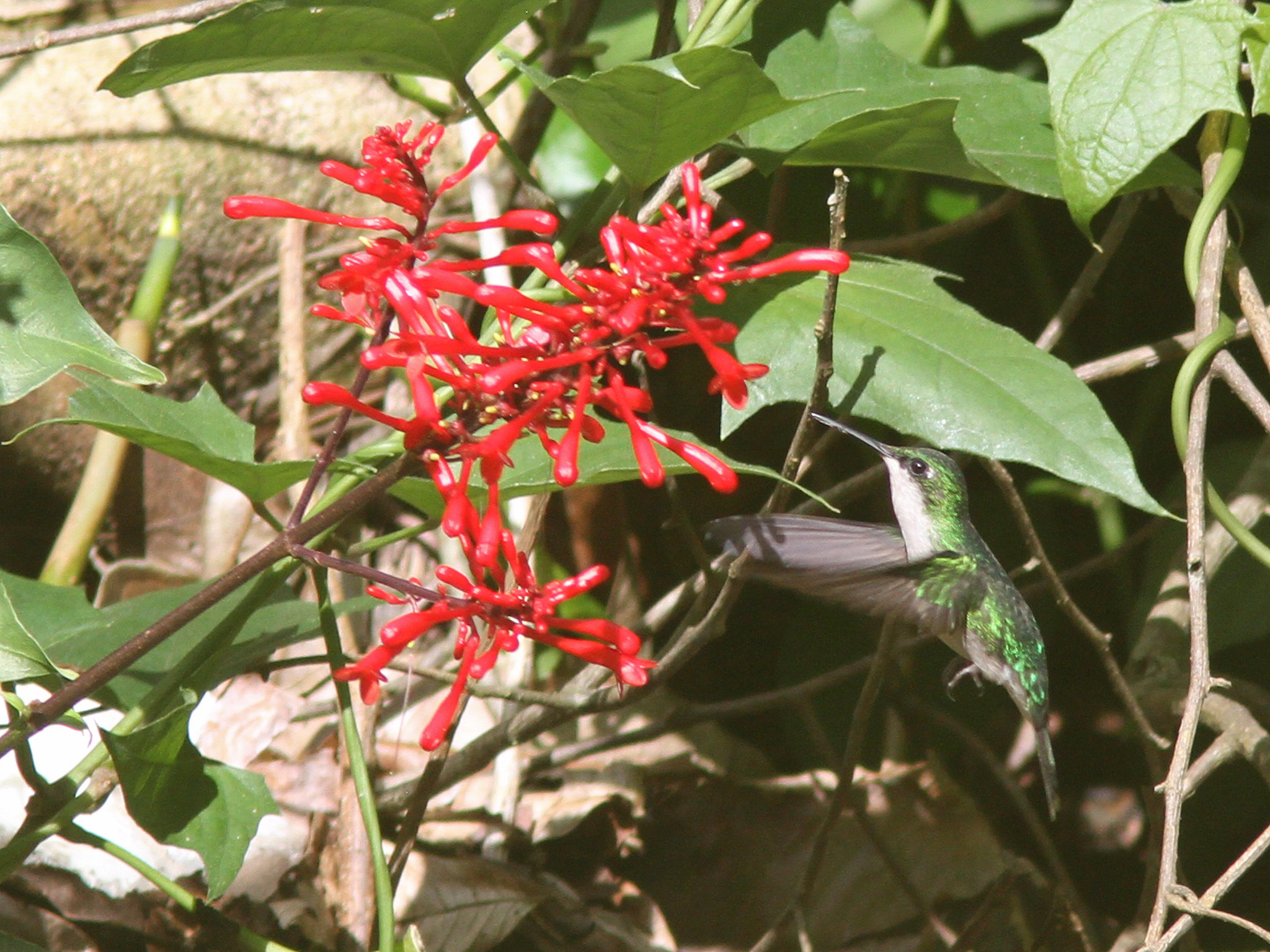
I just returned from a brief trip down to Puerto Rico on Monday after five days there. The island contains 17 endemic species and I found all of them (I have marked the endemic species with an 'E'). I arrived midday into San Juan on December 1st and then drove over to the Fajardo area with a brief stop along the way to El Yunque National Forest. Although it was late in the day and I only covered a couple areas briefly I still managed to add six life birds including Greater Antillean Grackle, Red legged Thrush, Puerto Rican Emerald (E), Puerto Rican Woodpecker (E), Puerto Rican Bullfinch (E) and Black whiskered Vireo.
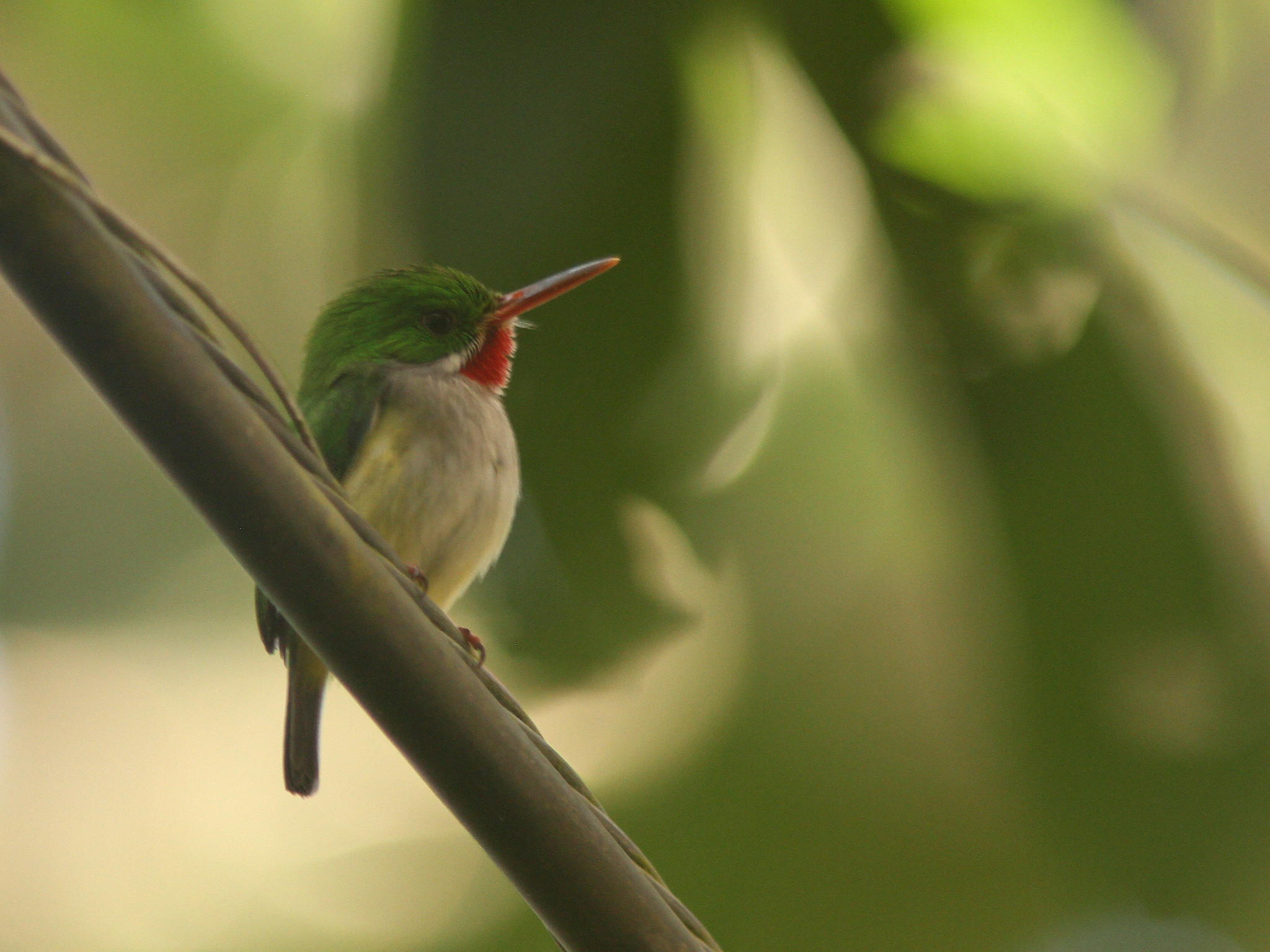
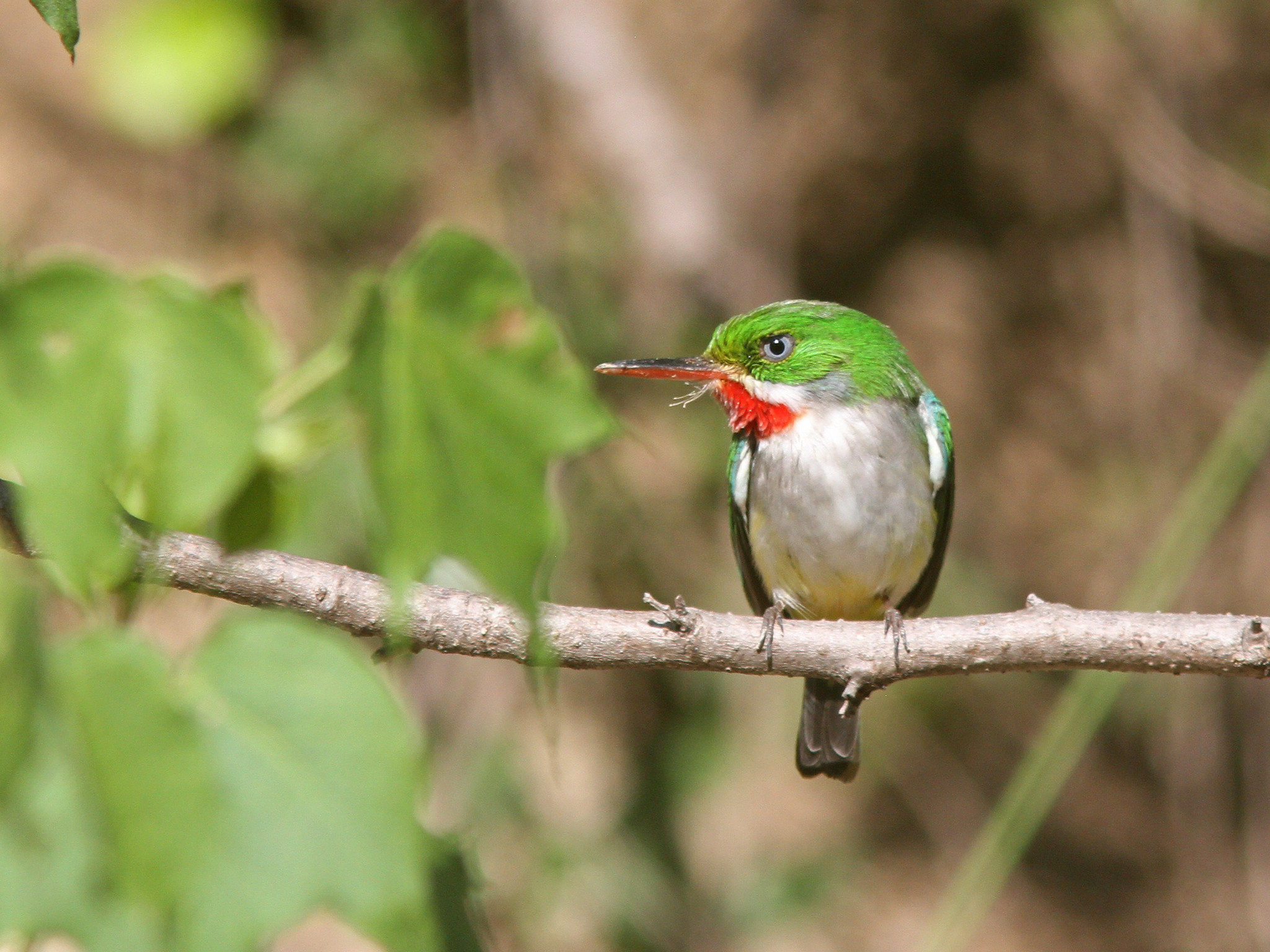
Puerto Rican Tody, PR 983 at PR 988, Puerto Rico, Dec 2, 2016
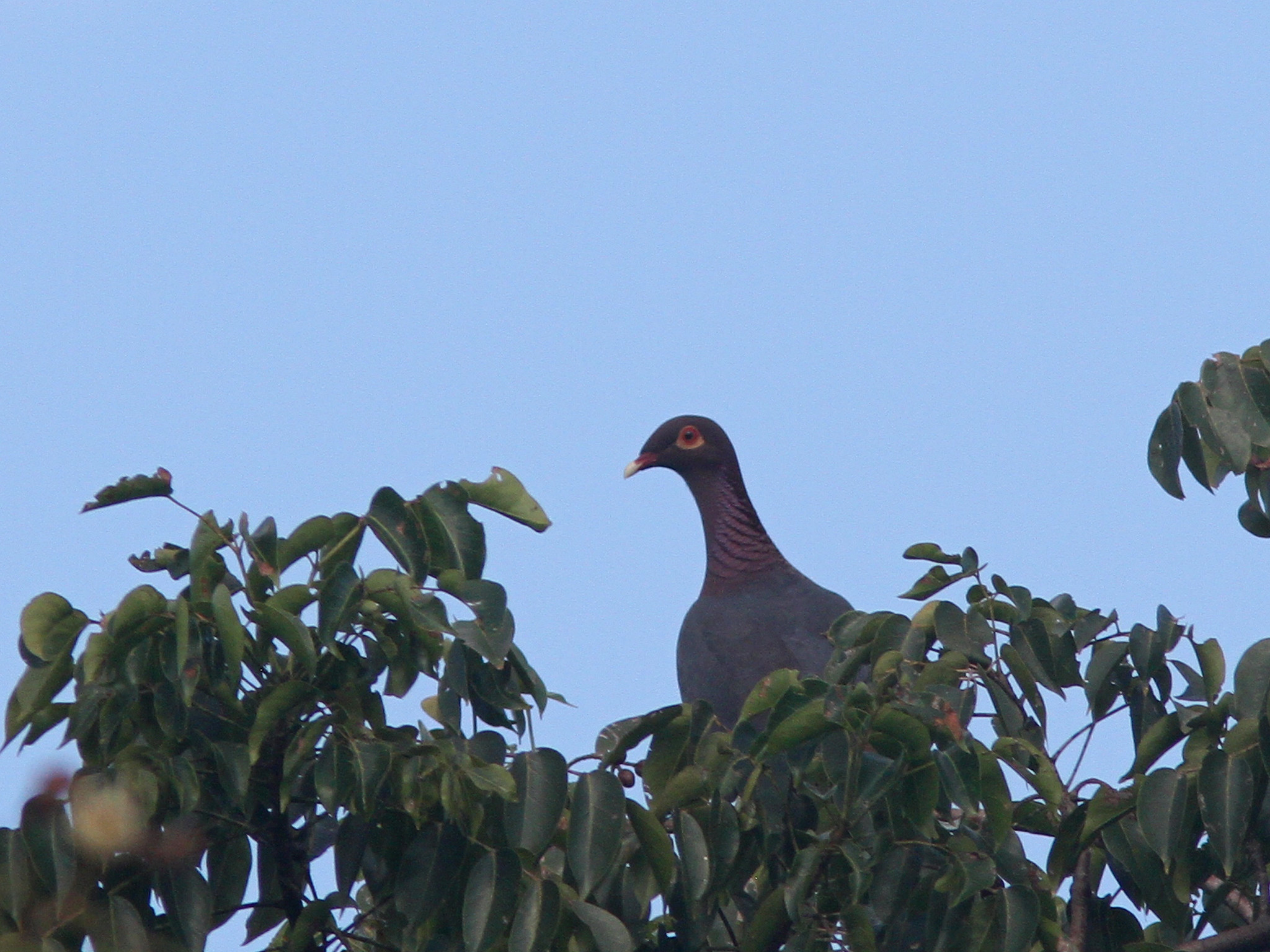
Scaly naped Pigeon, Ceiba-Roosevelt Roads Naval Station, Puerto Rico, Dec 2, 2016
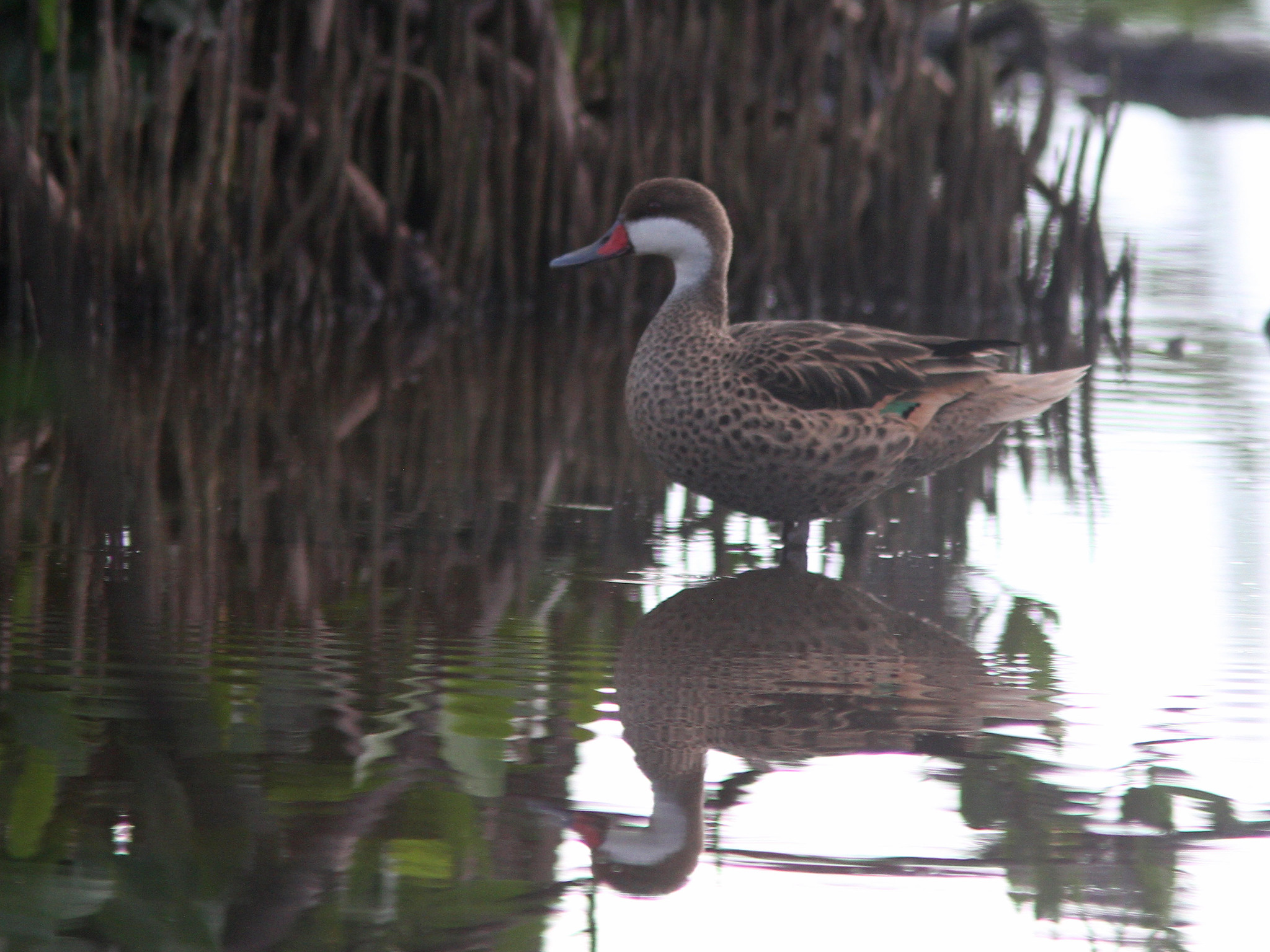
White cheeked Pintail, Ceiba-Roosevelt Roads Naval Station, Puerto Rico, Dec 2, 2016
Puerto Rican Tanager, Bosque Nacional El Yunque, Puerto Rico, Dec 2, 2016
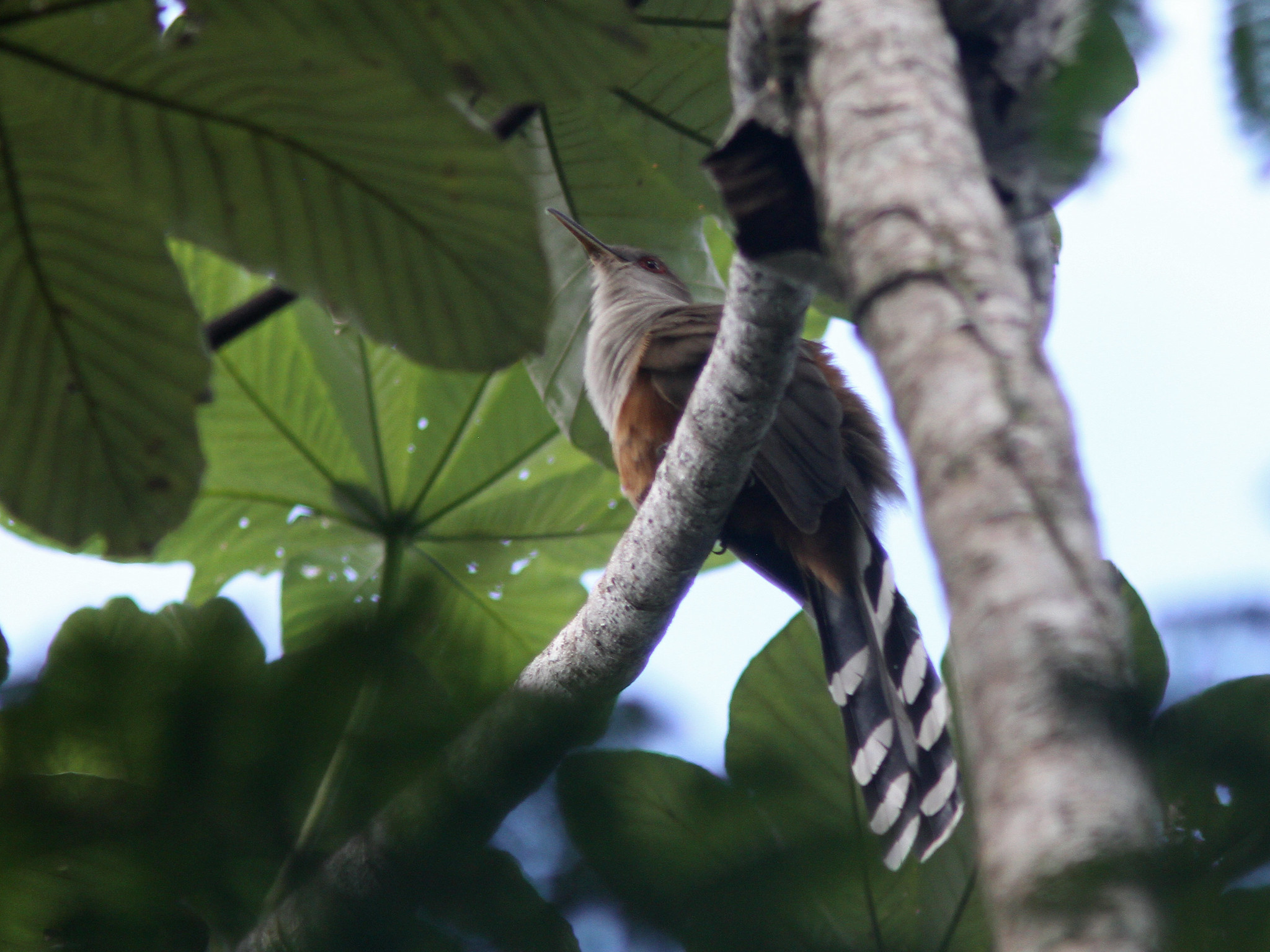
Puerto Rican Lizard Cuckoo, Bosque Nacional El Yunque, Puerto Rico, Dec 2, 2016
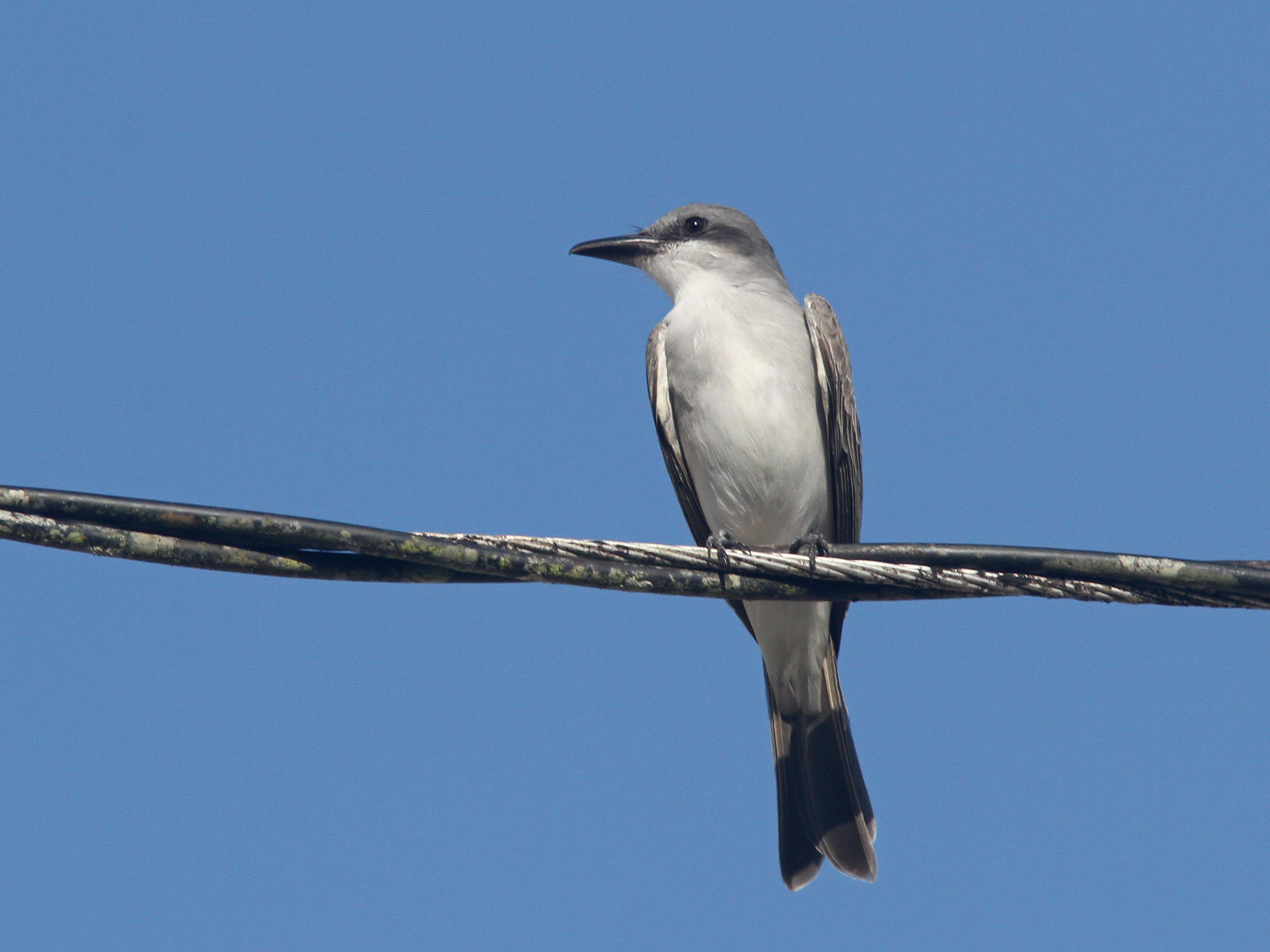
Gray Kingbird, PR 983 at PR 988, Puerto Rico, Dec 2, 2016
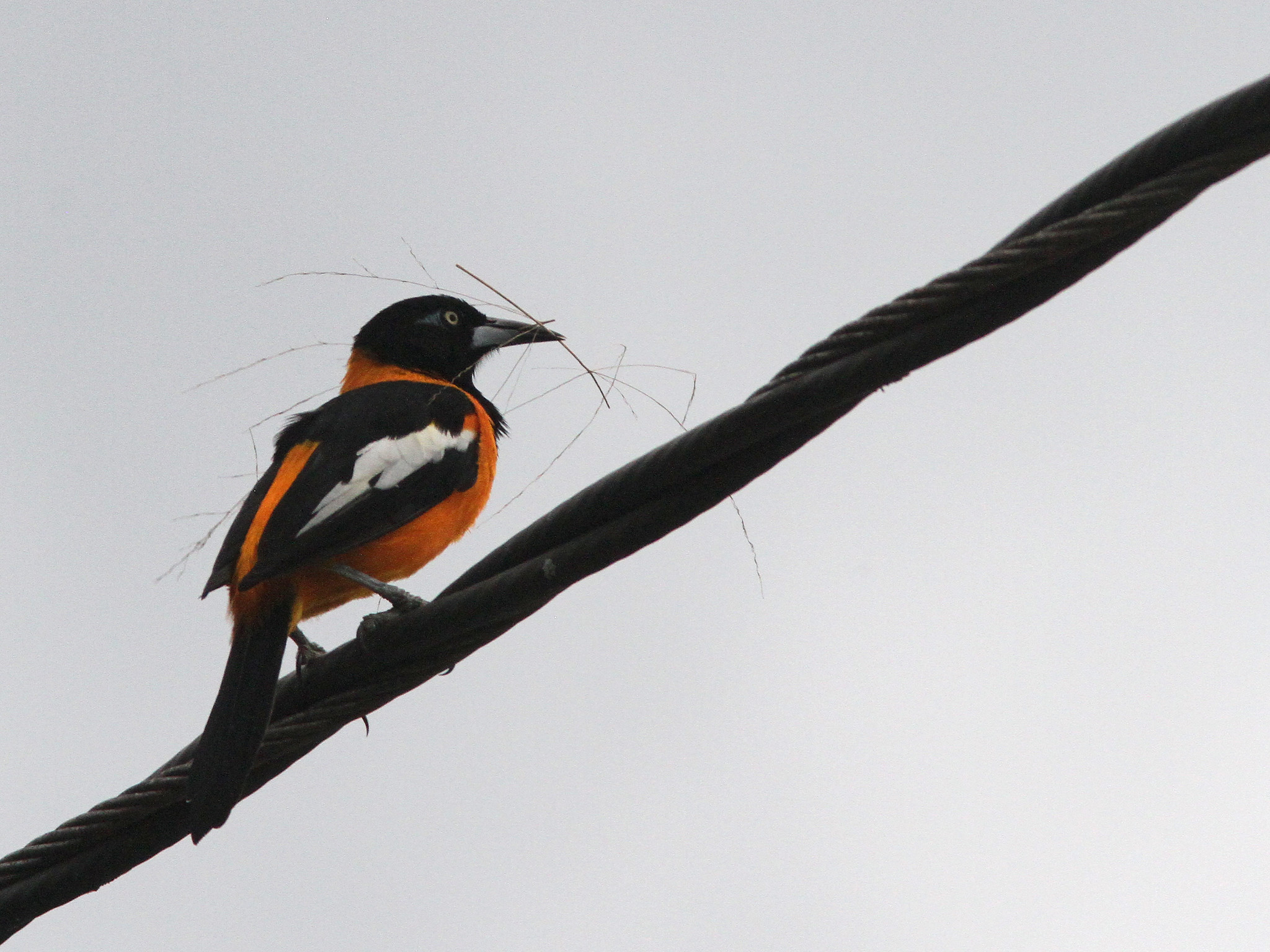
Puerto Rican Oriole, PR 983 at PR 988, Puerto Rico, Dec 2, 2016
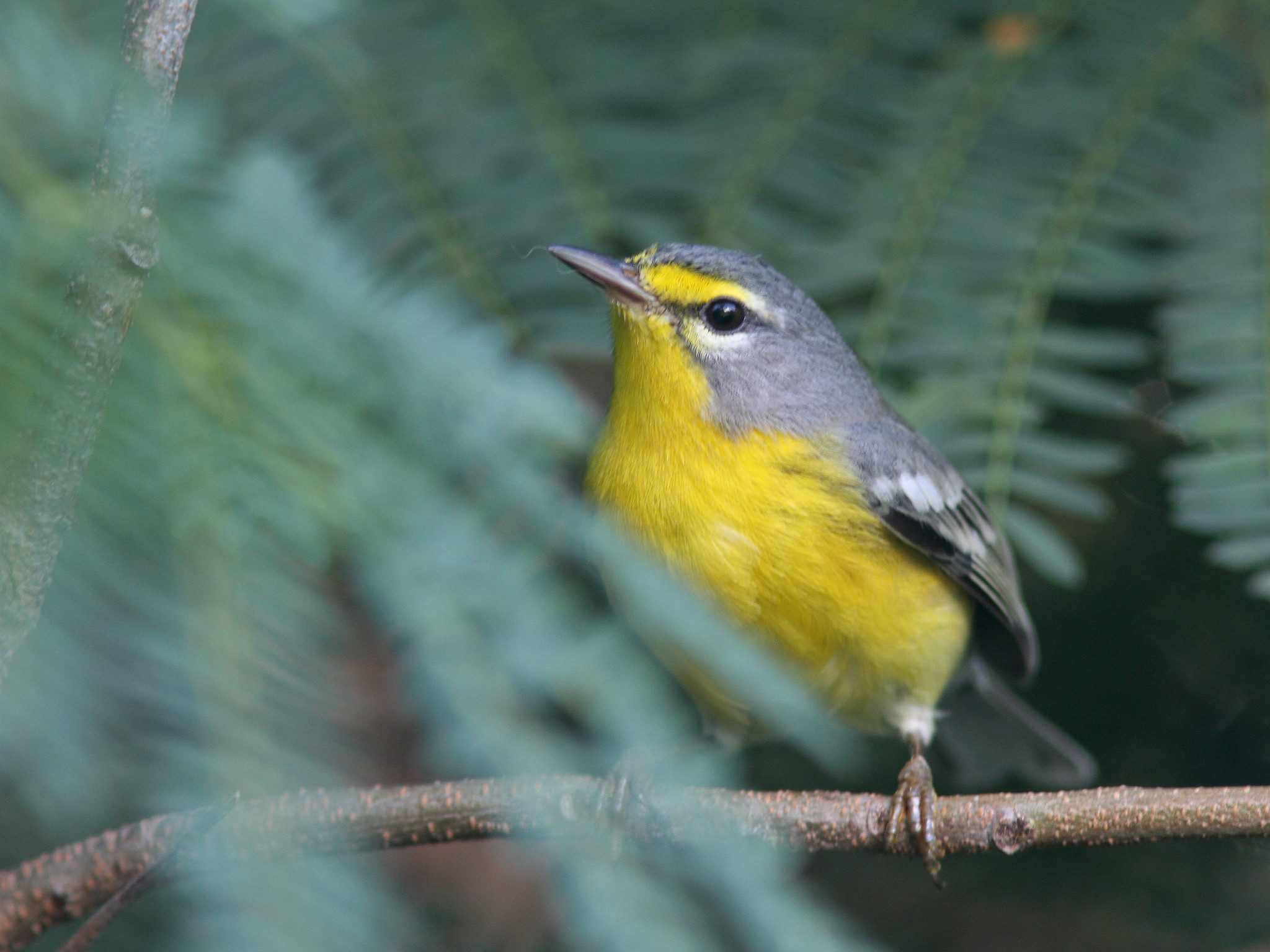
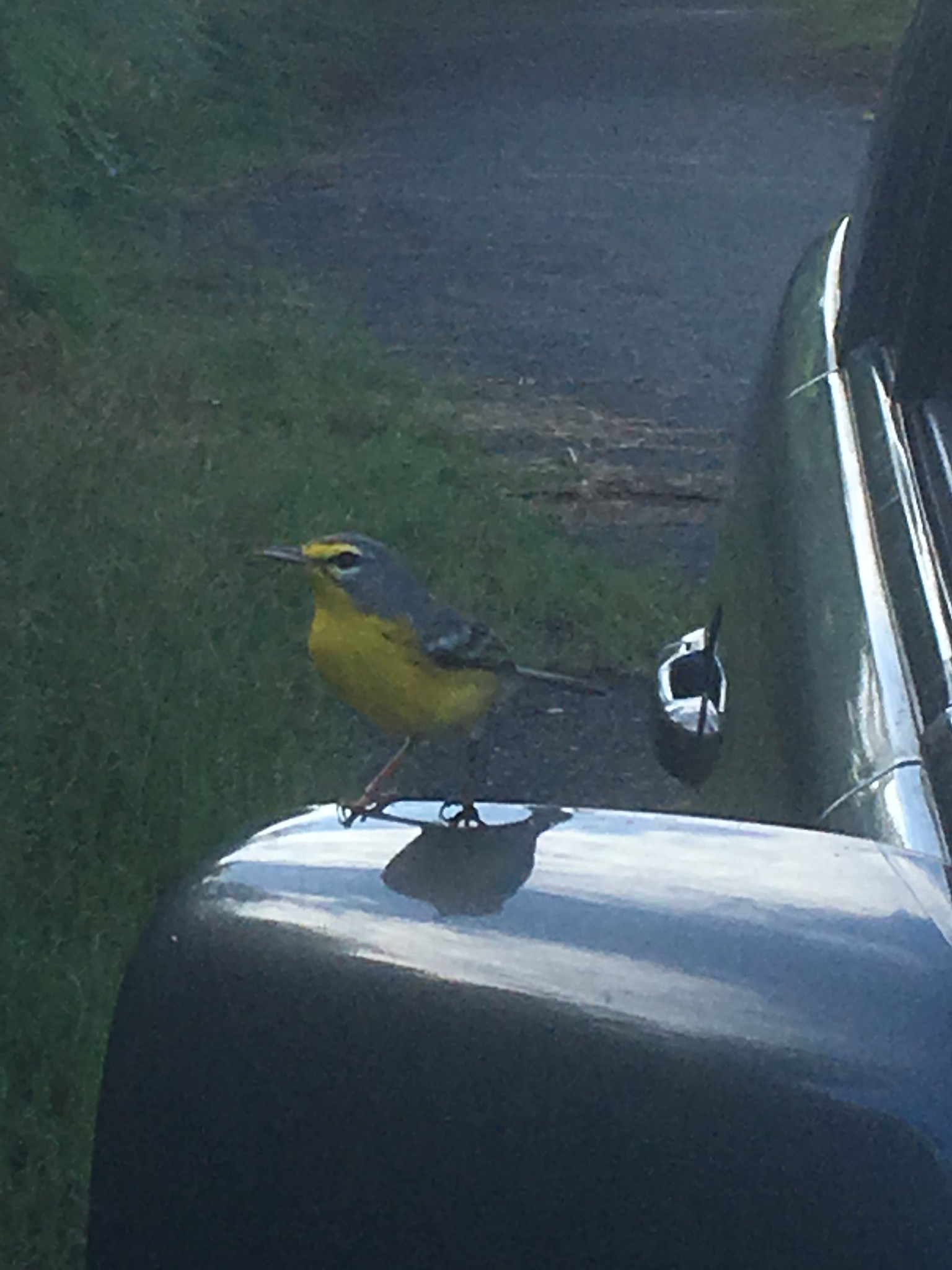
Adelaide's Warbler, Ceiba-Roosevelt Roads Naval Station, Puerto Rico, Dec 2, 2016
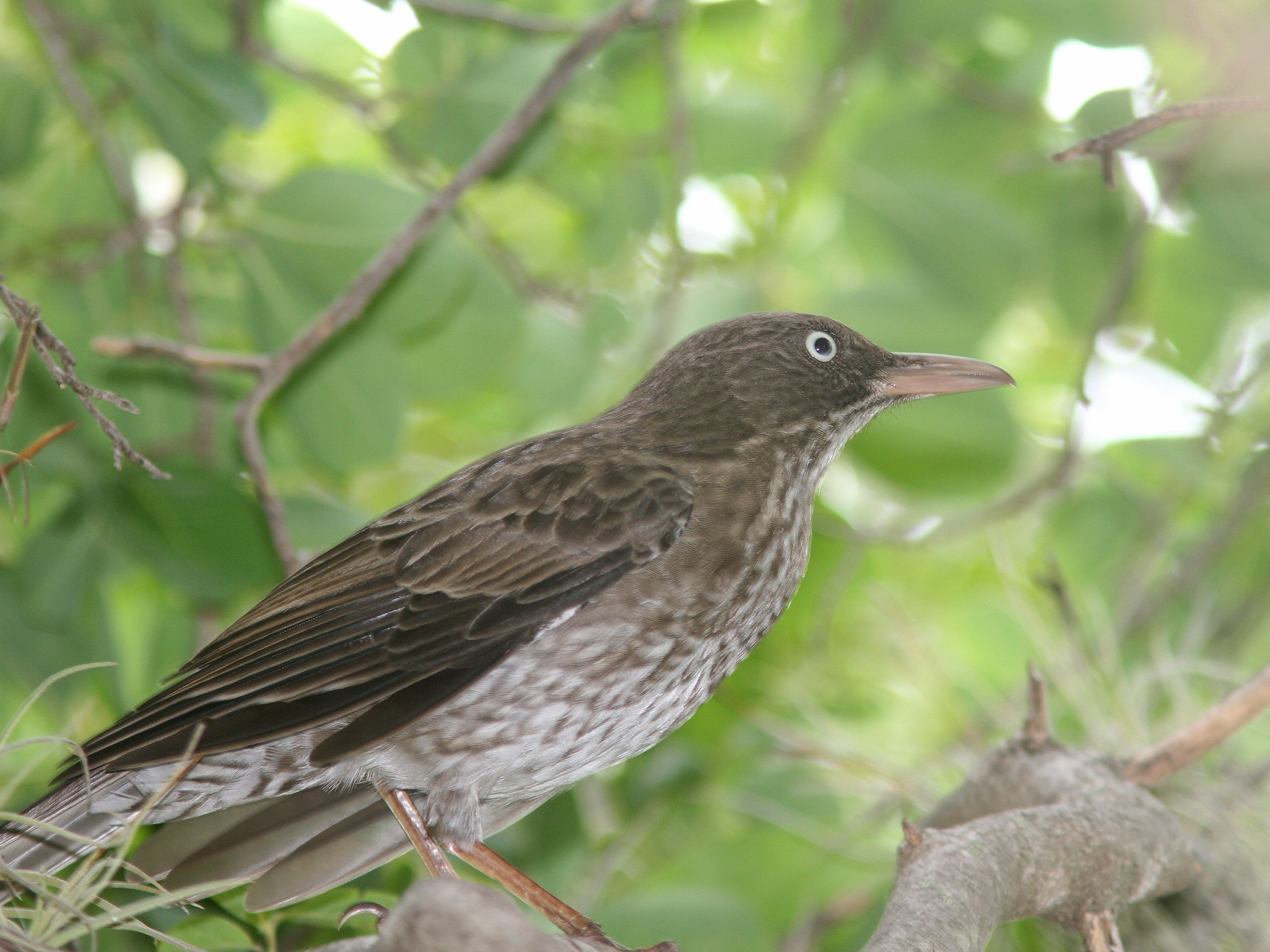
On my first full day on the island I hired a guide to explore the El Yunque National Forest and the old Roosevelt Road Naval Station. Before the guide showed up I added two more life birds around the Fajardo Inn where I had a few Pearly eye Thrashers and a group of flyby White winged Parakeets. Once the guide showed up we hit several spots on the way to El Yunque and I added a pair of Puerto Rican Flycatcher (E) at a cemetery plus Puerto Rican Oriole (E), Loggerhead Kingbird, Puerto Rican Tody (E) and Scaly naped Pigeon along the back road into El Yunque. We finished out the morning in El Yunque and I added five more life birds including Puerto Rican Tanager (E), Puerto Rican Spindalis (E), Puerto Rican Lizard Cuckoo (E), Antillean Euphonia and Green Mango. We ran into a few bouts of rain during the morning but nothing that kept us from seeing most everything quite well. Despite much effort to track down an Elfin Woods Warbler we struck out (we might have heard one but it was during some rain and we never were able to track down the bird). After a quick stop for a late lunch we headed south the Ceiba and the old Roosevelt Road navy base covering a variety of habitats and we racked up quite new birds for the trip including White cheeked Pintail, Black faced Grassquit, Bronze Manakin (introduced) and my first new warbler for the trip...Adelaide's Warbler. We heard quite a few of them but my first look at the bird was an individual that came right to the car when we stopped as it fought with reflection in the mirror. The bird was just too close to use the good camera most of the time and decent shots could be easily obtained with the iPhone camera. We finished the day trying to track down a few more target birds but we had no luck. Overall we had a total of 68 species for the day which I was quite happy with. The area near the old base looks so good for a number of species but sadly I noted a high number of feral cats in the area and sadly I'm sure many birds meet their end here.
Elfin woods Warbler, Bosque Estatal de Maricao, Puerto Rico, Dec 3, 2016
Pearly eye Thrasher, Guanica Forest (Bosque de Guánica), Puerto Rico, Dec 3, 2016
Looking south from Bosque Estatal de Maricao, Puerto Rico, Dec 3, 2016
On Saturday I left bright and early from Fajardo to make the long drive out to the west coast of the island with a few stops along the way. My first stop of the morning was down to Guanica where I hiked around for a bit and had some more good looks at some island specialties but I did't add any new species there. Once I was done there I had to decide if I wanted to try my luck heading to the southwest coast to look for shorebirds and waterfowl or head for the mountains instead. I thought the coast might be too crowded and the road into some of the areas too muddy to attempt so I headed up the long and winding road to Maricao. It appeared that I made the right decision when I stopped at a picnic area known to have some Elfin woods Warblers (E) at times. I immediately ran into a group of birds that produced a few warblers (Black and White and Black throated Blue Warblers and then I heard an Elfin woods Warbler calling and then saw it along with at least two others. I got a few marginal photos but I was super happy to catch up with another new warbler species for the trip and one that is quite rare (an endemic species too). I added another life bird at the picnic spot with a calling Lesser Antillean Pewee (a Puerto Rican subspecies that may be a separate species). After another long and winding road down the mountain I made it up to my cottage outside Mayagüez late in the afternoon and I added two more species during a short walk around the property...a pair of Puerto Rican Vireos (E) and Antillean Mango (E). Once the sun went down I had a Puerto Rican Screech Owl calling (E) plus a bunch of frogs.
Puerto Rican Tody, Bosque Estatal de Maricao, Puerto Rico, Dec 4, 2016
Puerto Rican Emerald, Bosque Estatal de Maricao, Puerto Rico, Dec 4, 2016
Puerto Rican Woodpecker, Bosque Estatal de Maricao, Puerto Rico, Dec 4, 2016
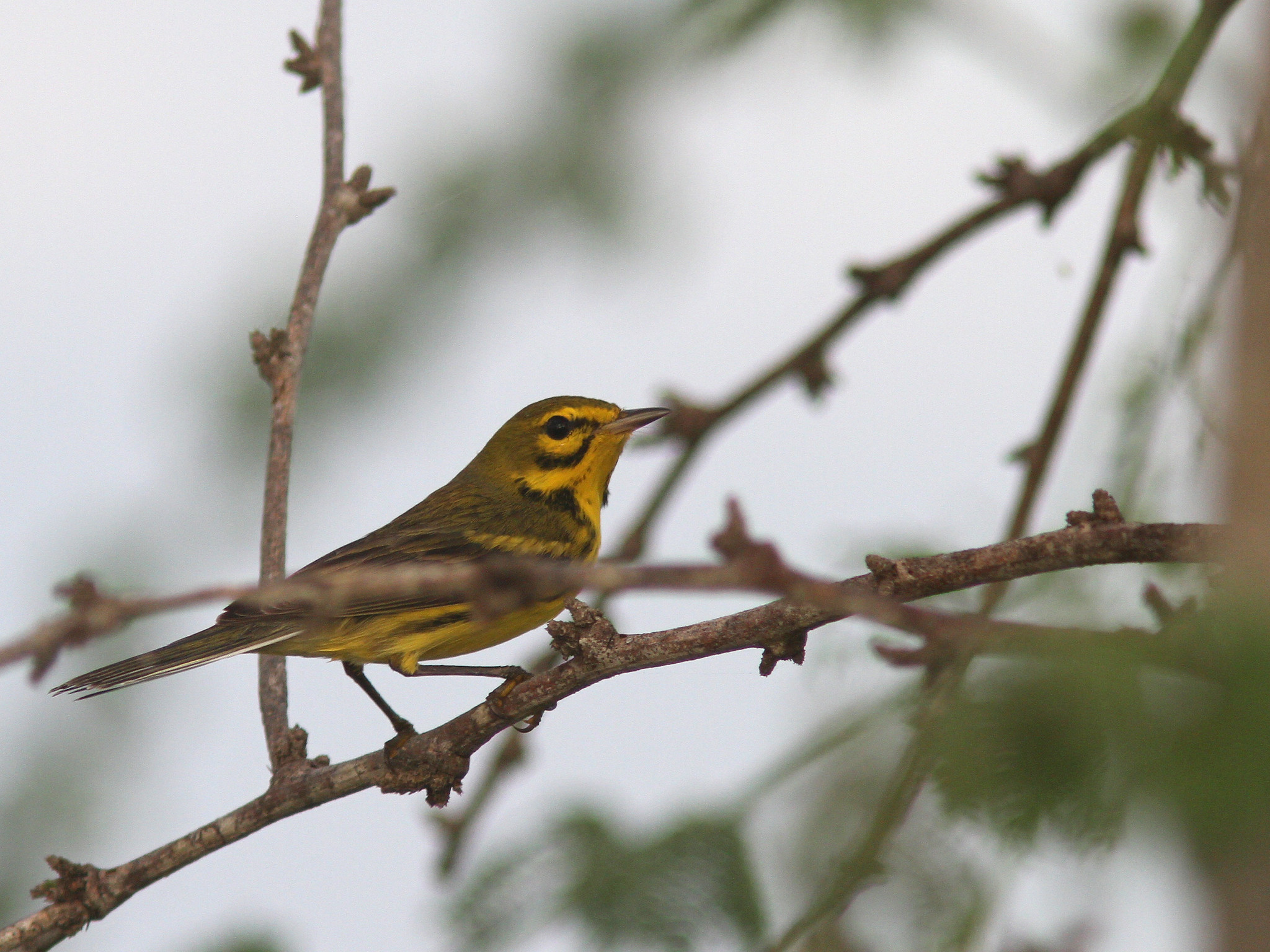
Prairie Warbler, Cabo Rojo NWR, Puerto Rico, Dec 4, 2016
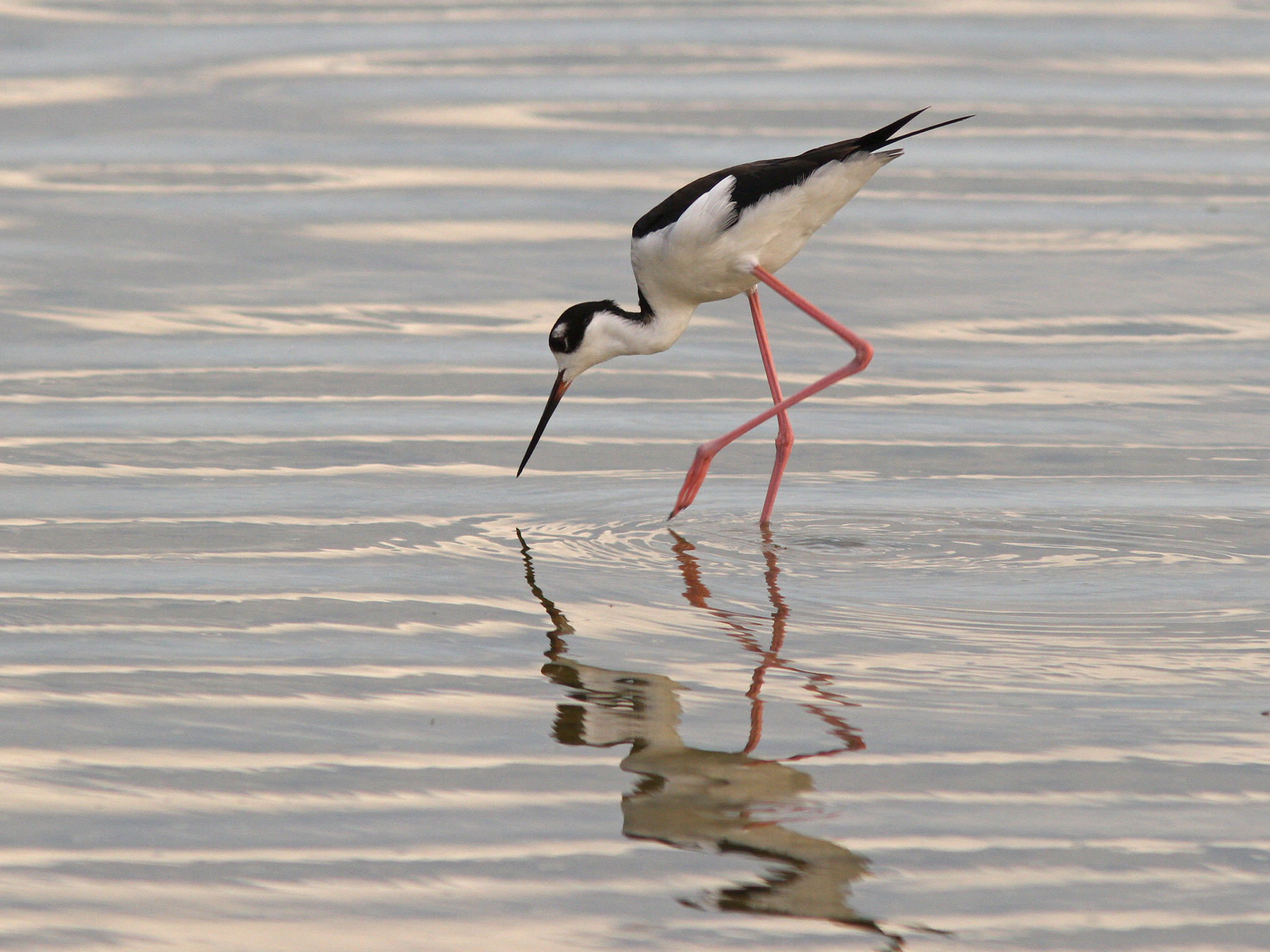
Black necked Stilt, Cabo Rojo NWR, Puerto Rico, Dec 4, 2016
Venezuelan Troupial, La Parguera, Puerto Rico, Dec 4, 2016
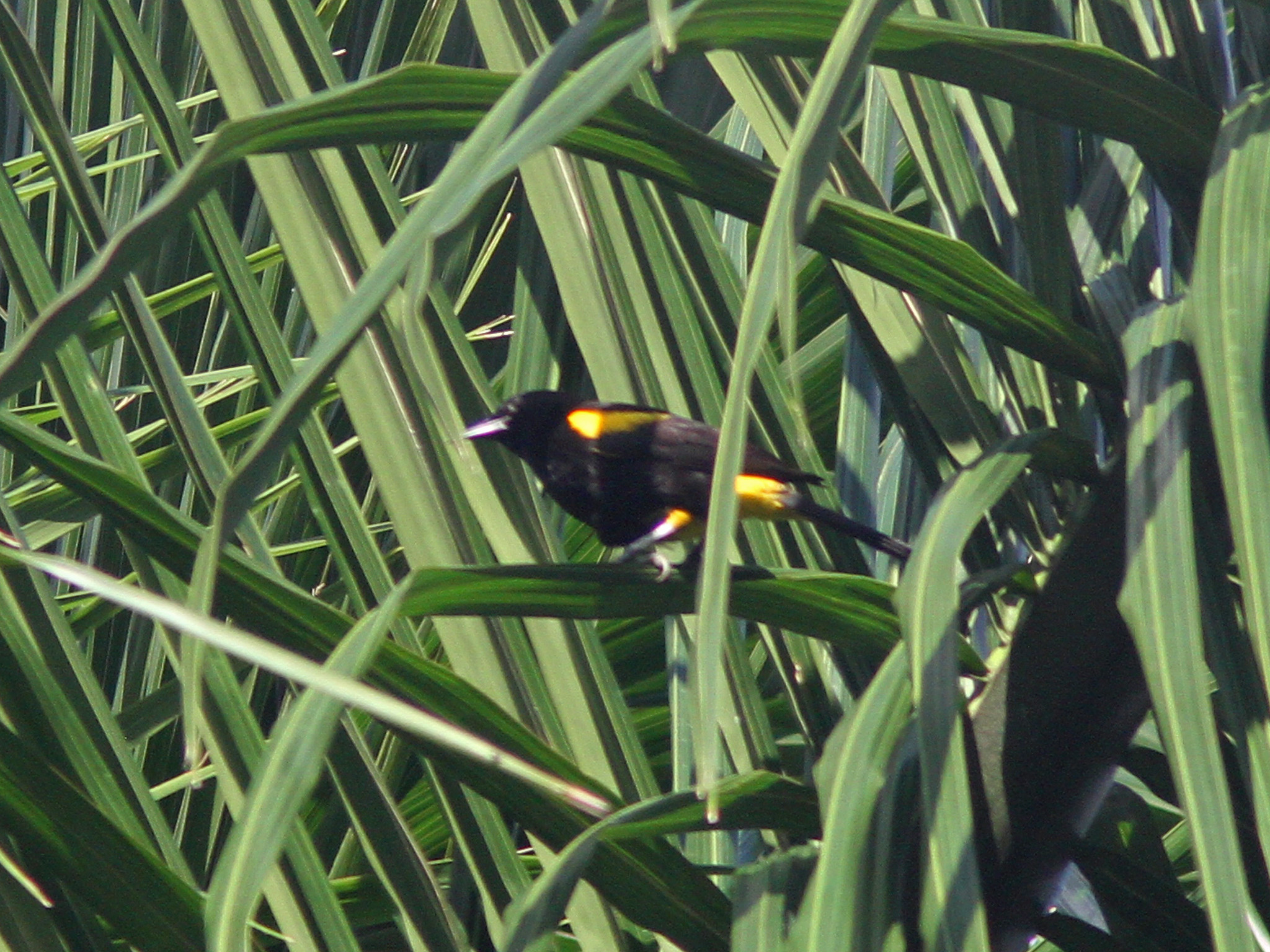
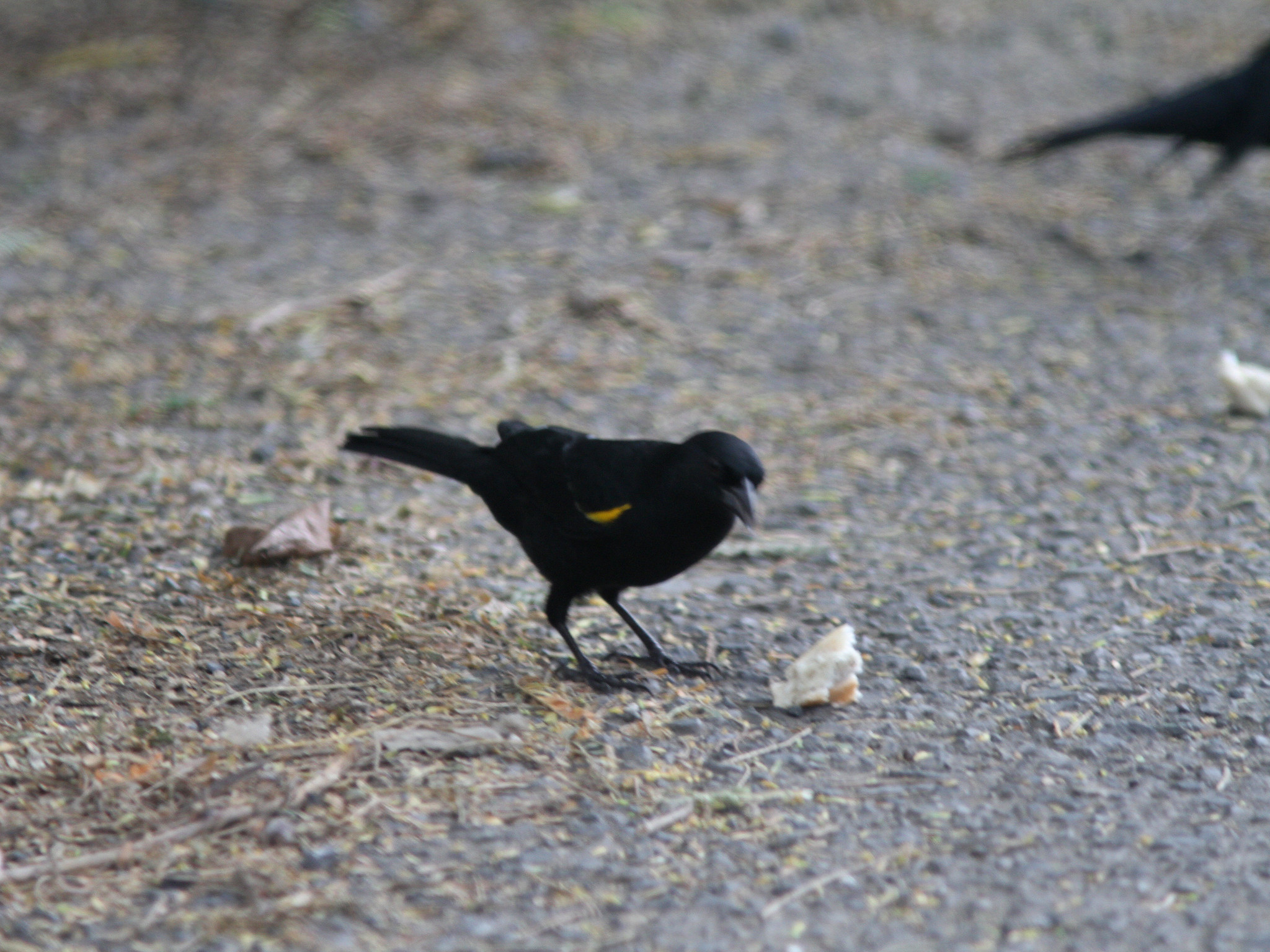
Yellow shouldered Blackbird, La Parguera, Puerto Rico, Dec 4, 2016
My final full day and my second with a guide started with a visit to the area in and around Maricao. Our primary target for that area was the endangered (and endemic) Puerto Rican Parrot and it took us a lot of looking before we finally ran across a group of four and a bit later another single bird. I was not able to get any photos but we did see them flying away from us plus lots of vocalizations. We also ran across a few more Elfin woods Warblers as well as other endemics I had seen the day before. We dodged a number of rain showers during our time in the mountains and somehow managed to not get caught outside in any downpours.
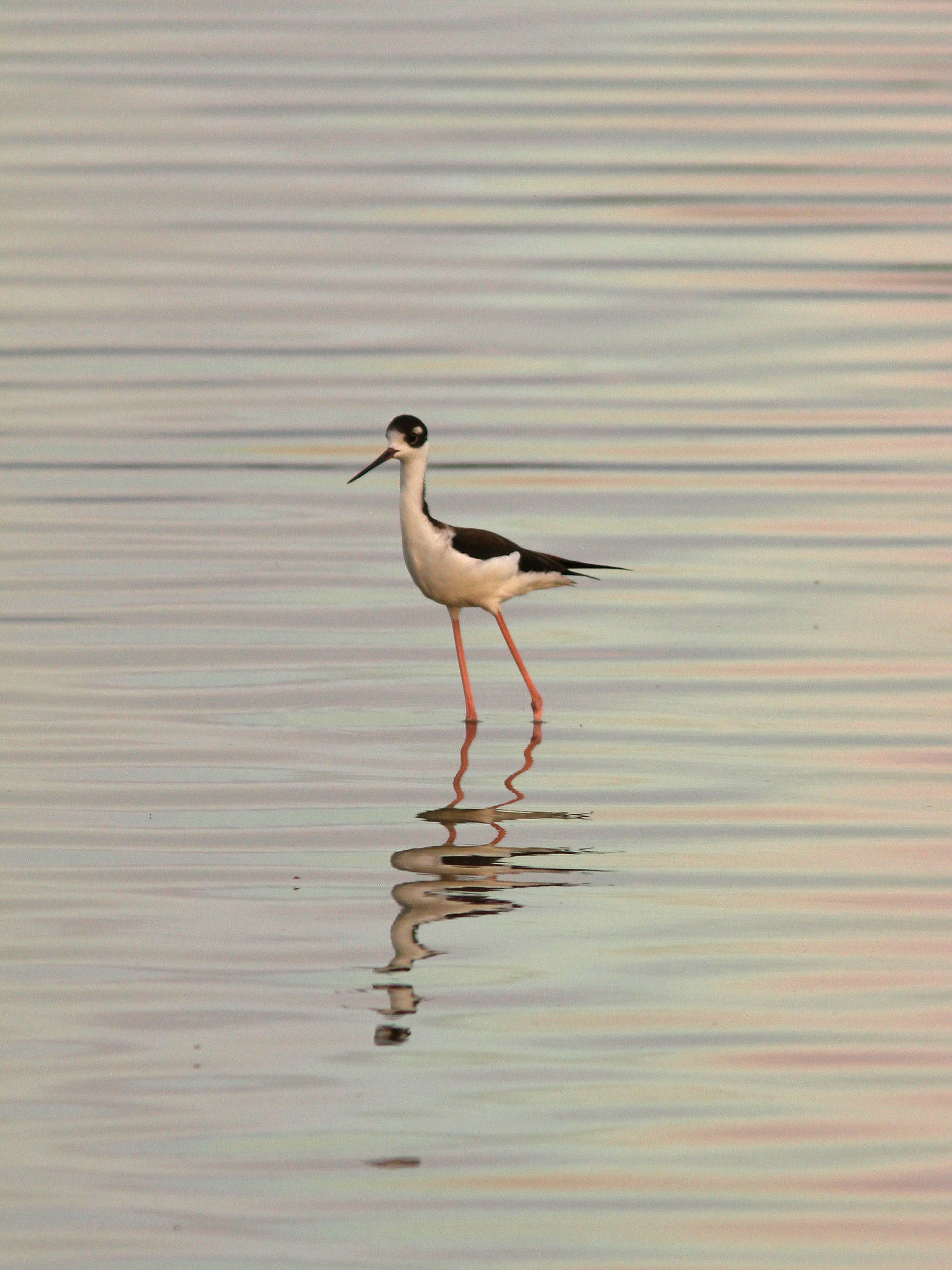
Our next stop brought us down to the south coast with an mid afternoon stop around La Paguera where we had a few coastal species as well as a few Yellow shouldered Blackbirds after lots of looking around the town. We also found our first Venezuelan Troupials and Indian Silverbills (both introduced species).

Some heavy rain showers came in as we continued along the coast heading towards Cabo Rojo but thankfully missed us at the crucial time right before sunset and we were treated to a spectacular double rainbow and a fantastic sunset as loads of shorebirds and waders enjoyed the mudflats as hundreds of swallows wheeled overhead and dozens of Prairie Warblers moved past. Despite much effort to find a Puerto Rican Nightjar we didn't have any luck. We ended our day after the sunset and we started the drive back to Mayaguez. We arrived at the mall where I dropped off my car in the morning and were rewarded with another new bird as we had an Antillean Nighthawk calling overhead (very few hang around the island during winter). I was starving at this point so I grabbed some food and as I started eating I got a text from owner of the cottage I was staying at saying the power was out due to a tree falling across the road and they were not sure if power would be restored any time soon....not a great way to end the day as no power (and no a/c) for the night didn't sound good at all. I decided to make the drive back to see what the status was before booking another nearby hotel. I arrived and the road was blocked as they worked on restoring power. As it looked like I was not getting back in any time soon I decided to head south to try once again for Puerto Rican Nightjar and I had better luck this time scoring a second nightjar species for the day and finding the last endemic species for the island! I finally made it back to the cottage around nine and the power was restored and the A/C was working again!

I woke up fairly early on Monday to make the long ride to the airport and before leaving the cottage I had a screech owl calling once again. As I started my journey north on Rt 2 I followed up in a tip from my bird guide about a family West Indian Whistling Ducks which I had brief views of through the vegetation....adding a final lifer for the trip.

As mentioned above I found all seventeen endemic species on the island and got photos of many of them. In addition I had a number of Caribbean specialties that occur in just a handful of other locations. Overall for the trip I found a total of 97 species with 35 of them being life birds bringing my life total to 1243.  A very successful trip as far as I'm concerned and a nice reprieve from the cold of early winter back at home. It was a nice warm up to come additional tropical trips to come this winter.