Showing posts with label hurricane dorian. Show all posts

Monday, September 9, 2019

The last couple days plus an update on birds from Hurricane Dorian.


Common Yellowthroat, Silvio Conte NWR-Fort River, Hadley, MA, Sep 9, 2018
Lesser Yellowlegs, Silvio Conte NWR-Fort River, Hadley, MA, Sep 9, 2018
Greater Yellowlegs, Silvio Conte NWR-Fort River, Hadley, MA, Sep 9, 2018
Dawn, Arcadia, Northampton, MA, Sep 8, 2019
I made a few stops on my way to work yesterday and on my way home today.  Nothing too unusual and it was actually quiet this morning considering the time of year and the great migration conditions overnight.  The cool temperatures (upper 40's) and morning fog probably didn't help but I was surprised how quiet it was.  Nonetheless there were still some birds to be seen and any day out and about is a good one.


Now for another update on the birds carried into the area and points north from Hurricane Dorian. The following list is far from complete and I expect many more records to come to light over time as many areas in Canada hit hardest by the storm are still without power and communication. Within Massachusetts the most noteworthy sightings included a Brown Pelican in Salem and a Black bellied Whistling Duck on Nantucket. A few seawatches along the coast (mainly the cape) produced a number of shearwaters, some storm petrels and a number of gulls and terns.

Dorian made landfall in Nova Scotia as a hurricane and reports from the area so far indicate a large influx of a number of southern species including Black Skimmer (hundreds!), Laughing Gull (also hundreds), Glossy Ibis, “lots” of swallows of several species plus Purple Martin and Cave Swallow, Cattle Egret, American Avocet, Black necked Stilt, Marbled Godwit and Brown Pelican.  Many species of terns have been seen including Sooty, Bridled, Sandwich, Forster’s, Royal, Gull billed and Black Terns plus the more expected species. Unusual passerines were also noted including Cerulean Warbler, Kentucky Warbler, Worm eating Warbler, Prothonotary Warbler, Yellow throated Warbler and Summer Tanager.  I will update the list as more information comes to light.  Sadly many birds were killed by the storm outright and many others will perish after surviving the storm itself due to stress, starvation and predation.  Storm birds are always bitter sweet.

The tropics remain active with Tropical Storm Gabrielle way out in the central Atlantic (and not a threat to North America) and a few tropical waves coming off of Africa that may eventually turn into tropical systems but not within the short term.

Friday, September 6, 2019

The last couple mornings plus an update on Hurricane Dorian

Wilson's Warbler, Silvio Conte NWR-Fort River, Hadley, MA, Sep 6, 2019
Ovenbird, Silvio Conte NWR-Fort River, Hadley, MA, Sep 6, 2019
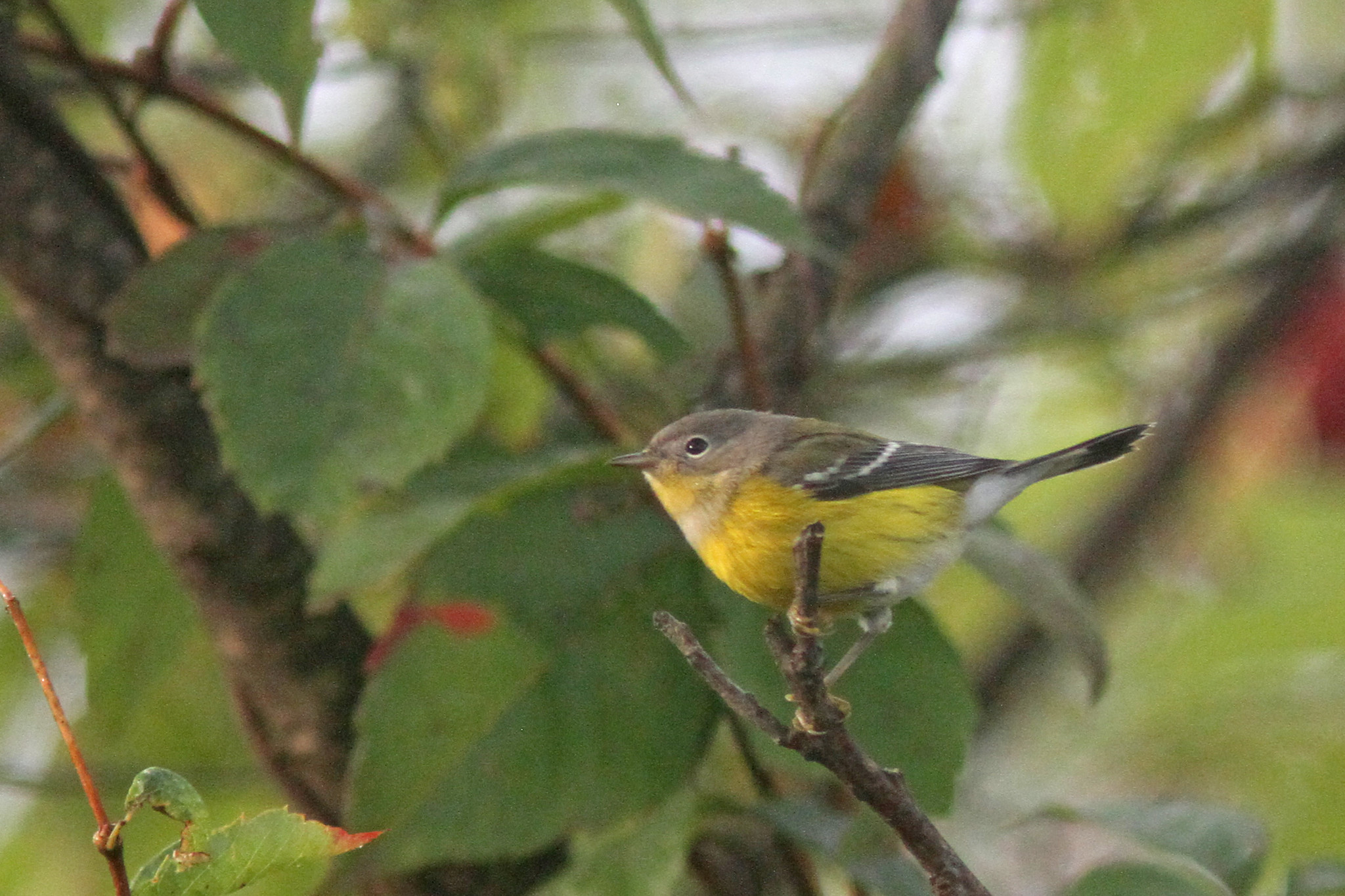
Magnolia Warbler, Silvio Conte NWR-Fort River, Hadley, MA, Sep 6, 2019
Northern Harrier, Silvio Conte NWR-Fort River, Hadley, MA, Sep 6, 2019
Solitary Sandpiper, Silvio Conte NWR-Fort River, Hadley, MA, Sep 6, 2019 (my only shorebird for World Shorebird Day)
American Redstart, Sweet Alice Conservation Area, Amherst, MA, Sep 6, 2019
Conditions overnight looked to bring in some migrants with light northerly winds.  The radar was lit up and there were a number of flight calls overhead last night and into the morning when I checked.  I originally was going to start at UMASS but it was already breezy there when I arrived there which usually makes finding stuff there difficult.  I decided instead to head down to Silvio Conte NWR-Fort River where I spent almost three hours exploring.  It was not as active as I had hoped but there were still some obvious migrants around.  The clouds being pushed north courtesy of Hurricane Dorian made photo ops less than ideal and the ever increasing breeze didn't help either.  I also made a brief stop by Sweet Alice Conservation Area before heading back home.
Chestnut sided Warbler, Quabbin Park, MA, Sep 5, 2019
Black throated Green Warbler, Quabbin Park, MA, Sep 5, 2019
House Wren, Quabbin Park, MA, Sep 5, 2019
Yellow bellied Sapsucker, Quabbin Park, MA, Sep 5, 2019
Yesterday I spent a good portion of the morning exploring Quabbin Park and turned up a few notable species and some good counts for several species.  A number of highlights for the morning including at least one Eastern Whip Poor Will, a couple of Eastern Screech Owls calling back and forth, at least four Yellow throated Vireos and ten species of warblers.
Black capped Chickadee with leg bands, Home, Belchertown, MA, Sep 5, 2019
I also found one of my banded Black capped Chickadees that was banded this spring and I got a marginal photo through the binoculars....my first sighting of this individual in months.
Hurricane Dorian projected path as of 11AM, Sep 6, 2019 (courtesy of the NHC)
Hurricane Dorian finally moved north from the Bahamas after causing catastrophic damage to the northern part of the country including the islands of Grand Bahama and Abaco.  The storm stayed offshore of Florida then just skimmed South Carolina before making a brief landfall on the outer banks of North Carolina last night (just missing Alabama!).  The storm is projected to continue moving northeast offshore of the northeast and then into Nova Scotia and other parts of Atlantic Canada while maintaining hurricane strength (there will almost certainly be some crazy bird sightings up that way).  The only impact here should be breezy conditions and some rain overnight tonight into Saturday morning.  The cape and islands could see tropical storm conditions and are under a tropical storm warnings.  Will the storm bring any birds our way?  Probably not too likely as the storm will be too far away from us to have any great impact but one never knows.  Depending on the amount of rain and how strong the winds get here will determine if anything unusual gets pushed in or forced down.  Worth checking water bodies and any flooded fields just in case.  There is always the outside chance of something along the lines of a frigatebird showing up so worth keeping an eye out.  To check on bird sightings related to Dorian follow the link from Birdcast (Hurricane Dorian birds.).  More on the impact on  the birds of the northern Bahamas can be found at my earlier post about it here.  Birds Caribbean has started a fundraiser to assist the Bahama National Trust as they attempt to try to assist the birds that survived and begin to restore damaged habitat...fundraising link to assist the Bahamas

Sunday, September 1, 2019

Hurricane Dorian update and the impact on the northern Bahamas

Hurricane Dorian projected path as of 2PM, Sep 1, 2019
Another update on hurricane Dorian. It made landfall on Abaco Island in the northern Bahamas as a strong Cat 5 hurricane with winds of 185 MPH and a central pressure of 911mb. This ties a storm in 1935 with the strongest winds of a landfalling hurricane in the Atlantic. The storm is predicted to slow down but maintain major hurricane status and pummel the northern Bahamas for a couple days before curving north and coming very close to Florida. The damage on Abaco and Grand Bahama will certainly be extreme.  The storm will likely have no real impact this far north as it is forecast to be pushed out to sea around the mid Atlantic and away from the northeast.
Bahama Warbler, pine lands east, Grand Bahama, Feb 9, 2017
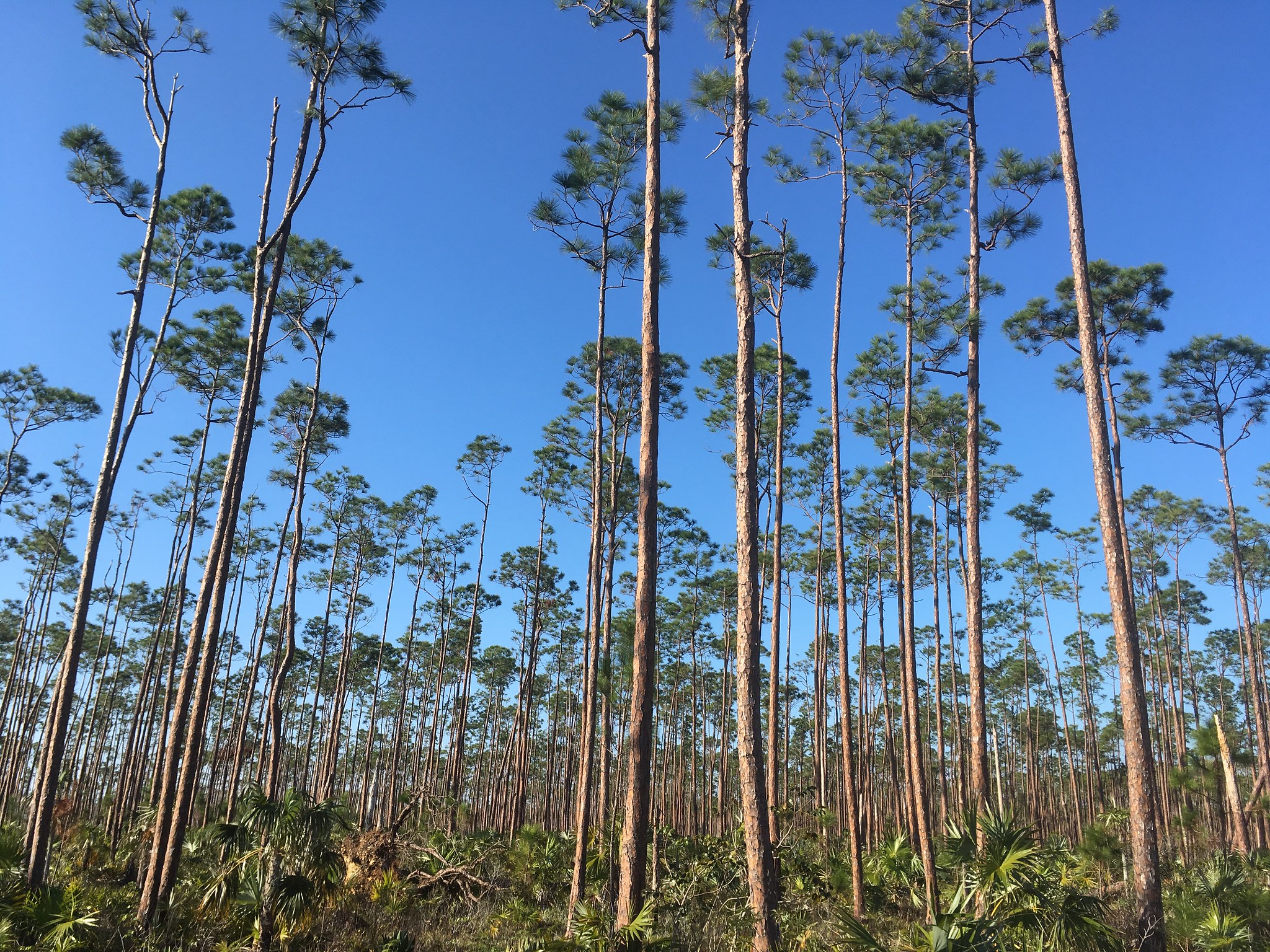
Caribbean Pine Forest, Owl Hole Rd, Grand Bahama, Feb 9, 2017
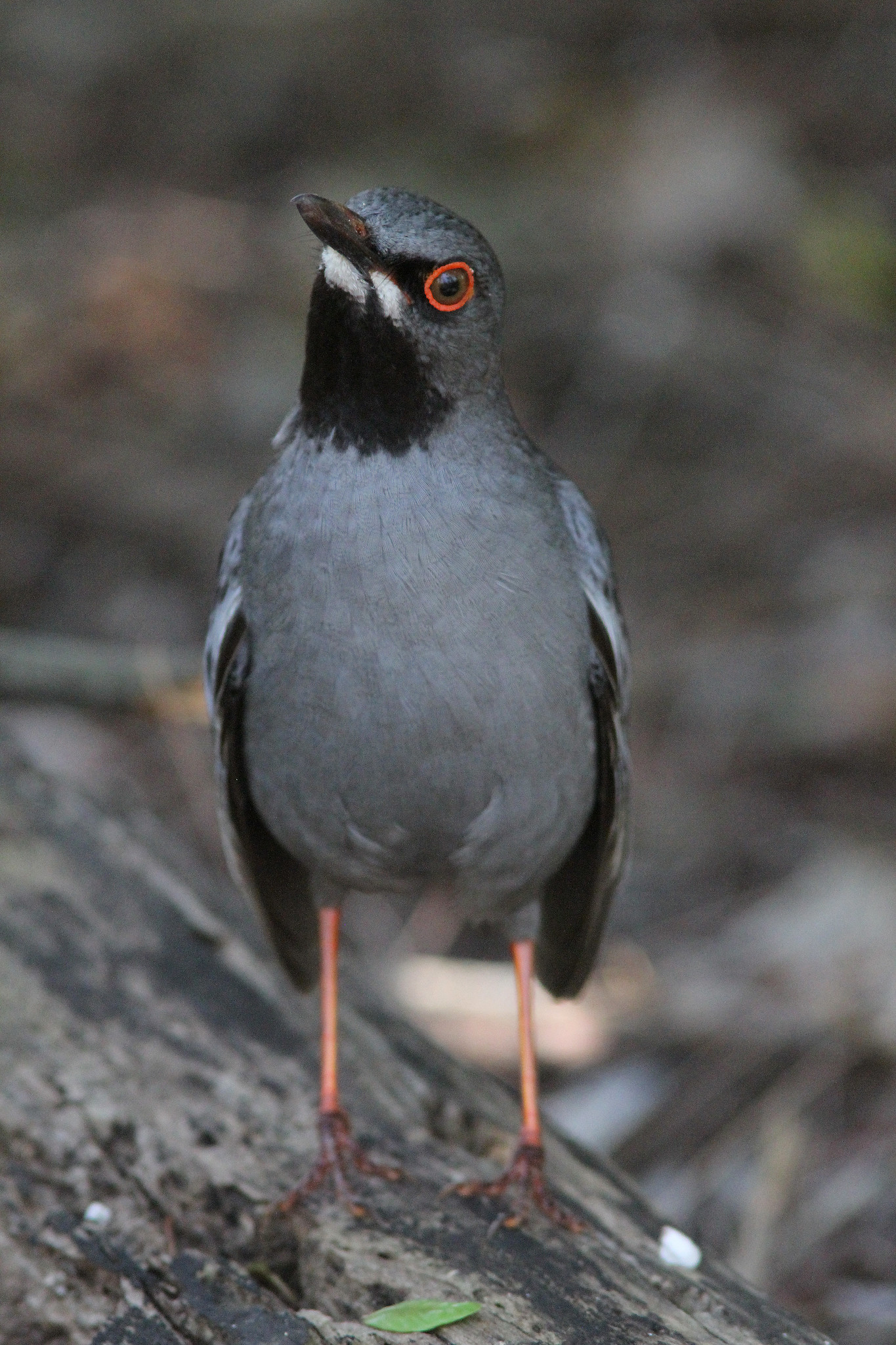
Red legged Thrush, Garden of Grand Bahama B&B, Freeport, Grand Bahama, Feb 7, 2017
Olive capped Warbler, Owl Hole Rd, Grand Bahama, Feb 9, 2017
We visited Grand Bahama (part 1part 2) for a few days in February 2017 and it was a great trip and got to see some great birds and meet some very friendly people who are now enduring some life changing conditions.  I hope one and all make it through but the island will never be the same again.  The birds will take a hit during such long duration strong winds but hopefully many will find suitable shelter.  Sadly this will likely be the final nail in the coffin for the endemic subspecies of Brown headed Nuthatch found only on Grand Bahama (and thought by some sources to be a distinct species and called Bahama Nuthatch).  The bird took a major hit when Hurricane Matthew hit the island in 2016 but they were already in a steep decline due to habitat loss, invasive species and previous hurricanes.  The population was estimated at perhaps 1800 in the early 2000's but had dropped to just 23 in 2007 and then to near zero after Hurricane Matthew.  An intense search in 2018 found a handful  (perhaps two to as many as six) still hanging on but I doubt the birds will make it through the latest storm (link to story on the survey in 2018 here.).  Besides the nuthatch there are a number of endemic species and subspecies that occur on just these northern Bahama Islands including Bahama Warbler (which is likely to be heavily impacted as salt water inundation will likely kill large tracts of pine forest that the bird relies on). 

Friday, August 30, 2019

Quabbin Park this morning and an update on Hurricane Dorian


House Wren, Quabbin Park, MA, Aug 30, 2019
American Redstart, Quabbin Park, MA, Aug 30, 2019
 Common Yellowthroat (with attached tick), Quabbin Park, MA, Aug 30, 2019
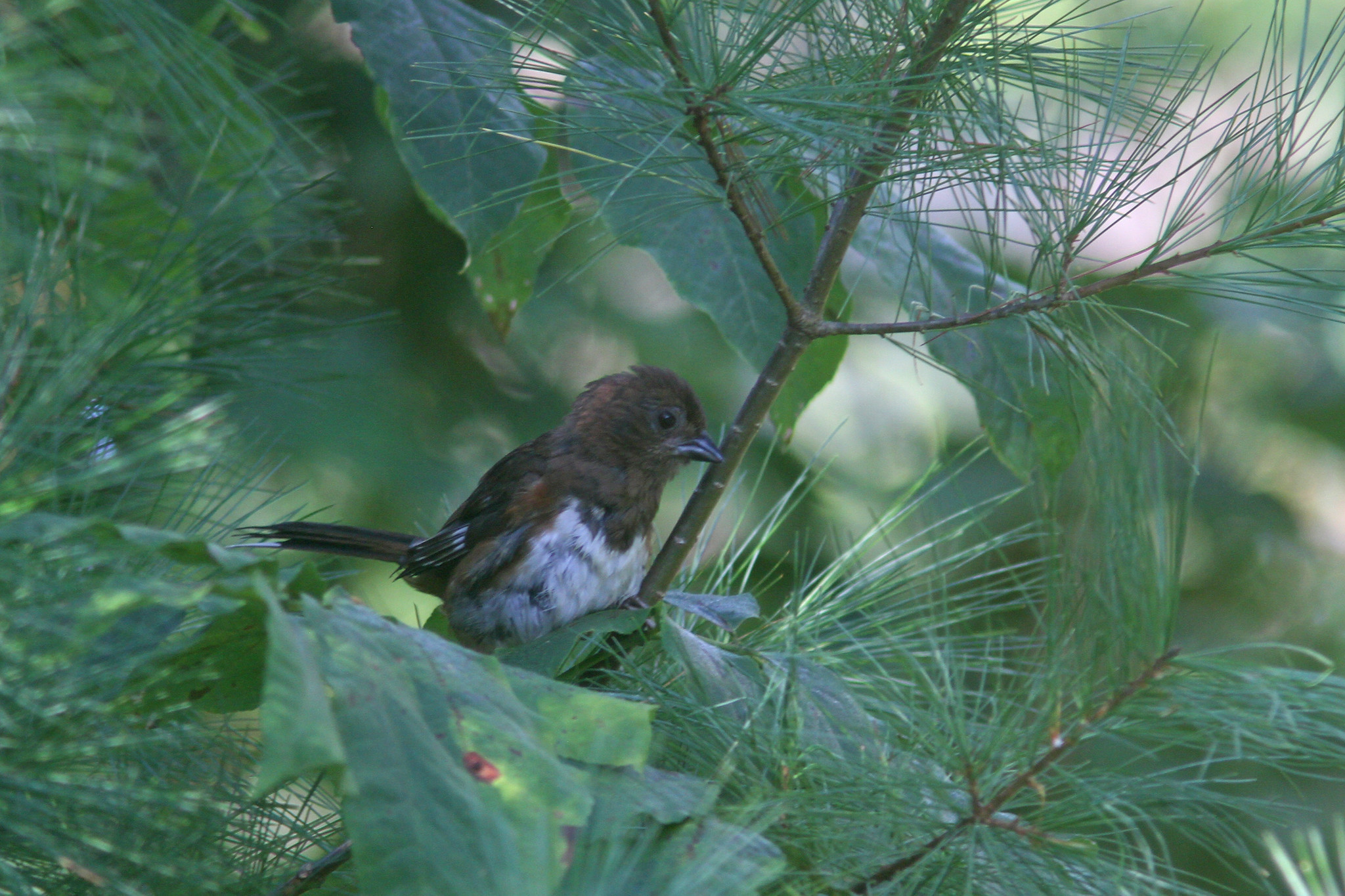
 Eastern Towhee, Quabbin Park, MA, Aug 30, 2019
I spent the early morning poking around Quabbin Park and had a number of noteworthy sightings among 60 species for the morning including at least two Eastern Whip Poor Wills, an Olive sided Flycatcher and an early Swainson's Thrush.  Most species have stopped singing by now but a few were still going strong including Eastern Wood Pewee and Red eyed Vireo.  Oddly I only had seven species of warblers around with no really good mixed flocks with most birds spread out across the landscape. 
Hurricane Dorian projected track as of 11AM, Aug 30, 2019 (courtesy of the NHC)
Although the hurricane season started off a bit slow it has heated up recently with the formation of a few storms with the most impressive being Hurricane Dorian.  It started off as a small storm well out in the Atlantic that made a pass through the Lesser Antilles before brushing past Puerto Rico and hitting the Virgin Islands as a Cat 1 hurricane.  The storm has defied some early predictions of it being wiped out by interactions with some of the larger islands of the Greater Antilles.  It has now made it into an area to the east of the Bahamas that is quite favorable for potentially rapid intensification.  As of midday today it is just below Cat 3 strength and is forecast to become a Cat 4 with winds of 140 MPH before landfall into both the northern Bahamas and Florida.  The storm is also forecast to slow down quite a bit which could be potentially catastrophic for some of the areas mentioned above with extreme damage from sustained strong winds and major flooding from both rain and storm surge.  The islands of the Bahamas are home to a number of endemics and near endemics that would suffer greatly if a storm of Cat 4 strength lingers in the area.  There is still some unknowns as far as exact track but it is almost a certainty that some area in the southeast US is going to get hit hard.  Beyond the potential damage to the bird populations on the islands the storm has great potential to displace a number of species to inland locations in the southeast US.  Will any of those birds make it this far?  Unlikely as the track after landfall looks to move up the coast a bit before getting kicked out to sea in the mid Atlantic states somewhere but the track is far from certain at this point.  I will update as the days go on.  The anniversary of the most recent productive (bird wise) tropical system to hit the area back in 2011 occurred on August 28 and resulted in an epic day of birding here...link to the birds of Hurricane Irene link.