Showing posts with label wild turkey poults. Show all posts

Thursday, July 14, 2022

Mid July update

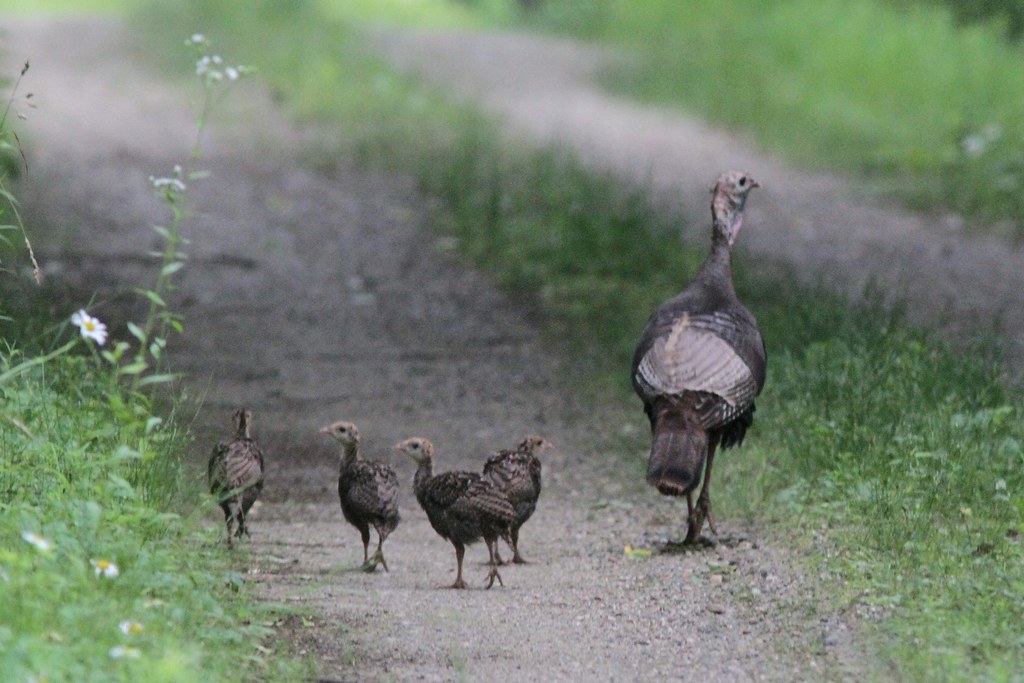
Wild Turkeys poults, Quabbin Park, MA, Jul 8, 2022
Marsh Wren, Great Pond, Hatfield, MA, Jul 10, 2022
Great Blue Herons at nest, Lake Wallace, Belchertown, MA, Jul 11, 2022
Belted Kingfisher, Lake Wallace, Belchertown, MA, Jul 11, 2022
Common Yellowthroat, Sweet Alice Conservation Area, Amherst, MA, Jul 12, 2022
Double crested Cormorant, Holyoke Dam, South Hadley, MA, Jul 13, 2022
Sora, Lake Wallace, Belchertown, MA, Jul 13, 2022
Virginia Rail, Lake Wallace, Belchertown, MA, Jul 13, 2022
Bullfrog eating another bullfrog, Lake Wallace, Belchertown, MA, Jul 14, 2022
Green Heron watching a Peregrine Falcon fly past, Lake Wallace, Belchertown, MA, Jul 14, 2022
Peregrine Falcon with kill, Lake Wallace, Belchertown, MA, Jul 14, 2022
Great Blue Herons at nest, Lake Wallace, Belchertown, MA, Jul 14, 2022
House Wren nestlings, Home, Belchertown, MA, Jul 14, 2022

July is now almost half over and our pleasant weather has continued with no big heat waves or prolonged humidity.  I have continued to try to maximize my species in Hampshire County for a month that is typically a bit slow for birds.  I have so far found 136 species for the month, which is my highest total at this point in the month (and above all but three previous July's totals with half of the month still left).  I have visited a variety of areas but have really concentrated on checking out the various breeding species at Lake Wallace (much more on that in an upcoming post).  I have added another seven species for the second week of the month including the continued Least Bittern in Hatfield.  Lots of really cool sightings that did not add new species including watching several Marsh Wrens in Hatfield, seeing loads of species that have successfully bred for the season, a Peregrine Falcon make a kill and a Bullfrog eating another Bullfrog.

Saturday, June 30, 2018

Prescott Peninsula surveys

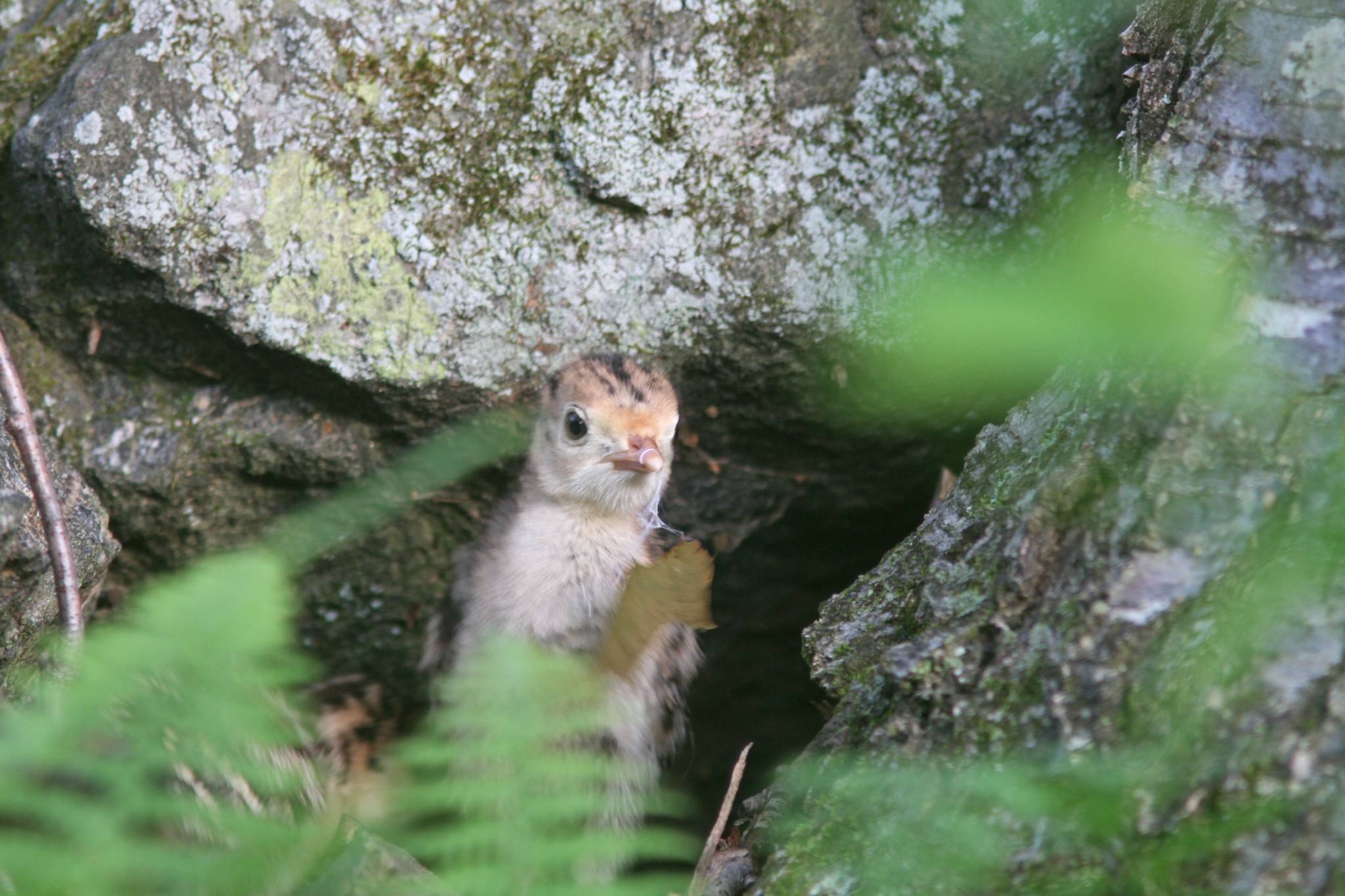
Wild Turkey poult, Prescott Peninsula, New Salem, MA, Jun 30, 2018
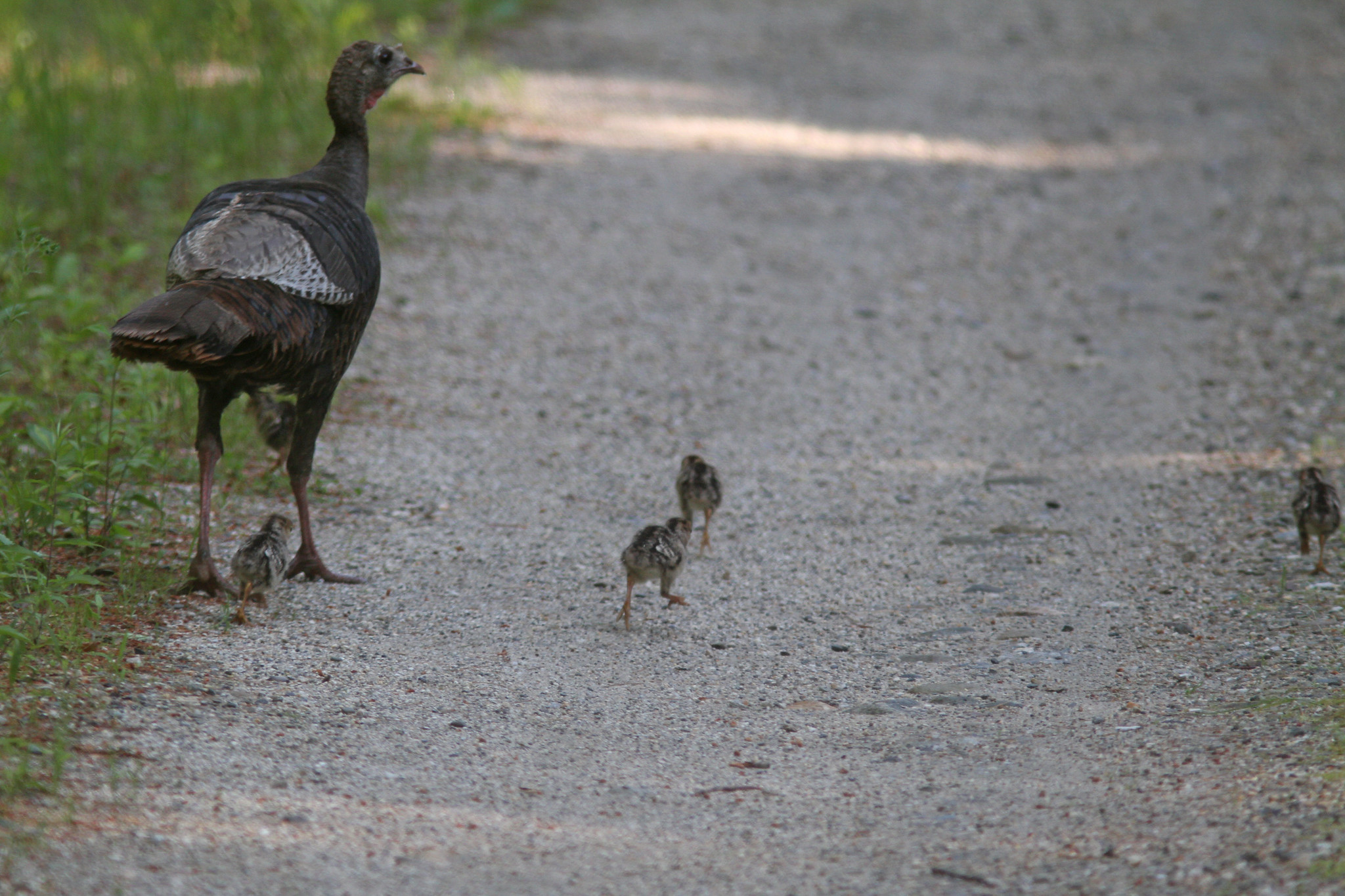
Wild Turkey poults with adult, Prescott Peninsula, New Salem, MA, Jun 30, 2018
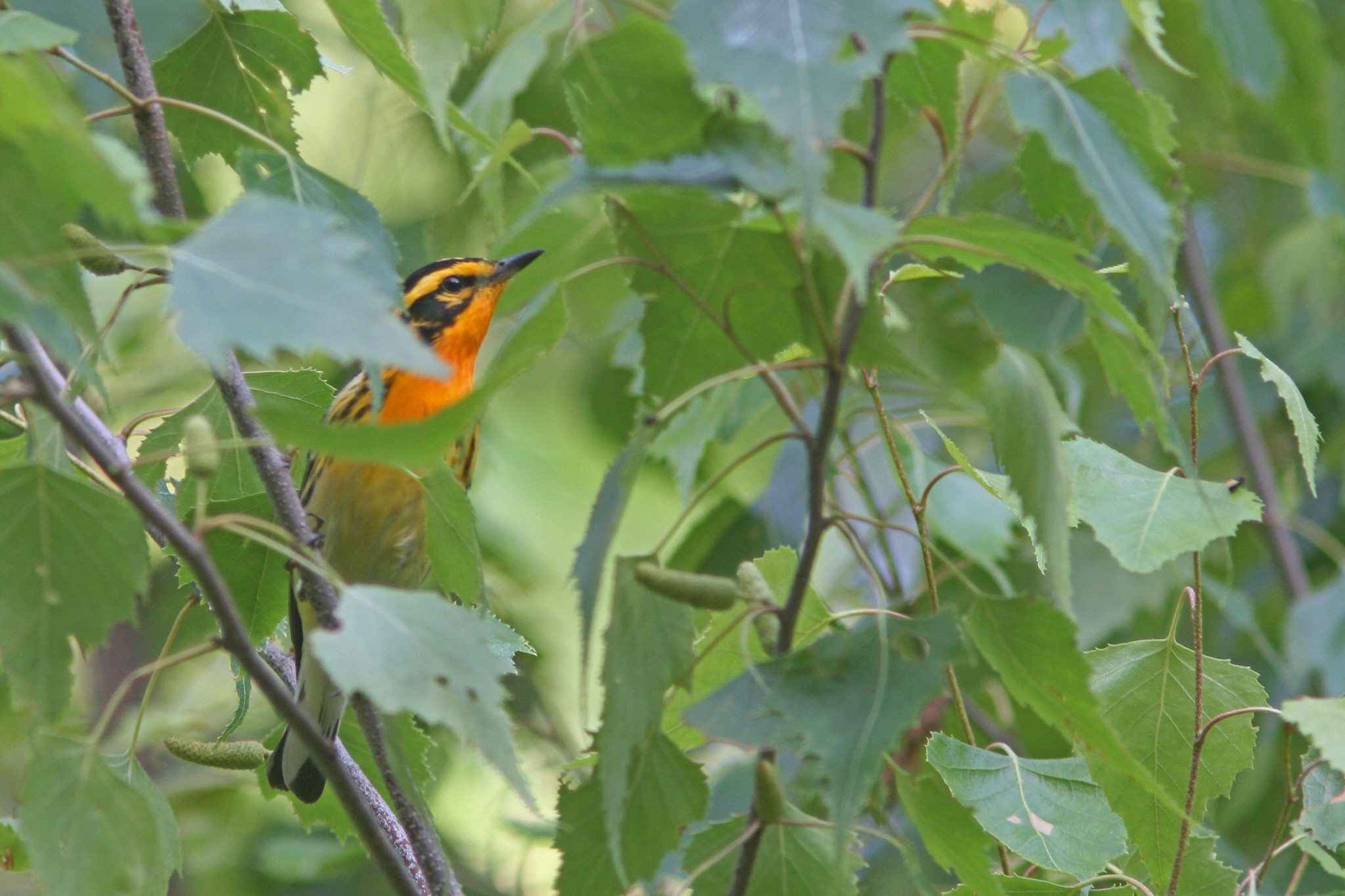
Blackburnian Warbler, Prescott Peninsula, New Salem, MA, Jun 30, 2018
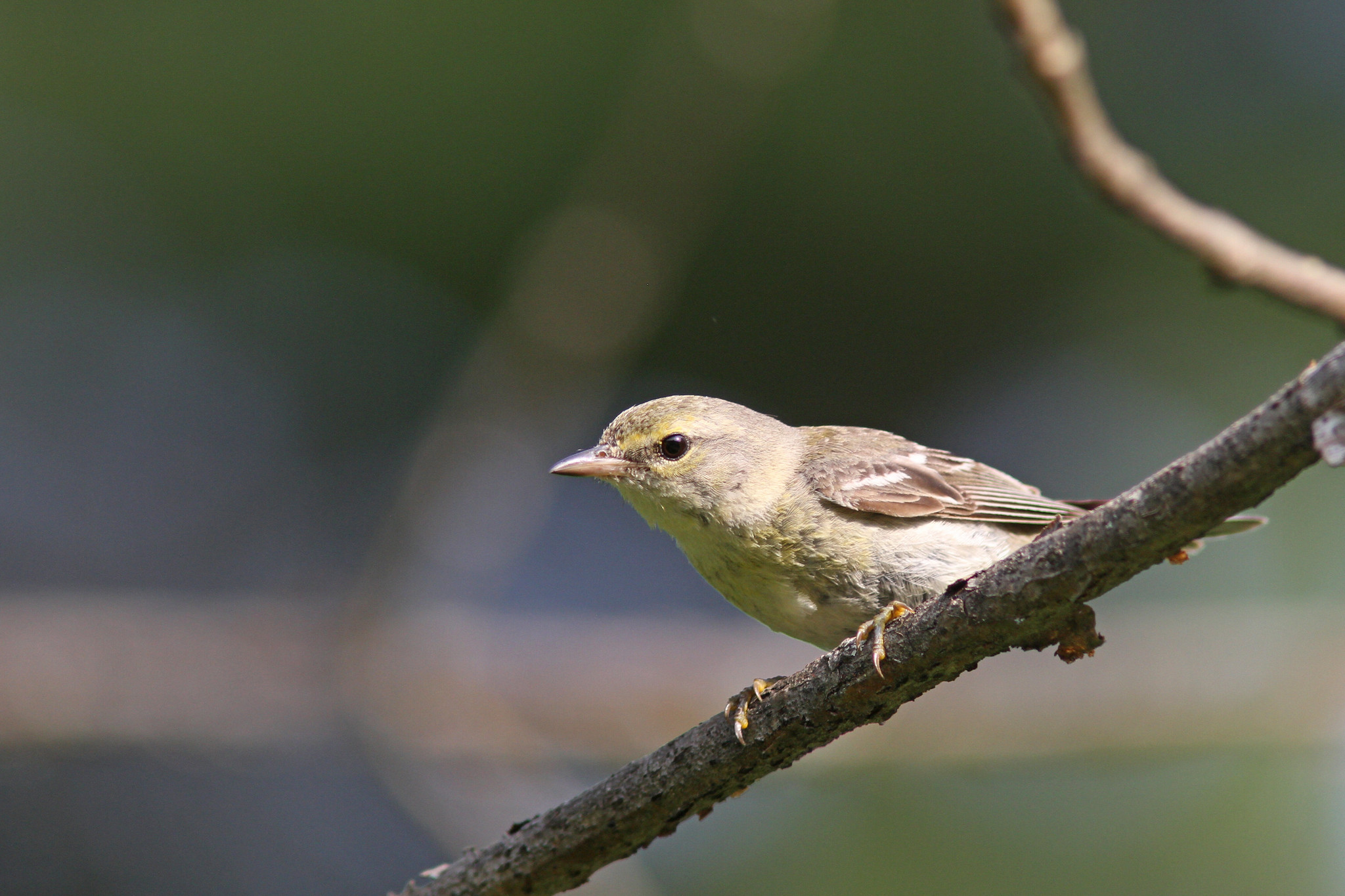
Pine Warbler, Prescott Peninsula, New Salem, MA, Jun 30, 2018
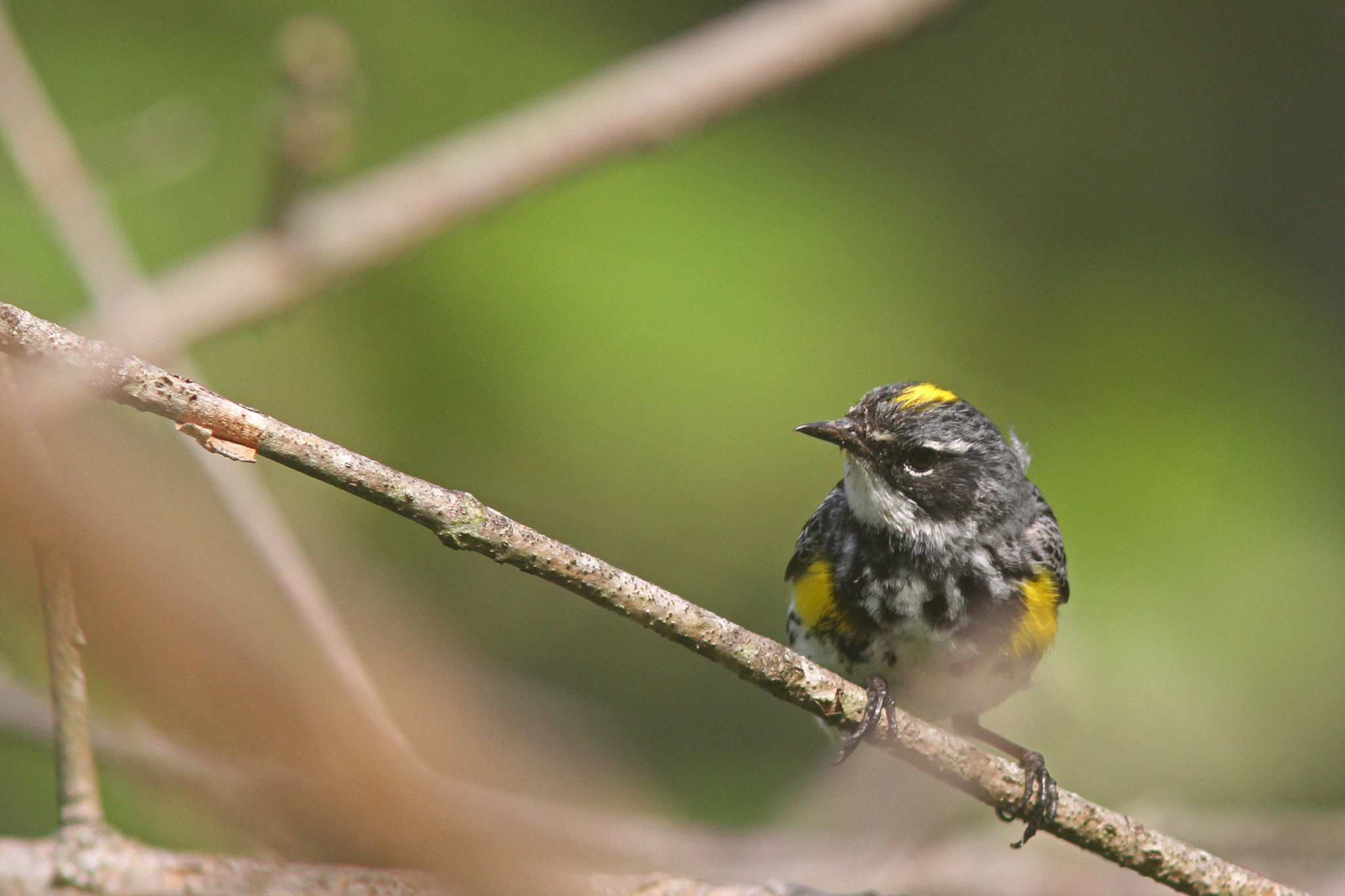
Yellow rumped Warbler 'myrtle', Prescott Peninsula, New Salem, MA, Jun 30, 2018
Purple Finch, Prescott Peninsula, New Salem, MA, Jun 30, 2018
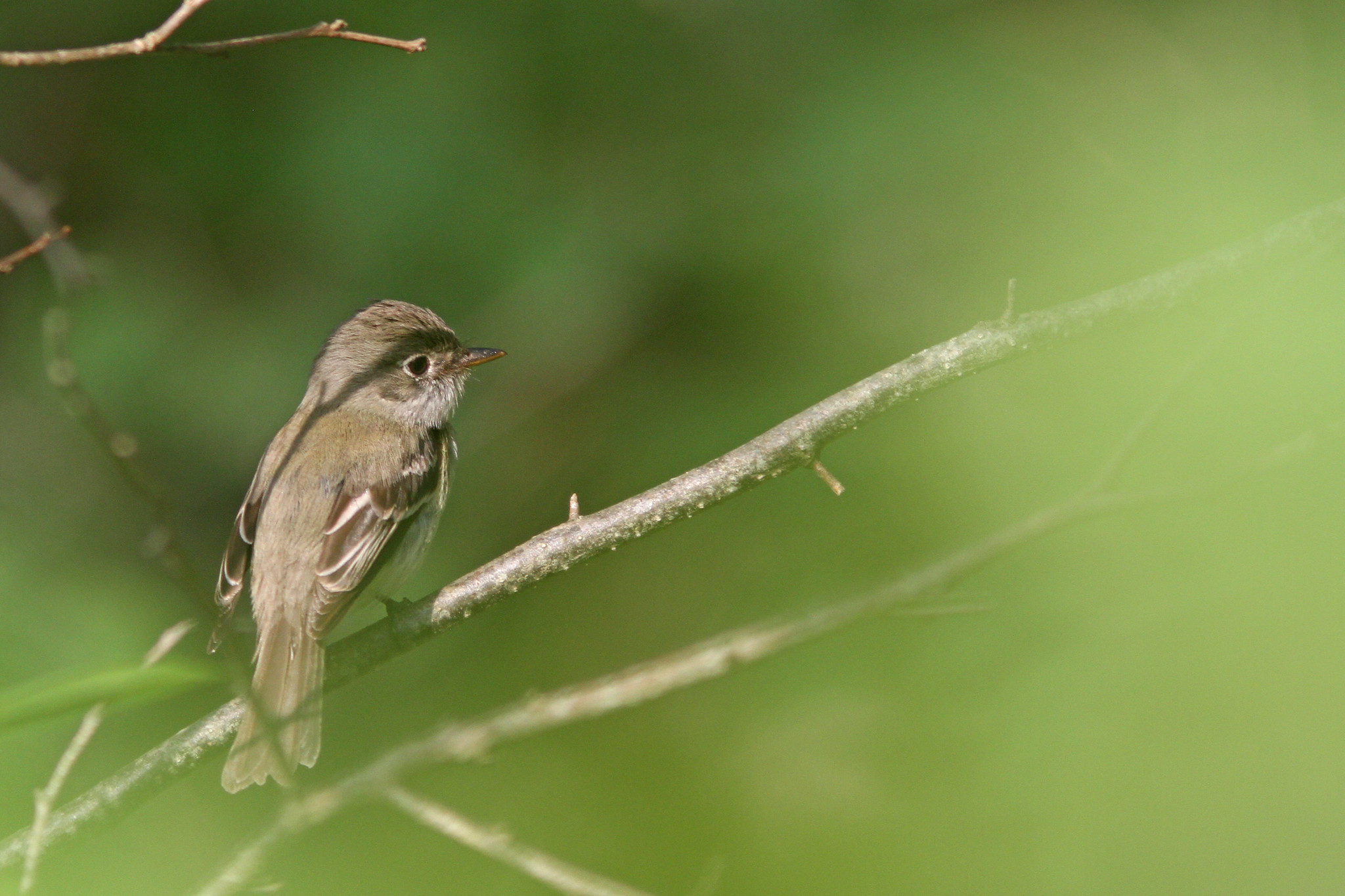
Least Flycatcher, Prescott Peninsula, New Salem, MA, Jun 30, 2018
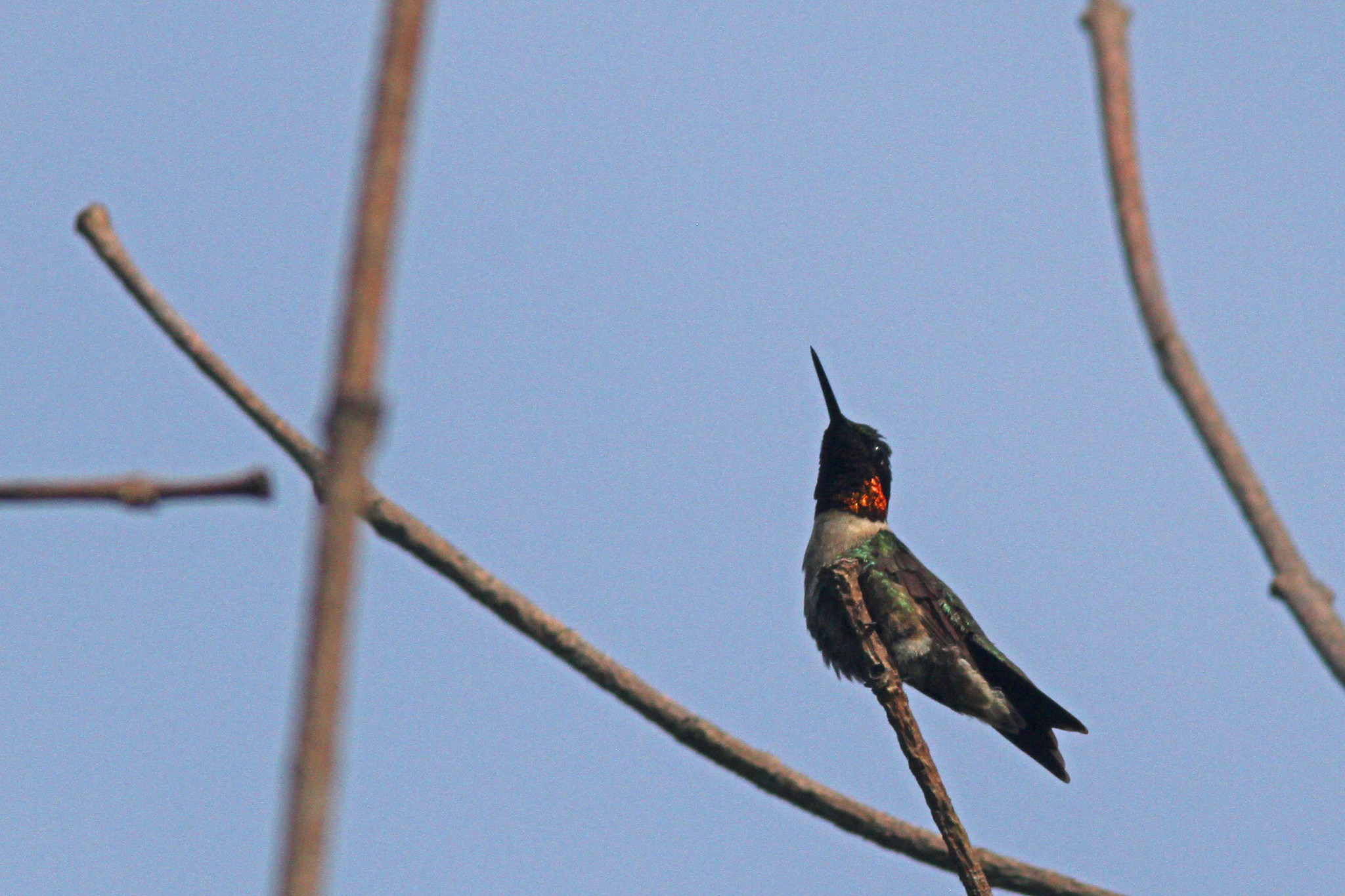
Ruby throated Hummingbird
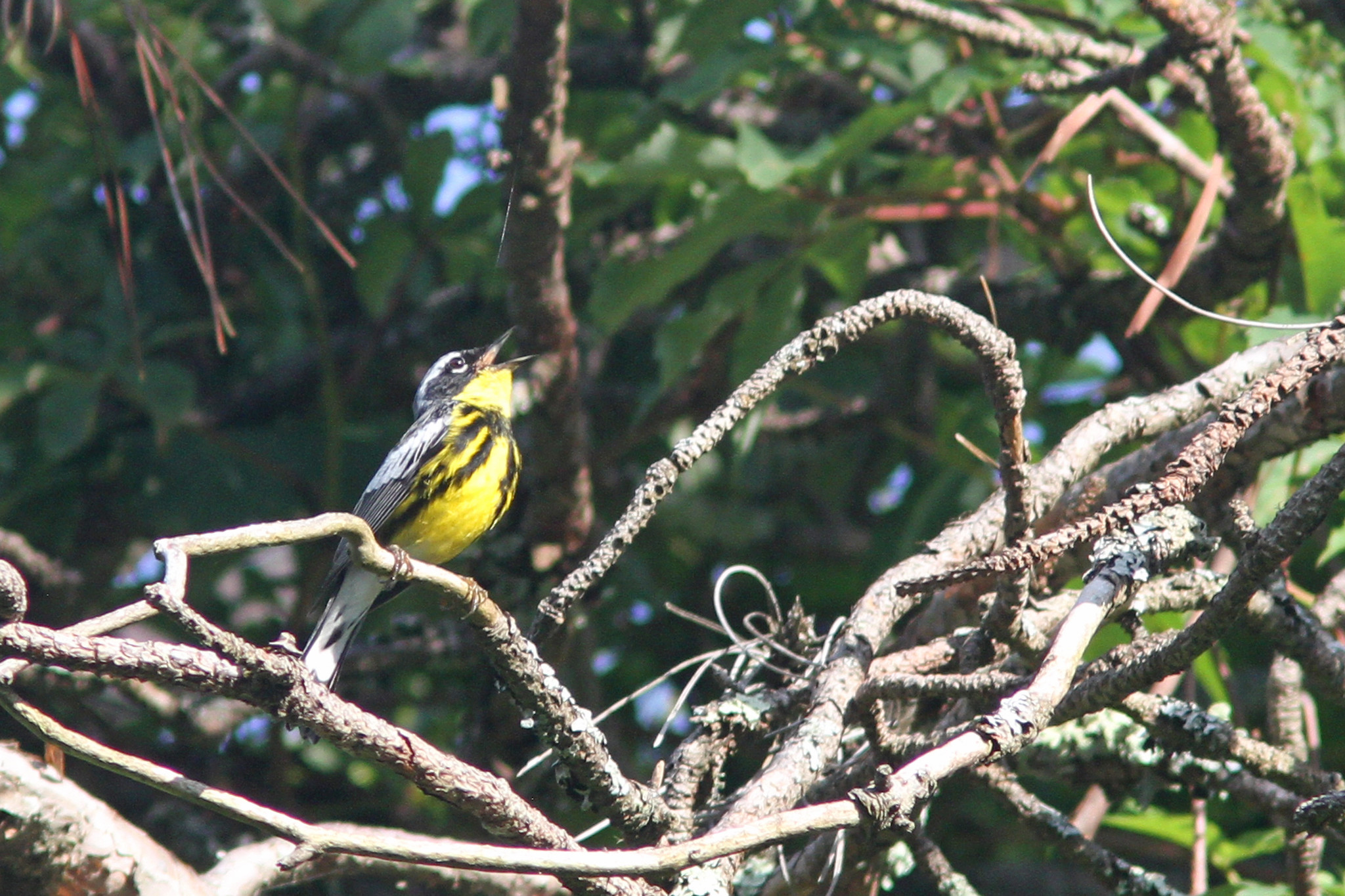
Magnolia Warbler, Prescott Peninsula, New Salem, MA, Jun 30, 2018
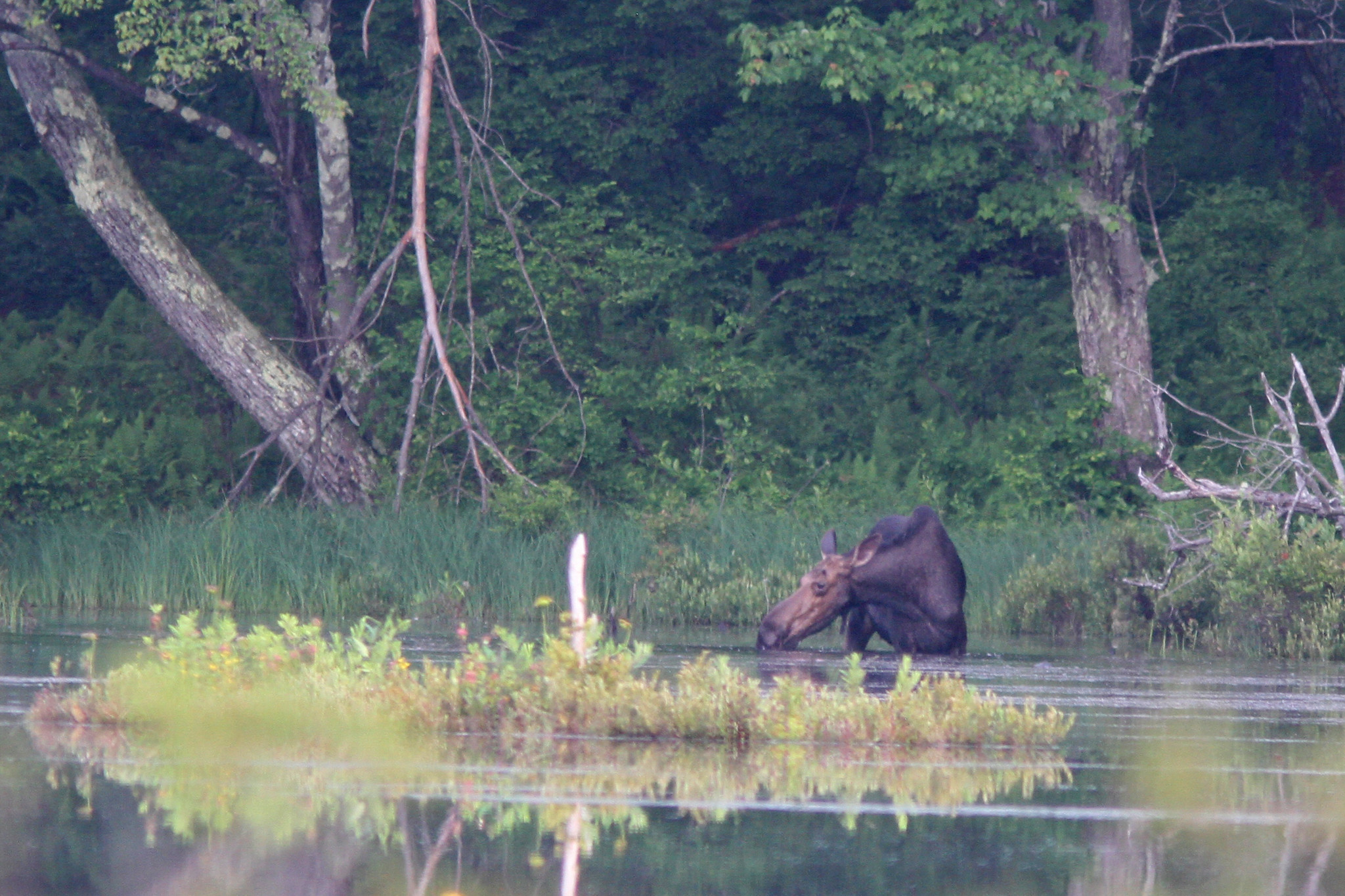
Moose, Prescott Peninsula, New Salem, MA, Jun 30, 2018
Pond and marsh, Prescott Peninsula, New Salem, MA, Jun 30, 2018
I spent the last morning of the month conducting a few bird surveys on the permit only Prescott Peninsula.  Lots of breeding activity noted (and lots of deer flies and mosquitoes) throughout the morning with several highlights including fledgling Ruffed Grouse and Wild Turkeys, several cuckoos of both species, Barn and Bank Swallows (quite unusual on Prescott), Red breasted Nuthatches at multiple stops, a dozen warbler species and at least four Red Crossbills noted at two different locations.  I first had two flyovers calling and then heard at least two more a mile or so away.  I tried to get recordings to figure out the specific type but I didn't have any luck.  I also tried to track down the area the birds might have been headed to without any luck either.  I will try again later to see if I can relocate them and get some recordings.  No trip onto the peninsula is complete with a Moose sighting and I was able to watch one for several minutes as it fed at the edge of a pond.  The next several days look to feature continued 90+ degree weather, likely breaking records once again.


Thursday, July 4, 2013

Fourth of July birding on Prescott Peninsula

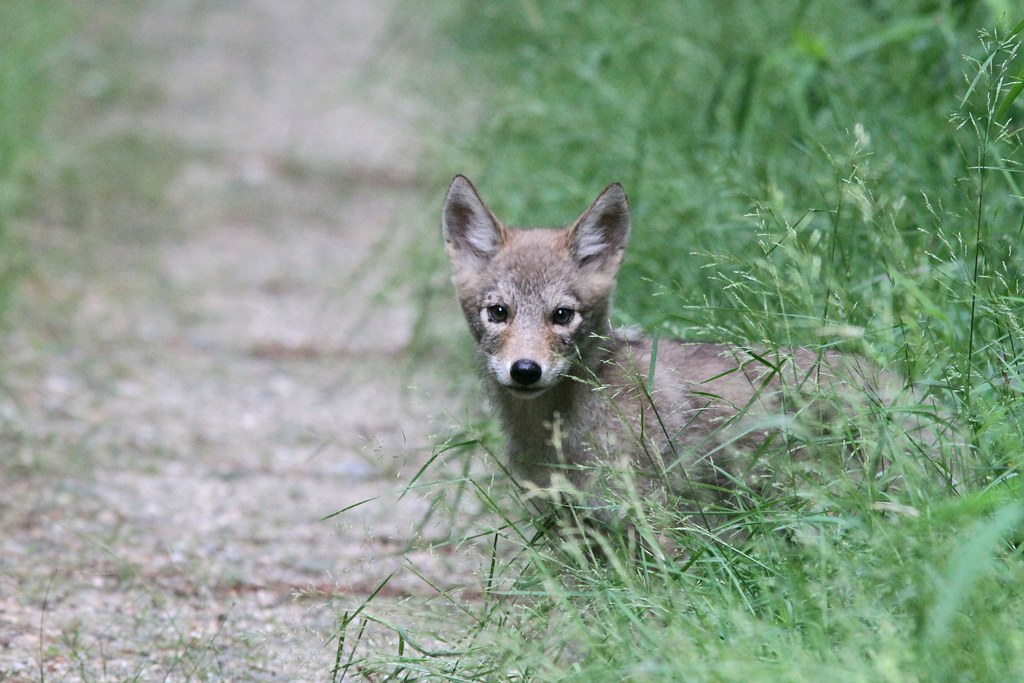
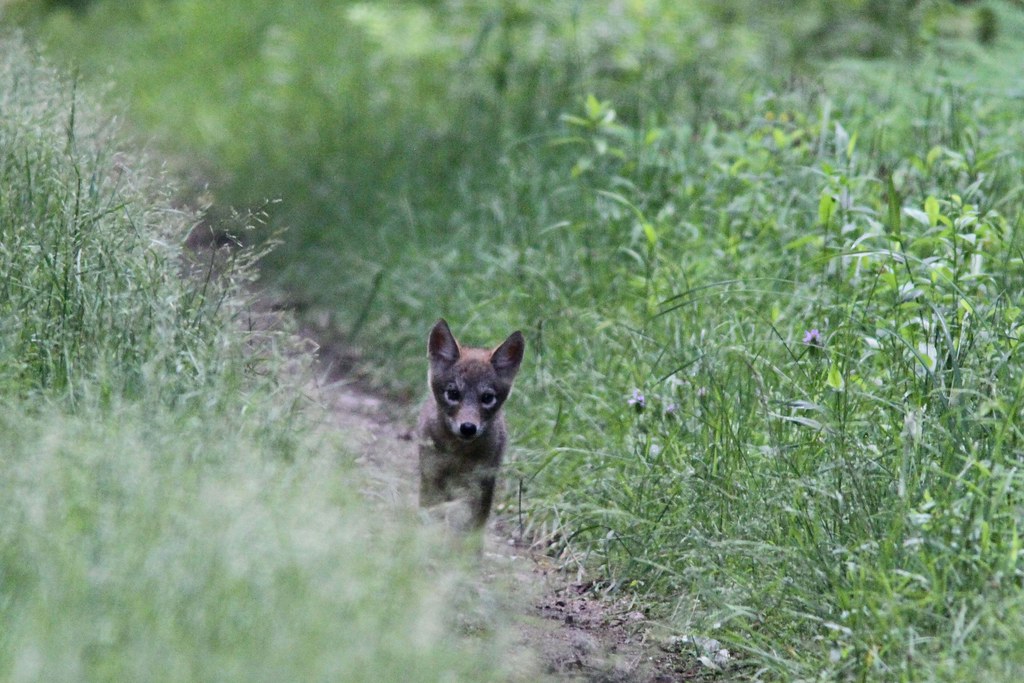
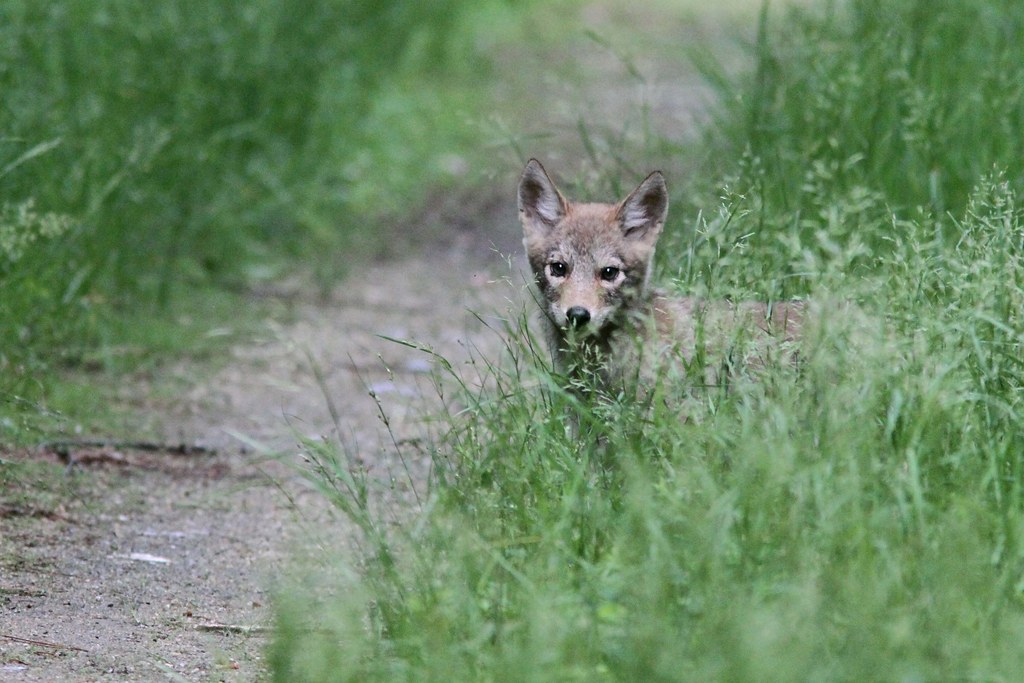
Eastern Coyote pup, Prescott Peninsula, July 4, 2013
I decided to spend a little time on this hot fourth of July on the Prescott Peninsula checking on species breeding in the various fields located on the peninsula.  As expected the mosquitoes and other insects were thick and made tracking down any bird life quite difficult.

I did have a few mammal sightings with the best being some Eastern Coyote pups. I ran across one as it was walking up one of the roads toward me as I drove down. I stopped and the pup came in fairly close and then went into the woods to go around me and then popped back out behind me even closer. A very inquisitive little guy. On my way back through the same area about 45 minutes later I ran into a group of three pups together but they quickly disappeared into the woods before I got too close.
Hooded Mergansers, Prescott Peninsula, July 4, 2013


Wild Turkeys, Prescott Peninsula, July 4, 2013

Lots of juvenile birds around and lots of adult carrying food to hidden nests or youngsters. Lots of good stuff including a pair of Barred Owls calling and caterwauling around 6am, lots of vocal thrushes and many other species. I attempted to catch up with some Red Crossbills today but didn't have any luck. I have included the full list for the morning below. It was a very warm morning (started at 75) and quickly warmed up once the fog burned off with the temperature making it into the low 90's with lots of humidity resulting in a heat index around 100...certainly a very tropical feel to the day.  Nothing really unusual today but I did manage to find a total of 67 species from around dawn until around 10am.

This post marks my 600th post since I started this back in 2009 as a way of going into greater detail on my sightings then I could on my Flickr page.  It is interesting to look back from year to year of the places I have been and the sightings I have had...a fun journey.

Full list from the morning:

Hooded Merganser  3     Adult with two nearly grown young
Ruffed Grouse  1     Seen as it crossed road
Wild Turkey  6     Adult with five poults
Great Blue Heron  1
Accipiter sp.  1     Likely Cooper's hawk but seen briefly and this area has had breeding sharp shinned hawks in past years
Red-tailed Hawk  1
Mourning Dove  7
Black-billed Cuckoo  4     Three heard and one seen well
Barred Owl  2     Calling back and forth at 6am
Ruby-throated Hummingbird  1
Yellow-bellied Sapsucker  9     Minimum, likely more
Downy Woodpecker  1
Hairy Woodpecker  3
Eastern Wood-Pewee  3
Alder Flycatcher  1
Least Flycatcher  11
Eastern Phoebe  3
Great Crested Flycatcher  2
Eastern Kingbird  5
Blue-headed Vireo  4
Warbling Vireo  2
Red-eyed Vireo  57
Blue Jay  6
American Crow  5
Tree Swallow  29
Black-capped Chickadee  7
Tufted Titmouse  3
White-breasted Nuthatch  1
Brown Creeper  2
House Wren  2     Unusual here
Winter Wren  1
Blue-gray Gnatcatcher  1
Golden-crowned Kinglet  3
Veery  23   
Hermit Thrush  3
Wood Thrush  16    
American Robin  17
Gray Catbird  28
Cedar Waxwing  44
Ovenbird  36
Black-and-white Warbler  6
Common Yellowthroat  57
American Redstart  26
Magnolia Warbler  8
Blackburnian Warbler  5
Yellow Warbler  8
Chestnut-sided Warbler  24
Black-throated Blue Warbler  13
Pine Warbler  9
Yellow-rumped Warbler (Myrtle)  2
Prairie Warbler  1   
Black-throated Green Warbler  11
Canada Warbler  1
Eastern Towhee  39
Chipping Sparrow  23
Song Sparrow  10
Swamp Sparrow  2
Scarlet Tanager  5
Northern Cardinal  2
Rose-breasted Grosbeak  2
Indigo Bunting  5
Red-winged Blackbird  7
Common Grackle  3
Brown-headed Cowbird  4
Baltimore Oriole  3
Purple Finch  4     A few singing
American Goldfinch  7

Wednesday, July 3, 2013

More on Eastern Whip-poor-wills (including a story of a nest find)


Eastern Whip-poor-will nest, Prescott Peninsula, June 2013 (photo courtesy of Chris Buelow)
As mentioned in a few previous posts I conducted two Eastern Whip Poor Will surveys this year with one covering the Prescott Peninsula and one the area of South Quabbin.  This was the second year of the Prescott survey and the first year of the new South Quabbin route.  I completed these routes in mid to late May and found several birds on each survey.  Chris Buelow from the Massachusetts Natural Heritage and Endangered Species Program recently sent an e-mail to all participants of the various surveys and as part of the end of season wrap up included a photo of a nest he found approximately 1000 feet east of one of my survey points on the south end of the Prescott Peninsula.  This spot has had whip poor wills throughout the time of the Breeding Bird Atlas and was one of the factors in establishing the Prescott survey route.  It is really neat to actually see a photo of a nest of one of the birds I probably heard near the spot.  The nest is really no more than just bare ground with the eggs laid on it.  Below is the story of the find from an e-mail I received from Chris:

"I was actually exploring the steep southern ridge of Mt Ram and flushed the bird while walking along the narrow ridgeline. The bird fluttered up only about 6' high, then flew off to the side only about 15', but out of sight behind a pine sapling. The eggs were right there, on the bare oak leaves, equidistant between a triangle 3 white pine saplings, each about 20' from the other. While walking I was actually thinking about your route out here and was wondering if this open oak forest, really one of the few remaining good examples of this habitat out here that hasn't been invaded by white pine, was the source of your birds. It was pretty wild."
If anyone has any other locations in the area where they have heard whip poor wills please consider contacting Chris (I can provide his contact info if anyone needs it) to potentially set up another survey route so we can keep taps on this declining species and see where they are still hanging on so we can hopefully provide data to those making decisions on how to manage certain areas to keep the birds around. 

More information regarding this species can be found at the Cornell Lab of Ornithology website:  http://www.allaboutbirds.org/guide/Eastern_Whip-poor-will/id

Some of the ‘cool facts’ of the Eastern Whip-poor-will posted on the above mentioned website include the following:

Cool Facts

  • Eastern Whip-poor-wills lay their eggs in phase with the lunar cycle, so that they hatch on average 10 days before a full moon. When the moon is near full, the adults can forage the entire night and capture large quantities of insects to feed to their nestlings.
  • Eastern Whip-poor-will chicks move around as nestlings, making it difficult for predators to rob the nest. The parent may help by shoving a nestling aside with its foot, sometimes sending the young bird tumbling head over heels.
  • The male Eastern Whip-poor-will often will investigate intruders near the nest by hovering in place with his body nearly vertical and his tail spread wide, showing off the broad white tips of the tail feathers.
  • Eastern and Mexican Whip-poor-wills used to be considered one species, simply called the Whip-poor-will. But in 2011 they were split into two species based on differences in mitochondrial and nuclear DNA. Eastern Whip-poor-wills give faster, higher-pitched whip-poor-will calls and have more colorful eggs than their western counterparts.
  • The Eastern Whip-poor-will may locate insects by seeing the bugs’ silhouettes against the sky. Its eyes have a reflective structure behind the retina that is probably an adaptation to low light conditions.
  • The oldest recorded Eastern Whip-poor-will was 4 years old.


Eastern Whip-poor-will, Covey WMA, May 18, 2013 

 I have included a photo of an Eastern Whip-poor-will I took earlier this year at Covey WMA.  I would like to thank Chris again for allowing me to use his photograph of the nest as well as his story of the discovery of the nest.

Even more information on Eastern Whip-poor-wills in the state can be found at the link from the Natural Heritage and Endangered Species Program at:
http://www.mass.gov/eea/docs/dfg/nhesp/species-and-conservation/nhfacts/caprimulgus-vociferus.pdf


Wild Turkeys, Quabbin Park, MA, July 1, 2013

Wild Turkey, Quabbin Park, MA, July 1, 2013
The last several days have featured more of the same as far as weather is concerned.  The warm, humid tropical conditions have continued.  As an indication of how warm it has been the low temperature last night dipped down to 74!  The next several days will feature even warmer temperatures (90 or above) but with a slightly reduced chances of thunderstorms.  I have gotten out briefly a few times the last few days but the mosquitoes have gotten really bad in a few spots.  I have included a few shots I took with my iPhone through my binoculars of a family of Wild Turkeys at Quabbin Park on July 1.

Monday, June 24, 2013

Quabbin Park and Covey WMA


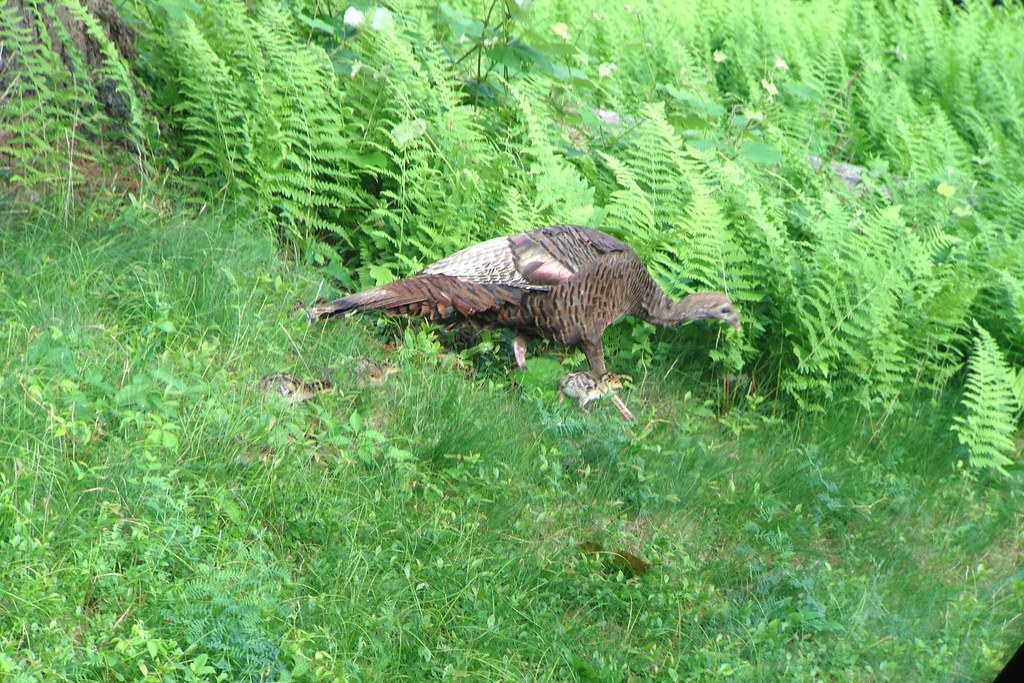
Wild Turkey with poults, Quabbin Park, June 24, 2013
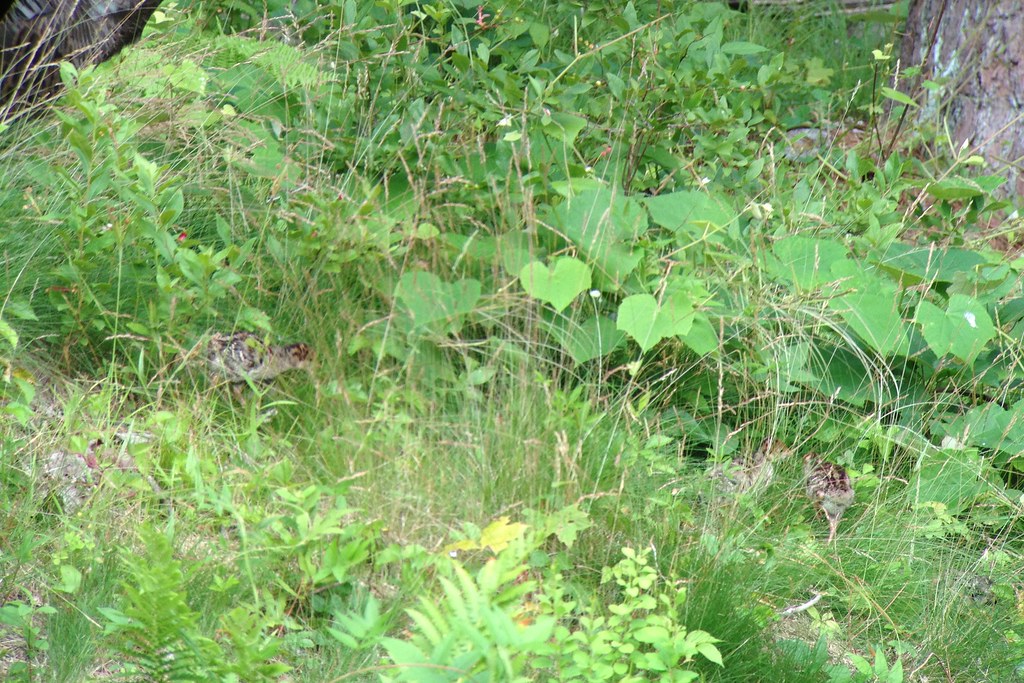
Wild Turkey poults, Quabbin Park, June 24, 2013
Wild Turkey poult, Quabbin Park, June 24, 2013
Wild Turkey with poults, Quabbin Park, June 24, 2013
Common Loon, Quabbin Park, June 24, 2013
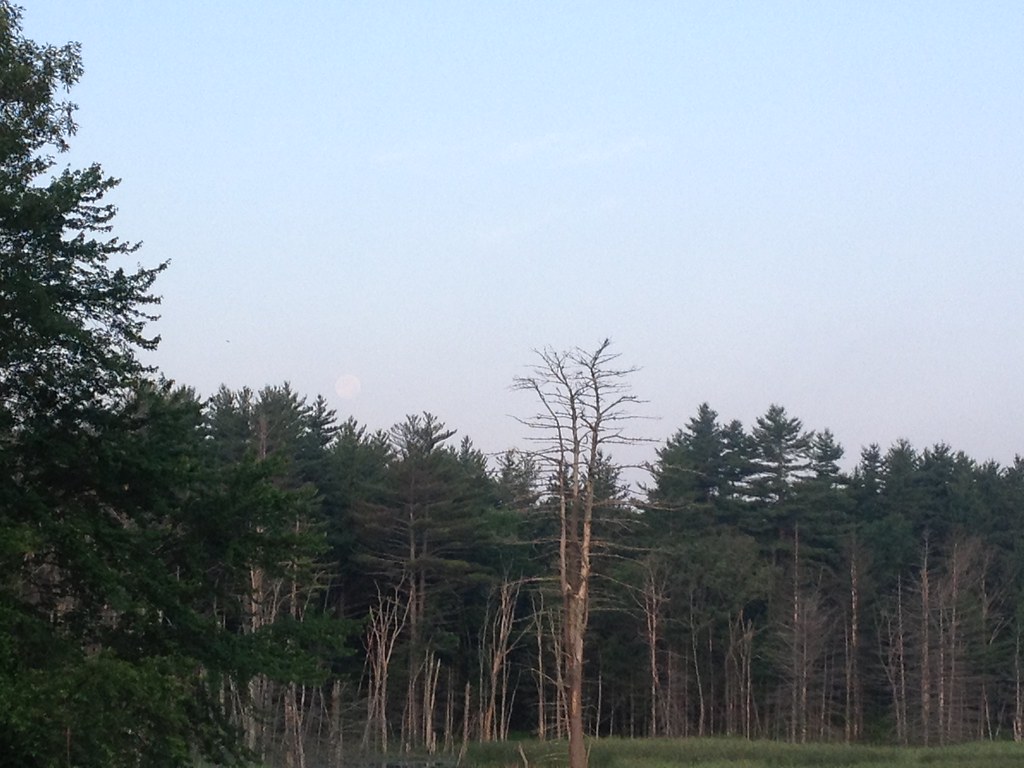
Marsh at Covey WMA (with 'super moon' just over trees on left), Belchertown, MA, June 24, 2013
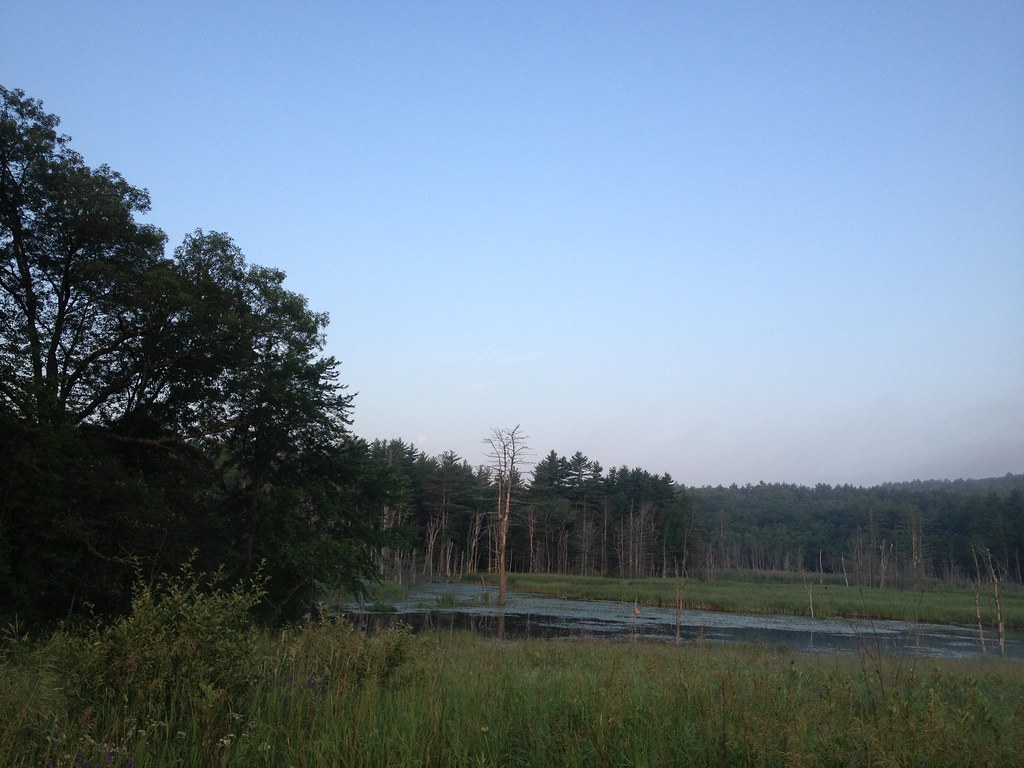
Marsh at Covey WMA, Belchertown, MA, June 24, 2013
The weather has made a change to summer as we continue to roast in the middle of our second heat wave of the year.  The morning started off cloudy with temperatures around 70 and then quickly turned hazy with temperatures quickly rising up to the low 90's.  With the relatively cooler weather of the morning I headed out just before dawn and hit Covey WMA and Quabbin Park.  Still lots of bird song and lots of birds carrying food or feeding fledglings.  The mosquitoes (and other biting insects) were out in force and were barely kept at bay by insect repellent.  I managed to get a view of the 'super moon' through the haze as the clouds broke briefly at Covey.  I tried to find either bobwhite or pheasant at Covey WMA this morning but no luck.  At Quabbin I had a loon swimming very close to shore at Goodnough as well as a couple of female Common Mergansers that flew repeatedly down the road below the trees calling over and over...perhaps trying to get some young out of their tree cavity?  I also ran across a female turkey with eleven small poults right along the road and managed to get some photos through my binoculars.  Wish I had brought along the good camera but oh well.  The water level at the reservoir is not quite up to 100% but it is getting close and has risen several feet over the last few weeks with all the rain.