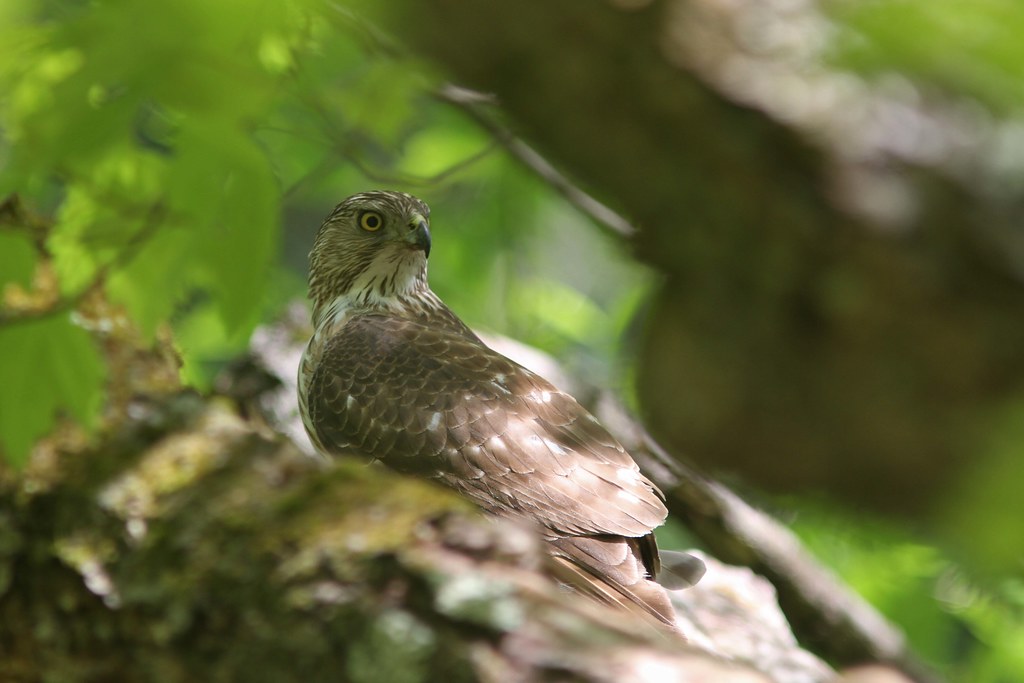
Showing posts with label eastern whip-poor-will. Show all posts

Friday, May 21, 2021

Third week of May

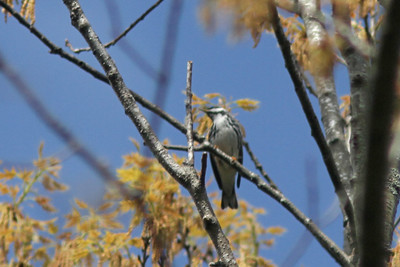
Chestnut sided Warbler, Quabbin Park, MA, May 21, 2021
Wilson's Phalarope, East Meadows, Northampton, MA, May 20, 2021
Blue winged x Golden winged Warbler hybrid, Southampton WMA, Southampton, MA, May 20, 2021
Common Yellowthroat, Arcadia, Northampton, MA, May 20, 2021
White eyed Vireo, Southampton WMA, Southampton, MA, May 19, 2021
Black Bear, Southampton WMA, Southampton, MA, May 19, 2021
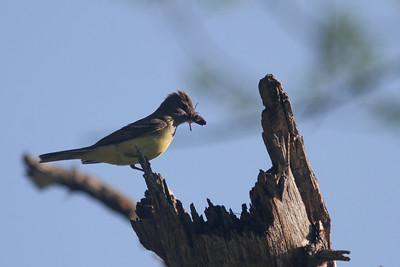
Great crested Flycatcher with nest material, Quabbin Park, MA, May 19, 2021
Yellow Warbler, Quabbin Park, MA, May 17, 2021
Brewster's Warbler, KC Trail, Amherst, MA, May 17, 2021
Red necked Phalarope (yes,really), East Meadows, Northampton, MA, May 17, 2021
Blue winged Warbler with yellowish wing bars, Quabbin Park, MA, May 15, 2021

As is typically the case in mid to late May the last week has been very busy with new arrivals (including a number of rarities).  Although the peak of migration is coming to an end there are still late season migrants moving through even as many local species get down to nesting activity for the year.  The most notable rarities found during the last week were two species of phalaropes with a Red necked Phalarope showing up at a small puddle in the East Meadows on the 17th and then three Wilson's Phalaropes in the same puddle found on the 19th (I saw them the following morning).  Any phalarope is unusual in western mass but to have two different species show up within days of each other at a small puddle with the weather nice is unheard of.  Another good rarity that showed up was a White eyed Vireo in Southampton.  I managed to get to see the the bird on the 19th but it has not be relocated since.  While in the area enjoying the vireo I noticed an odd Blue winged x Golden winged Warbler hybrid and as I walked up the path trying to get some photos a large Black Bear came out of the tangles and blocked the path.  Eventually a detour needed to be made as the bear appeared to be in no hurry to move.  I made it back to the same area the next day and got some photos of the hybrid (no bear this time!).  I also completed a warbler big day in Hampshire County on the 18th and found a total of 28 species of warbler.  A very productive week for sure with overall pleasant weather conditions with some real warmth by the end.

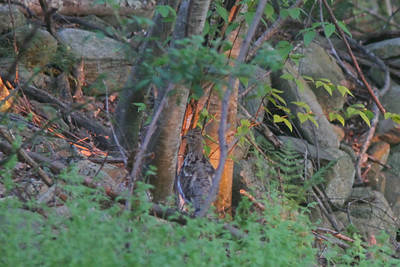
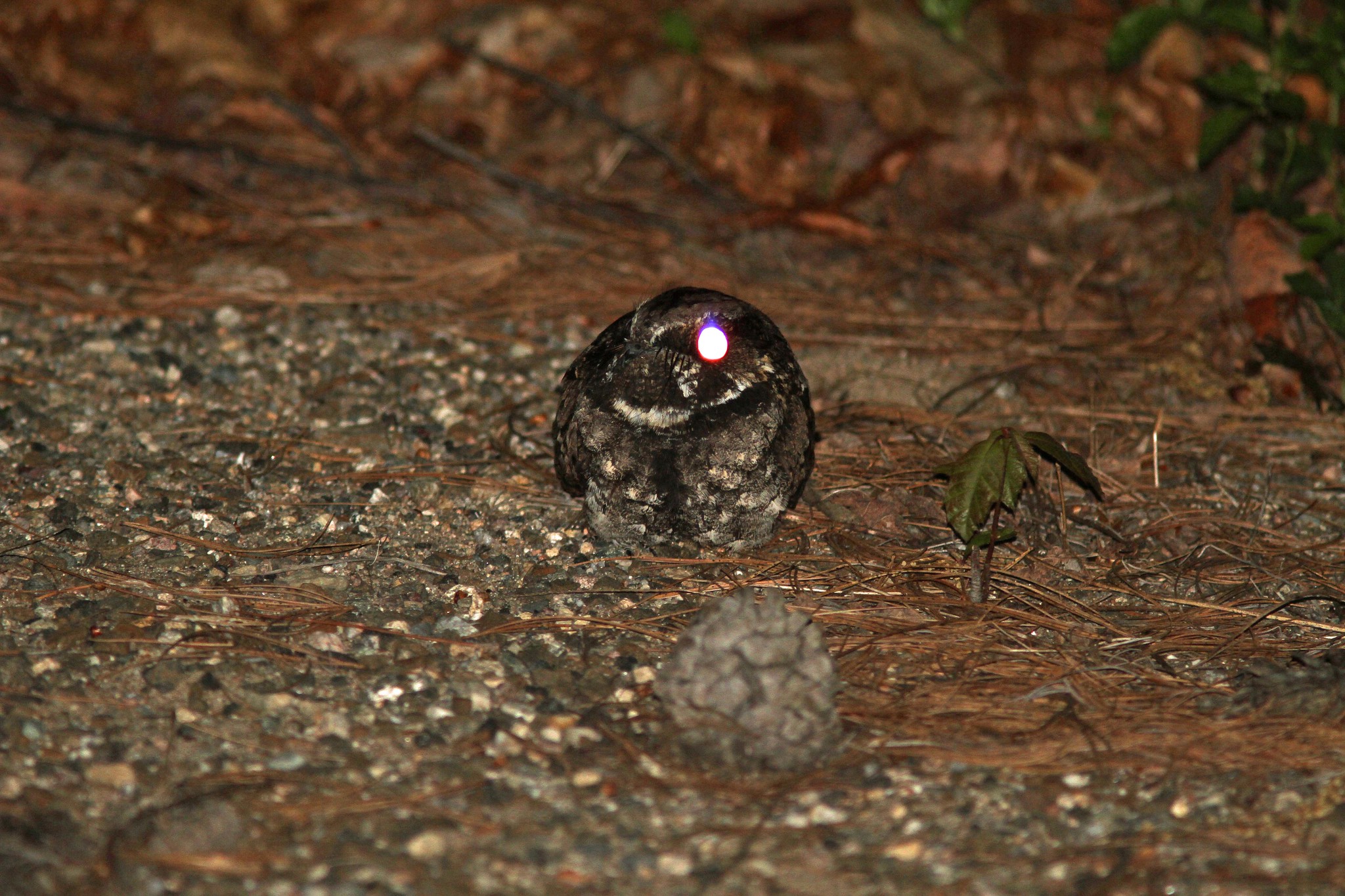
Eastern Whip Poor Will, Quabbin Park, MA, May 19, 2021
Ruffed Grouse, Prescott Peninsula, New Salem, MA, May 20, 2021
Sunset at survey stop 1, Prescott Peninsula, New Salem, MA, May 20, 2021

I completed both of my annual Eastern Whip Poor Will surveys on Wednesday and Thursday evenings.  It is tough to get these surveys completed sometimes as the conditions have to be just right (clear skies, little or no wind) and only completed when the survey window is open (related to the phases of the moon).  The two survey routes consist of Quabbin Park and south and the second on Prescott Peninsula.  The conditions were perfect on Wednesday for the Quabbin Park route and we had a great showing of Eastern Whip Poor Wills and I even managed a very crappy photo of one.  The conditions on Thursday were less than perfect with some wind but the route got completed nonetheless.  Being able to be 'behind the gates' at Quabbin after hours is always fun and almost guarantee some Moose sightings (which I had on Prescott as usual).  I look forward to conducting field surveys on Prescott once nesting season is in full swing.

Hooded Merganser egg remnants in box 2, Home, Belchertown, MA, May 18, 2021
Eastern Bluebird eggs in nest box, Home, Belchertown, MA, May 20, 2021
Gray Catbird nest with eggs, Home, Belchertown, MA, May 20, 2021
 Blackpoll Warbler, Home, Belchertown, MA, May 15, 2021
Swainson's Thrush, Home, Belchertown, MA, May 15, 2021

Meanwhile at home lots of birds have either completed nesting or have just started.  The second Hooded Merganser box fledged (unfortunately the camera set up on the box malfunctioned and I didn't get any video of them leaving the box).   I have found a few different nests around the yard including Eastern Bluebirds in one of my nest boxes and a Gray Catbird nesting right off the deck.  The yard has also produced a number of migrants including several Blackpoll Warblers and a Swainson's Thrush that stayed around all day feeding along the driveway.

Tuesday, June 2, 2015

June begins with rainy, cool weather plus a more detailed look at the whip poor will surveys


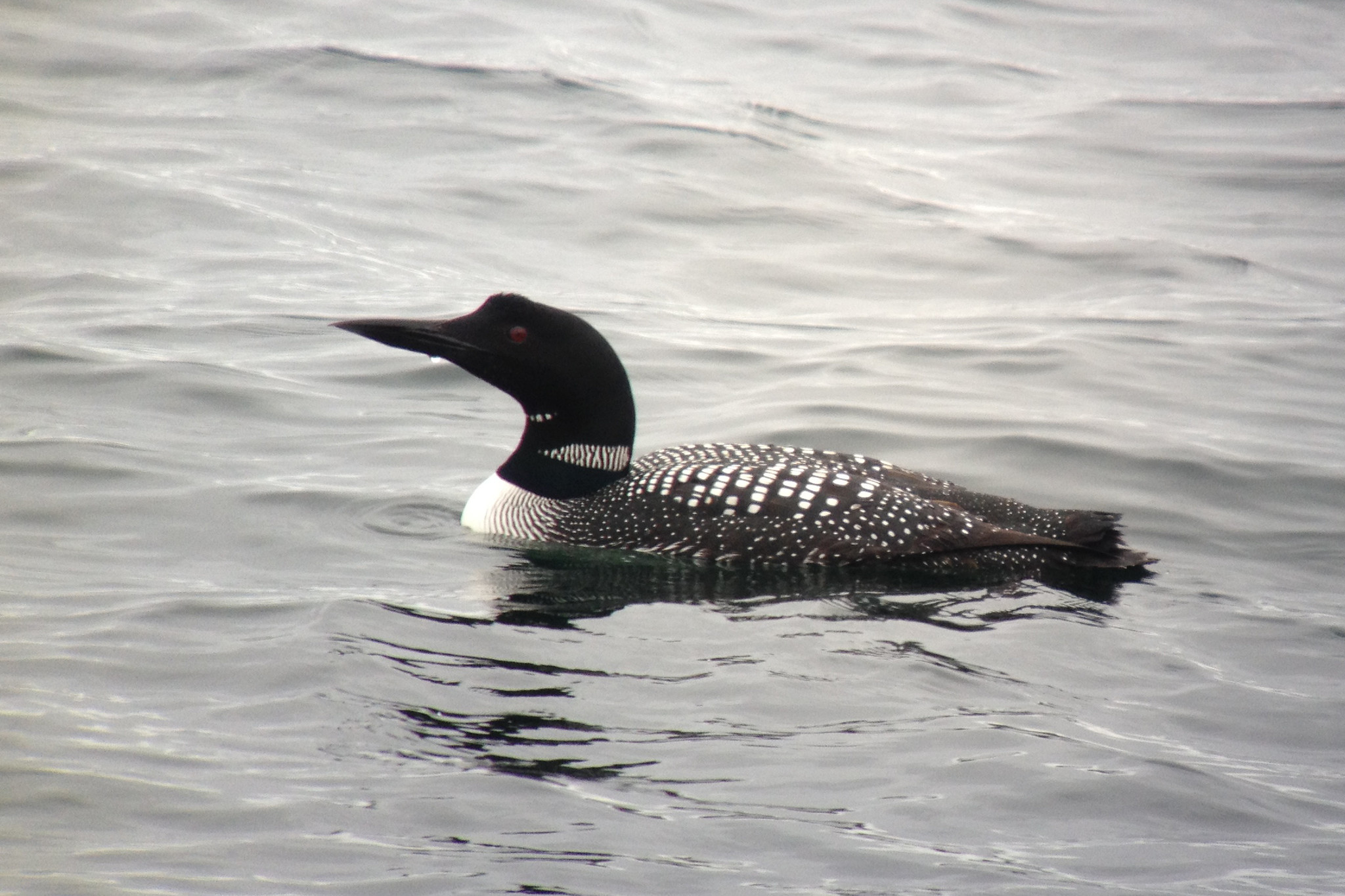
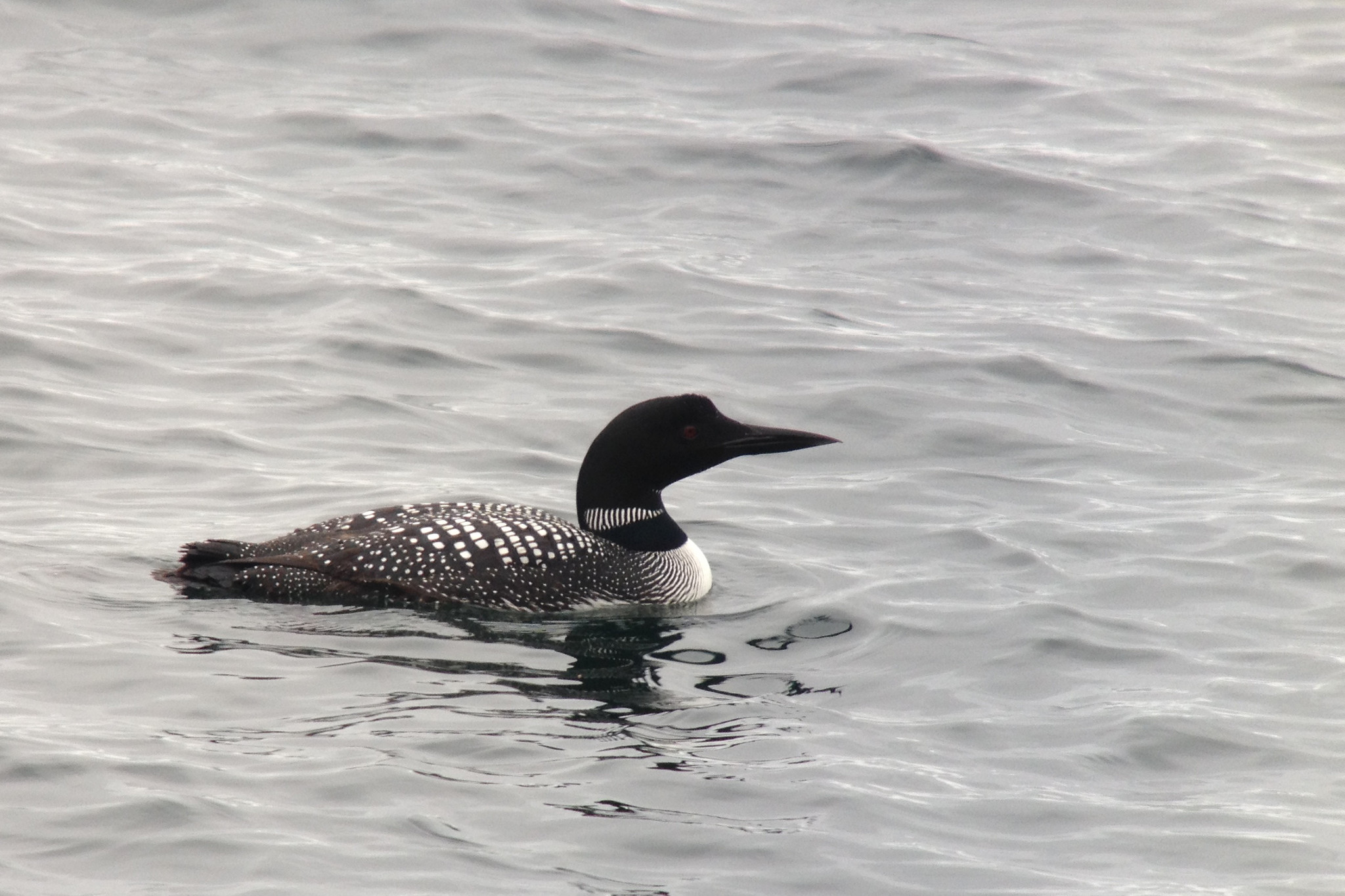
Common Loon, Winsor Dam, Quabbin Park, MA, June 2, 2015
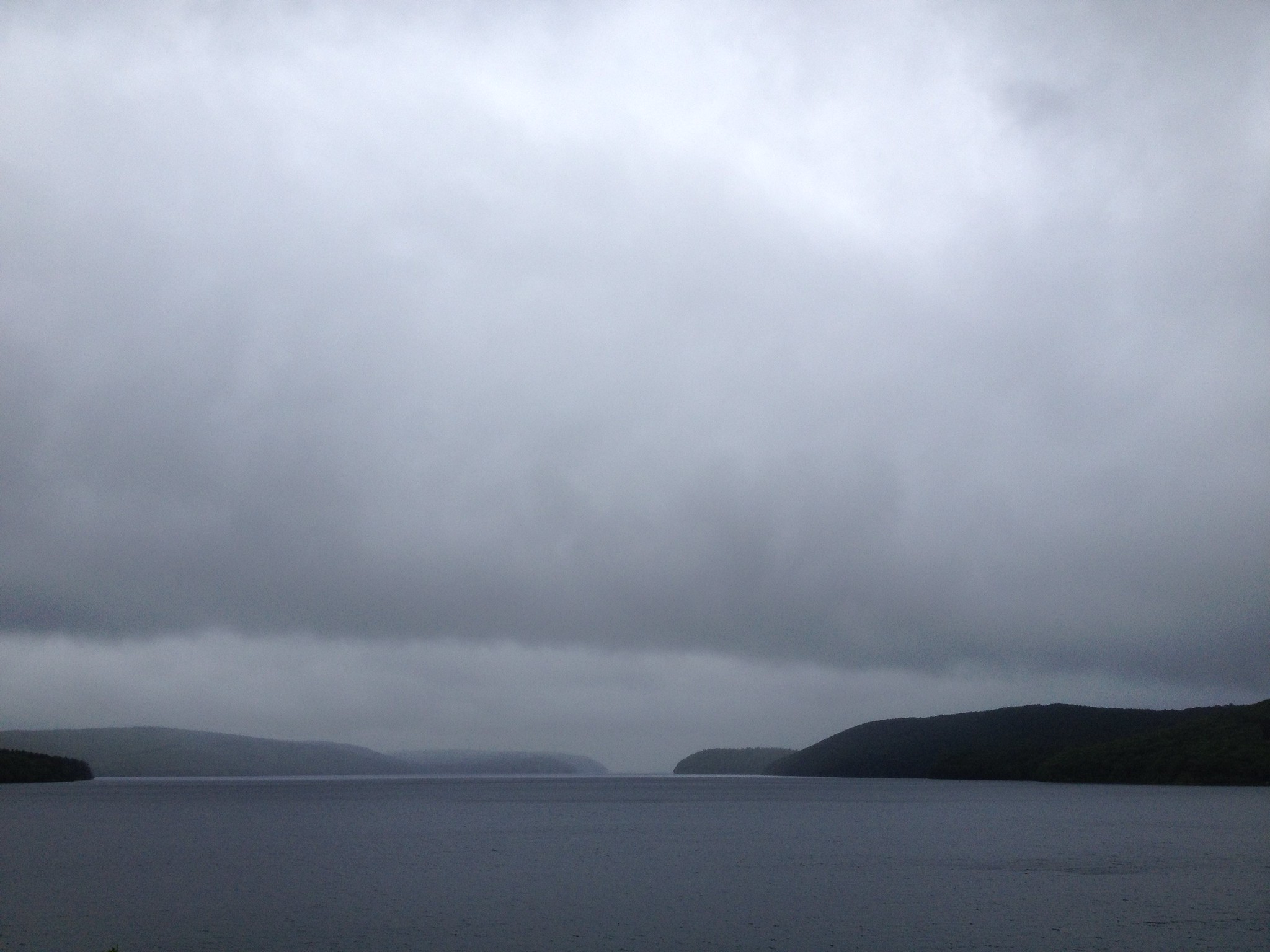
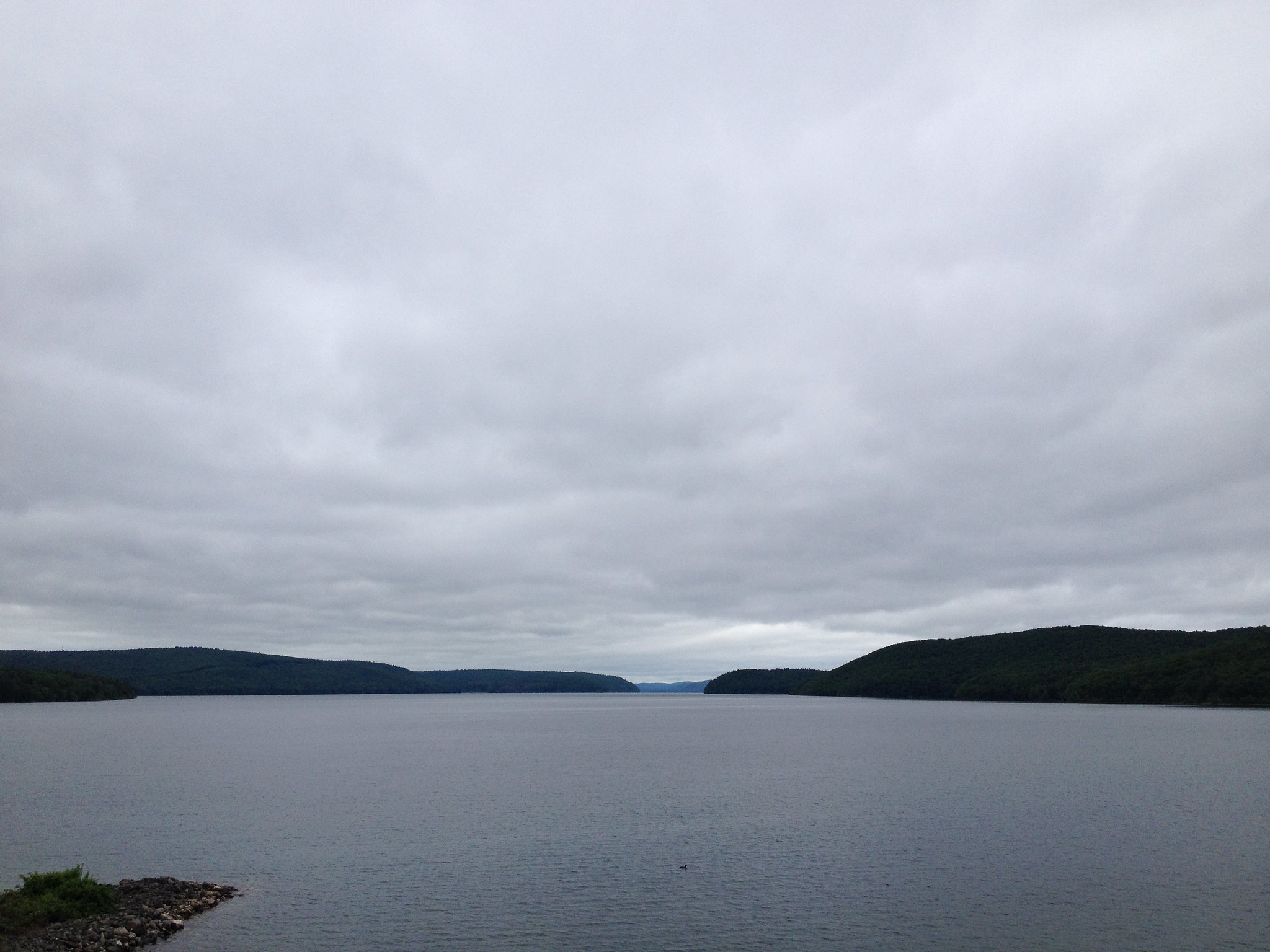
Winsor Dam, Quabbin Park, MA, June 2, 2015
Winsor Dam, Quabbin Park, MA, June 1, 2015
As the rain and cool weather has made getting out for any extended period tough the last couple days I don't have a lot to report.  I had hopes that the rainy, cool weather would ground some late season migrants but no luck in finding anything of note at Winsor Dam during checks of the location early and late in the day. I'm sure with enough looking something good could be found but I didn't have the time. The only notable report I saw was of a Short billed Dowitcher in the southern Berkshires.  At least I got some close looks at a Common Loon this evening at the dam.  Sadly these days of rainy, cold weather is quite tough on aerial insectivores (swallows and swift) as well as turkeys which should just be hatching out young now. 
Eastern Whip Poor Will, Covey WMA, May 18, 2013 (no new shots of this species)
Without a lot of new stuff report I will take this time to look at the two Eastern Whip Poor Will survey routes I completed during the end of last week. This was the fourth time I have completed the Prescott Peninsula route and the total of seven whips at the ten stops is exactly the same total I have gotten every time I have done the survey. However the locations of the individuals have changed a bit with a drop off in some areas and an increase in others. When you consider the additional calling individuals between survey stops (three additional birds) the total beats the previous years. The Quabbin Park (and south) route is now in its third year and this years total of 11 on the route is a bit below last years total of 14 but above the first years total of just five (that year the conditions to run the route were not optimal so the lower total is not unexpected). Overall it appears to be a roughly average to just above average year for the whip poor wills along the route. I have included the breakdown of each route with totals below:


Quabbin Park route

Stop #                      # of whip poor wills heard

1                             1

2                             0

3                             2

4                             1

5                             3

6                             2

7                             1

8                             0

9                             1

10                           0

                               11 total (plus one more between stops)
Prescott Peninsula route
Stop #                    # of whip poor wills heard

1                            0  

2                            1

3                            1

4                            1

5                            1

6                            0

7                            0

8                            2

9                            1

10                          0
                              7 total (plus three more between stops)
I may try to run the Prescott Peninsula route again if I can find the time and the weather works out because a couple of stops on the route had breezy conditions that made hearing any distant birds difficult. I also want to check out the area where I heard a piece of a call as I was driving between stops that sounded a lot like a Chuck Wills Widow. I did not hear the sound when I stopped the car and I didn't have too much time to spend checking it out during the survey. I'm doubtful it was truly a Chucks Will Widow but certainly worth another check.
I also got some information back from Kevin regarding the annual Poverty Mountain bird survey and the total number of species reached 60 species which is the average number for the count up there.

Friday, May 29, 2015

Black crowned Night Heron and probable Common Gallinule along the rail trail in Amherst plus Eastern Whip Poor Will survey last night

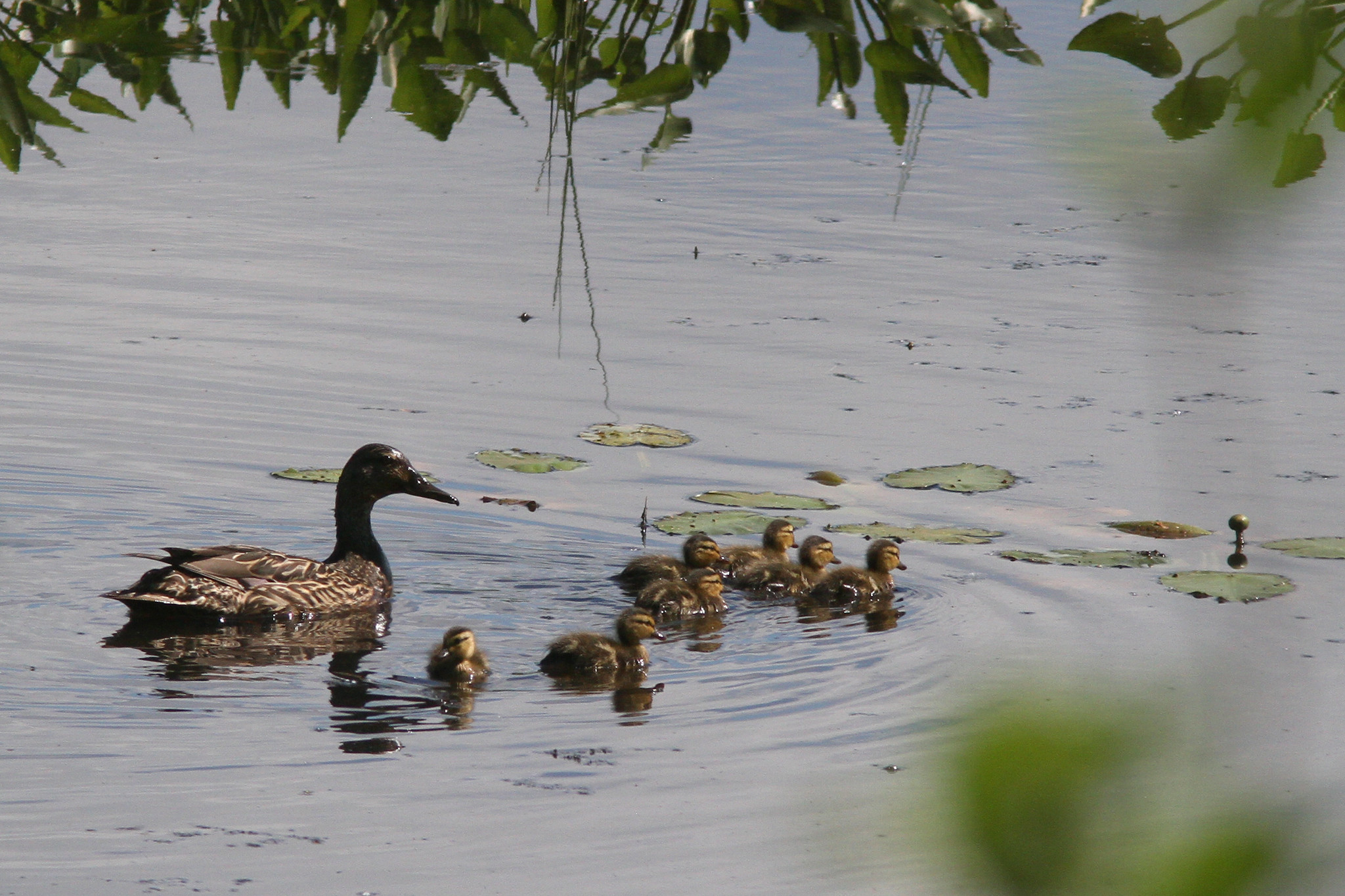
Mallard with ducklings, rail trail, Amherst, MA, May 29, 2015
Black Vulture, Moody Bridge Rd, Hadley, MA, May 29, 2015

White tailed Deer, rail trail, Amherst, MA, May 29, 2015
Hop Brook marsh, rail trail, Amherst, MA, May 29, 2015
I headed over to the rail trail in Amherst with thoughts of hitting that area and then over through Hadley to Silvio Conte NWR and then perhaps down to Skinner SP or back over to some gates on the west side of Quabbin but I ended up spending almost my entire morning at the rail trail as I tried to track down a bird in the Hop Brook marsh that I'm almost certain was a Common Gallinule (a very unusual species in the county...I have only seen one before in the county back in May of 2005 in nearly the exact same spot!).  Despite hours of looking I never did get a visual on the bird but did get a lot of audio that hopefully will confirm the bird.  The only other real possibility would be an odd sounding Sora but it just doesn't sound right for that species.  All the videos are at the following link:
https://www.flickr.com/photos/54277284@N05/sets/72157651328273174
As I spent time trying to get looks at the mystery bird I had another great bird when I heard a low croaking sound coming from overhead that sounded unlike a Great Blue or Green Heron but sounded a lot like a Black crowned Night Heron.  I quickly scanned the blue skies and spotted a stocky, chunky short necked heron heading north to south a few hundred feet above the trees.  I got a several second binocular view of an overall gray heron which indeed was an adult Black crowned Night Heron!  The bird appeared to be heading past the marsh complex here as I lost it from view behind some trees.  I was never able to get the camera up fast enough to get a shot before it went out of view but I got a good view of the bird.  A long overdue Hampshire County record of this species for me, bringing my total to 284. 

I also made a brief visit to the vulture roost on Moody Bridge and managed to find a Black Vulture as it left the roost and headed toward the river.

I also completed the first of two Eastern Whip Poor Will survey routes last night with the assistance of a biologist from Quabbin (thanks Ki).  This route goes through Quabbin Park and then continues south to the Palmer line.  Despite the thunderstorms in the late afternoon the weather turned out to be very nice with light winds, clear skies and thankfully few mosquitoes!  We ended up with 11 Eastern Whip Poor Wills calling at the various stops plus two more between our ten stops.  A successful time indeed with a few of the birds calling very close to us.  Hopefully I will get the other one done tonight.  Below are a couple quick video clips of some whips calling:

https://www.flickr.com/photos/54277284@N05/18238837252/in/dateposted-public/
https://www.flickr.com/photos/54277284@N05/18054793258/in/dateposted-public/

Wednesday, July 3, 2013

More on Eastern Whip-poor-wills (including a story of a nest find)


Eastern Whip-poor-will nest, Prescott Peninsula, June 2013 (photo courtesy of Chris Buelow)
As mentioned in a few previous posts I conducted two Eastern Whip Poor Will surveys this year with one covering the Prescott Peninsula and one the area of South Quabbin.  This was the second year of the Prescott survey and the first year of the new South Quabbin route.  I completed these routes in mid to late May and found several birds on each survey.  Chris Buelow from the Massachusetts Natural Heritage and Endangered Species Program recently sent an e-mail to all participants of the various surveys and as part of the end of season wrap up included a photo of a nest he found approximately 1000 feet east of one of my survey points on the south end of the Prescott Peninsula.  This spot has had whip poor wills throughout the time of the Breeding Bird Atlas and was one of the factors in establishing the Prescott survey route.  It is really neat to actually see a photo of a nest of one of the birds I probably heard near the spot.  The nest is really no more than just bare ground with the eggs laid on it.  Below is the story of the find from an e-mail I received from Chris:

"I was actually exploring the steep southern ridge of Mt Ram and flushed the bird while walking along the narrow ridgeline. The bird fluttered up only about 6' high, then flew off to the side only about 15', but out of sight behind a pine sapling. The eggs were right there, on the bare oak leaves, equidistant between a triangle 3 white pine saplings, each about 20' from the other. While walking I was actually thinking about your route out here and was wondering if this open oak forest, really one of the few remaining good examples of this habitat out here that hasn't been invaded by white pine, was the source of your birds. It was pretty wild."
If anyone has any other locations in the area where they have heard whip poor wills please consider contacting Chris (I can provide his contact info if anyone needs it) to potentially set up another survey route so we can keep taps on this declining species and see where they are still hanging on so we can hopefully provide data to those making decisions on how to manage certain areas to keep the birds around. 

More information regarding this species can be found at the Cornell Lab of Ornithology website:  http://www.allaboutbirds.org/guide/Eastern_Whip-poor-will/id

Some of the ‘cool facts’ of the Eastern Whip-poor-will posted on the above mentioned website include the following:

Cool Facts

  • Eastern Whip-poor-wills lay their eggs in phase with the lunar cycle, so that they hatch on average 10 days before a full moon. When the moon is near full, the adults can forage the entire night and capture large quantities of insects to feed to their nestlings.
  • Eastern Whip-poor-will chicks move around as nestlings, making it difficult for predators to rob the nest. The parent may help by shoving a nestling aside with its foot, sometimes sending the young bird tumbling head over heels.
  • The male Eastern Whip-poor-will often will investigate intruders near the nest by hovering in place with his body nearly vertical and his tail spread wide, showing off the broad white tips of the tail feathers.
  • Eastern and Mexican Whip-poor-wills used to be considered one species, simply called the Whip-poor-will. But in 2011 they were split into two species based on differences in mitochondrial and nuclear DNA. Eastern Whip-poor-wills give faster, higher-pitched whip-poor-will calls and have more colorful eggs than their western counterparts.
  • The Eastern Whip-poor-will may locate insects by seeing the bugs’ silhouettes against the sky. Its eyes have a reflective structure behind the retina that is probably an adaptation to low light conditions.
  • The oldest recorded Eastern Whip-poor-will was 4 years old.


Eastern Whip-poor-will, Covey WMA, May 18, 2013 

 I have included a photo of an Eastern Whip-poor-will I took earlier this year at Covey WMA.  I would like to thank Chris again for allowing me to use his photograph of the nest as well as his story of the discovery of the nest.

Even more information on Eastern Whip-poor-wills in the state can be found at the link from the Natural Heritage and Endangered Species Program at:
http://www.mass.gov/eea/docs/dfg/nhesp/species-and-conservation/nhfacts/caprimulgus-vociferus.pdf


Wild Turkeys, Quabbin Park, MA, July 1, 2013

Wild Turkey, Quabbin Park, MA, July 1, 2013
The last several days have featured more of the same as far as weather is concerned.  The warm, humid tropical conditions have continued.  As an indication of how warm it has been the low temperature last night dipped down to 74!  The next several days will feature even warmer temperatures (90 or above) but with a slightly reduced chances of thunderstorms.  I have gotten out briefly a few times the last few days but the mosquitoes have gotten really bad in a few spots.  I have included a few shots I took with my iPhone through my binoculars of a family of Wild Turkeys at Quabbin Park on July 1.

Friday, May 31, 2013

Yesterday morning fog and whip-poor-will survey last night


Not much to report from yesterday morning as everywhere was fog, fog and more fog.  The thunderstorms of the previous night dropped a lot of rain and the humidity was quite high.  Not sure if anything came in after the storms but if anything did I didn’t get to see it!  Eventually the fog burned off and the temperatures climbed to 90.
View from Goodnough Dike, May 30, 2013
Last night I conducted my second whip-poor-will survey along with a couple biologists from Quabbin.  This survey route is a new one and starts near the middle entrance at Quabbin Park then to  the east entrance over to Goodnough Dike, up around the tower then over to Winsor Dam then south through Covey WMA and ending in southern Belchertown.  Not the best time to conduct the survey but I’m not sure a better time will present itself this year so we went ahead with it.  The route must begin at least 15 minutes after sunset and consists of ten stop with a total of six minutes spent listening at each stop.  We had a total of six Eastern Whip-poor-wills along the route with five at survey stops and one between stops.  The number should have been higher and if we get a chance in the next survey window in June we will run the route again.

Before the survey began I checked the reservoir from Winsor Dam and had a surprising 48 Mallards out on the nearly still water. I looked though the group but couldn't find anything more unusual among them then a single Hooded Merganser. During the survey we also ran across a Barred and Great Horned Owl in addition to the six whip-poor-wills.

Stop                                                       # of whip-poor-wills

1                                                              1            

2                                                              1

3                                                              2

4                                                              0

5                                                              0

6                                                              0

7                                                              1

8                                                              0

9                                                              0

10                                                            0

Saturday, May 18, 2013

Species #200 for Hampshire County in 2013 (and #201)....plus Birdathon

Common Merganser, Quabbin Park, May 18, 2013
Eastern Whip-poor-will, Covey WMA, May 18, 2013
 
Common Merganser, Quabbin Park, May 18, 2013
I managed to reach the 200 species mark for the year in Hampshire County today when I found a calling Black billed Cuckoo but more about that later. Today continued the annual Mass Audubon Birdathon fund raiser and I spent the day covering areas around Quabbin. I planned on starting at Covey WMA to look for marsh birds, owls and others but after seeing several hunters at various parking areas I changed plans to try to keep myself from ending up with any bullet holes today! However, before I did head over to Quabbin Park I had a great view (and photographed) an Eastern Whip-poor-will at Covey. It was really neat to see it close up and calling...one of the best views I have ever had of this species. I then headed over to Quabbin Park where I spent the next three plus hours and managed 20 species of warbler and 80+ species overall. There were many highlights here including a few mixed species flocks migrating through, four Spotted Sandpipers, six species of flycatcher, four vireo species, and lots of migrant and resident birds.
Common Loon swimming with deer, Quabbin Park, May 18, 2013
 
Perhaps the oddest sighting there this morning (one I have never seen before) was a Common Loon swimming along with a White-tailed Deer at Gate 52...very odd. One other unusual sighting was a female Common Merganser that flew around and around the headquarters building and tried several times to land on one of the chimneys before finally giving up and landing on the water.
 
Cooper's Hawk, Quabbin Gate 5, May 18, 2013
 
Black billed Cuckoo (species #200 for the county year), Quabbin Gate 5, May 18, 2013
After Quabbin Park I made a few other stops including Lake Wallace and Piper Farm Conservation Area before heading back to Quabbin with a stop a Gate 5. As I was heading in another person was heading out and warned me of a Black Bear along the road down to the water. I never did run into the bear but I did have some good stuff nonetheless. Highlights included a good look at a Copper's Hawk, a flyover Evening Grosbeak (heard only so maybe more than one) and flyover Pine Siskin. The best bird was a calling Black billed Cuckoo which became species #200 for the year in Hampshire County. I had set a goal to try to reach 200 before the end of May and I was able to reach the goal just over half way through the month. As a comparison to my previous best year (last year) I reached the 200 mark on the 7th of September. At this point last year (May 18) I was at 183 so obviously I'm a bit ahead of last year. I still have a few species I will hopefully pick up in the next week or two before I have to really start hoping for rarities to push up my totals. There certainly have been rarities around lately so perhaps more will show up soon.
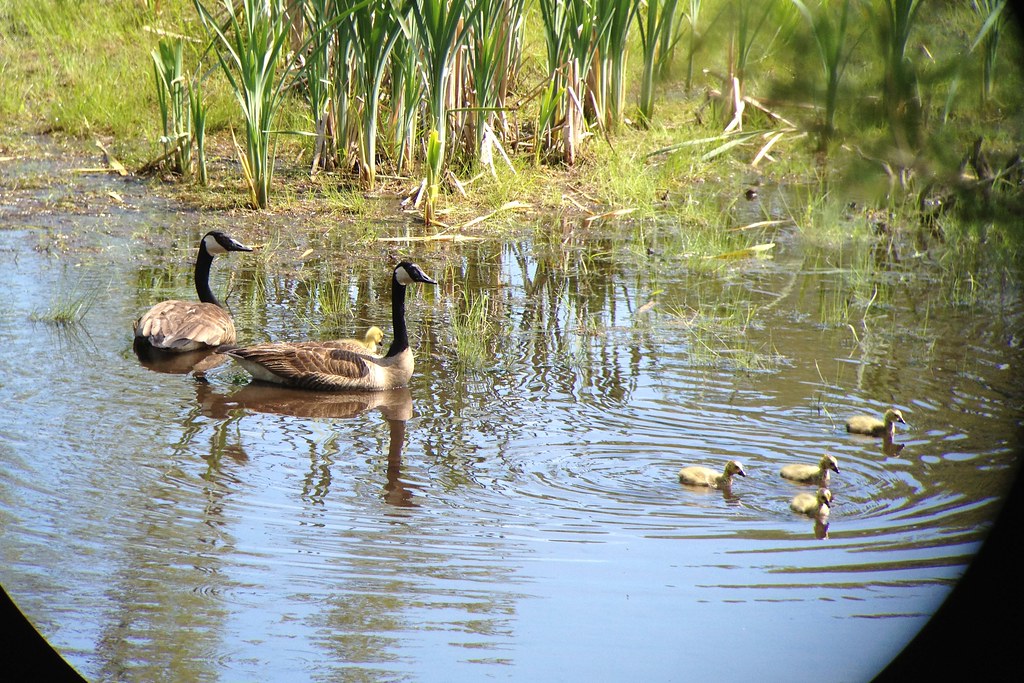
Canada Geese (photo through binos), Belchertown Land Trust trail, May 18, 2013
Late in the morning found me along the land trust trail in Belchertown where I caught up with a few more new species for Birdathon. The Prairie Warblers, Field Sparrow and Eastern Kingbird were busy collecting nesting material. The small marsh held a Solitary Sandpiper and Killdeer. I thought I might have found an unusual bird when I had a Blue winged Warbler call coming from the same field area I had a Lawrence's Warbler in last year around this time of year but the bird was indeed a typical looking Blue winged Warbler.

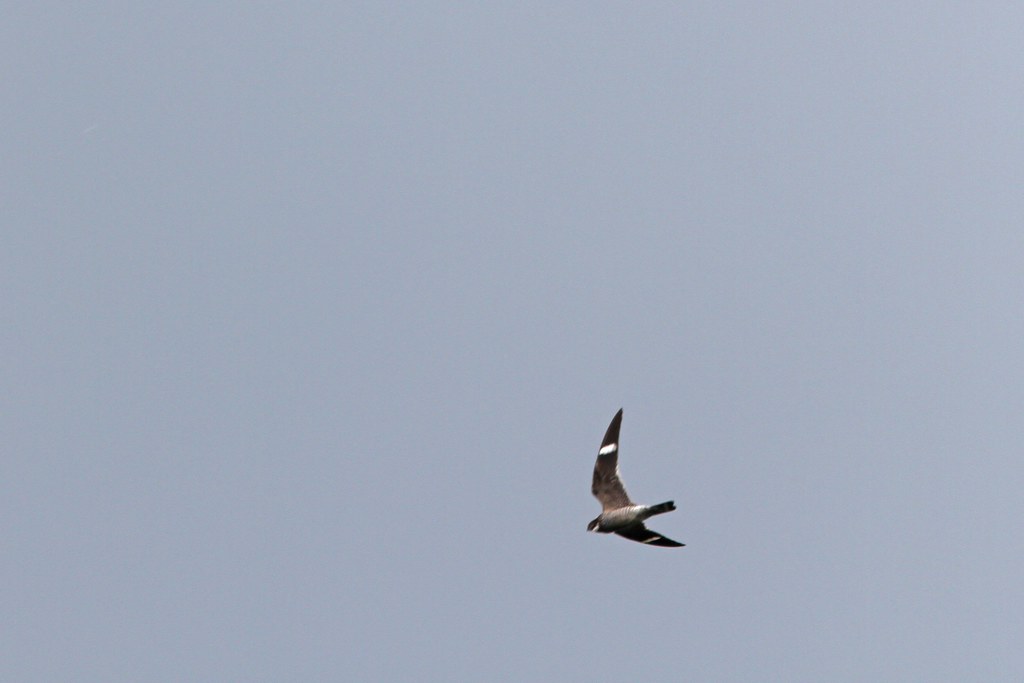
Common Nighthawk, Belchertown, MA, May 18, 2013
I spent a lot of the afternoon at the house catching up with more species and getting some yard work done at the same time. Late in the afternoon I had at least eight Common Nighthawks (#201) feeding and calling over the house.  Always fun to see and photograph two nightjars in one day here around home.  Overall for the day I managed a total of 108 species today with a total of 21 species of warbler. (UPDATE-With my Prescott Peninsula whip poor will survey I added American Woodcock for the day so ended the day with 109 species...makes me wonder how many I could get with a concerted 24 hour effort...perhaps foreshadowing for another time?)

Today also opens up the first window for my two whip-poor-will surveys.  I will attempt my first survey this evening on the Prescott Peninsula as long as the weather cooperates.  Stay tuned!

Sunday, July 1, 2012

June ends, July begins

Sunset at Winsor Dam, Belchertown, MA, June 30, 2012
As June comes to an end we are in the middle of yet another heat wave with temperatures Friday nearing 95 and reaching 90 on Saturday.  Thankfully it is not nearly as humid as the last heat wave so it is tolerable to be outside.
Eastern Whip-poor-will calling, Covey WMA, Belchertown, MA, June 30, 2012

At dusk I spent some time around Winsor Dam at Quabbin Park looking to see if I could find any Eastern Whip-poor-wills calling.  I have not tried for them here for a few weeks so I was not sure they would still be around and calling.  At 8:50 one started calling and was joined by a second.  I then headed to the second entrance to Quabbin Park and had another one there.  My next stop was at Covey WMA where I added two more including a fairly good look at one as it flew past me.

Hooded Warbler, Quabbin, July 1, 2012

Hooded Warbler, Quabbin, July 1, 2012

Broad-winged Hawk, Quabbin Gate 12, July 1, 2012

Red Admiral, Quabbin Gate 12, July 1, 2012
On Sunday I decided to try again for the Hooded Warbler on the west side of Quabbin.  After an absense of a few weeks the male was back singing in the same spot he had been in all spring this year as well as last year.  Although difficult to get a good view of I did manage a few marginal photos.  There was still no sign of suceeful nesting but I certainly hope he was successful this year.  I made a few other stops along the west side of Quabbin with several good looks at various nesting species including a vocal Broad-winged Hawk at gate 12.  By late morning the temperature was well into the 80's so I decided to head in and getb out of the heat