Showing posts with label whip-poor-will survey. Show all posts

Friday, June 10, 2022

First Eastern Whip Poor Will survey completed

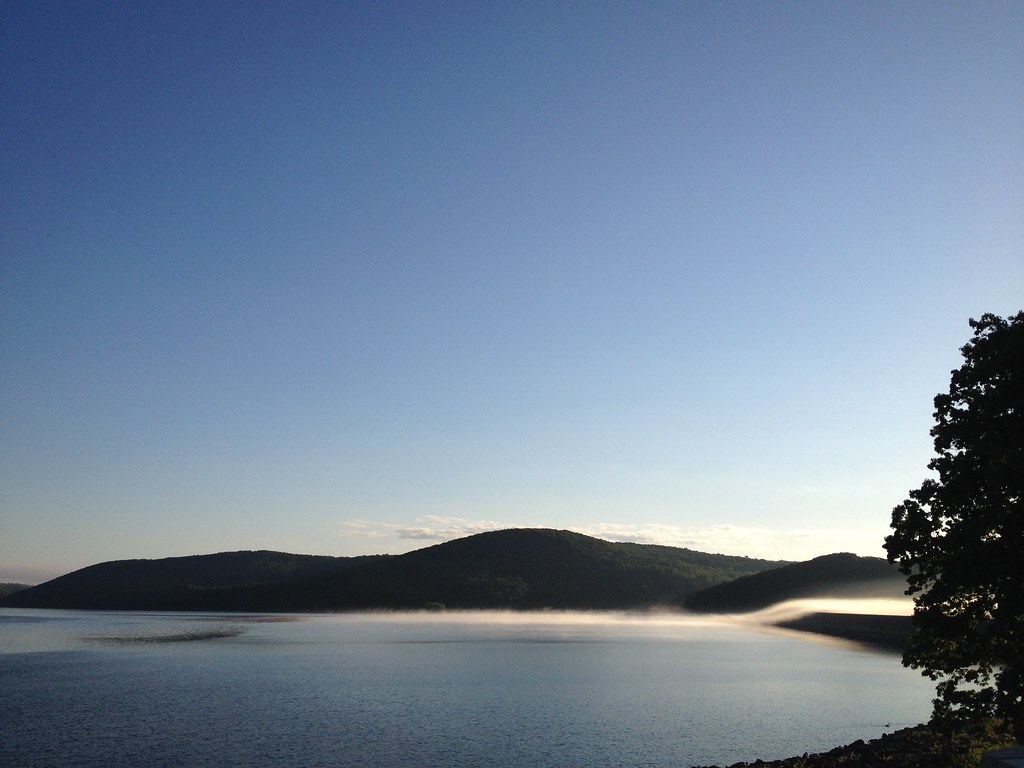
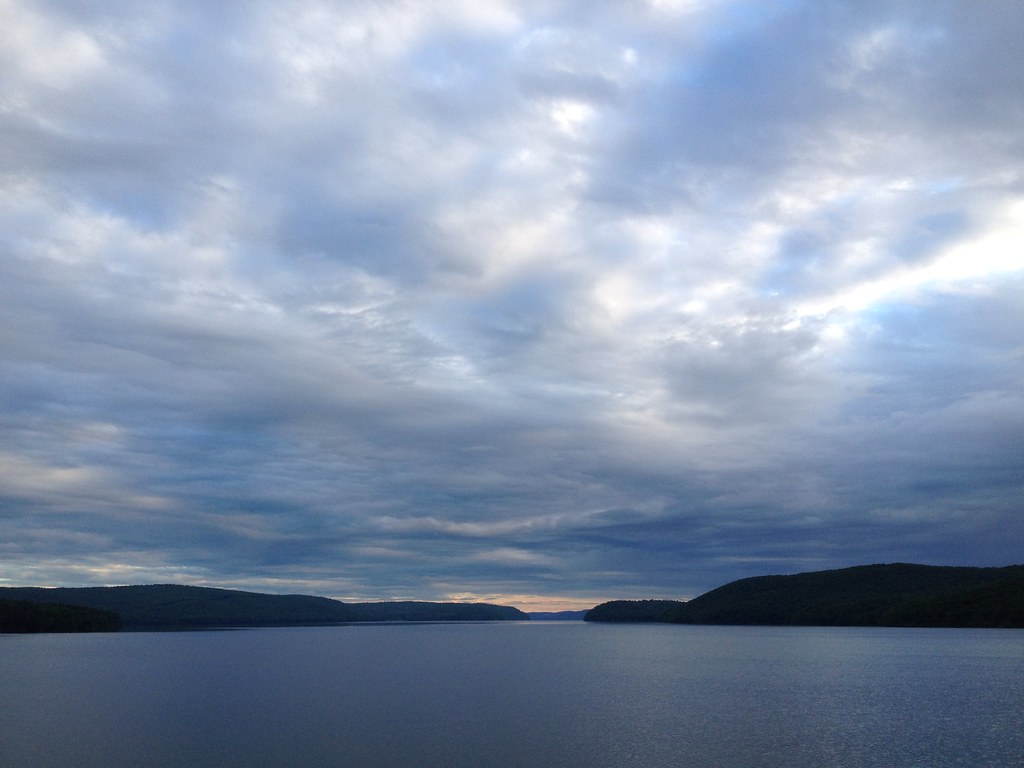
Sunset at Goodnough Dike, Quabbin Park, MA, Jun 8, 2022

I finally got to complete my first of two Eastern Whip Poor Will surveys at Quabbin on Wednesday night (with the help of a Quabbin biologist for part of it).  These surveys are always the toughest to get completed as there are so many variables that have to come together.  The surveys can only take place during certain date windows when the moon with be at least half full, the weather has to be clear and calm and I have to have the time off plus they cannot start until at least 15 minutes after sunset.  The elements came together on Wednesday night and despite it being my in between day from work and therefore being tired the survey got done.  The first survey takes place primarily within Quabbin Park and then continues south down to the Palmer line.  The survey has 10 stops separated by a mile which consists of passively listening for the species for six minutes and noting the location and distance from the observer.  The data goes to both Quabbin and to the endangered species program with the state of Massachusetts.  The survey turned up 13 individuals at the various stops plus at least four more individuals between stops.  I got brief looks at one individual but otherwise every bird is heard only. Besides the whips there are always a few late singing bird species plus a few mammals (this year produced White tailed Deer, Virginia Opossum and Eastern Cottontail).  The second survey I do for the species is located on the restricted access Prescott Peninsula and I hope to get this one completed sometime in the next several days before the window for the season closes.

Wednesday, June 14, 2017

Two Eastern Whip Poor Will surveys completed


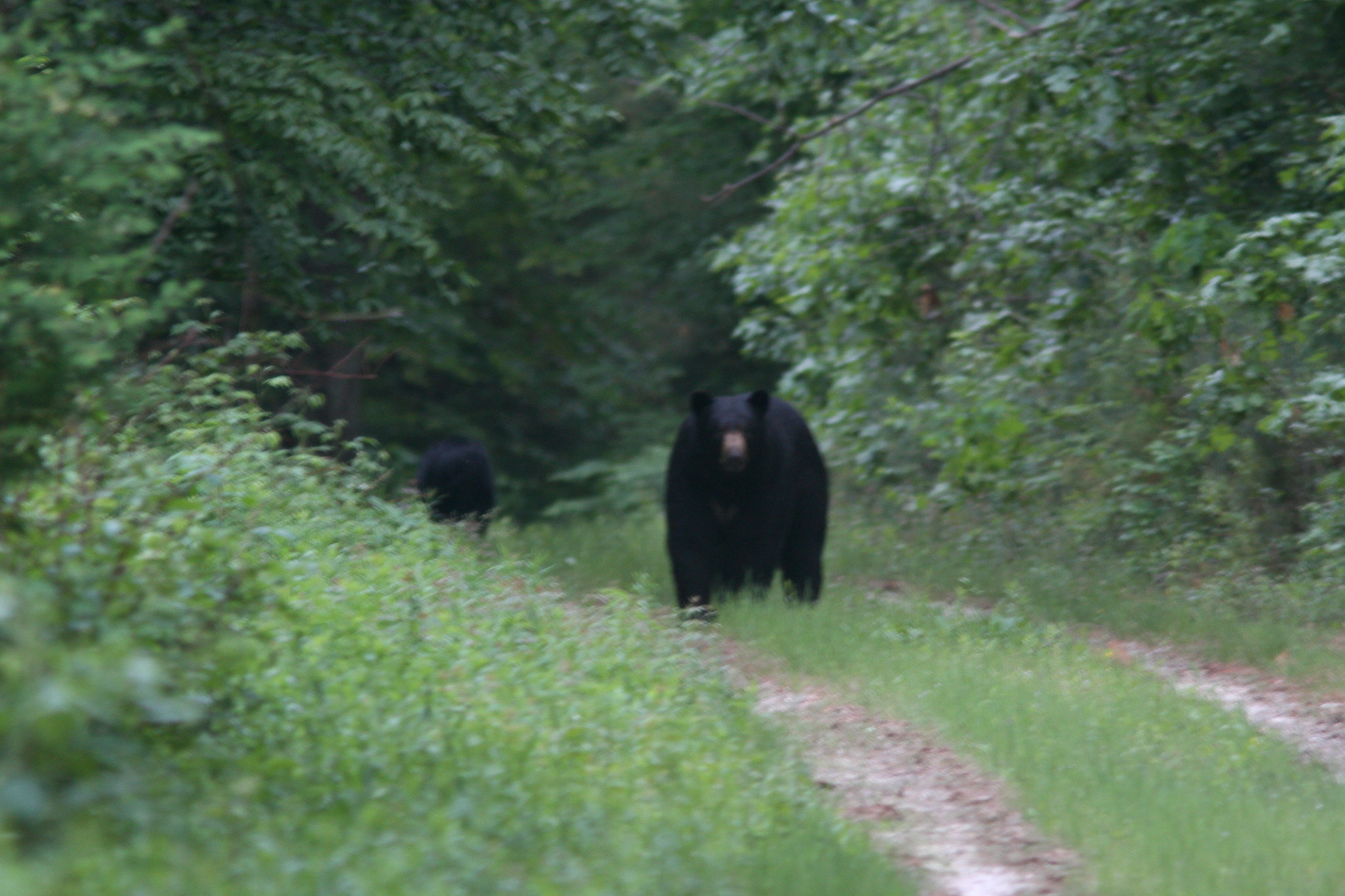
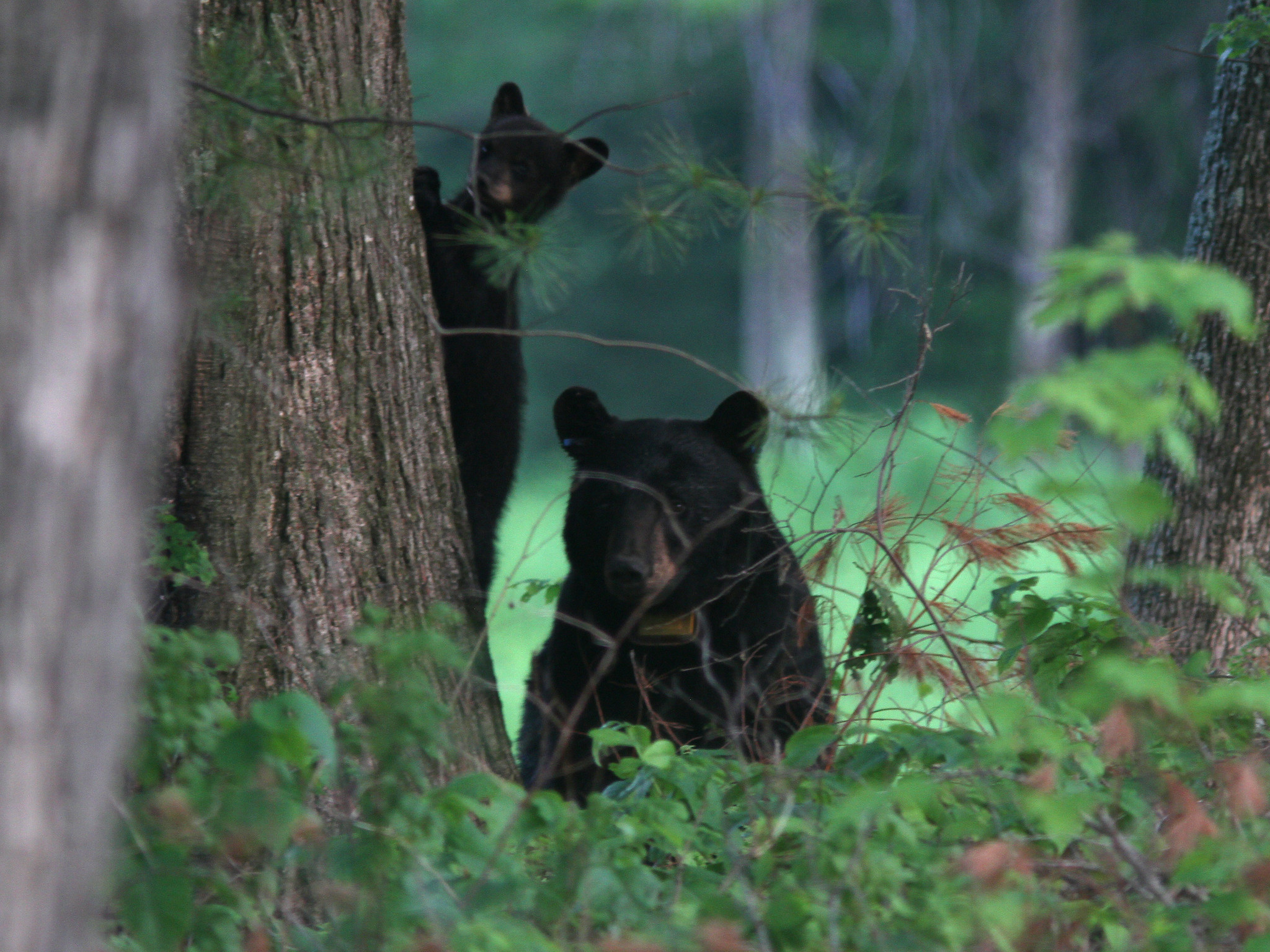
Black Bears, Prescott Peninsula, New Salem, MA, Jun 12, 2017
I recently completed my second Eastern Whip Poor Will survey on Monday night on the restricted access Prescott Peninsula at Quabbin. Although I was tired from work the day before the conditions were right so I decided to give it a try before the window of opportunity closed for the season. The surveys have particular conditions that must be met before they can be run including fairly clear conditions, no wind, moonlight and within the time period at the end of May through mid June. Getting all these conditions to line up can be quite difficult but Monday night met the criteria. I was joined this year by Devin...always nice to have another person along when exploring the rather remote peninsula. The survey starts about 15 minutes after sunset and covers ten count locations located one mile apart. Each stop involves passive listening for six minutes before moving on to the next stop. During this survey we tallied a total of 15 Eastern Whip Poor Wills with 11 of those at one of the ten designated stops (the others came midway between stops). This is the highest overall total I have ever recorded on this now six year old survey route. Once again the birds were concentrated on the lower end of the peninsula. The following were recorded during previous surveys:

2012- 9 total individuals with 7 at survey stops
2013- 9 total individuals, all at survey stops
2014- 7 total individuals, all at survey stops
2015- 10 total individuals with 7 at survey stops
2016- 10 total individuals with 7 at survey stops

Besides the Eastern Whip Poor Wills we had a number of other notable sightings including calling Barred Owl, Northern Saw Whet Owl and Common Loon at stop #7 just before 10PM. Mammal highlights included a family group of Black Bears with a radio collared mother bear and three cubs, a single Moose and a few White tailed Deer plus a very vocal Red Squirrel scolding at something after it was dark.

I completed my other whip poor will survey at Quabbin Park and points south last Thursday night. This survey also produced a record setting total for the route with 19 total whips heard with 15 of those at established survey stops. Totals for the now five year old route are listed below:

2013- 6 total individuals with 5 at survey stops
2014- 14 total individuals, all at survey stops
2015- 13 total individuals with 11 at survey stops
2016- 6 total individuals, all at survey stops
2017- 19 total individuals with 15 at survey stops
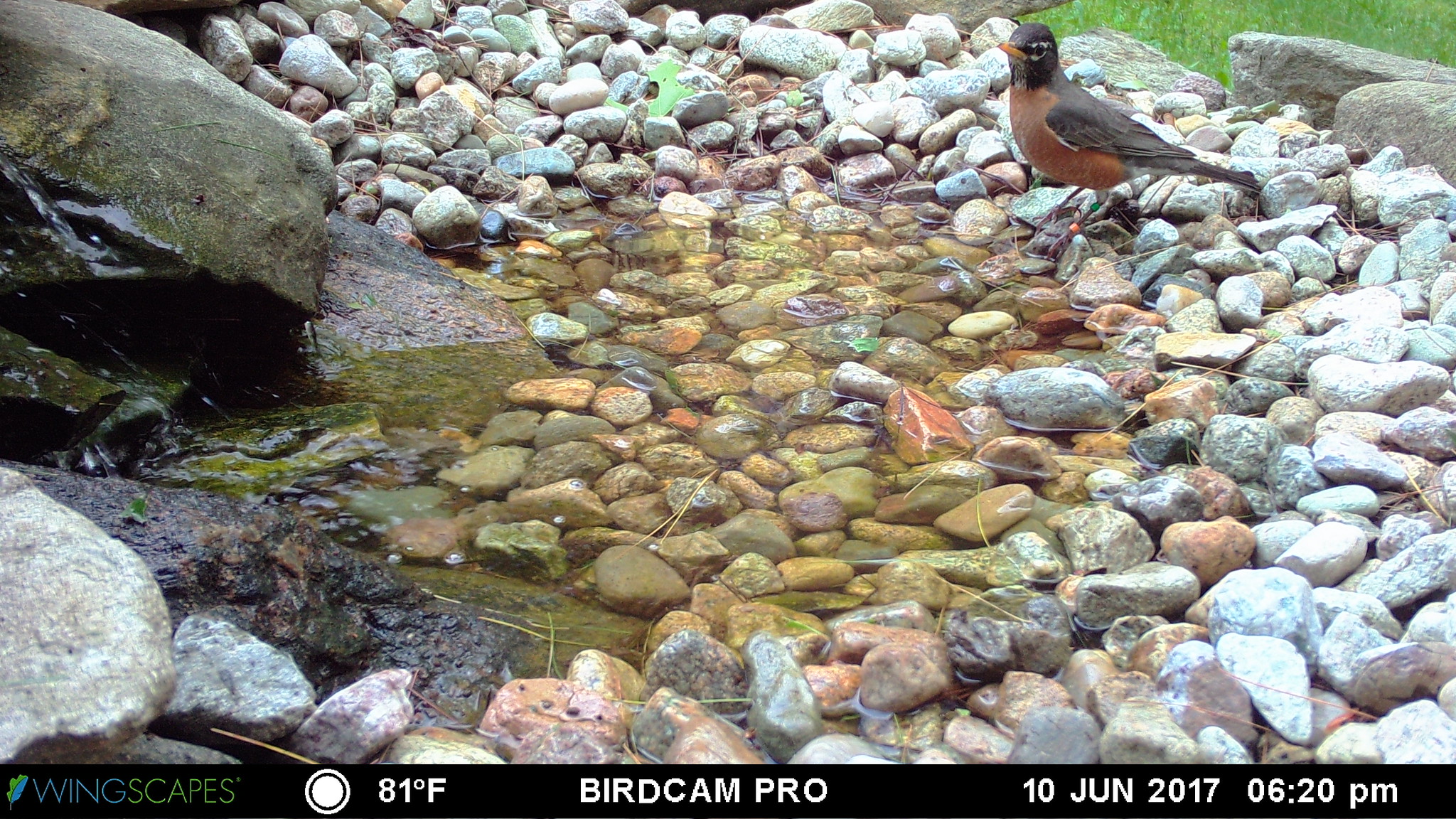
American Robin with leg bands, Home, Belchertown, MA, Jun 10, 2017
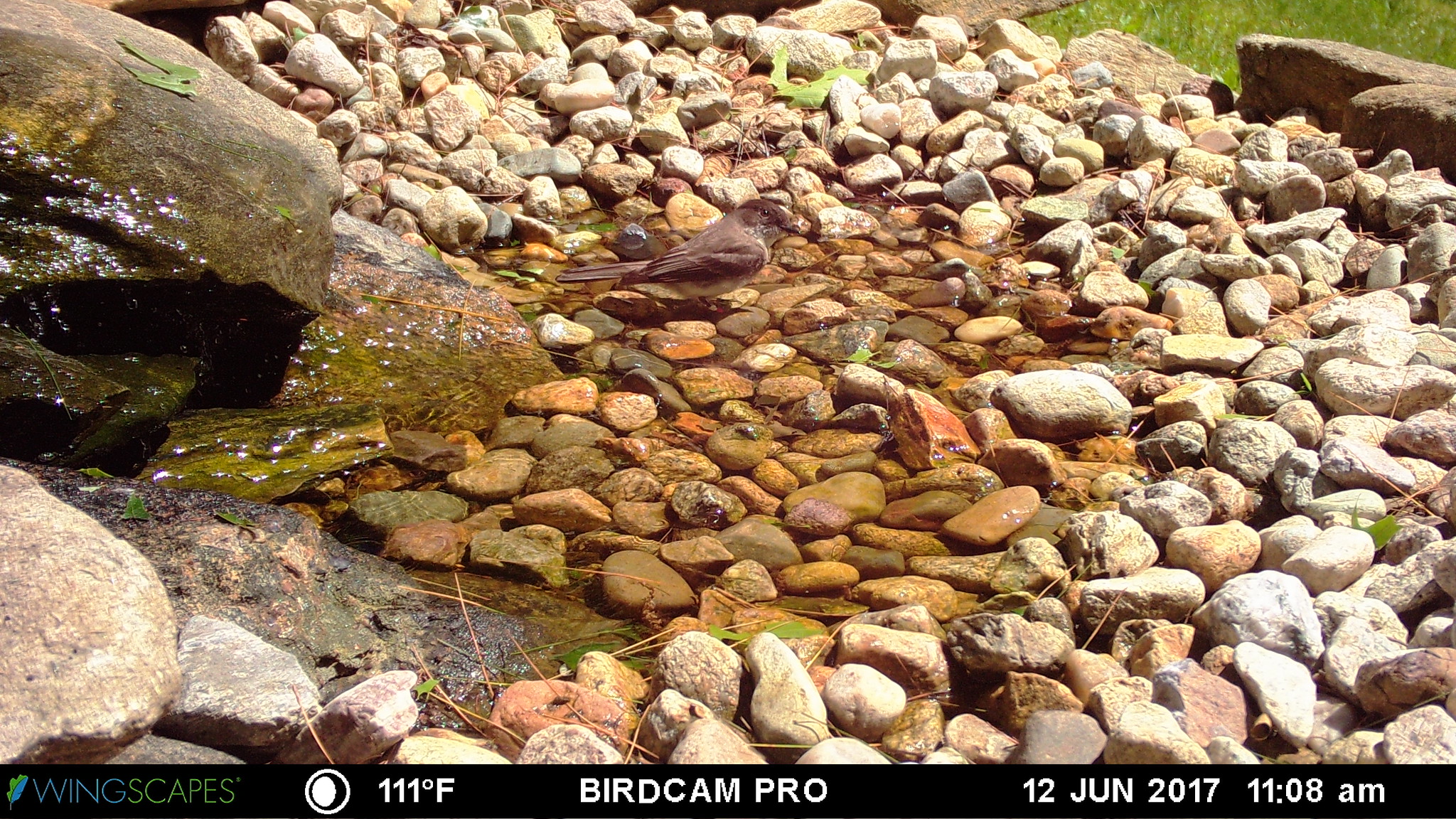
Eastern Phoebe with leg bands, Home, Belchertown, MA, Jun 12, 2017
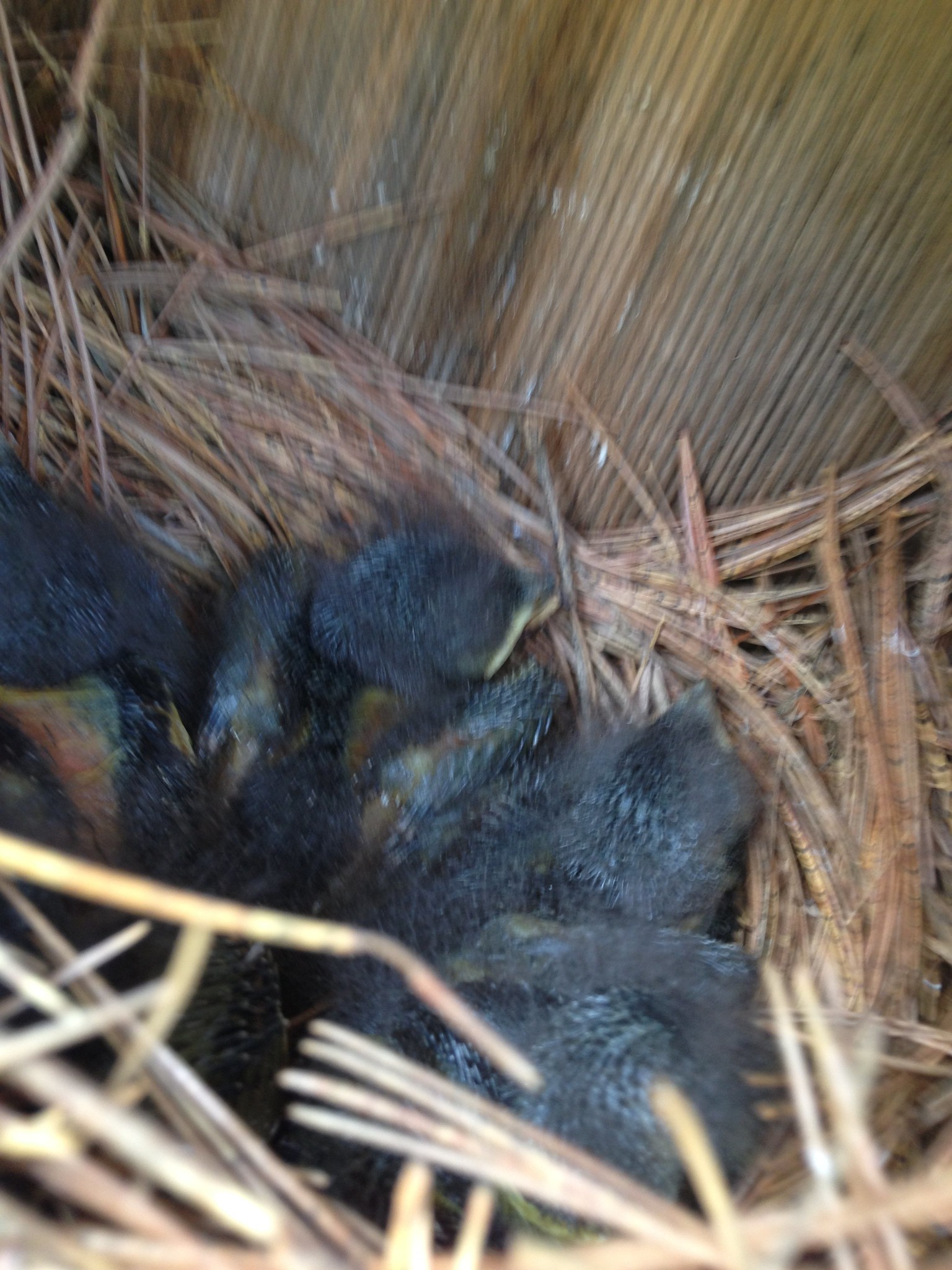
American Robin fledgling, Home, Belchertown, MA, Jun 11, 2017
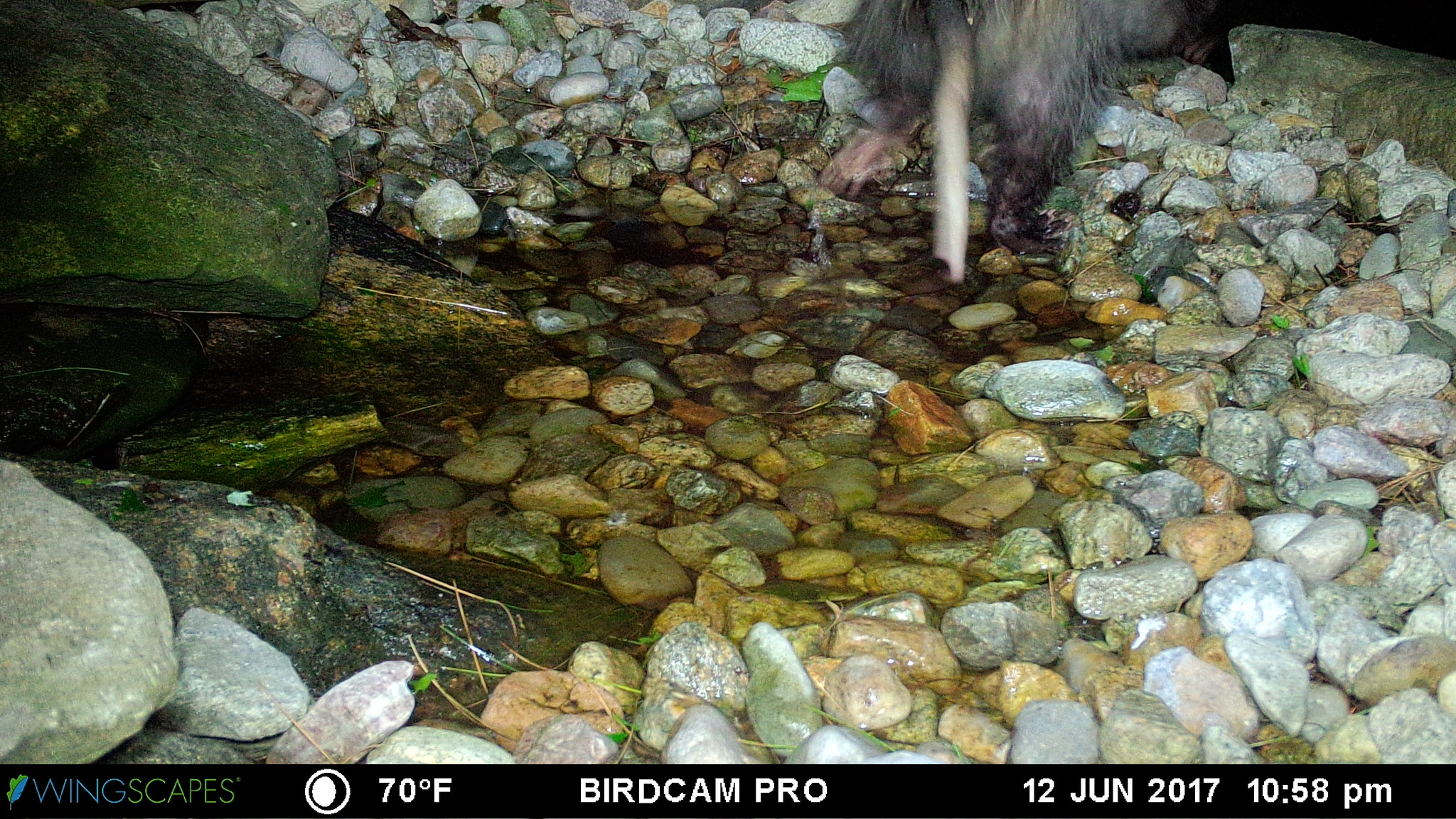
Opossum, Home, Belchertown, MA, Jun 12, 2017
The motion camera at home continue to capture lots of activity at the water feature, both night and day.

Saturday, May 30, 2015

The annual Poverty Mountain bird census, a second whip poor will survey and a White eyed Vireo

Sunrise over Hop Brook, Amherst, MA, May 30, 2015
I finished up my second Eastern Whip Poor Will survey last night and then headed out early this morning to make a brief check for the probable Common Gallinule along Hop Brook in Amherst before heading up to do the Poverty Mountain bird census up in Shutesbury.  The stop at Hop Brook did not turn up the target bird but it was still nice to watch the sunrise up over the marsh.
Eastern Bluebird nestlings, Poverty Mountain, Shutesbury, MA, May 30, 2015
Dung beetle, Poverty Mountain, Shutesbury, MA, May 30, 2015
We managed to find just under sixty species near Poverty Mountain during my time of the survey which is just a few species below the average. They may have turned up a few more species after I left so not sure what the overall total for the day is as of yet. Lots of activity in the nest boxes with Tree Swallows, House Wrens and some Eastern Bluebirds. Also some non bird highlights including a dung beetle rolling a ball of crap along one of the trails...actually quite interesting to see.

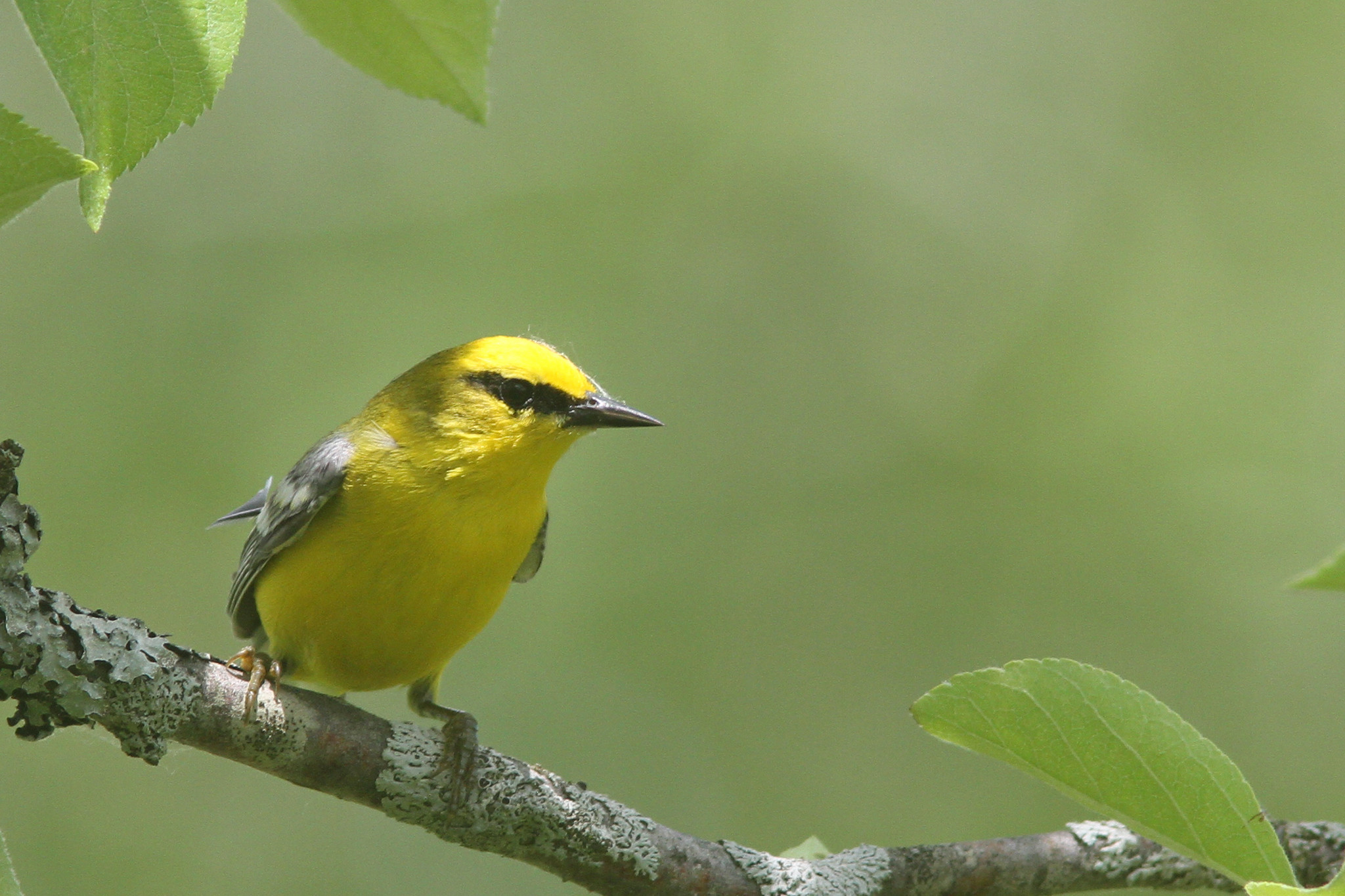
Blue winged Warbler, Belchertown, MA, May 30, 2015
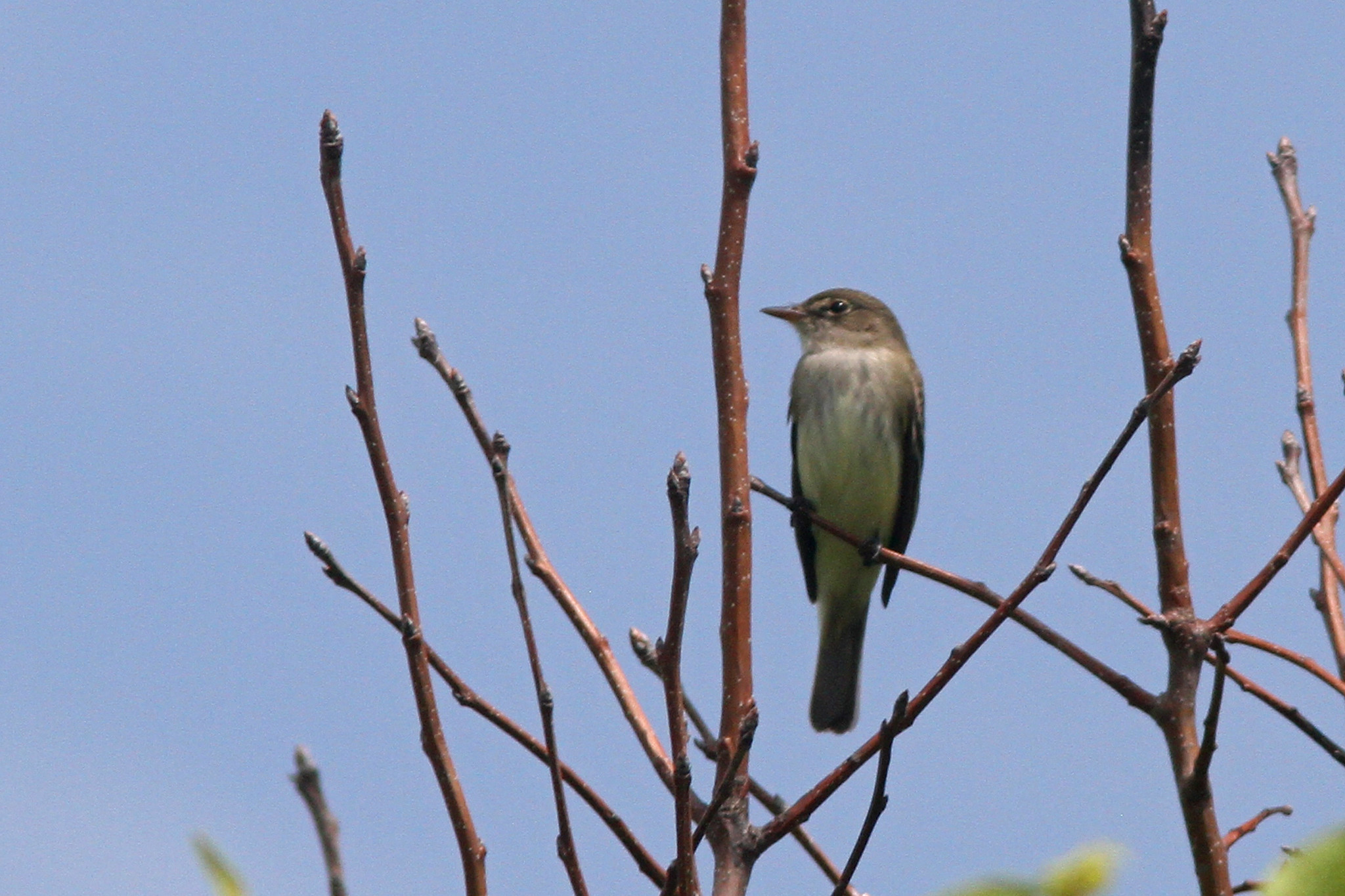
Alder Flycatcher, Belchertown, MA, May 30, 2015
When I was up in Shutesbury I got a call about a White eyed Vireo seen in Belchertown over the last few days by a couple birders and I finally made it over to the private area in the early afternoon after finishing the survey and going to class with Wilson.  It was quite breezy by the time I arrived there and hearing calls at any distance was difficult.  I walked the area where the vireo has been seen but didn't have any luck the first twenty minutes of searching until finally the bird did an odd vocalization that I could easily mistake for a catbird.  It called just a few times from the low brushy in this overgrown orchard area and I got a fleeting glimpse but not a good look.  It seems like a great area for the bird to hang out in for awhile and the entire general area looks great to attract brushy area loving birds.  I also got another call in the late morning regarding a Snowy Egret that was seen at Arcadia during a bird walk as part of a new birding festival (I should have checked my phone before I was back in Belchertown!). A very unusual species in the county and one I probably would have tried for today if I had checked my messages earlier! Oh well...perhaps it will still be around tomorrow? 
Black Bears, Prescott Peninsula, MA, May 29, 2015
The survey on Prescott Peninsula was successful with a total of ten birds heard (eight birds at stops on the route and others in between). Also had a few American Woodcocks on the roadway as I worked back north from near the end of the peninsula.  Also a lot of mammal activity with a couple Black Bears, a Moose, a Opossum and a Porcupine.  I'll do a longer post of the whip poor will surveys a bit later.

The forecast for tonight into tomorrow will continue to feature southerly winds with a chance of showers late tonight into tomorrow. Depending on the timing and severity of the showers the chance is there for the grounding of some late season migrants but as always there are many factors that have to come together to make this happen but the potential is there.  More substantial rain is forecast for Monday into Tuesday with cooler weather and this could also ground some migrants.  Certainly worth checking bodies of water and fields for anything noteworthy.

Sunday, June 8, 2014

Prescott whip poor will survey last night and various other stuff yesterday and today

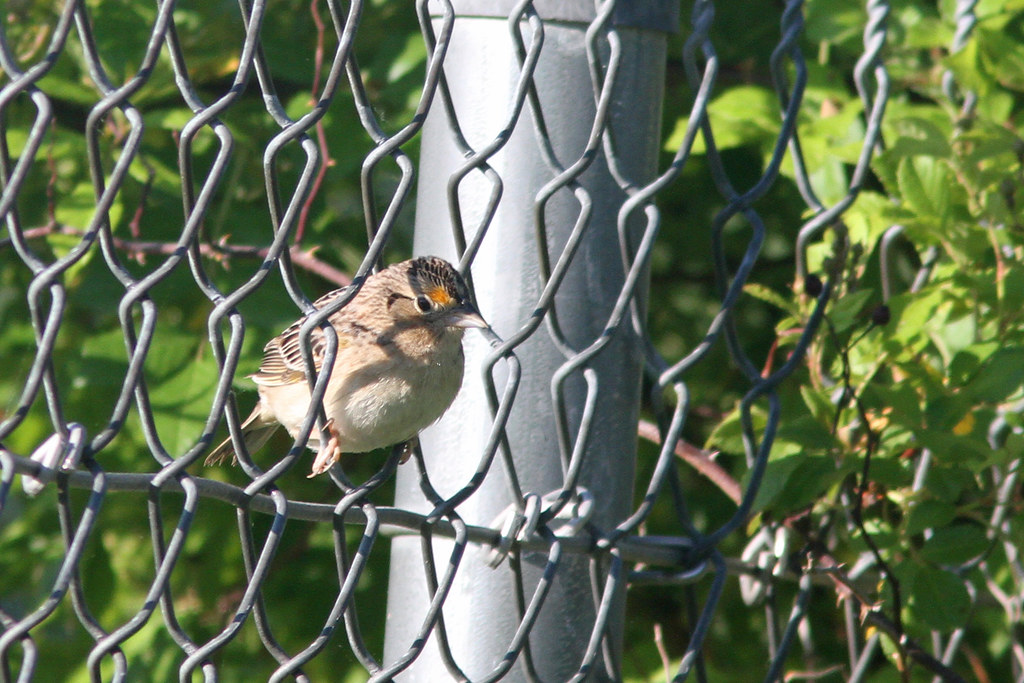
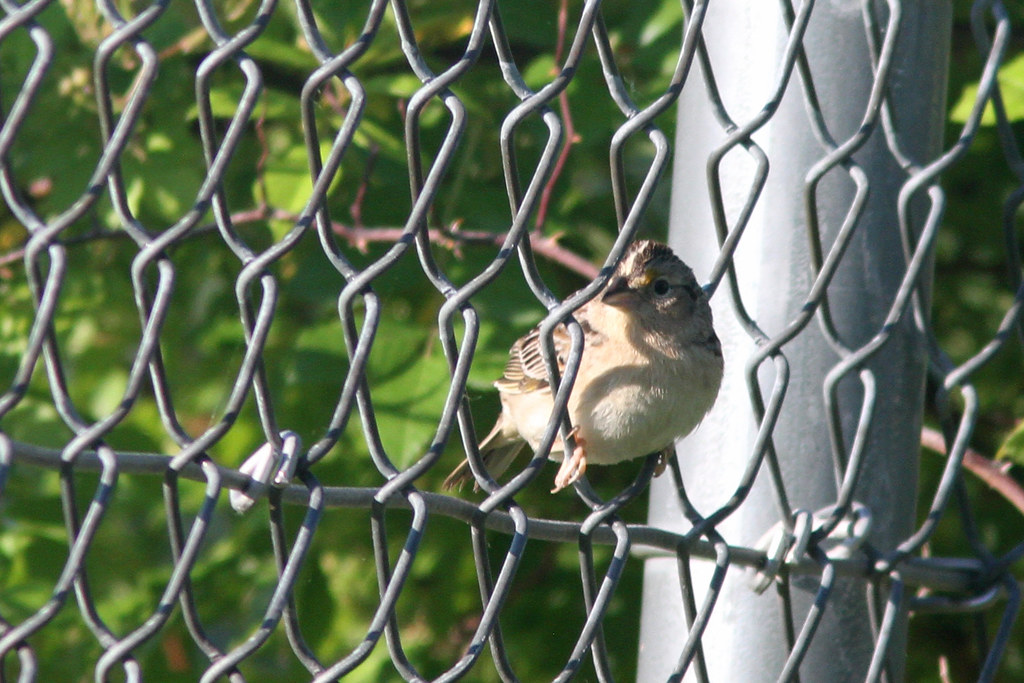
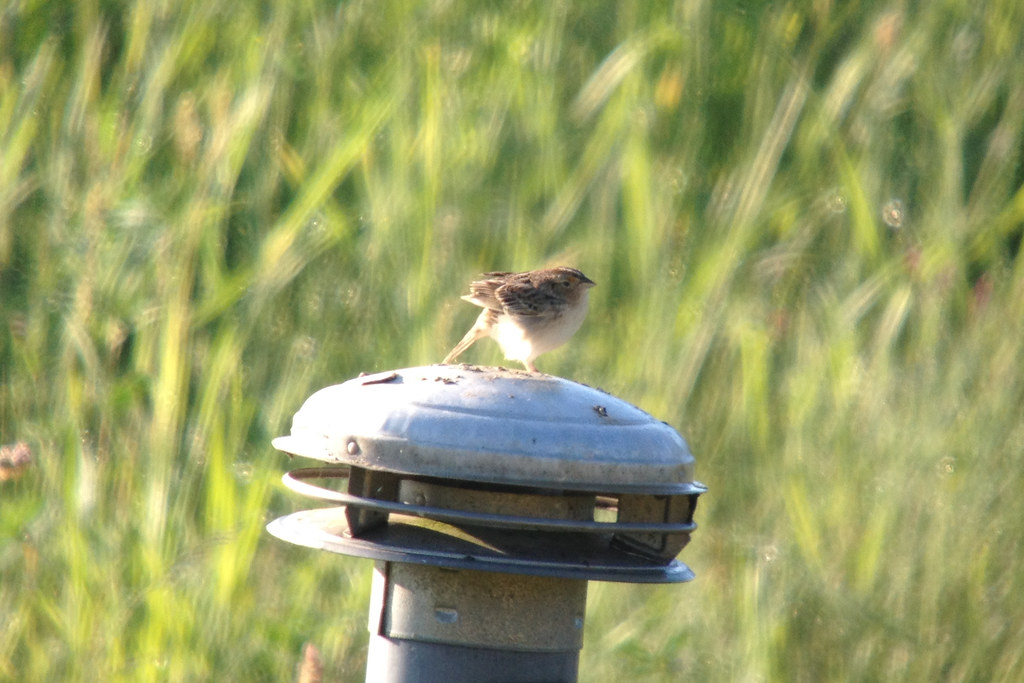
Grasshopper Sparrow, Palmer, MA, June 8, 2014
Winsor Dam at dawn, June 8, 2014
After my late night last night (at least for me) I didn't get out until just after six. I made a brief stop over at Winsor Dam and then decided to head south into Palmer to check a few spots including an old landfill where Grasshopper Sparrows have been for the last few years. Almost as soon as I pulled up there a Grasshopper Sparrow was calling and seen well. I pished a couple times and it came right in for several seconds and then headed back to its perch to continue singing. Lots of expected species around today too but nothing unusual. As we head into the second week of June most migrants have moved through (although there is always the chance of a late species moving by).
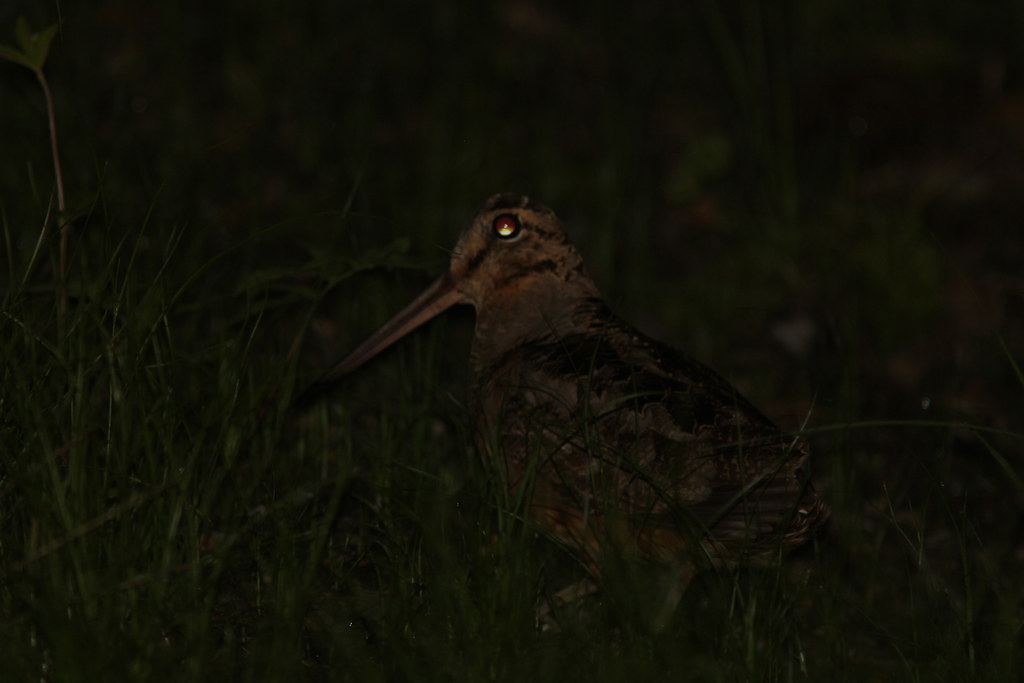
American Woodcock, Prescott Peninsula, June 7, 2014
Prescott Peninsula at dusk, June 7, 2014
After a sunny, warm day yesterday I headed up to Prescott Peninsula to conduct my second Eastern Whip Poor Will survey of the season.  I arrived on the peninsula around 7:30 and then headed south almost to the end to begin the count around 8:40.  Although the numbers of whips in the usual spots were lower than past years finding them in spots I have not had them before somewhat made up for it. I also had a couple American Woodcocks showing well plus at least three Black billed Cuckoos with two of them still calling well after dark...seems like a good year for them. Mammals include a brief look at a Moose and a Porcupine that waddled its way up the road in front of me for several hundred feet before it finally walked off into the woods.
Here are the results from the Prescott Peninsula Eastern Whip Poor Will survey:

Stop #                                 # of whip poor wills heard

1                                         0

2                                         2

3                                         1

4                                         0

5                                         3

6                                         0                  

7                                         1

8                                         0

9                                         0

10                                       0

                                           7 total

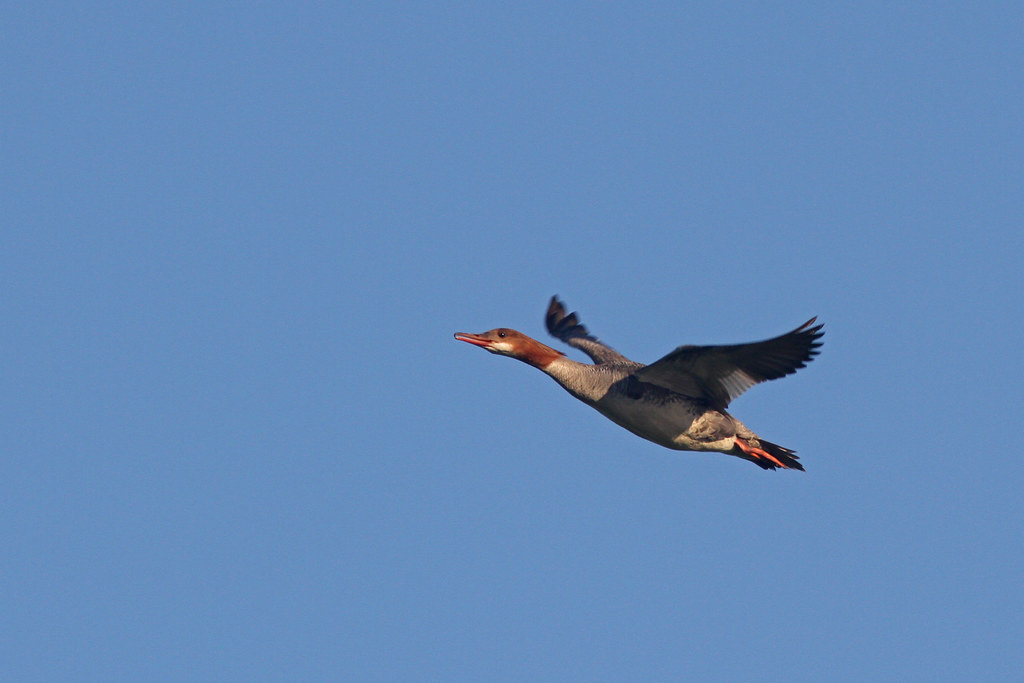
Common Merganser, Winsor Dam, Quabbin Park, June 7, 2014
Double crested Cormorant, Lake Wallace, Belchertown, MA, June 7, 2014
Winsor Dam at dawn, June 7, 2014
I spent the morning yesterday checking a few areas around south Quabbin with stops at Quabbin Park, Winsor Dam and Lake Wallace. Nothing out of the ordinary but did manage to catch up with every expected species of waterfowl including Canada Geese, Wood Duck, Mallard, Hooded Merganser, Common Merganser, Common Loon and Double crested Cormorant.

Friday, June 6, 2014

Sharp shinned Hawk likely nesting and Eastern Whip Poor Will survey last night


Sharp shinned Hawk, Quabbin Park, June 6, 2014

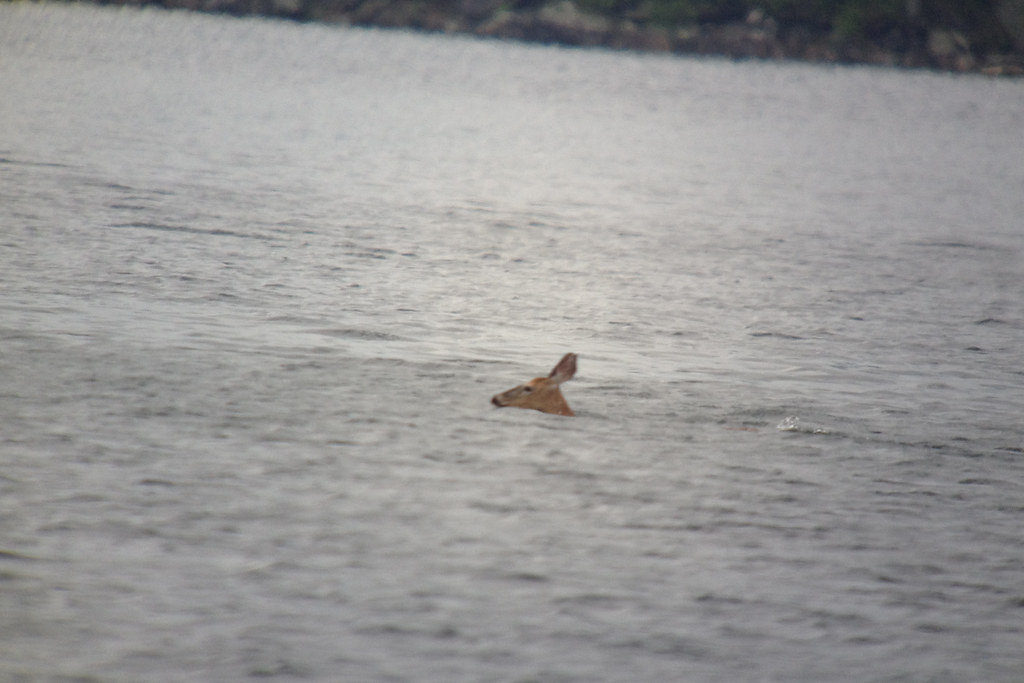
White tailed Deer taking a swim, Quabbin Park, June 6, 2014

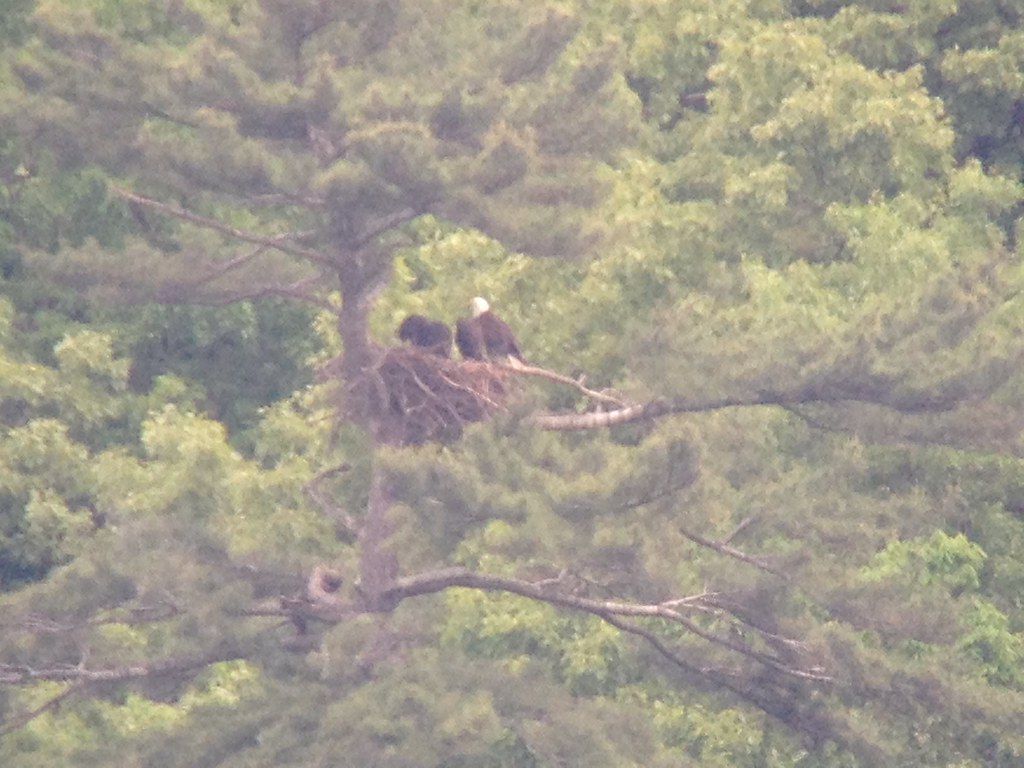
Bald Eagles at nest, Winsor Dam, Quabbin Park, June 6, 2014
Winsor Dam, Quabbin Park, June 6, 2014
I spent a few hours this morning exploring Quabbin Park and I managed to find a few goodies. The highlight by far was a territorial Sharp shinned Hawk in a large pine grove that almost certainly contains a nesting pair. I initially heard the bird giving an alarm call you would expect to hear near a nest. The bird flew in and stayed in a small area and I managed to get a few marginal photos before I left the area so not to disturb them any more. I never did see the nest but I'm fairly certain it was very close to where I was. Sharp shinned Hawk has become a rare breeder here in Western Massachusetts so I was happy to find the bird. While on he subject of nesting raptors the Bald Eagles near Winsor Dam were showing well this morning with all three young visible along with an adult. I heard from the Quabbin biologist last night that there are 14 active nests at Quabbin this season and all nests seem to be successful with a few featuring three youngsters. Other typical birds were also around this morning in good numbers but nothing else too unusual.

I returned home around midday to pick up the Wilson for a couple of walks including along the land trust and then over to Covey WMA. Typical birds were in evidence as well as my first for the location Virginia Rail along the land trust trail in a small marsh.

Another unusual bird event occurred at 3:40am this morning when I got up to take a leak and heard a Black billed Cuckoo repeatedly calling...very strange indeed and proof I never stop birding!
Goodnough Dike at sunset, Quabbin Park, June 5, 2014
Winsor Dam, Quabbin Park, June 5, 2014
I finally managed to get one of my Eastern Whip Poor Will surveys done last night after many earlier attempts that were foiled by weather and incorrect dates.  The surveys have to be run only on certain dates (due to arrival of the birds and moon phases) and only when the weather conditions (clear to partly cloudy and little to no wind).  I met up with a biologist from DCR and we conducted the Quabbin Park route that travels through the park and then south along the Swift River.  We started 15 minutes after sunset and then spent six minutes listening for whip poor wills at each of the ten stops.  It was a great survey with at least 14 Eastern Whip Poor Wills heard.  I have the breakdown of the stops and birds below:
Stop #                                     # of whip poor wills heard
1                                            0
2                                            0
3                                            3
4                                            1
5                                            3
6                                            4
7                                            2
8                                            0
9                                            1
10                                          0
                                              14 total
Besides the whips we had a Great Horned Owl calling near Goodnough Dike, American Woodcocks near the east entrance and at Covey WMA and all the expected species of thrushes calling just as the sun set.

Friday, May 31, 2013

Yesterday morning fog and whip-poor-will survey last night


Not much to report from yesterday morning as everywhere was fog, fog and more fog.  The thunderstorms of the previous night dropped a lot of rain and the humidity was quite high.  Not sure if anything came in after the storms but if anything did I didn’t get to see it!  Eventually the fog burned off and the temperatures climbed to 90.
View from Goodnough Dike, May 30, 2013
Last night I conducted my second whip-poor-will survey along with a couple biologists from Quabbin.  This survey route is a new one and starts near the middle entrance at Quabbin Park then to  the east entrance over to Goodnough Dike, up around the tower then over to Winsor Dam then south through Covey WMA and ending in southern Belchertown.  Not the best time to conduct the survey but I’m not sure a better time will present itself this year so we went ahead with it.  The route must begin at least 15 minutes after sunset and consists of ten stop with a total of six minutes spent listening at each stop.  We had a total of six Eastern Whip-poor-wills along the route with five at survey stops and one between stops.  The number should have been higher and if we get a chance in the next survey window in June we will run the route again.

Before the survey began I checked the reservoir from Winsor Dam and had a surprising 48 Mallards out on the nearly still water. I looked though the group but couldn't find anything more unusual among them then a single Hooded Merganser. During the survey we also ran across a Barred and Great Horned Owl in addition to the six whip-poor-wills.

Stop                                                       # of whip-poor-wills

1                                                              1            

2                                                              1

3                                                              2

4                                                              0

5                                                              0

6                                                              0

7                                                              1

8                                                              0

9                                                              0

10                                                            0

Monday, June 11, 2012

Whip-poor-will survey

Moose, Prescott Peninsula, June 10, 2012


After a beautiful, warm sunny day on Sunday I headed to the Prescott Peninsula to conduct a Whip-poor-will survey.  The weather for this survey season has been bad and this was the first evening within the limited time frame available to conduct the survey. At the last minute I decided to give it a try to get the survey completed.  The route consists of ten stops along a route that begins on the south end of the peninsula and ends near the north end at gate 20.  Each stop consists of listening for the birds for six minutes before moving on to the next stop to repeat the process.  The count begins 15 minutes after sunset.  I obtained the following results during this survey.  Despite the less than ideal conditions (breezy at times and late in the moon phase) there were still at least nine Whip-poor-wills heard.

Stop                                       Whip-poor-wills                                             

1                                              1

2                                              0
3                                              2

4                                              2

5                                              2

6                                              0

7                                              0

8                                              0

9                                              0

10                                           0

                                                7 total during survey (plus 2 heard between stops)

The most productive stops were the on the lower end of the peninsula which corresponds with what was found during the breeding bird atlas over the last several years.  The area on the lower part of the peninsula consists of some larger tracts that have been logged over the last several years opening up some areas for the Whip-poor-wills.  Besides the Whip-poor-wills I came across a couple of American Woodcocks during the survey.  In addition there were also a couple Moose along the route and I managed a few marginal photos of one.
Common Mergansers, Quabbin Park, June 11, 2012

Common Mergansers, Quabbin Park, June 11, 2012

Common Mergansers, Quabbin Park, June 11, 2012

Common Mergansers video, Quabbin Park, June 11, 2012
Today I made a few stops around the lower side of Quabbin first thing and found a few Common Loons calling, a large juvenile Bald Eagle still in the nest, a family group of Common Mergansers and a Worm-eating Warbler near the Winsor memorial.

Friday, June 1, 2012

Whip-poor-will survey route scouting trip

Black-throated Blue Warbler, Prescott Peninsula, June 1, 2012

Tree Swallow,  Prescott Peninsula, June 1, 2012

Red-winged Blackbird, Prescott Peninsula, June 1, 2012

Indigo Bunting,  Prescott Peninsula, June 1, 2012

Red-winged Blackbird, Prescott Peninsula, June 1, 2012
Today I made a trip to the restricted Prescott Peninsula to scout out the route I will be doing for an upcoming Whip-poor-will survey.  I was joined for part of the morning by one of the Quabbin biologist before we parted ways so she could check on a few of the nesting loons.  During the Massachusetts breeding bird atlas a population of Whip-poor-wills was noted on the lower third of the peninsula in areas that had been logged.  The Massachusetts Natural Heritage and Endangered Species Program created this route to study the long term health of this population.  The hope is to be able to determine not only the health of this group but what type of vegetation and management practices are present in the various areas of the survey route.

Tornado track through Massachusetts, June 1, 2011 (image from June 5, 2011 courtesy of earthobservatory.nasa.gov)
Today also marks the one year anniversary of the tornado that moved through the southern part of western Massachusetts causing some severe devastation.  The largest (of four) tornadoes was listed as an EF3 tornado and stayed on the ground for almost 40 miles and was at times a half mile wide.  Luckily we sustained no damage at the house but we did end up with a heavily damaged car that was in Springfield during the tornado.  One of the more impressive photos of the event is shown above.  The satellite image does a great job of capturing the scope of the damage.