|
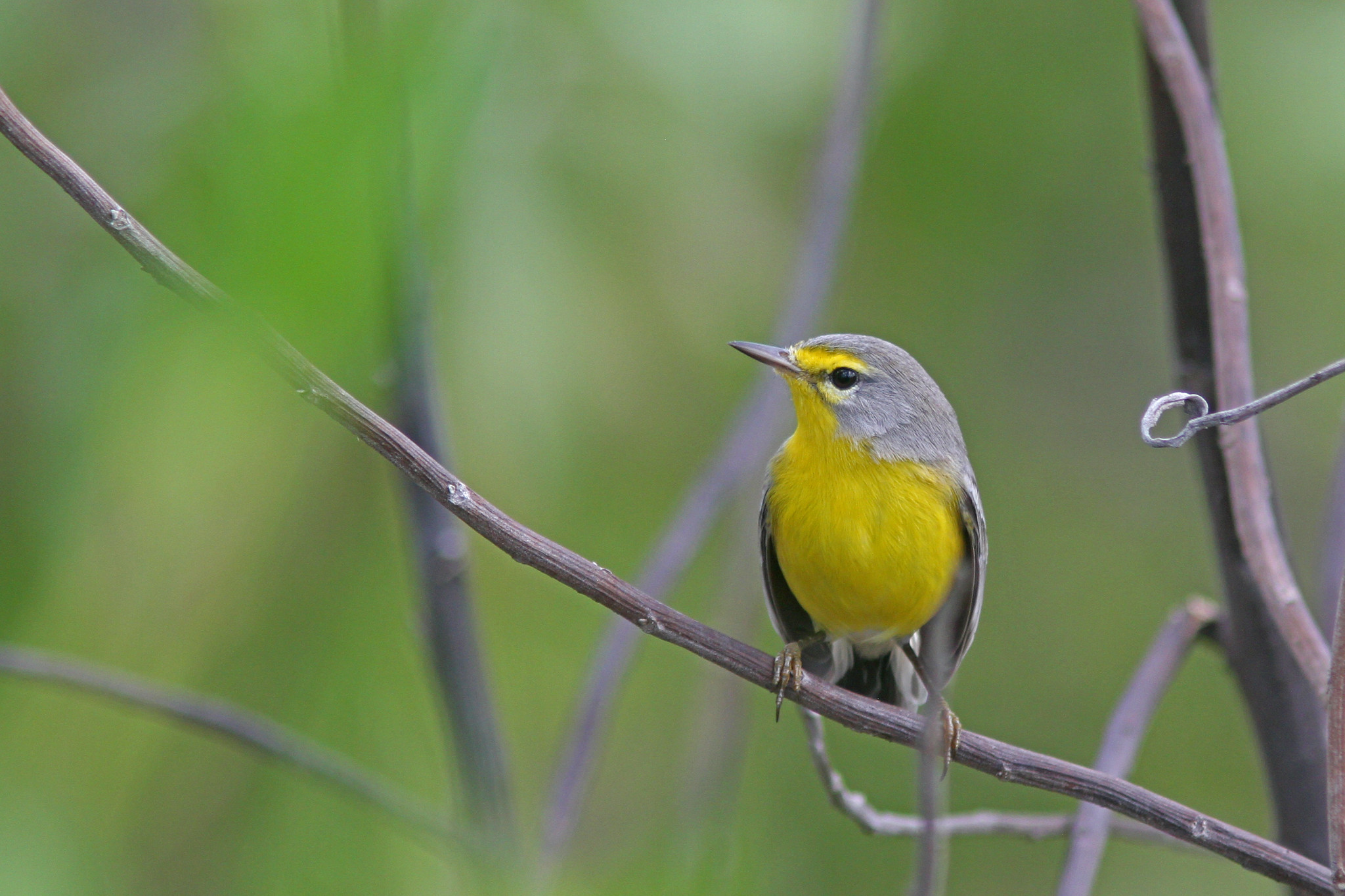
| Vitelline Warbler, Mastic Trail, Grand Cayman, Mar 4, 2020 |
 |
| Vitelline Warbler, Mastic Trail, Grand Cayman, Mar 6, 2020 |
 |
| Cuban Parrot (Cayman Islands), Mastic Trail, Grand Cayman, Mar 7, 2020 |
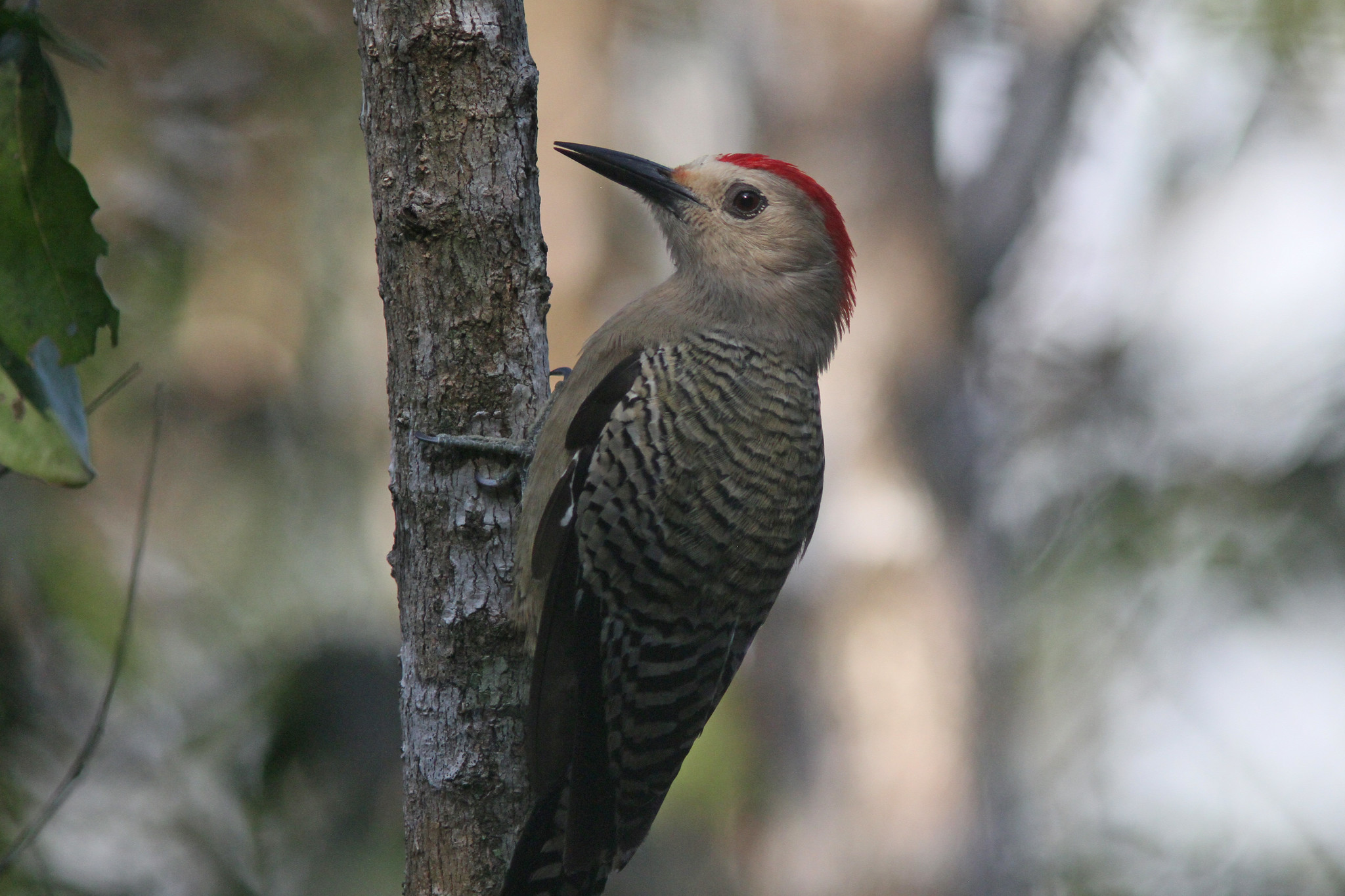 |
| West Indian Woodpecker, Mastic Trail, Grand Cayman, Mar 6, 2020 |
 |
| Yucatan Vireo, Mastic Trail, Grand Cayman, Mar 2, 2020 |
 |
| Cuban Bullfinch (Cayman Islands), Mastic Trail, Grand Cayman, Mar 5, 2020 |
 |
| Swainson's Warbler, Mastic Trail, Grand Cayman, Mar 2, 2020 |
The second part of the trip to the tropics after
Antigua and Barbuda was down to Grand Cayman and would be spent doing some non birding activities but I would still have plenty of time to try my luck in tracking down the Vitelline Warbler (which occurs only on the Cayman Island and the very small Swan Island off the coast of Central America). I had a few other target birds for the trip including the Cuban Parrot, West Indian Woodpecker, Yucatán Vireo, Cuban Bullfinch and (fingers crossed) Swainson’s Warbler which winters there and is occasionally seen. There are a few Cayman Island specific subspecies including the parrot, bullfinch as well as Northern Flicker and Western Spindalis. The only species endemic to Grand Cayman was the Grand Cayman Thrush which is extinct with the last record from 1938. Causes for the extinction included deforestation, damage from hurricanes and other human related causes. We stayed at a condo in Old Man Bay on the north side of the island and away from the more built up areas along the west coast. The location was just a five minute drive away from the north entrance to the Mastic Trail and 10 minutes from the south entrance of the trail and the Queen Elizabeth Botanical Gardens and proved to be a great base for exploring the island. Full details on the warblers on this trip can be found at the following link:
Grand Cayman warblers.
 |
| Vitelline Warbler, Mastic Trail, Grand Cayman, Mar 2, 2020 |
 |
| Western Spindalis (Cayman Island), Mastic Trail, Grand Cayman, Mar 2, 2020 |
 |
| Blue winged Warbler, Mastic Trail, Grand Cayman, Mar 2, 2020 |
 |
| Caribbean Dove, Mastic Trail, Grand Cayman, Mar 2, 2020 |
 |
| Vitelline Warbler, Queen Elizabeth II Botanic Park, Grand Cayman, Mar 2, 2020 |
 |
| Caribbean Elaenia, Queen Elizabeth II Botanic Park, Grand Cayman, Mar 2, 2020 |
 |
| Grand Cayman Blue Iguana, Queen Elizabeth II Botanic Park, Grand Cayman, Mar 2, 2020 |
|
| Yucatan Vireo, Mastic Trail, Grand Cayman, Mar 2, 2020 |
I was out the door before dawn on Monday morning to take a walk down the
Mastic Trail from the north entrance. The mosquitoes were a bit of a problem throughout the walk but they lessened a bit as the sun came up. Almost as soon as I got there I started finding birds with the first targets found being Cuban Parrot, Yucatan Vireo and Cuban Bullfinch. I then added a number of Vitelline Warblers to the list, with several singing. The Vitelline Warblers look a lot like rather dull Prairie Warblers but their song is more like a mix of Black throated Blue Warbler and Prairie Warbler and they do not seem to perpetually wag their tails like Prairie Warblers do. Not long after the warbler I heard a West Indian Woodpecker and got some good looks at it. I had now seen and/or heard all the species I figured it would be relatively easy to get. I continued down the trail for about 3/4 of a mile before turning back to retrace my steps. Along the way I came across a nice mixed flock that included a rare for the island Blue winged Warbler (only two other eBird winter records...one in January 2010 and another in February 2013). Just before I turned around to head back I had another great sighting with not just one but two Swainson’s Warblers in view at the same time. One even perched out in the open for a bit allowing for great looks and some decent photos. I was very satisfied with what I was able to turn up in a bit over two hours time...all six targets (all life birds) plus a rarity for the island. Warblers were certainly around in good diversity with ten species seen. I also had Caribbean Doves that were quite tame and one walked along with me for several hundred feet along the trail...it always stayed a few feet ahead and if I stopped it would stop and then start walking again when I moved (link to
video). After a brief break at our lodging we headed down to the
Queen Elizabeth II Botanic Park for a couple of hours and I added a few more species for the trip. Overall the gardens were relatively quiet and not nearly as active as the Mastic Trail and this was the only time I stopped at the park for the trip.
 |
| Cuban Parrot (Cayman Island), Old Man Bay, Grand Cayman, Mar 3, 2020 |
 |
| Northern Flicker (Grand Cayman Island), Old Man Bay, Grand Cayman, Mar 3, 2020 |
 |
| Ocean view, Tukka's, Grand Cayman, Mar 3, 2020 |
Tuesday morning we headed out early to meet a group for snorkeling at Rum Point. The early time allowed us to get into areas before the hordes showed up from the cruise ships and we got up close looks at both string rays and lots of tropical fish. There were a few terns and gulls around but not too much in the way of bird life. Once we got back from the trip I did a little birding around the condo in the midday heat and got a few new species for the trip plus some great looks at some Cuban Parrots. I also found the local subspecies of Northern Flicker at a nest near our lodging.
 |
| Worm eating Warbler, Mastic Trail, Grand Cayman, Mar 4, 2020 |
 |
| Zenaida Dove, Mastic Trail, Grand Cayman, Mar 4, 2020 |
 |
| Smooth billed Ani, Mastic Trail, Grand Cayman, Mar 4, 2020 |
 |
| Least Sandpiper, Malportas Pond, Grand Cayman, Mar 4, 2020 |
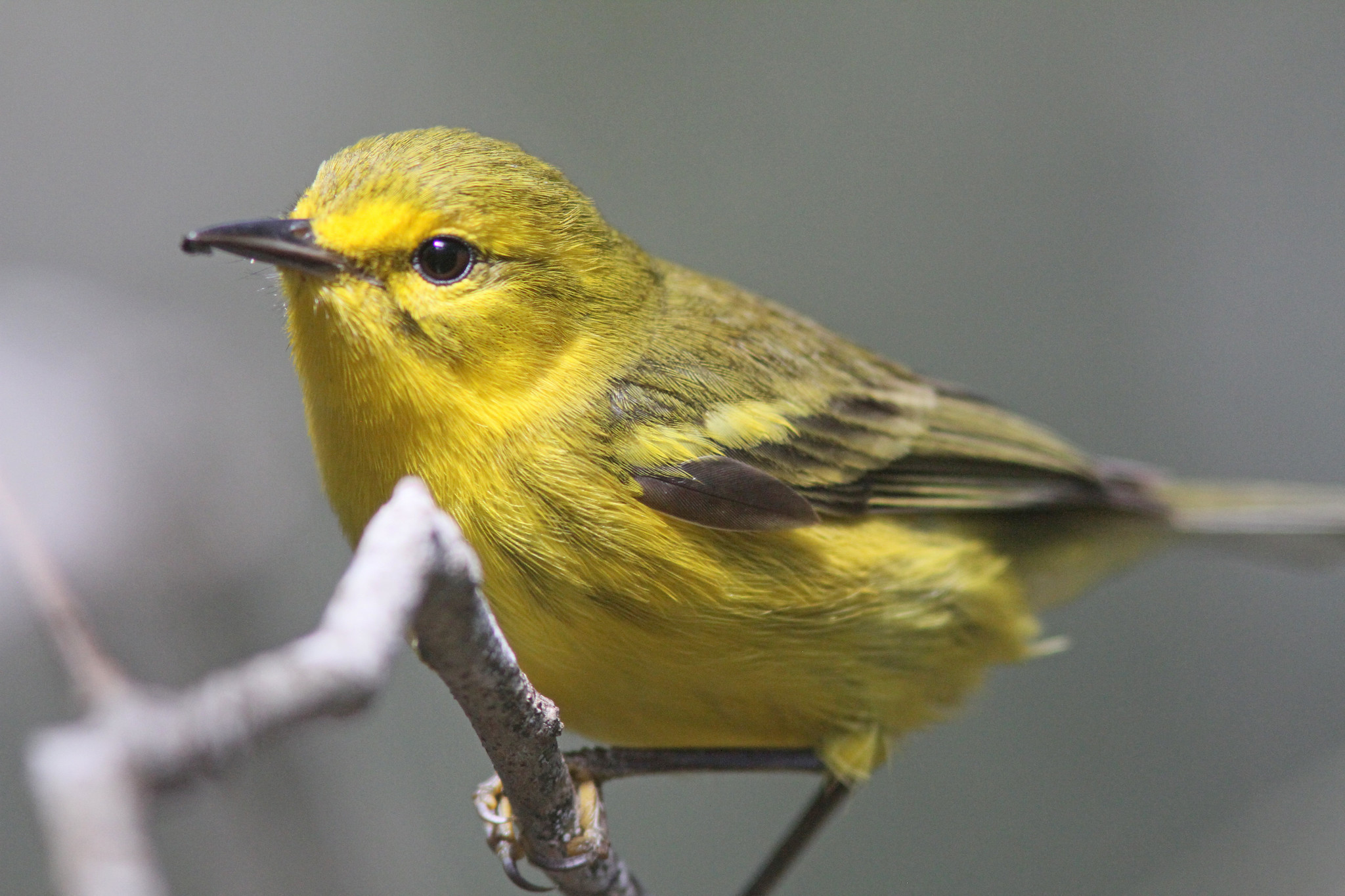 |
| Vitelline Warbler, Mastic Trail, Grand Cayman, Mar 4, 2020 |
Wednesday began with another early morning trip to the north entrance of the
Mastic Trail but this time I was armed with bug spray to try to keep the mosquitoes at bay. It started off calm but once the sun came up the breeze slowly picked up but the birds were still around in good numbers and diversity. I walked almost a mile in from the north before turning around and retracing my steps. The best bird of the morning was seen about a quarter mile in when I had a Nashville Warbler in a mixed flock (very rare for the island). I tried to get a photo but I was never able to and the bird didn’t respond to my attempts to get it to come closer (not uncommon for the species). I headed back to the lodging after a couple hours on the trail and after a brief stop at the nearby
Malportas Pond . After a brief break I headed down to the south entrance of the
Mastic Trail and walked that north for almost a mile turning up more new species for the trip. Overall for the morning I had a total of 17 species of warbler which illustrates quite well the diversity of migrants present on the island.
 |
| Ovenbird, Mastic Trail, Grand Cayman, Mar 5, 2020 |
 |
| Thick billed Vireo, Mastic Trail, Grand Cayman, Mar 5, 2020 |
 |
| West Indian Woodpecker, Mastic Trail, Grand Cayman, Mar 5, 2020 |
 |
| Loggerhead Kingbird, Mastic Trail, Grand Cayman, Mar 5, 2020 |
 |
| Cuban Bullfinch (Cayman Island), Mastic Trail, Grand Cayman, Mar 5, 2020 |
 |
| Cuban Parrot (Cayman Island), Mastic Trail, Grand Cayman, Mar 5, 2020 |
On Thursday the 5th I did an entire walk from one end to the other of the
Mastic Trail and back again which took me the better part of the entire morning and I was damn hot by the end. I started from the south and headed to the north and once again I had good birds with some high counts for a number of species (Vitelline Warbler and Yucatán Vireos never seemed to be out of earshot the entire walk). I added a few new species to my trip list for the morning and once again had a good showing of warblers with 16 species recorded. I also ran across the eBird reviewer for the island (Peter Davey) while out walking after having corresponded with him regarding some of my rare sightings. He was able to relocate the Nashville Warbler I had the day before and he was very happy about finding that rarity (he even got a marginal photo of it which I was unable to do).
 |
| Caribbean Elaenia, Mastic Trail, Grand Cayman, Mar 6, 2020 |
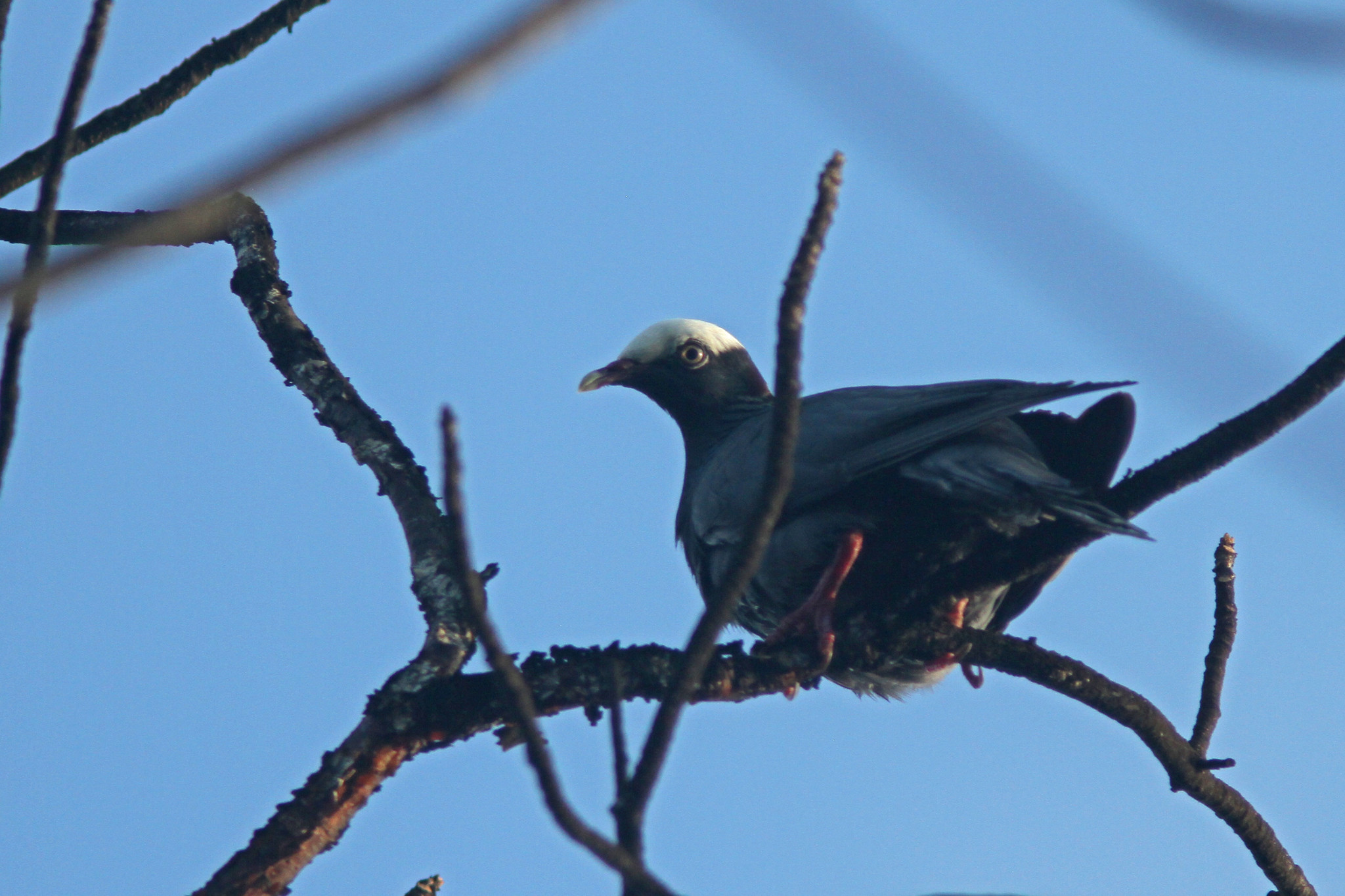 |
| White crowned Pigeon, Mastic Trail, Grand Cayman, Mar 6, 2020 |
 |
| Tennessee Warbler, Mastic Trail, Grand Cayman, Mar 6, 2020 |
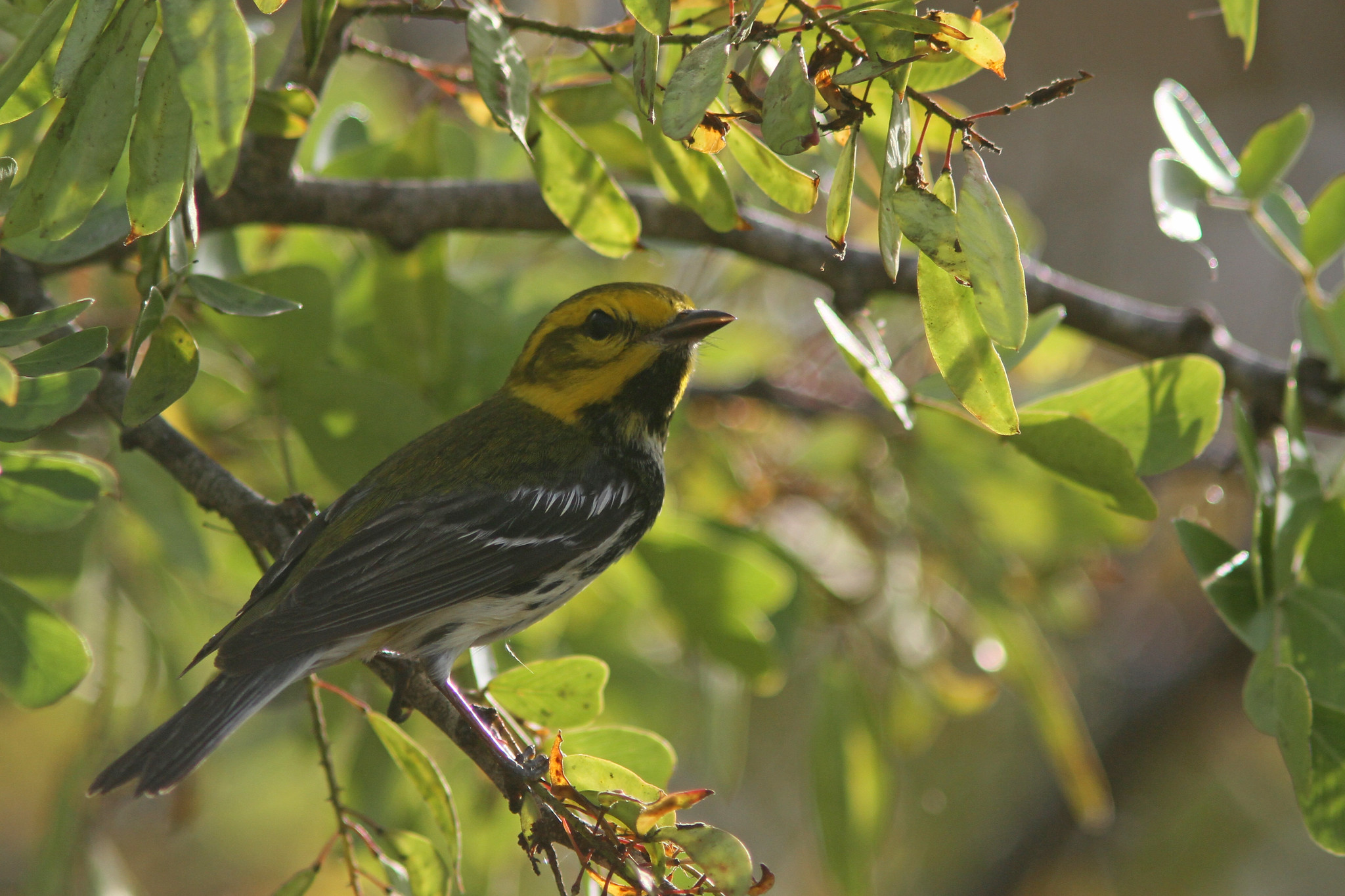 |
| Black throated Green Warbler, Mastic Trail, Grand Cayman, Mar 6, 2020 |
 |
| Magnificent Frigatebird, Mastic Trail, Grand Cayman, Mar 6, 2020 |
 |
| Bananaquit, Old Man Bay, Grand Cayman, Mar 6, 2020 |
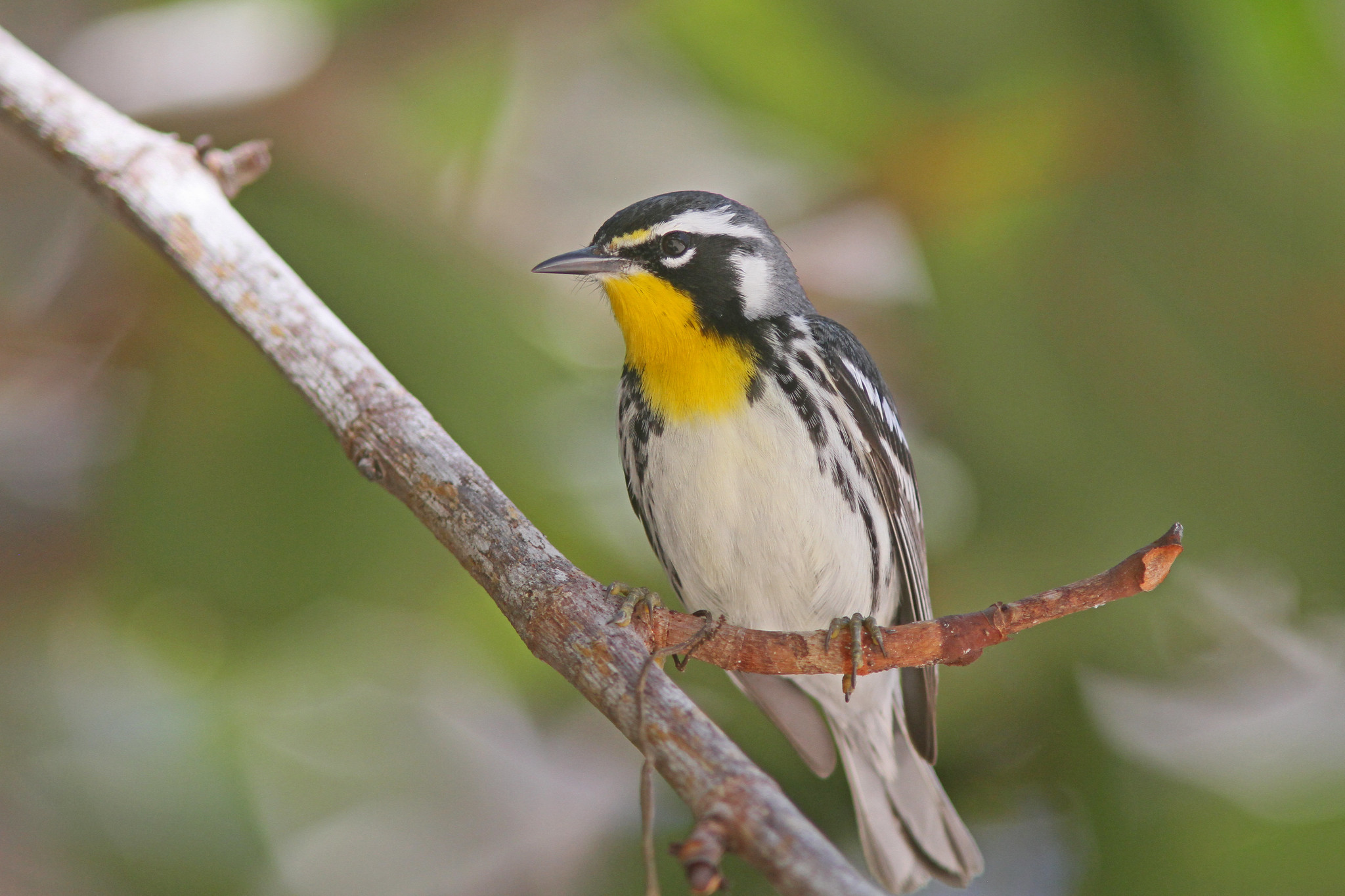 |
| Yellow throated Warbler, Old Man Bay, Grand Cayman, Mar 6, 2020 |
The last full day of the trip found me yet again starting the morning off at the north entrance to the
Mastic Trail where I arrived before dawn, lathered up with bug spray and walked the trail for about 3/4 of a mile before turning around. Among the birds seen was another new one for the trip with a Tennessee Warbler feeding in a tree along with Cape May Warblers, Bananaquits and Yellow faced Grassquits. I spent just under two hours there before heading south to hit the other end of the trail. I didn’t walk too far on this part of the
Mastic Trail but I still found great birds including yet another rarity with the sighting of a Black throated Green Warbler plus at least three Tennessee Warblers and other more expected species. I ran across a few birders from the island once again and they were able to relocate the rare Nashville Warbler (and get great photos) up at the north end of the trail. I missed it again during my early morning visit but decided to head back up there to try my luck again. Unfortunately I didn’t have any more luck on my return trip. By this point it was getting quite hot as the day neared the halfway point. I made a few more quick stops including
Malportas Pond and a small wetland in the area of
Over The Edge where I added some waders and shorebirds. Midday I was back at the lodging and relaxed a bit during the heat of the day and enjoyed my last afternoon in the heat. It was a great morning of birding with lots of expected stuff plus a few rarities and a total of 19 species of warbler.
 |
| Nashville Warbler, Mastic Trail, Grand Cayman, Mar 7, 2020 |
I had a little time in the morning on Saturday before we had to make the trek back to the airport for our flights back to reality and the fear of corona virus. I decided to try one more time to relocate the Nashville Warbler at the north end of the
Mastic Trail. Unfortunately the morning started off quite breezy with some sprinkles but I decided to try nonetheless. Thankfully the clouds lifted somewhat a little after dawn so at least the threat of additional rain was gone. I walked down to the area I had the bird previously as well as a bit beyond it but no luck at all. I decided it was just too breezy so I headed back out. As I got to the trail head I noticed some birds flitting around some low brush in a freshly disturbed area and one of the birds was the Nashville Warbler. I finally got some documentation shots of the bird before I left. I also made some brief stops at
Malportas Pond and along the coast but the wind was quite strong at both spots and activity was fairly low.
Overall for the trip I found a total of 101 species with eight of those being life birds. On Antigua and Barbuda I found a total of 56 species with 48 species on Antigua and 22 species on Barbuda with two life birds: Barbuda Warbler and Helmeted Guineafowl. Grand Cayman produced 80 species with six being life birds (West Indian Woodpecker, Cuban Parrot, Yucatan Vireo, Vitelline Warbler, Swainson’s Warbler and Cuban Bullfinch). I’m sure I could have added a bit to that total by visiting more wetlands and ponds but I focused on just a few spots close to our lodging instead of traveling a lot.
With this additional my worldwide overall total now stands at 1578. The trip added three new warbler species for me and much more detail regarding the warblers can be found at the following links:
Antigua and Barbuda warblers and
Grand Cayman warblers.