Wednesday, September 13, 2017

More migrants the last few days


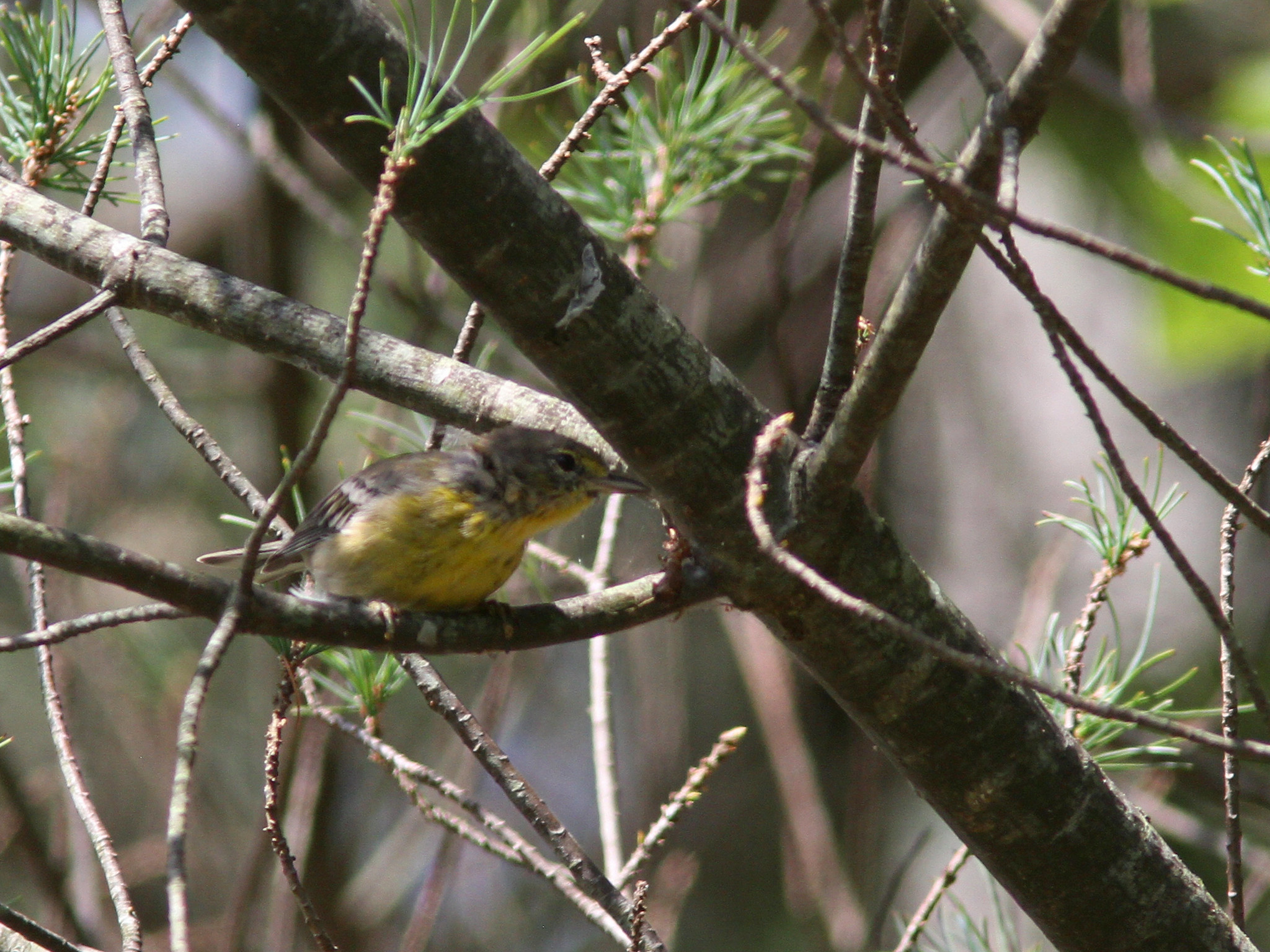
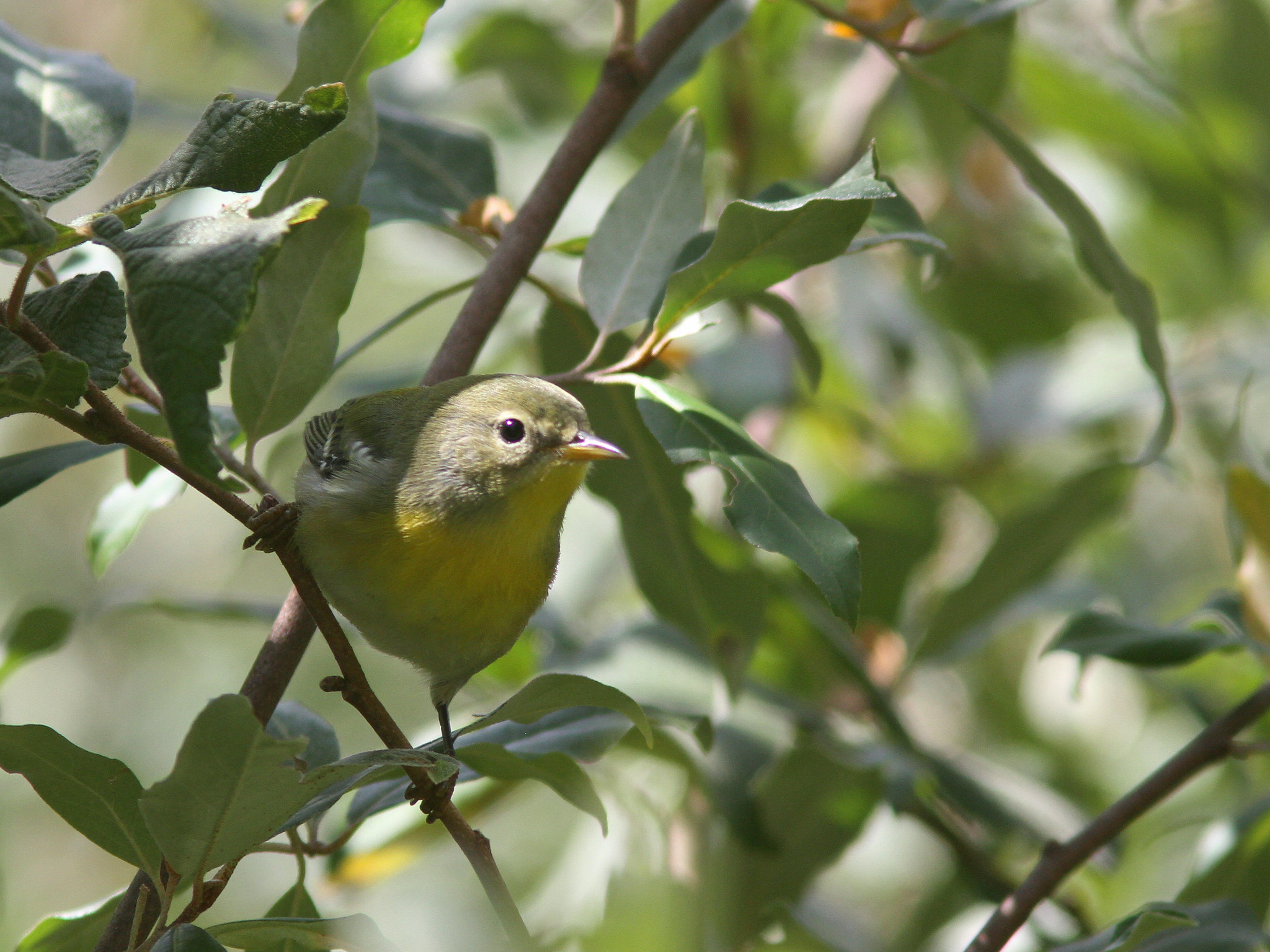
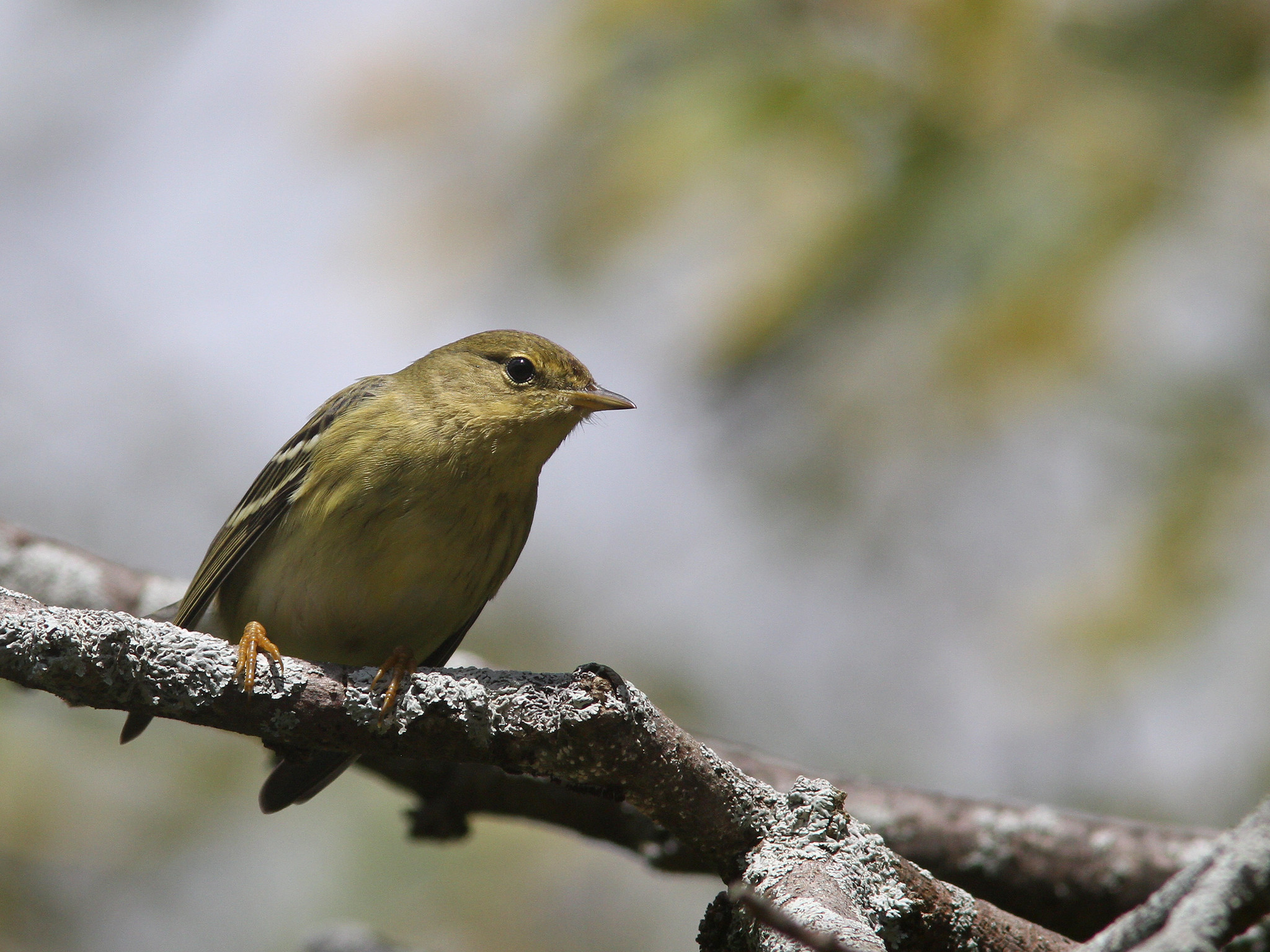
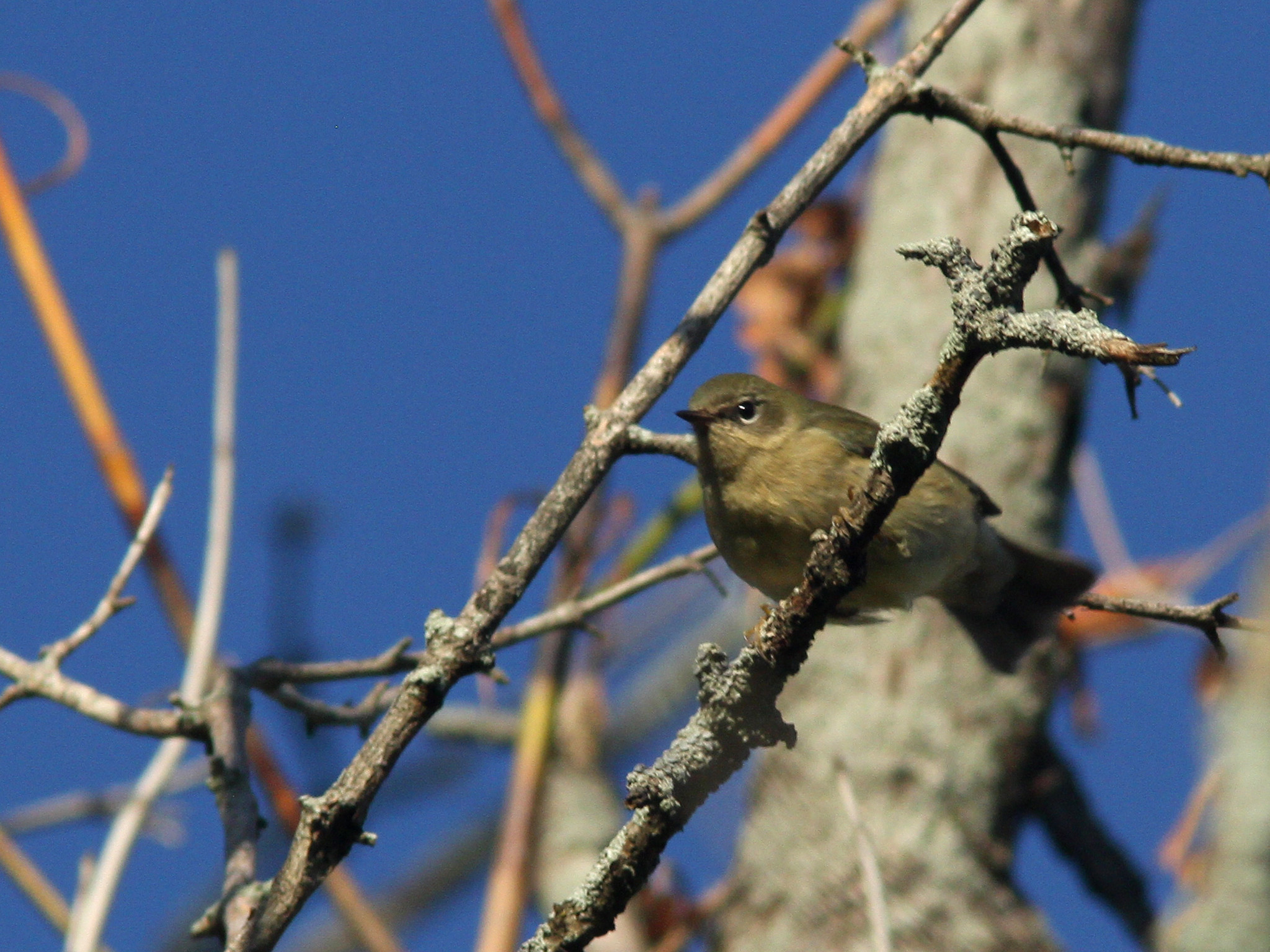
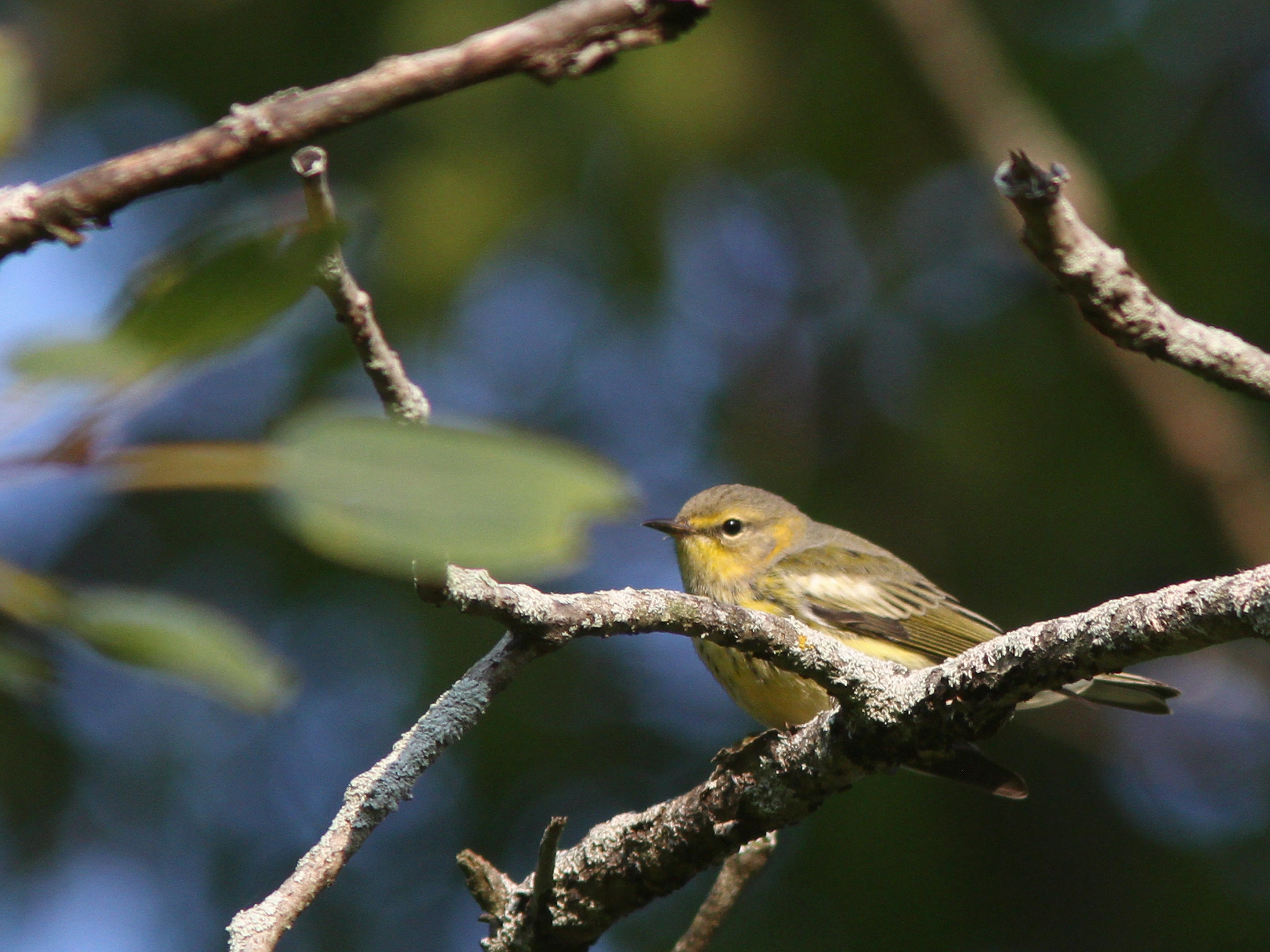
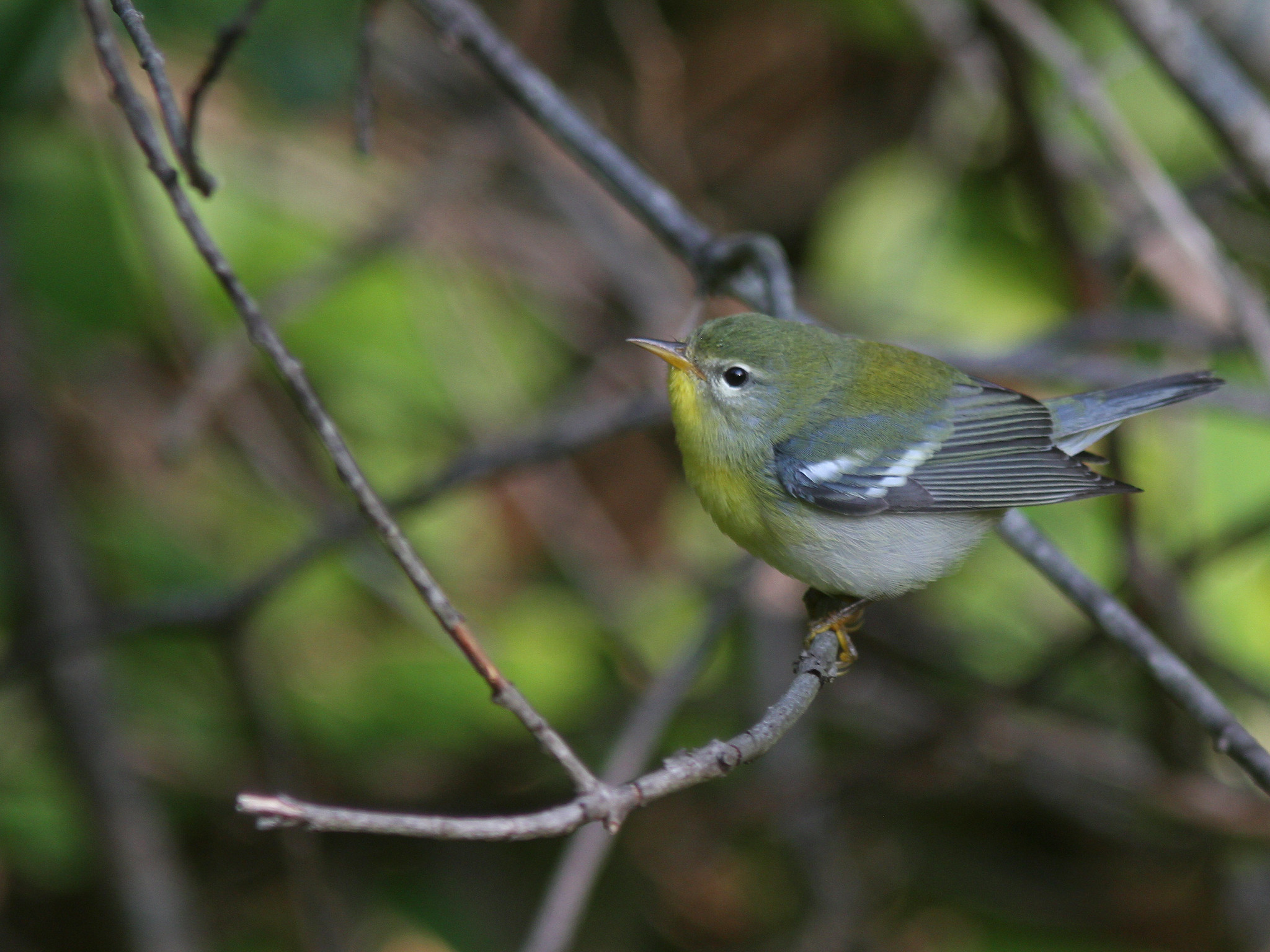
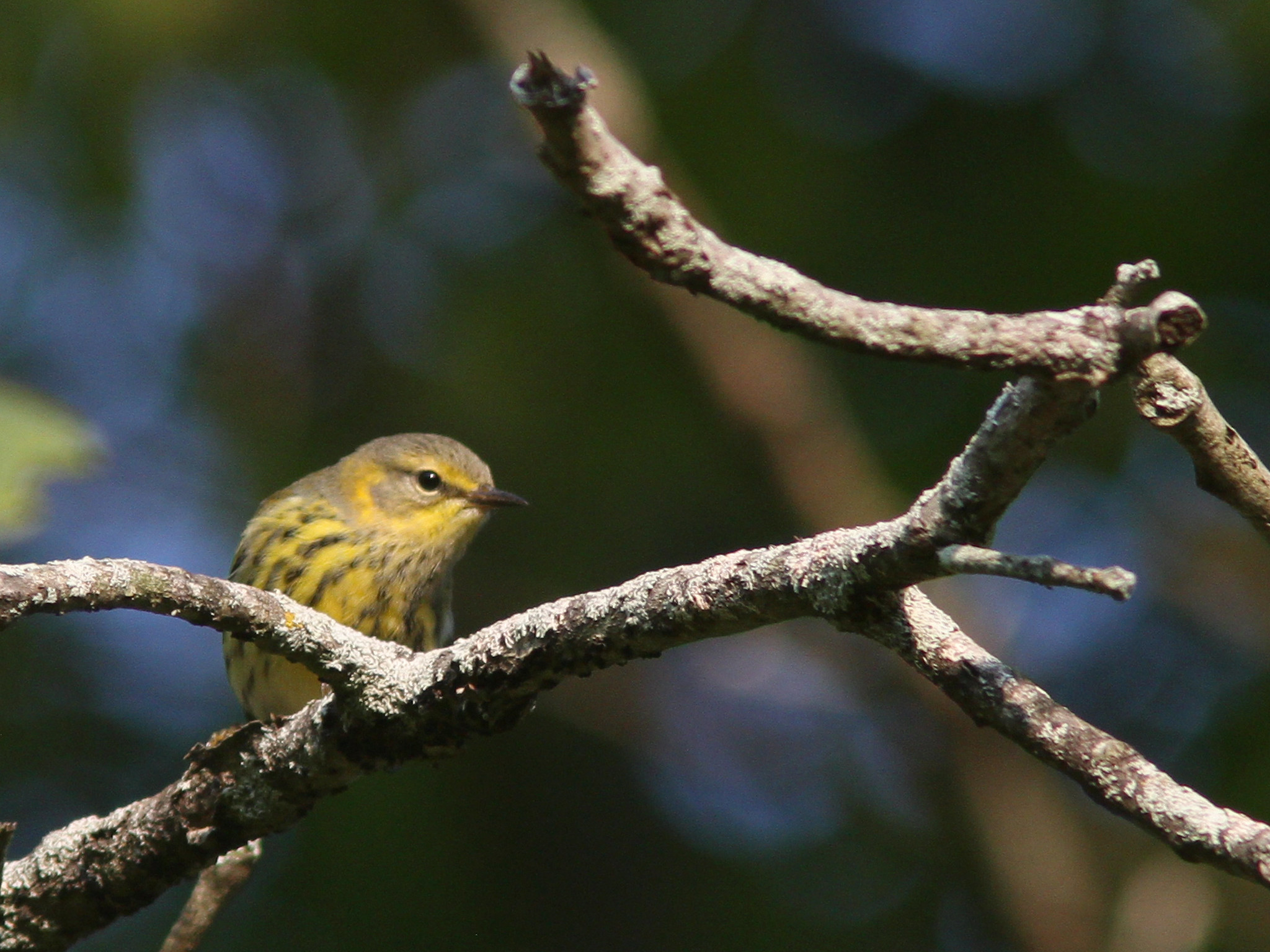
Cape May Warbler, Amherst, MA, Sep 11, 2017
After several nights of northerly winds bringing great migration conditions the winds have turned to the south and we have enjoyed a return to summer like temperatures with highs in the 80's. With the great migration conditions the last few mornings have produced some great birds.  Until the conditions change again I would not expect many new arrival nor many departures.
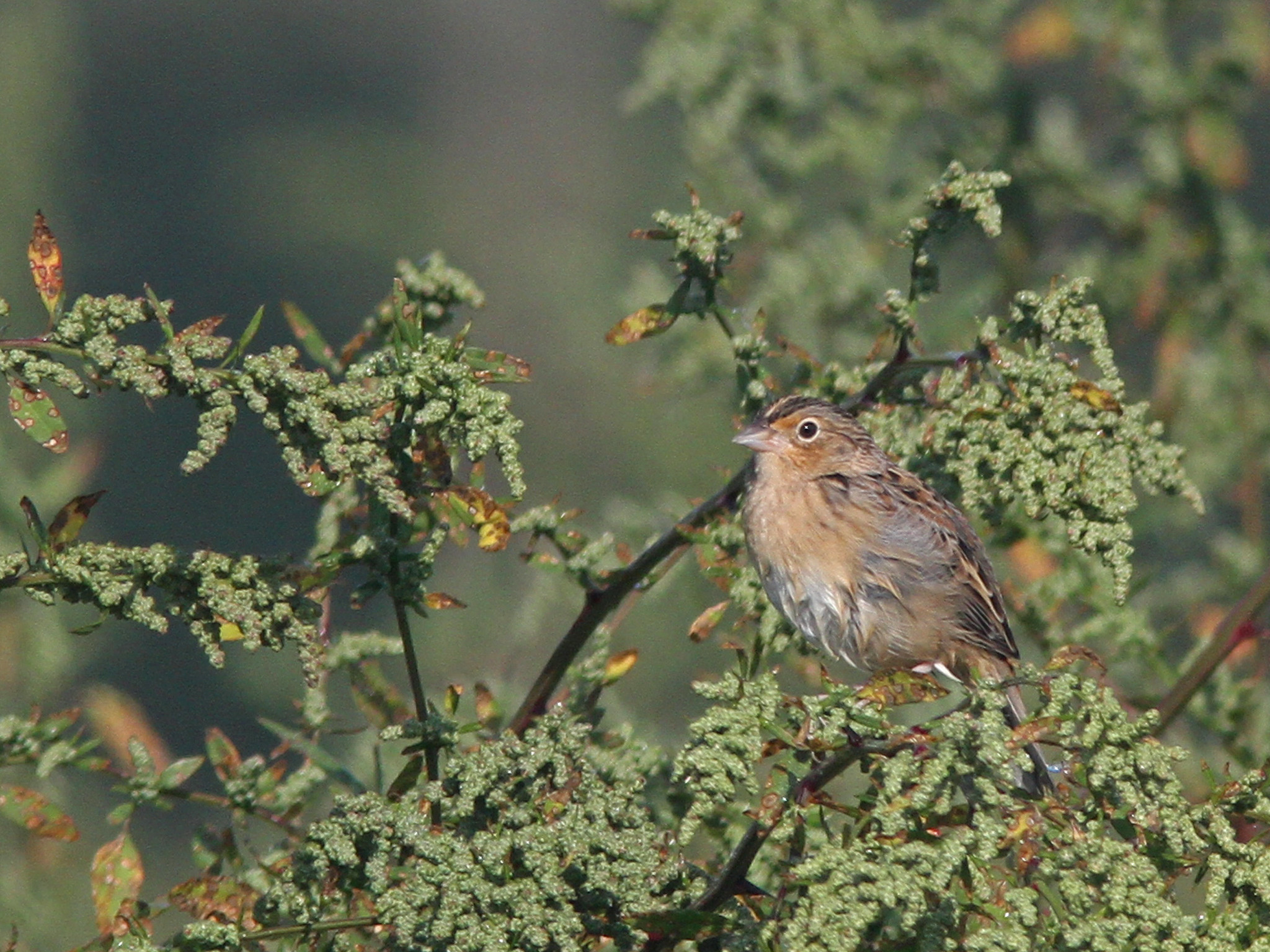
Grasshopper Sparrow, Arcadia, Northampton, MA, Sep 13, 2017
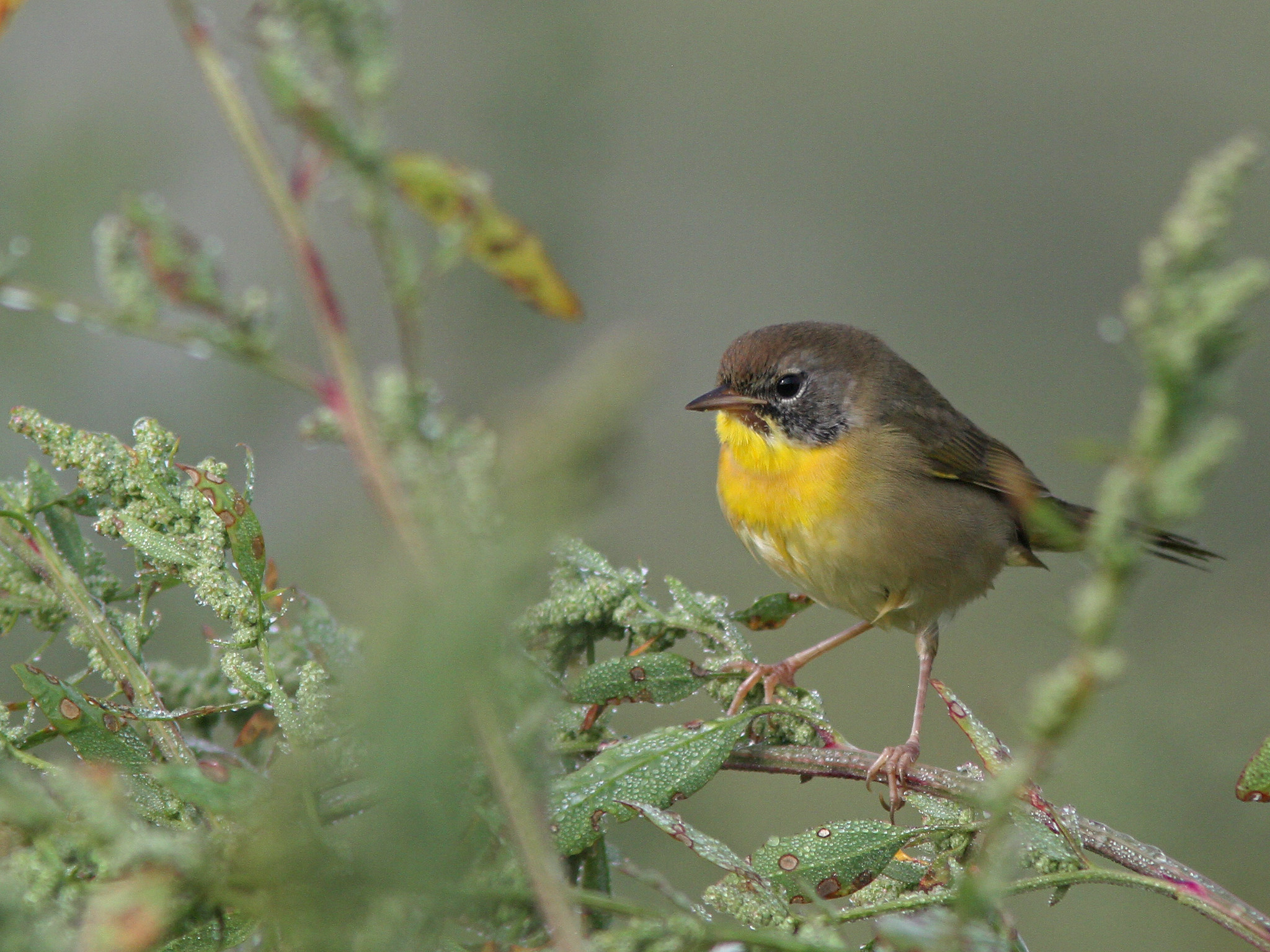
Common Yellowthroat, Arcadia, Northampton, MA, Sep 13, 2017
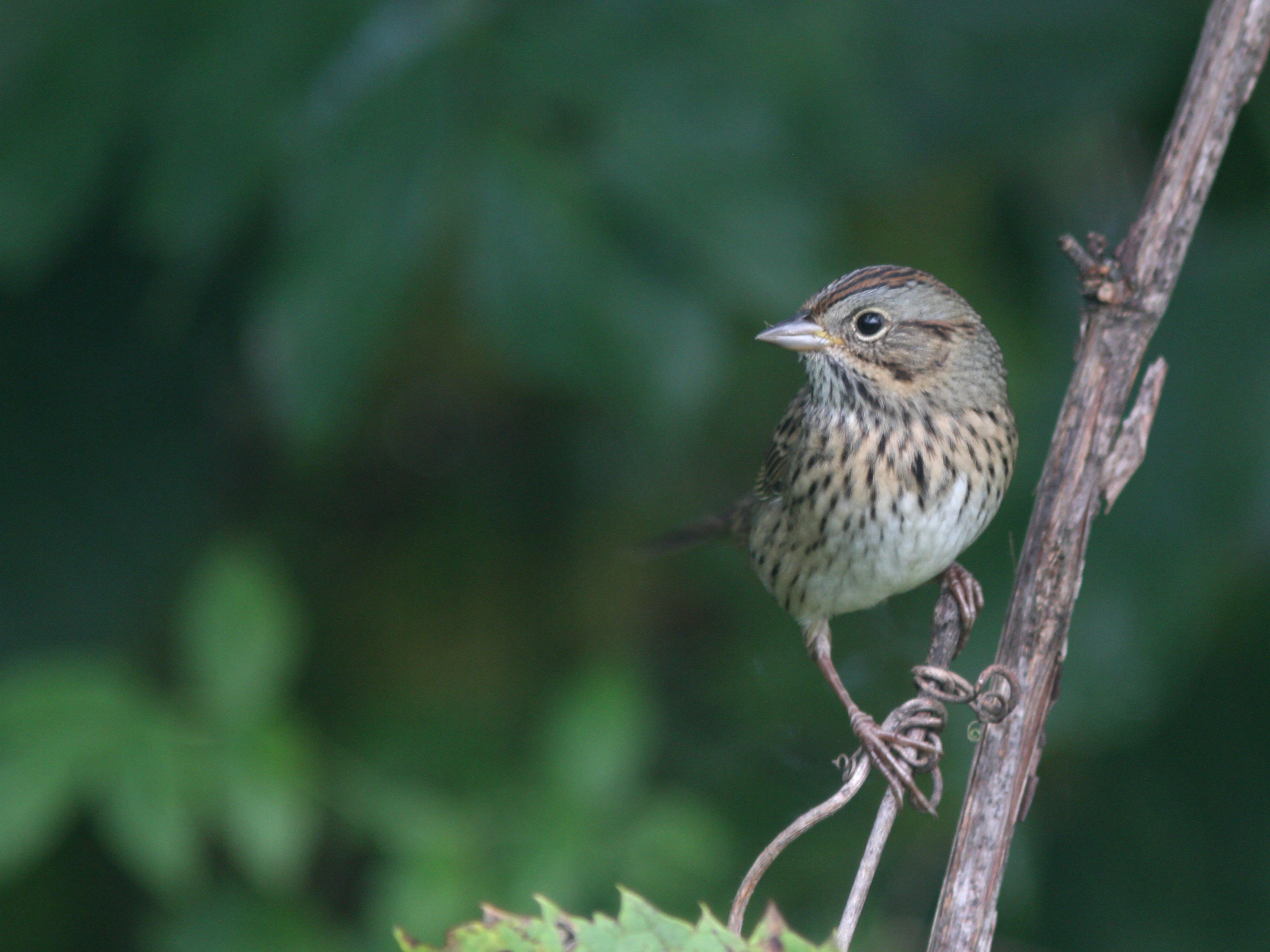
Lincoln's Sparrow, Arcadia, Northampton, MA, Sep 13, 2017
Gray Catbird, Arcadia, Northampton, MA, Sep 13, 2017
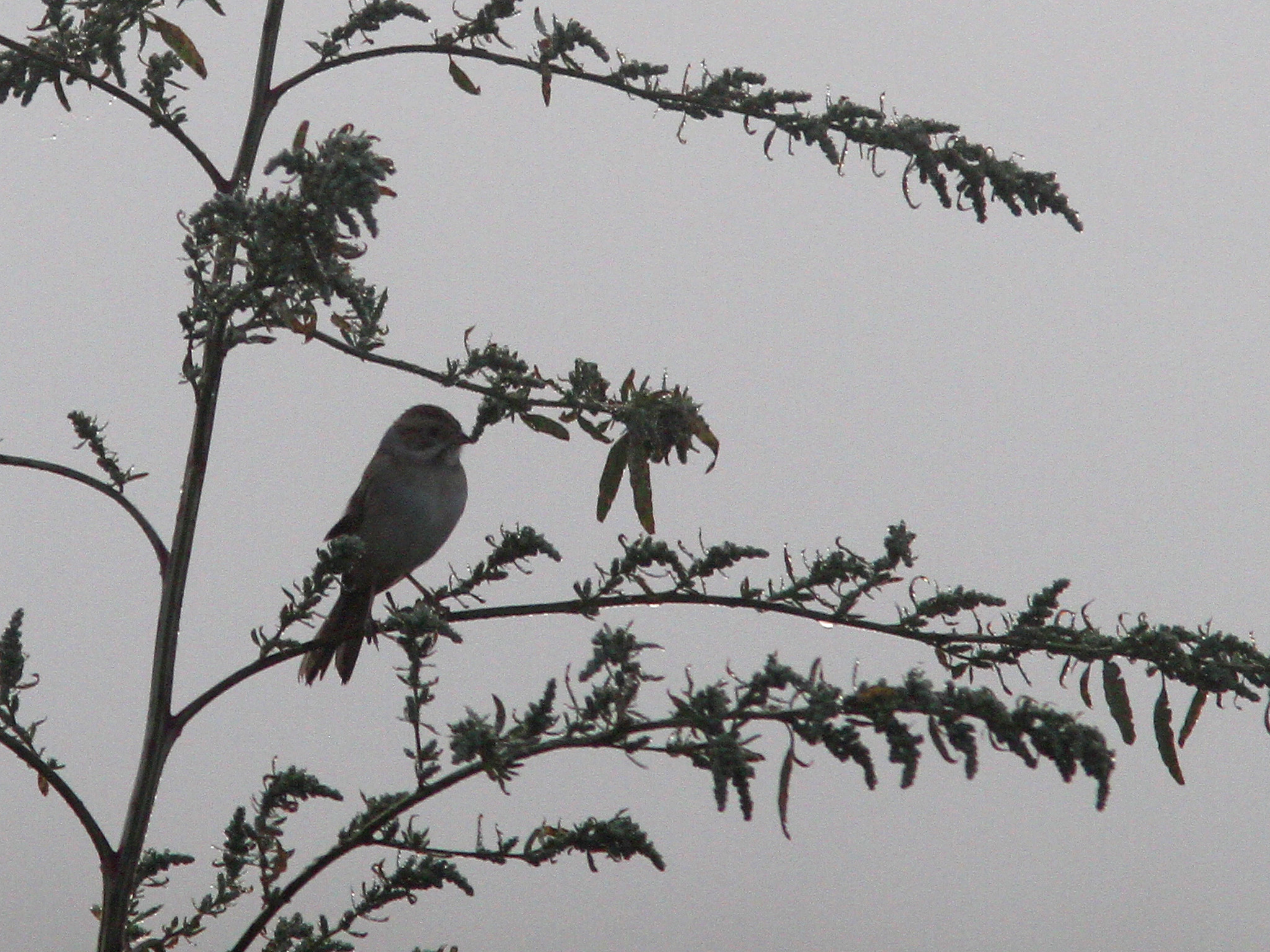
Clay colored Sparrow, Arcadia, Northampton, MA, Sep 13, 2017
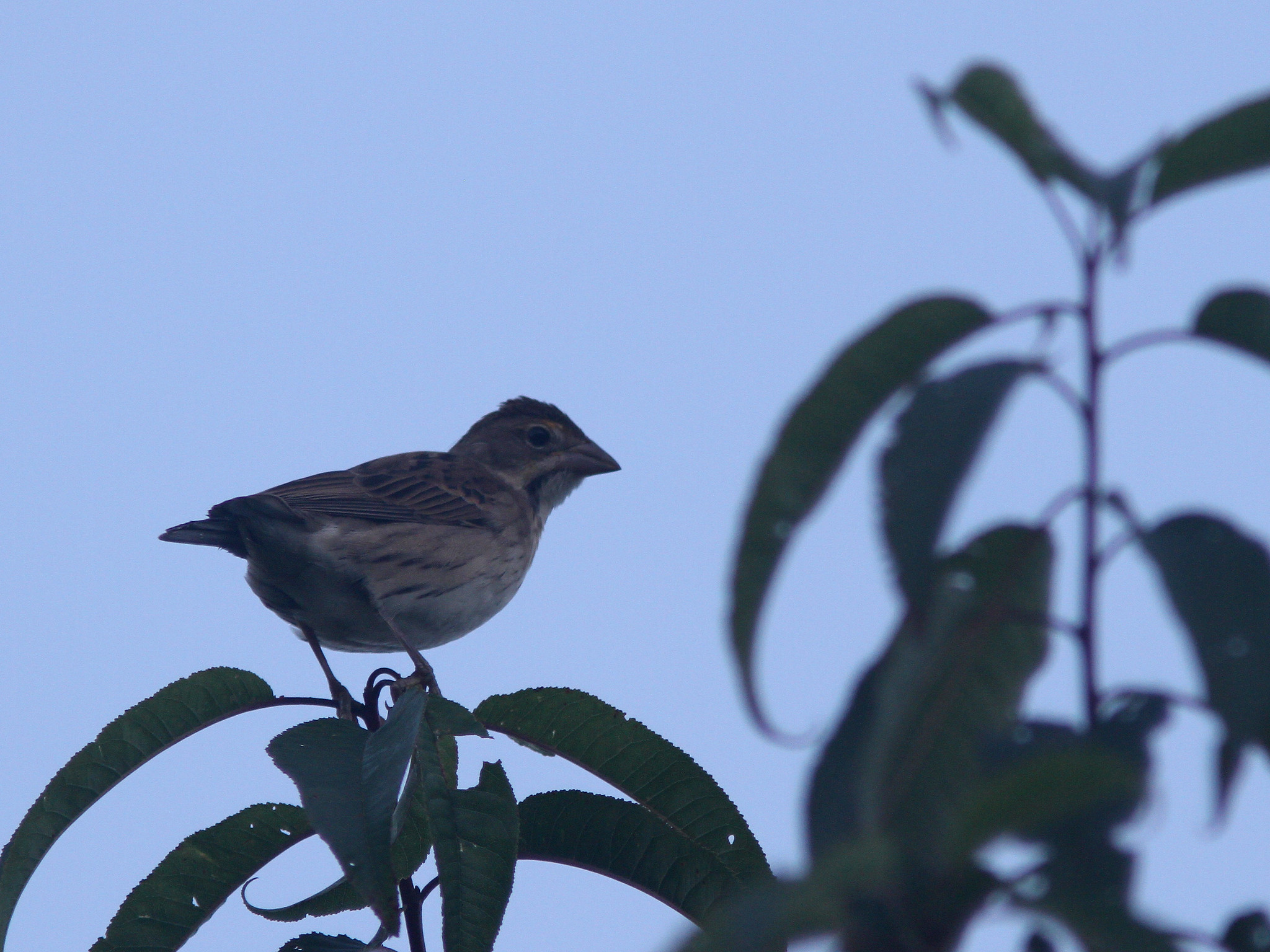
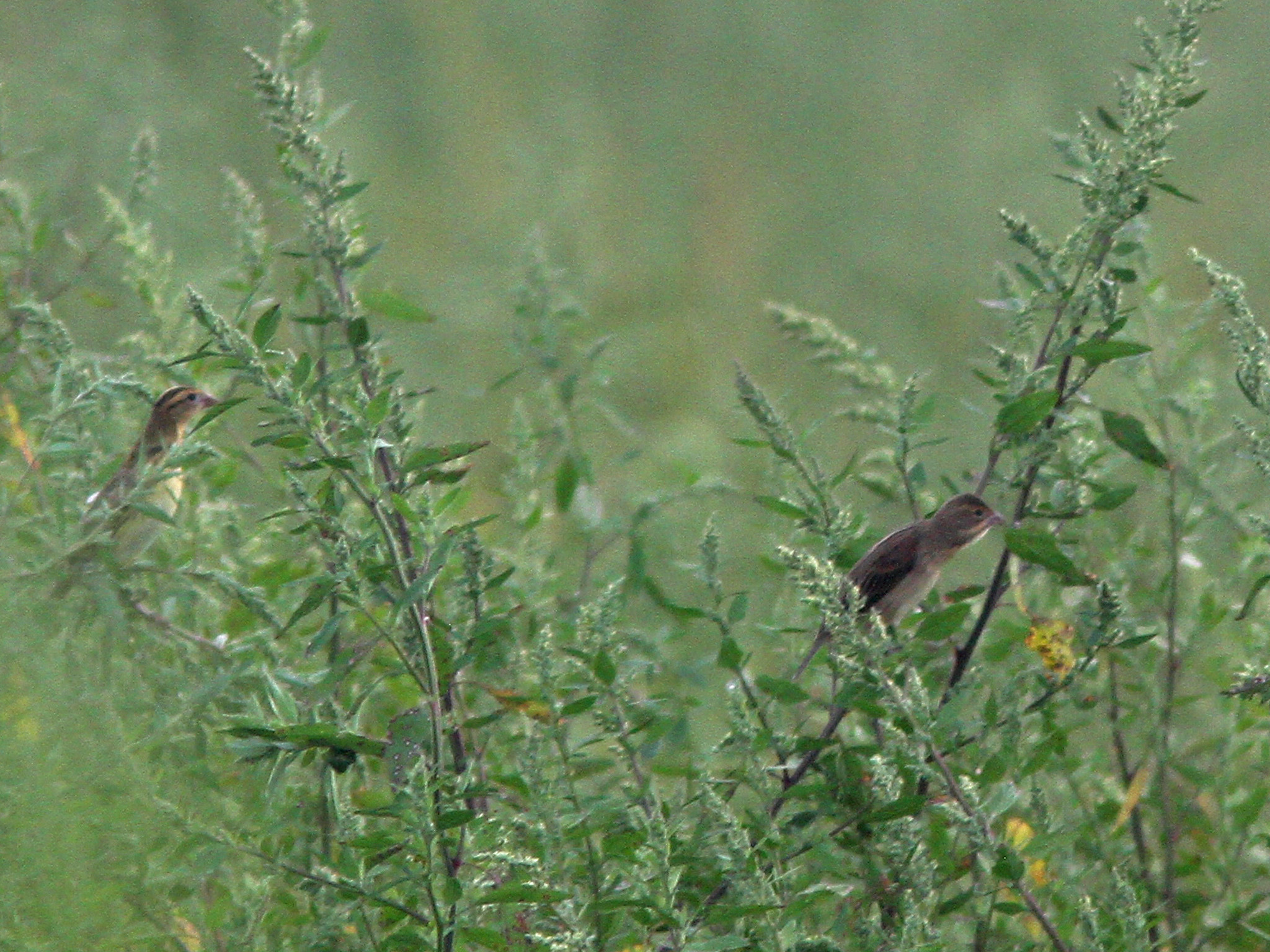
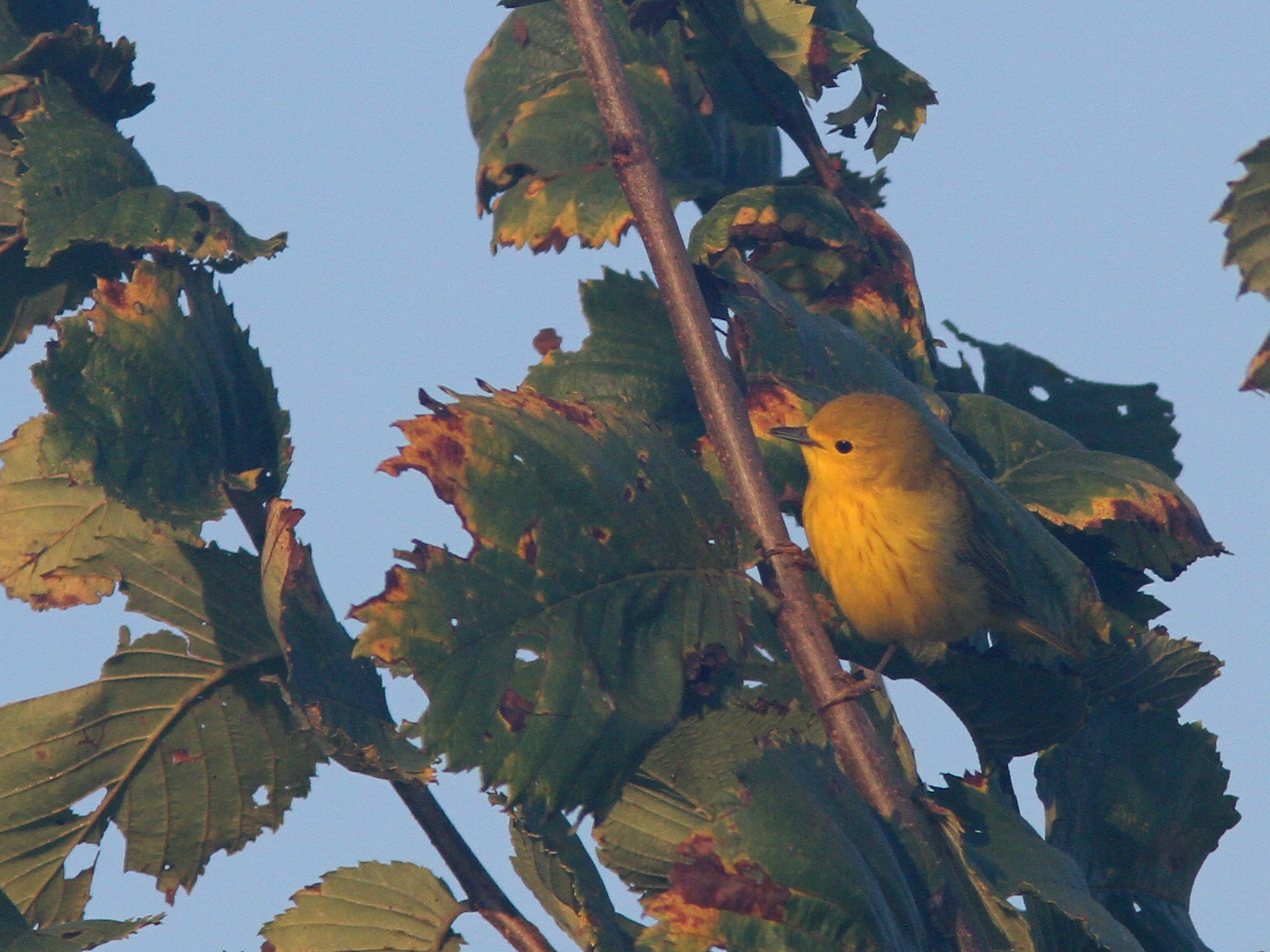
Today I headed over to Arcadia to see what I could find after not being there for a few days. The thick fog that was present when I arrived stuck around through mid morning before finally burning off. Despite the less than ideal conditions there were some great birds around with the highlights including three Yellow Warblers, both subspecies of Palm Warbler, a Clay colored Sparrow (seen distantly in the fog), a Grasshopper Sparrow and a flyby Dickcissel.  Full eBird list from the morning: Arcadia
Prairie Warbler, Quabbin Park, MA, Sep 12, 2017
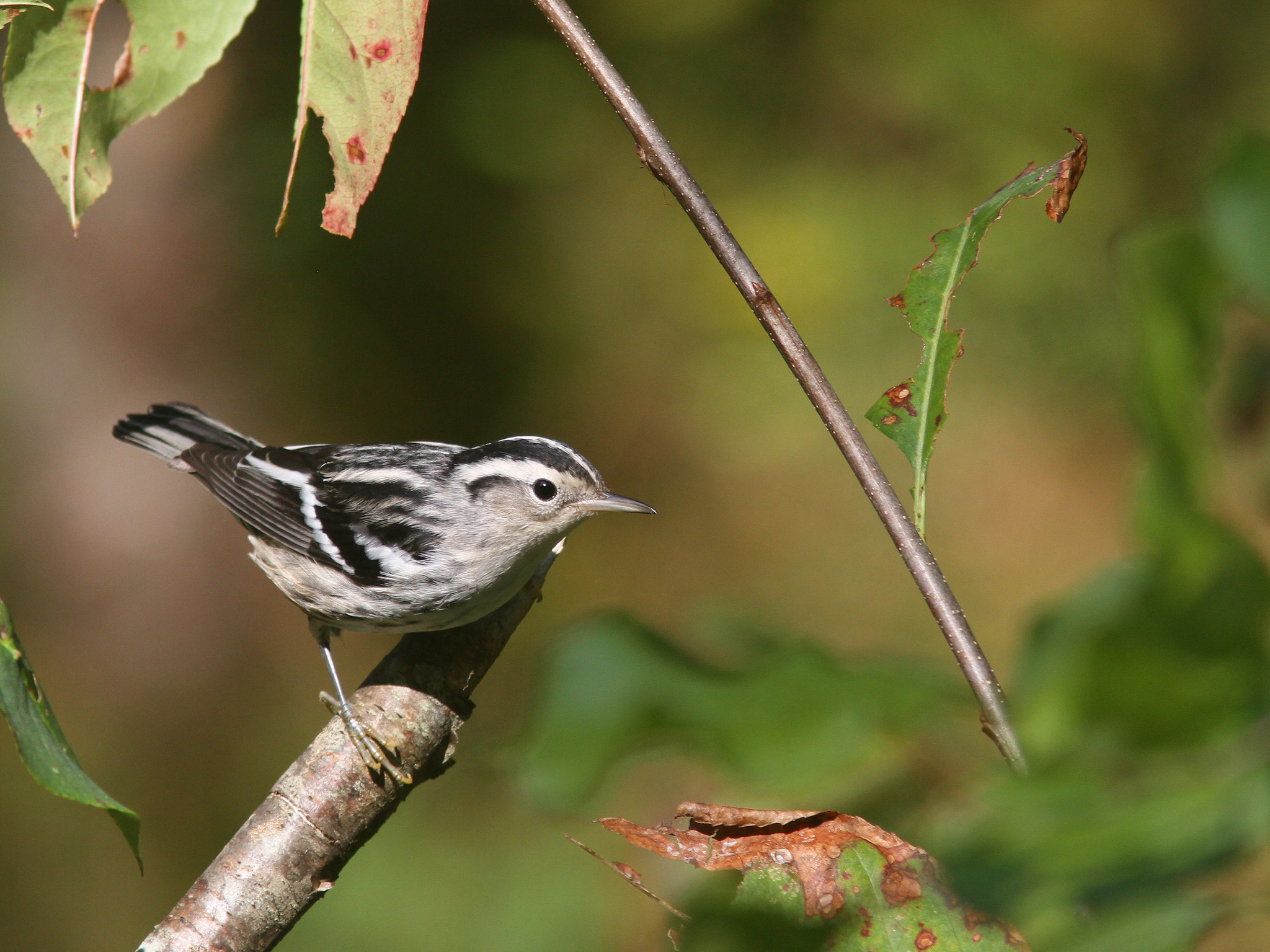
Black and White Warbler, Quabbin Park, MA, Sep 12, 2017
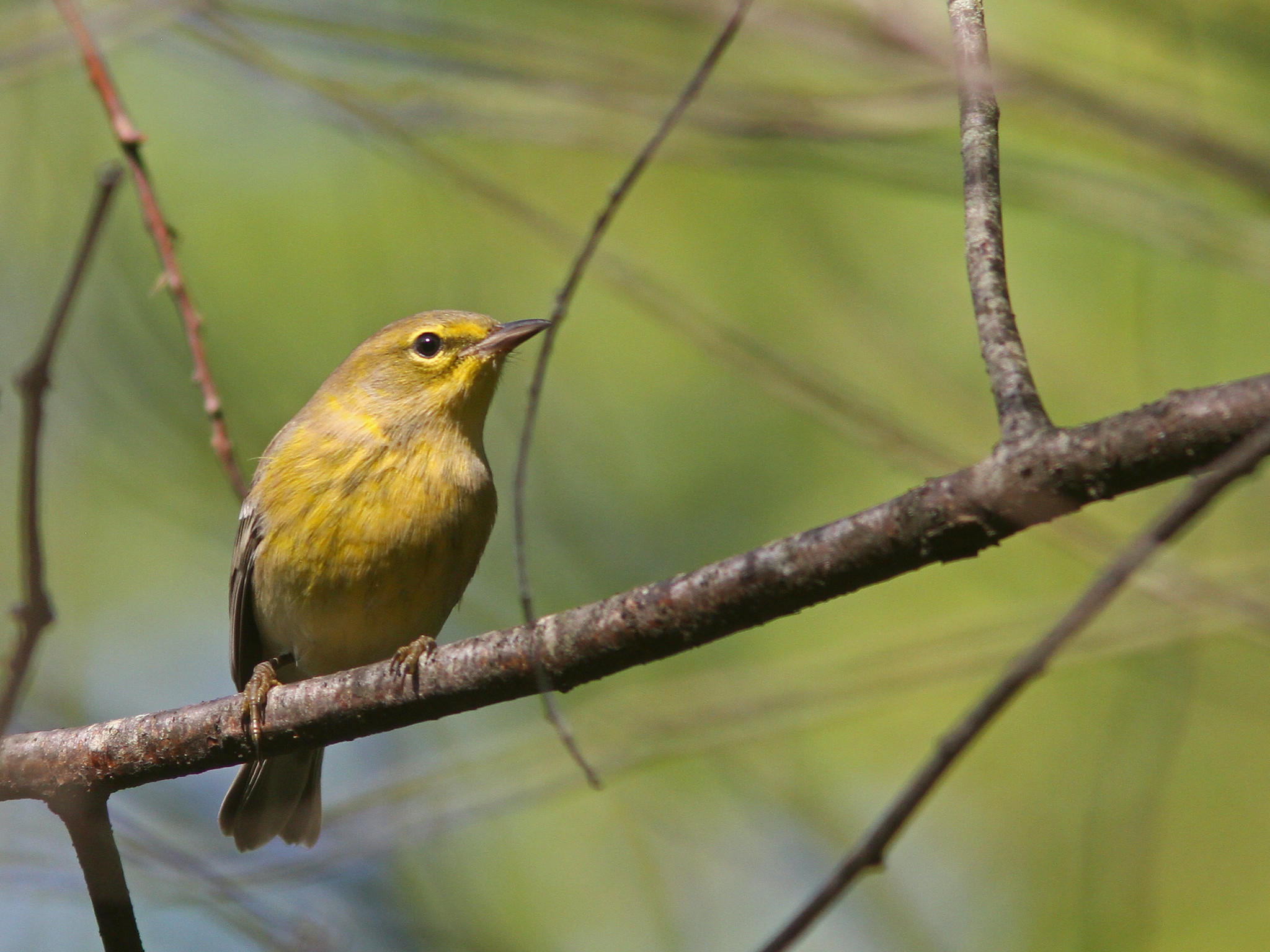
Pine Warbler, Quabbin Park, MA, Sep 12, 2017
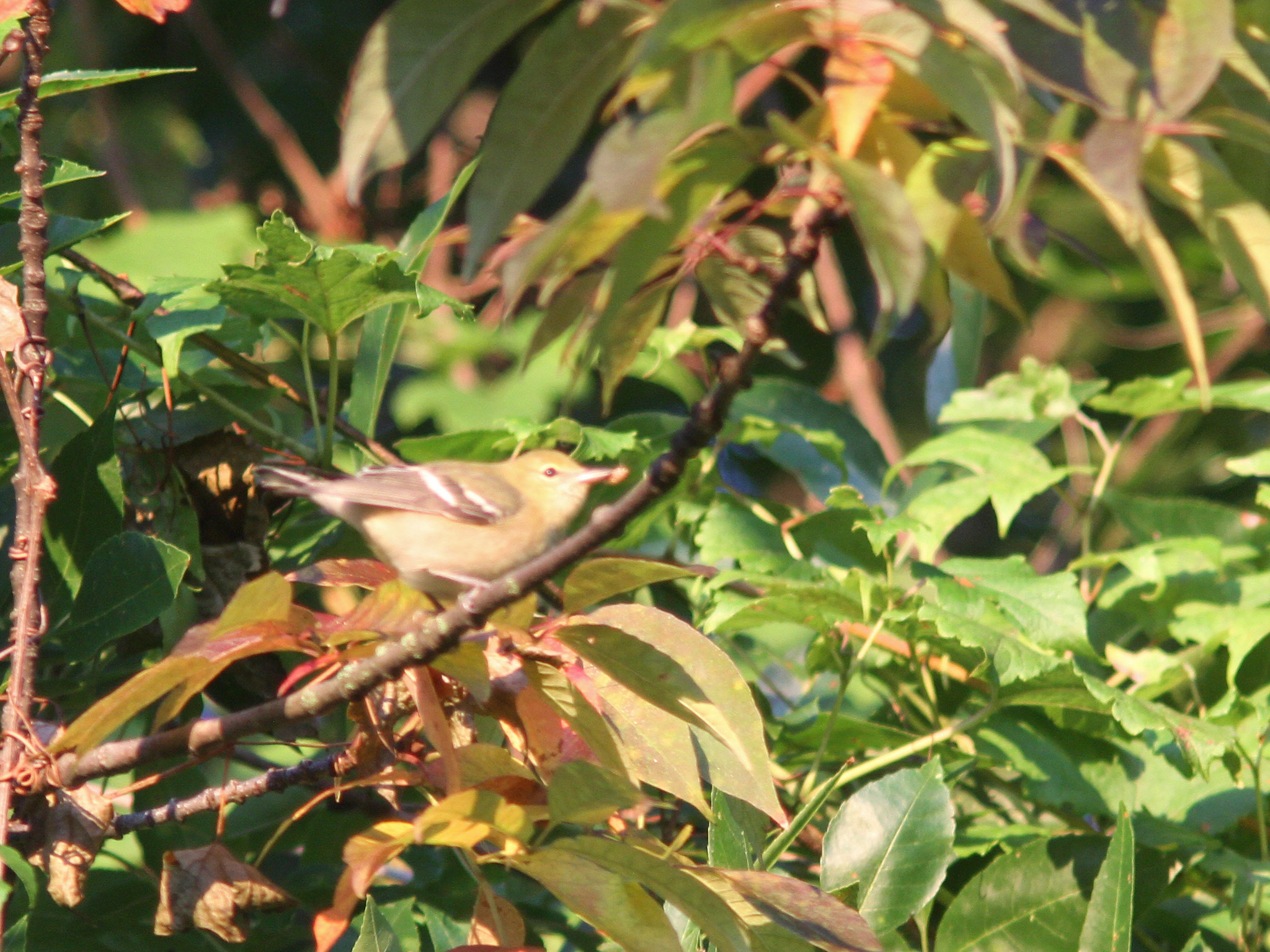
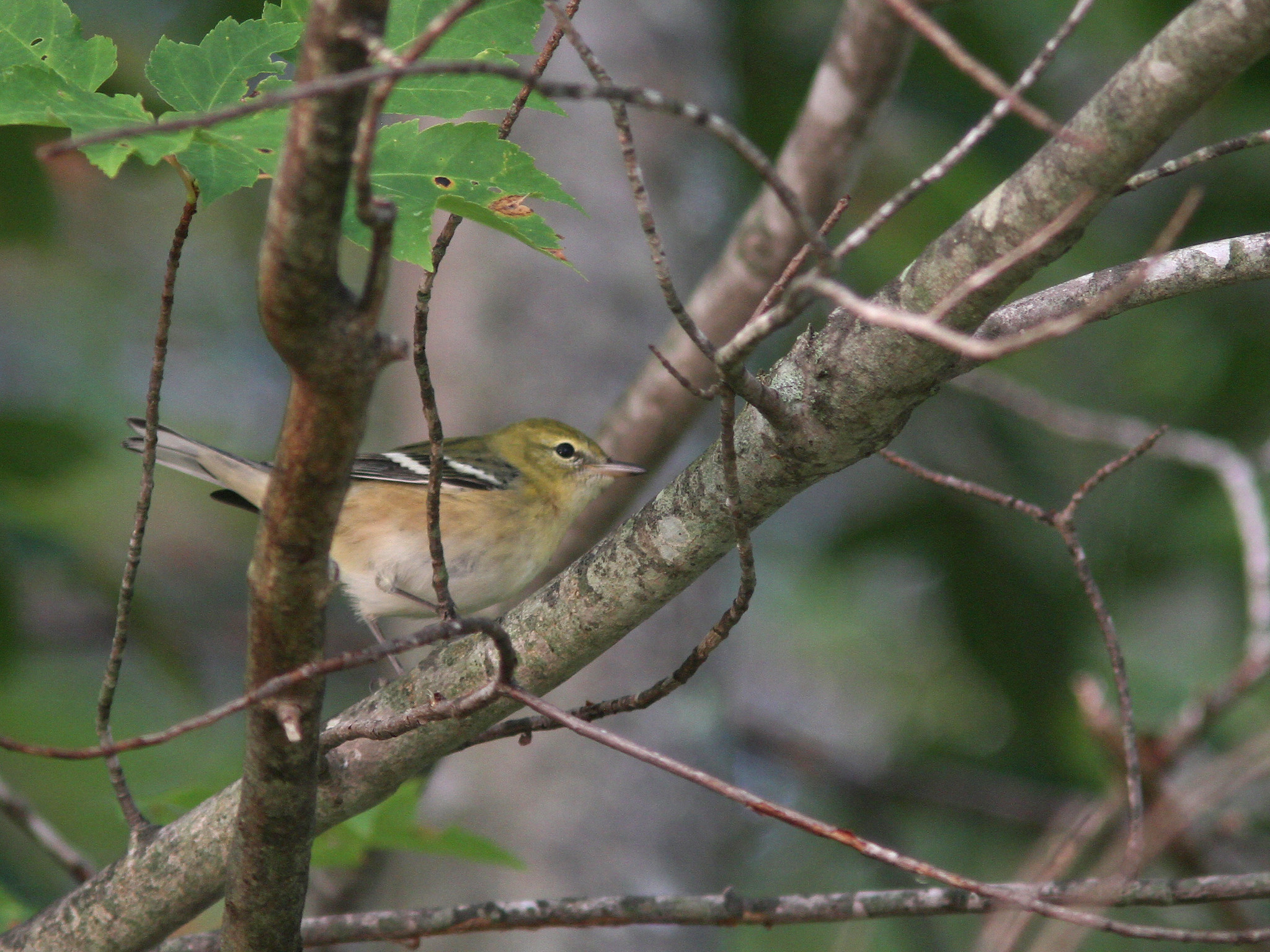
Bay breasted Warbler, Quabbin Park, MA, Sep 12, 2017
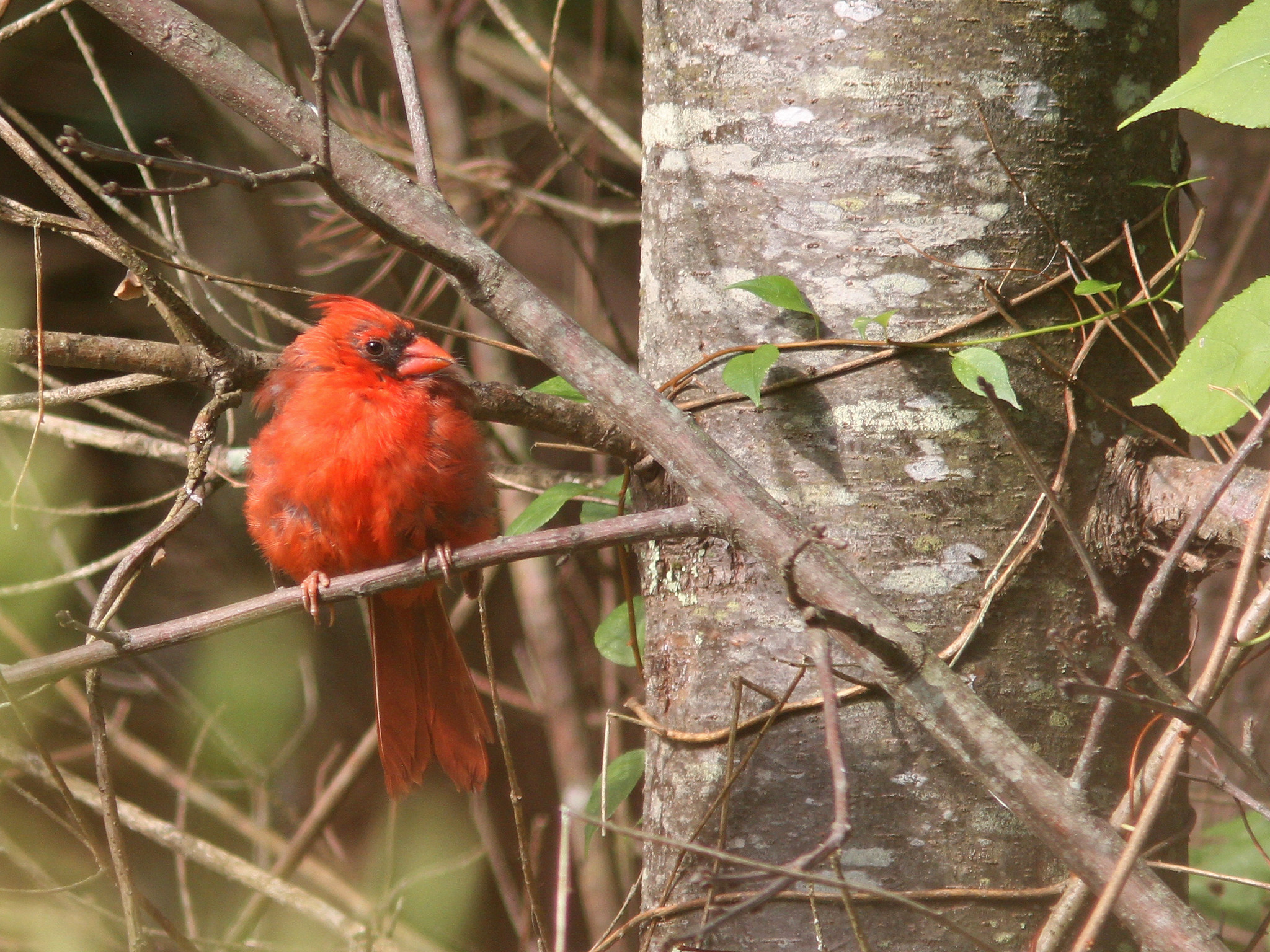
Northern Cardinal, Quabbin Park, MA, Sep 12, 2017
Yesterday I spent the morning around Quabbin Park starting off predawn where I had at least three Eastern Whip Poor Wills still calling as well as a few owls. Once the sun came up the temps warmed up and the birds responded. There were several mixed species flocks with highlights including five Wood Thrushes, a Cape May Warbler, three Bay breasted Warblers and almost thirty Pine Warblers among 15 species of warbler and others among some sixty species total.  List from the morning here: Quabbin Park
Cape May Warbler, Amherst, MA, Sep 11, 2017
Northern Parula, Amherst, MA, Sep 11, 2017
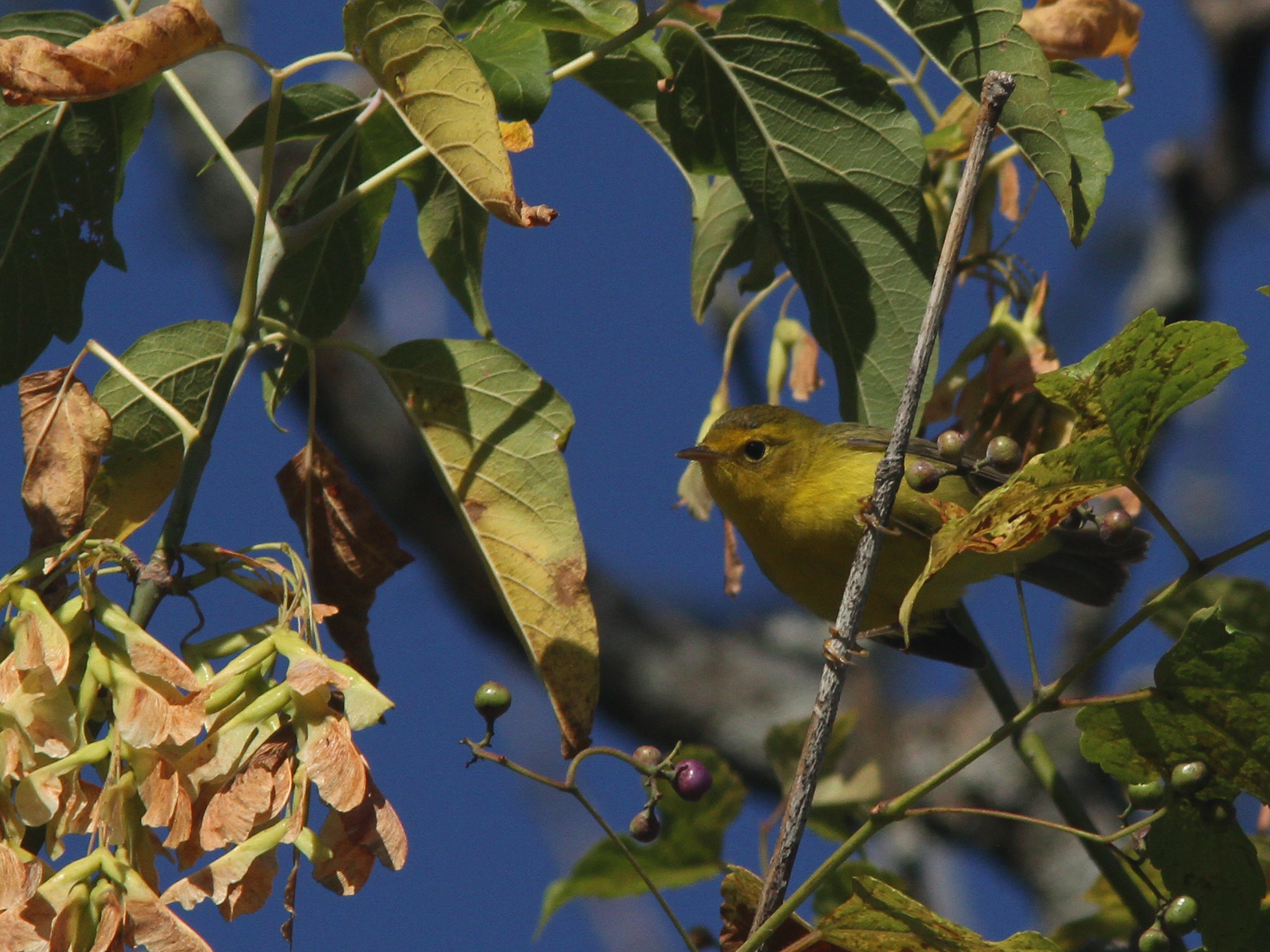
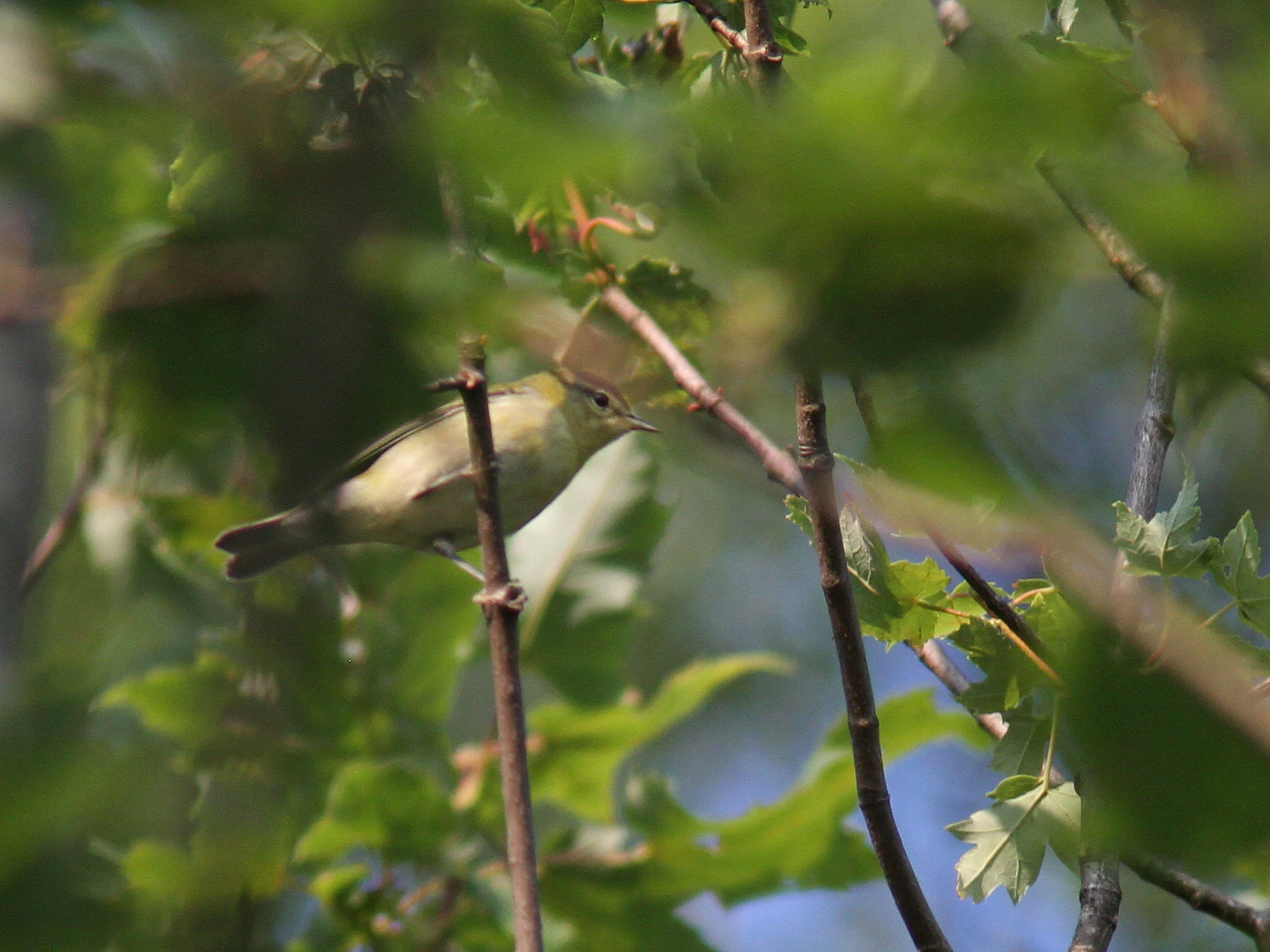
Tennessee Warbler, Amherst, MA, Sep 11, 2017
On Monday morning I spent another cool morning out, this time in Amherst with Keenan and Isabel. It was another productive morning with several notable sightings including a spectacular number of Tennessee Warblers (at least 13). So far this fall has been spectacular for a few northern breeding species that nest in spruces with the most noteworthy being Tennessee Warbler. Some mornings I have seen more individuals in a single day then I have gotten in an entire season in the past. The count of 13 on Monday morning is the highest count in eBird for Hampshire County ever...really crazy considering all those birds were in such a small geographic area. It will be interesting to see if the large counts here in fall translate into higher counts in their wintering area (Costa Rica is one such area I will be checking) and if there is a noticeable increase in numbers here next spring. Other spruce nesting species such as Bay breasted Warbler and Blackpoll Warbler also have been around in larger than typical numbers.  I will give a full tally of the numbers once the fall migration ends.
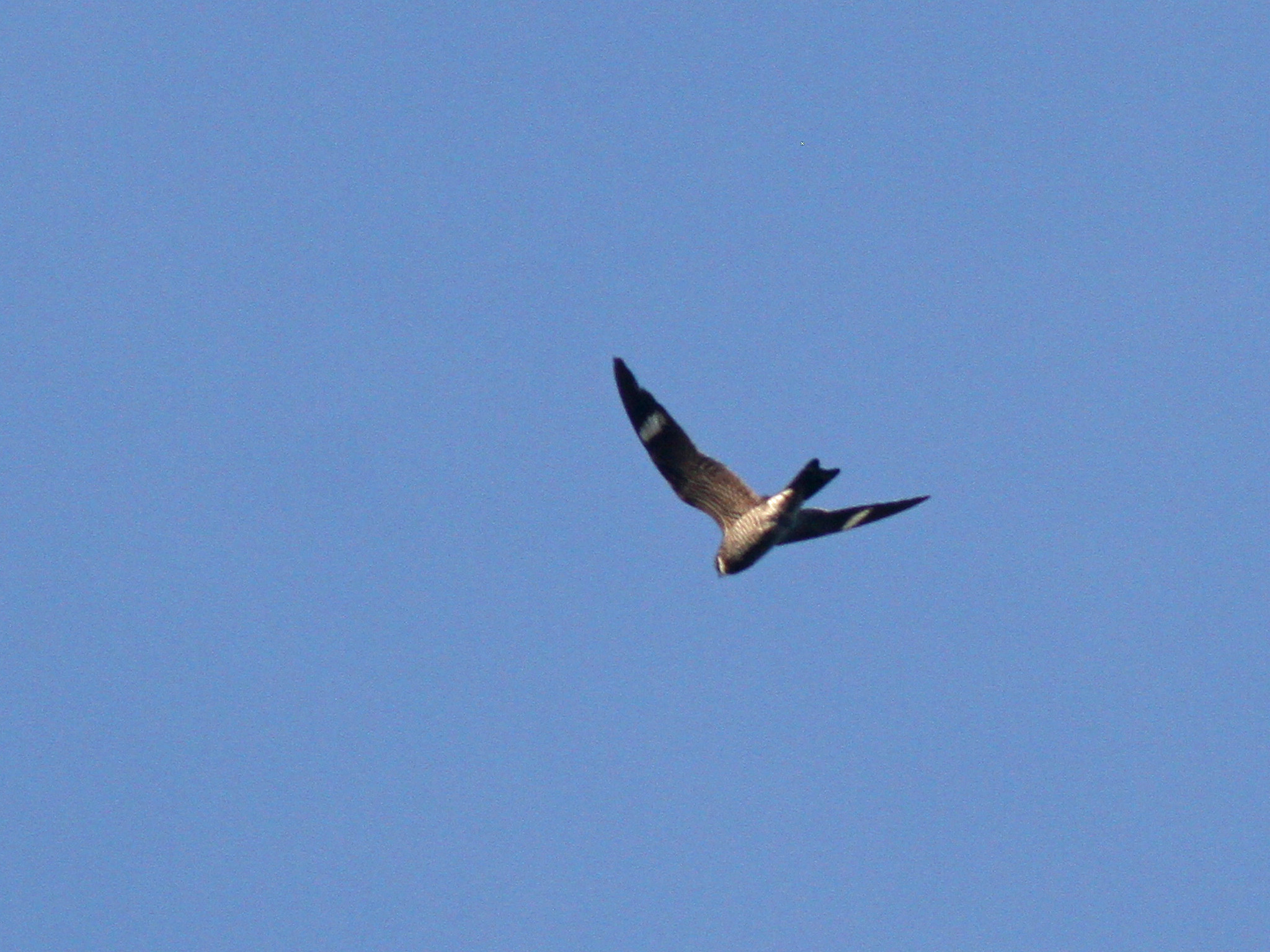
Common Nighthawk, home, Belchertown, MA, Sep 12, 2017
Common Nighthawk with mouth open about to catch flying ant, home, Belchertown, MA, Sep 12, 2017
The warmer temperatures brought in some Common Nighthawks over the house taking advantage of a hatching of flying ants.

Sunday, September 10, 2017

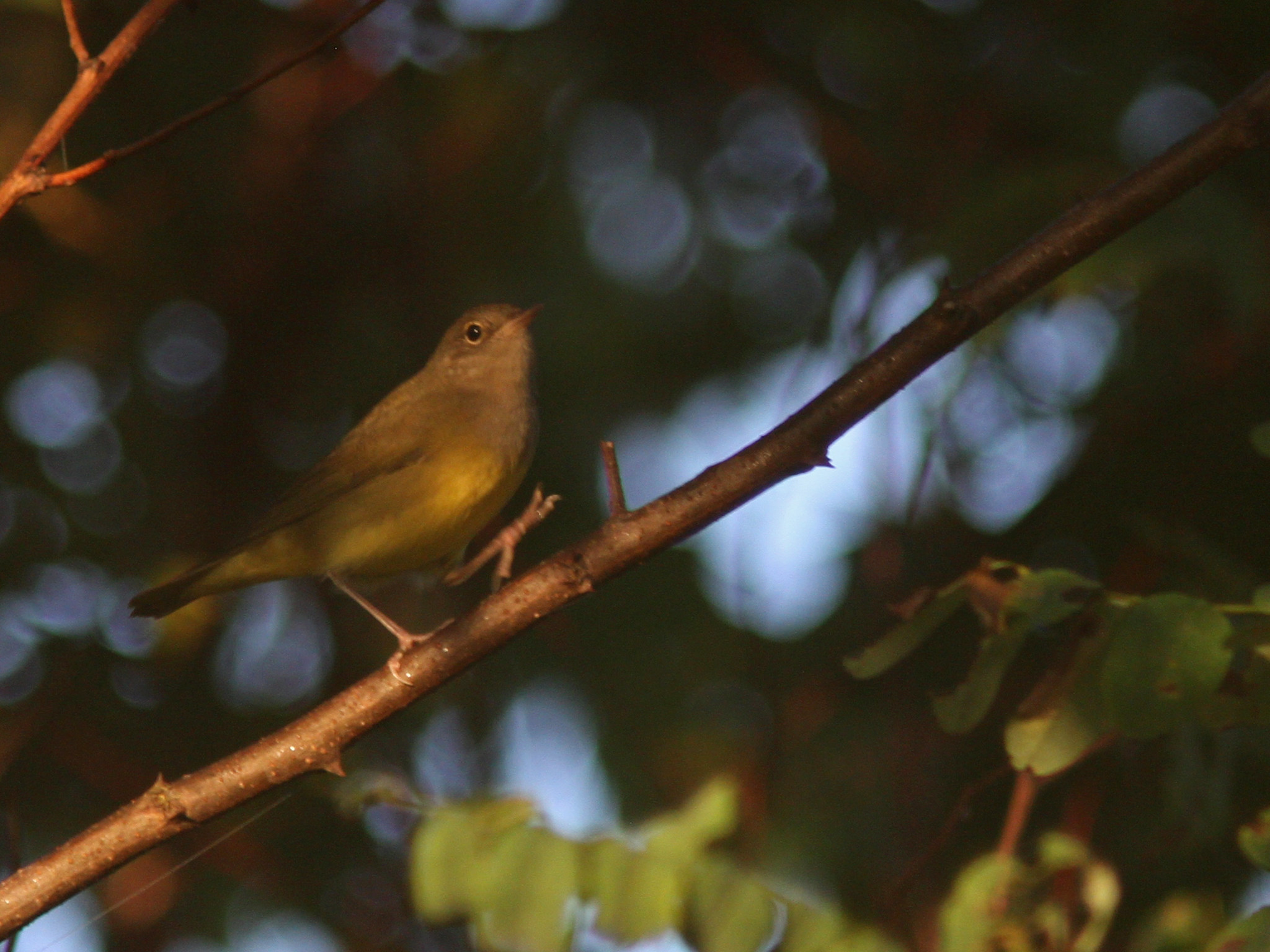
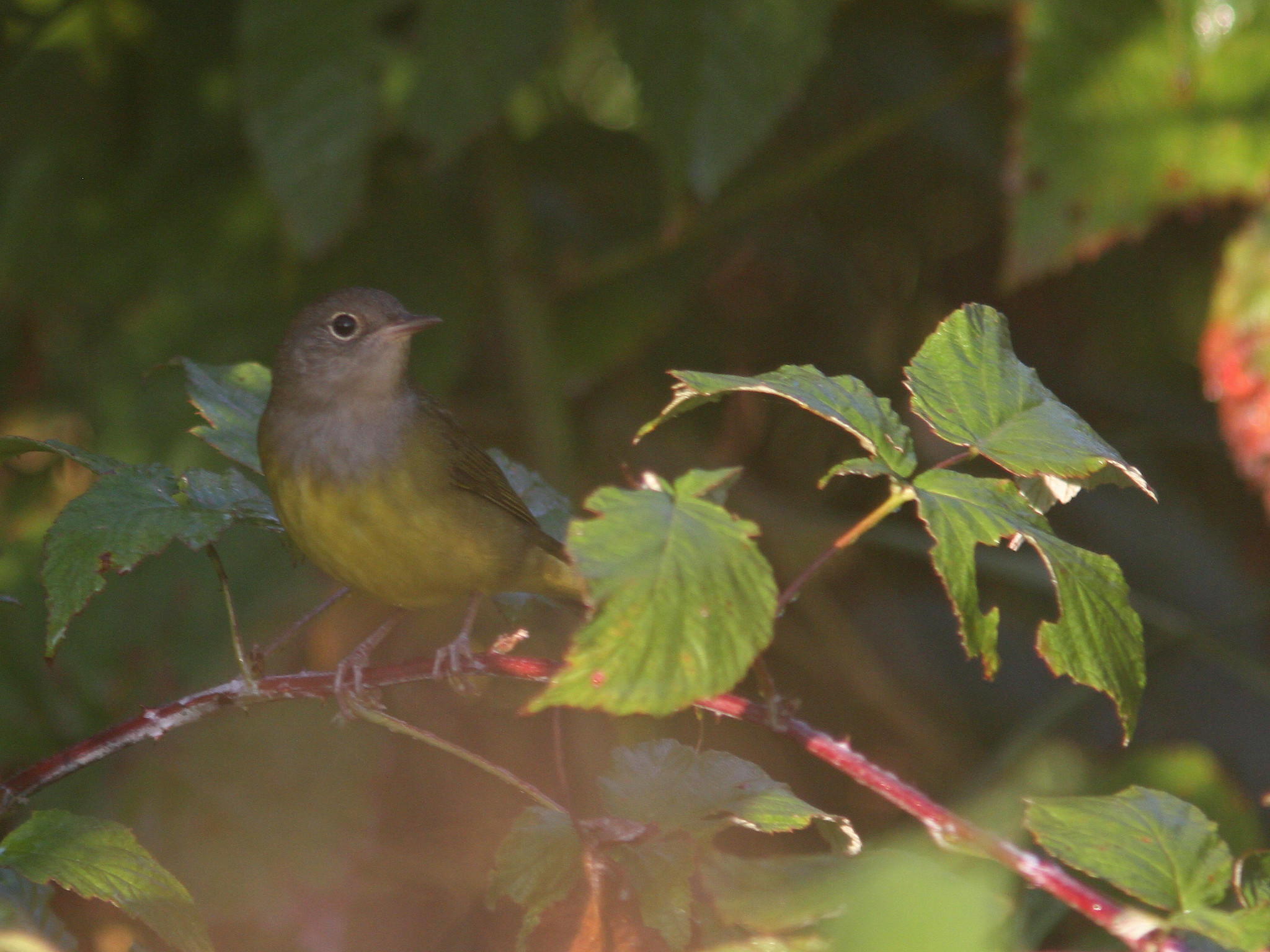
Connecticut Warbler today and loads of other migrants the last two days


Connecticut Warbler, Arcadia, Northampton, MA, Sep 10, 2017
Prairie Warbler, Arcadia, Northampton, MA, Sep 10, 2017
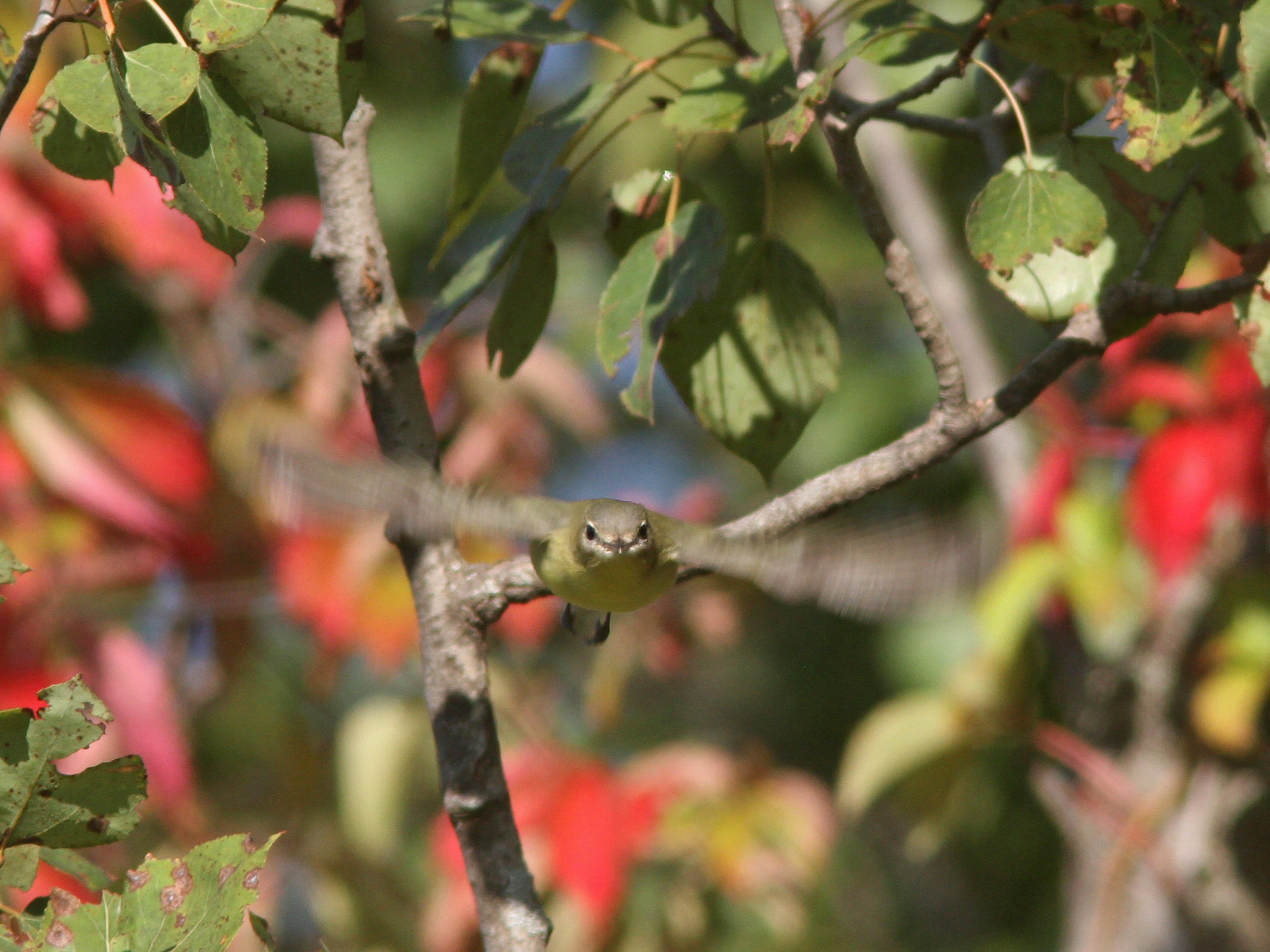
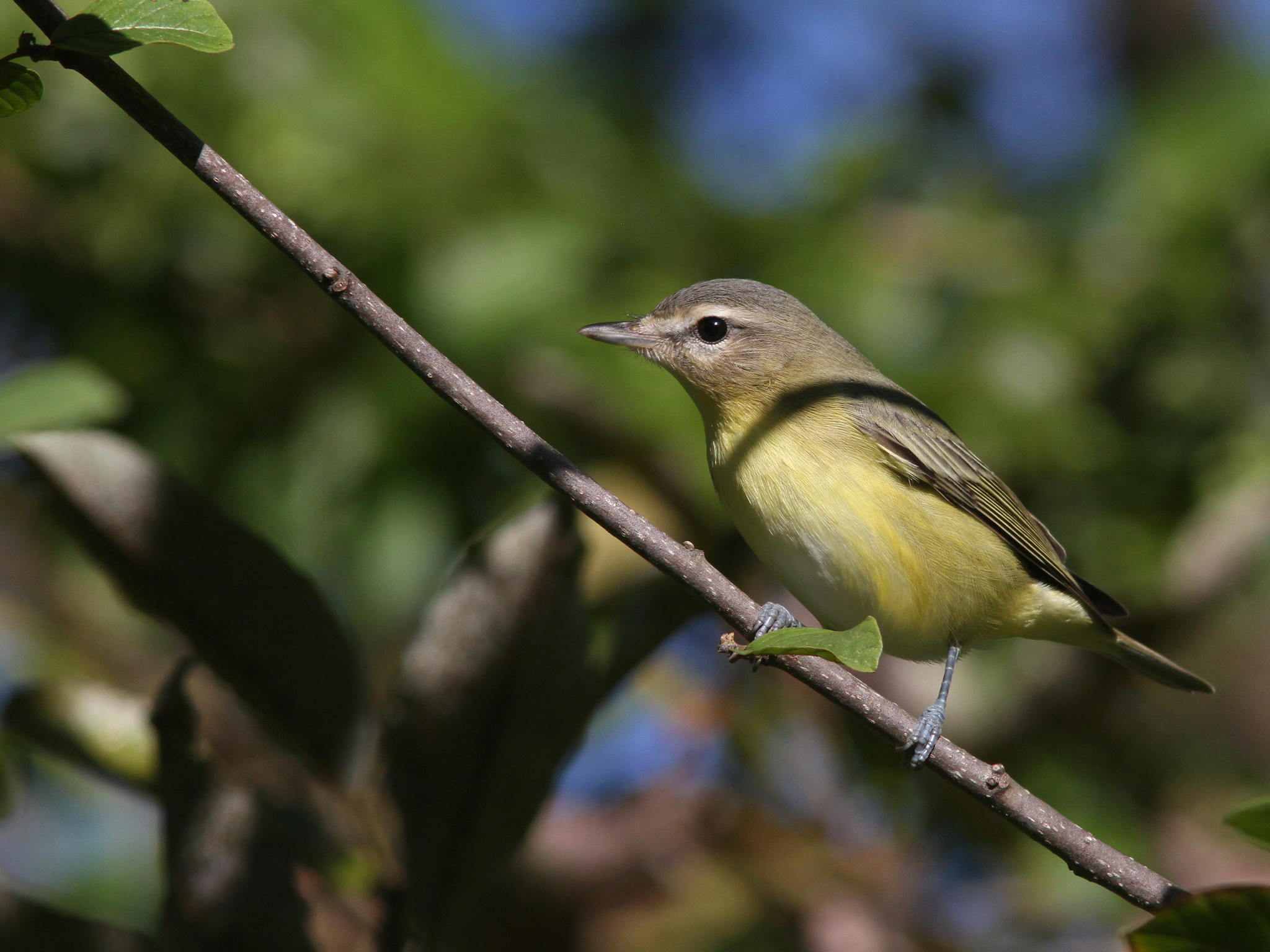
Philadelphia Vireo, Arcadia, Northampton, MA, Sep 10, 2017
I met up with Keenan this morning and we explored quite a bit of area around Arcadia with one of our main goals being Connecticut Warbler...and we were successful!  It will be interesting to see how many of them I can find this year, I'm off to a good start with two so far.  Last year was my best year ever when I tallied a total of ten individuals (Connecticut Warblers 2016).  Besides the CT warblers we had a nice cross section of species (75 total species) and although the numbers were low for some species the diversity was quite high.  Full list with additional photos here:  Arcadia
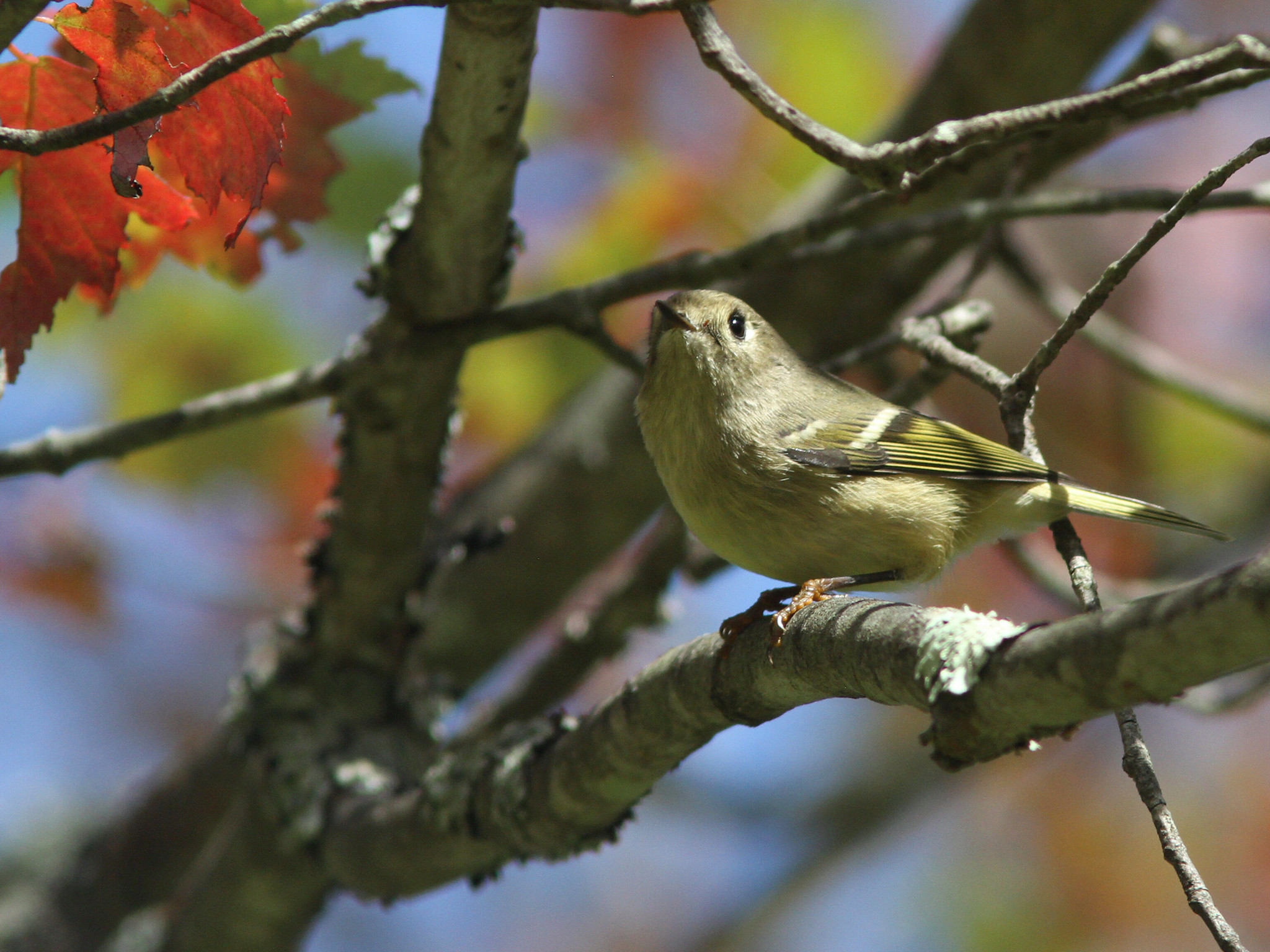
Ruby crowned Kinglet, Quabbin Park, MA, Sep 9, 2017
Philadelphia Vireo, Amherst, MA, Sep 9, 2017
Nashville Warbler, Quabbin Park, MA, Sep 9, 2017
Magnolia Warbler, Quabbin Park, MA, Sep 9, 2017
Pine Warbler, Quabbin Park, MA, Sep 9, 2017
Northern Parula, Quabbin Park, MA, Sep 9, 2017
Tennessee Warbler, Quabbin Park, MA, Sep 9, 2017
Blackpoll Warbler, Quabbin Park, MA, Sep 9, 2017
Black throated Blue Warbler, Amherst, MA, Sep 9, 2017
Bay breasted Warbler, Amherst, MA, Sep 9, 2017
Wilson's Warbler, Amherst, MA, Sep 9, 2017
Yesterday morning I got up and out before dawn to make a quick stop over to Winsor Dam before heading out to various locations to catch up with what I was sure would be lots of migrants.  My main target at the dam was to see if any whip poor wills were still around calling.  No luck with those but I did have a Northern Saw Whet Owl calling which was a nice consolation prize.  I could hear lots of flight calls as I listened to the owl so I didn't stick around too long as I wanted to be checking some running spots at dawn on the cool morning.  I headed to various spots around Amherst for the morning until the wind picked up and then I headed over to a more sheltered spot at Quabbin Park.  An absolutely great early fall morning with good numbers and good diversity.  Highlights for the morning included at least eight Wood Thrush calling predawn, two Great crested Flycatchers, five vireo species (including five Philadelphia Vireos), my first Ruby crowned Kinglet of the fall, 21 species of warblers (12 Tennessee, a Mourning, 13 Northern Parula, 24, Magnolia, 2 Bay breasted, 30 or so Blackpoll, 3 Canada and 2 Wilson's and others) and a flyby Dickcissel.  The diversity the last couple days in unlikely to be duplicated again until next spring as more and more species move out for the winter.  Without too much effort I topped a hundred species in the last couple days with 22 species of warblers.


Hurricane Irma made two landfalls in Florida with the first in the keys and the second near Marco Island. The storm had regained some strength after it got back over the very warm waters of the Florida Strait and hit the US as a Category 4 storm with 130 MPH.  Not as bad as some of the islands in the Lesser Antilles but still very bad.  The storm should continue to lose strength as it moves north along the west coast of Florida.  Once again the link to storm related birds can be found at the following link: Hurricane Irma and birding
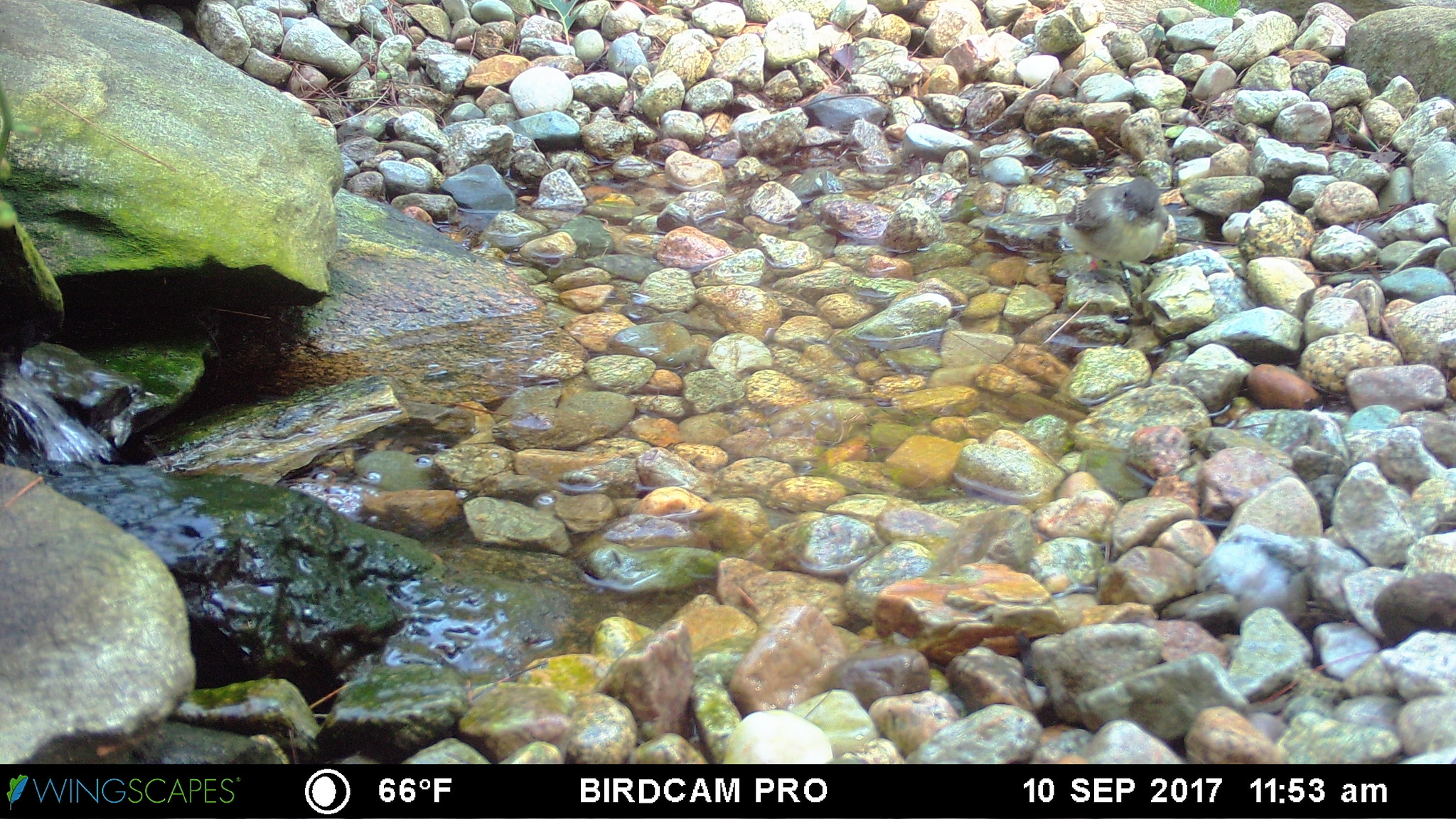
Eastern Phoebe with leg bands, home, Belchertown, MA, Sep 10, 2017
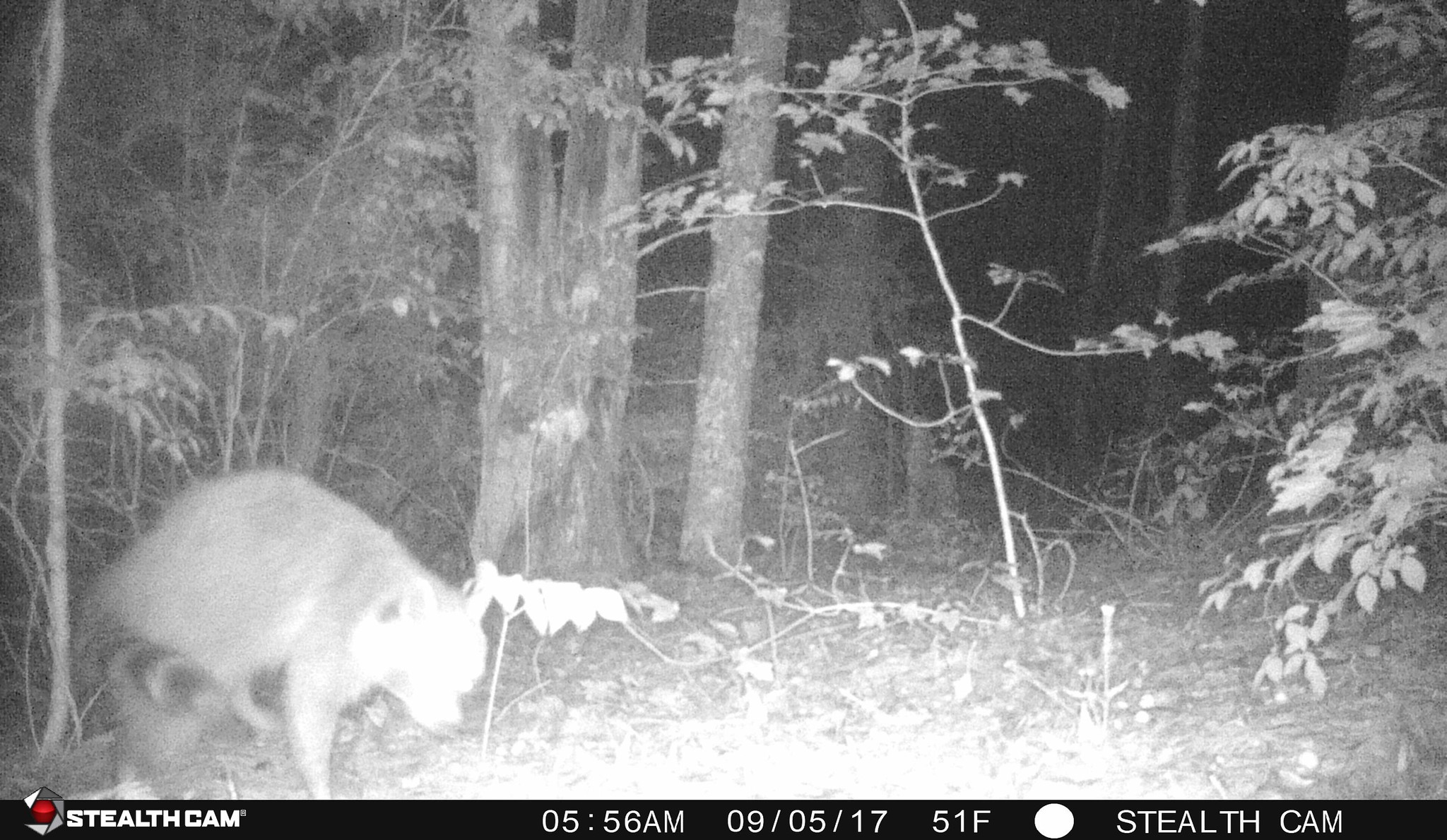
Raccoon, home, Belchertown, MA, Sep 5, 2017
At home the motion cameras continue to capture some good stuff although the number of birds coming into the water feature has dropped off a bit (typical for the fall).  I did manage to capture the banded Eastern Phoebe that I had not seen around in several weeks plus a few species of mammals.

Friday, September 8, 2017

Buff breasted Sandpiper yesterday and continued Dickcissel today and the latest on Hurricane Irma


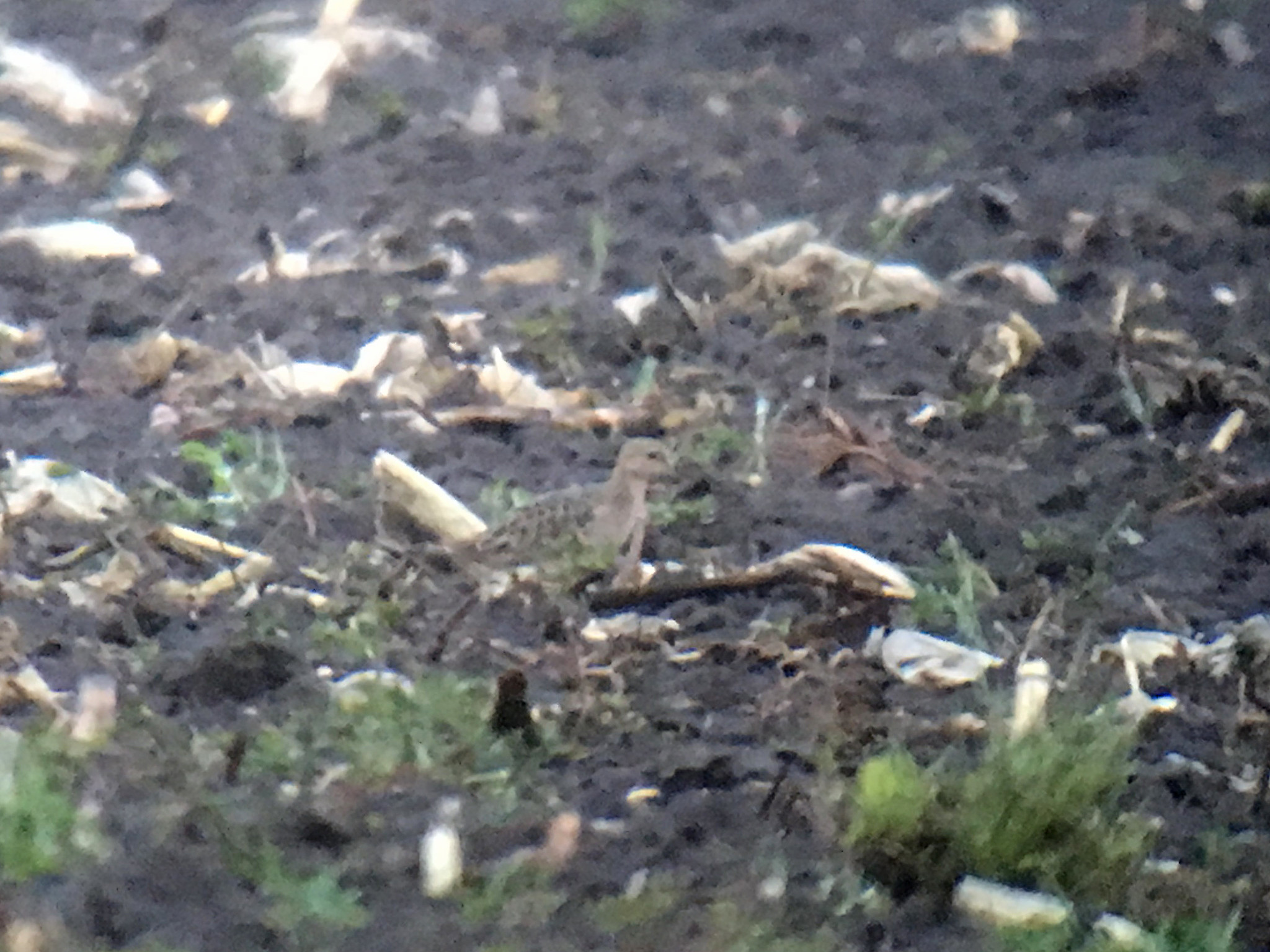
Buff breasted Sandpiper, Honey Pot, Hadley, MA, Sep 7, 2017
I finally had some luck with shorebirds yesterday morning on my way to work when I found a Buff breasted Sandpiper at the Honey Pot.  This species is less than annual around here so I was very happy to find it (my last record was exactly three years ago on September 7, 2014).  The conditions were great for an unusual shorebird to show up with rain on and off since the previous day into the overnight and after not finding any the day before it was nice to finally get a reward for checking lots of fields.  The only other shorebird species around were Killdeer with a couple with the Buff breasted Sandpiper and a few dozen in a field in the East Meadows.  I'm sure there were more shorebirds around but the conditions were muddy and I had limited time before work.
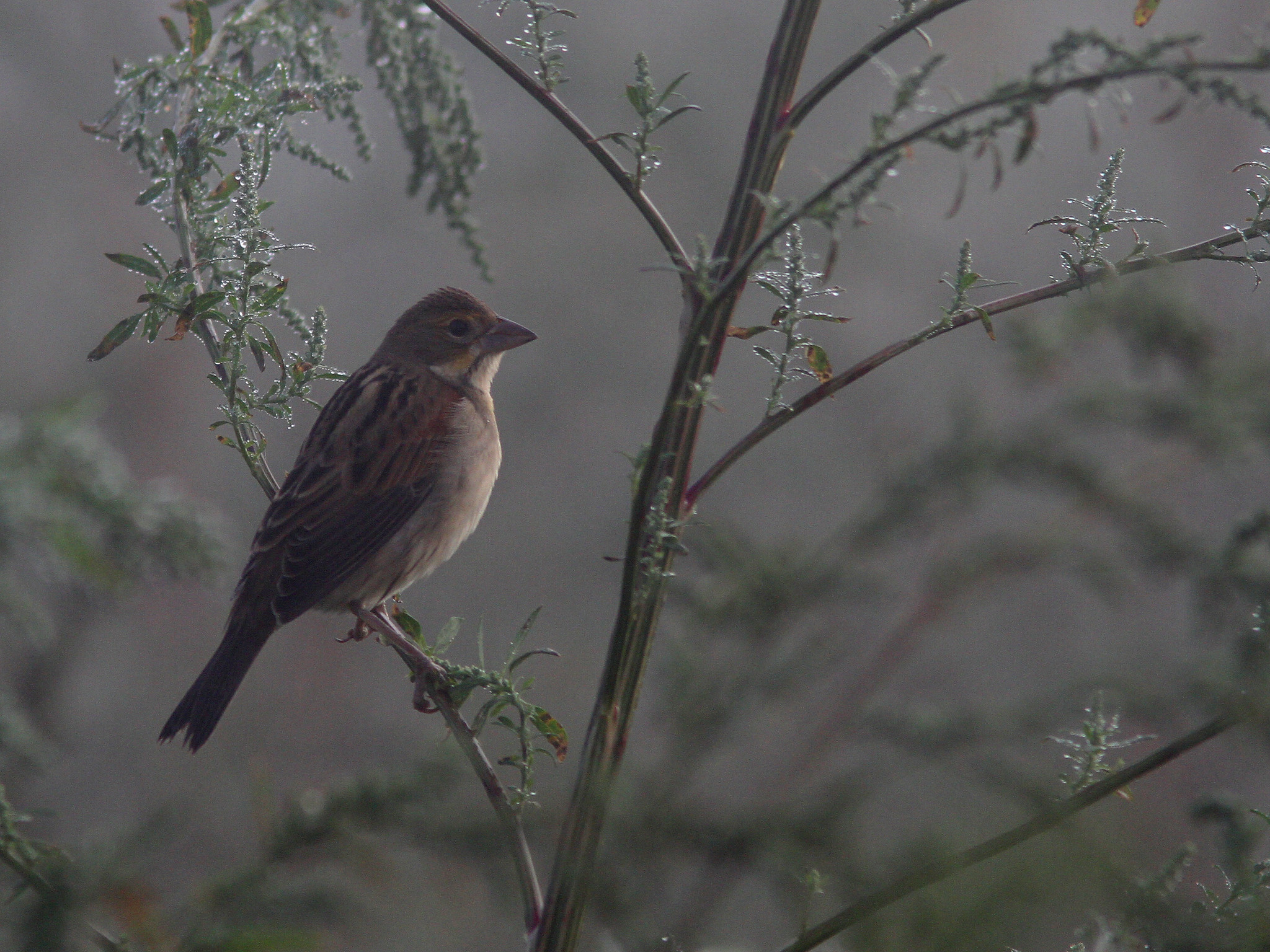
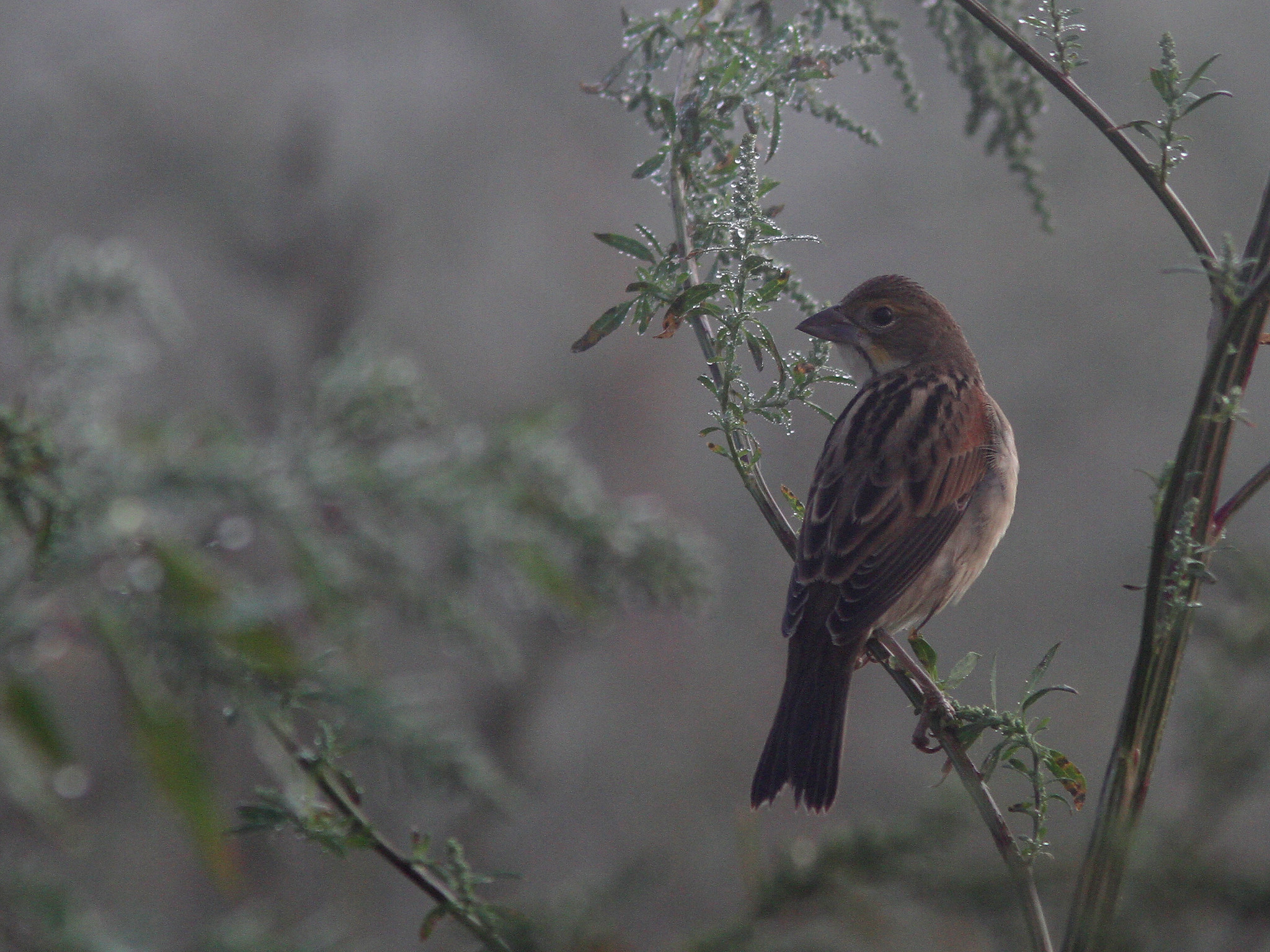
Dickcissel, Arcadia, Northampton, MA, Sep 8, 2017
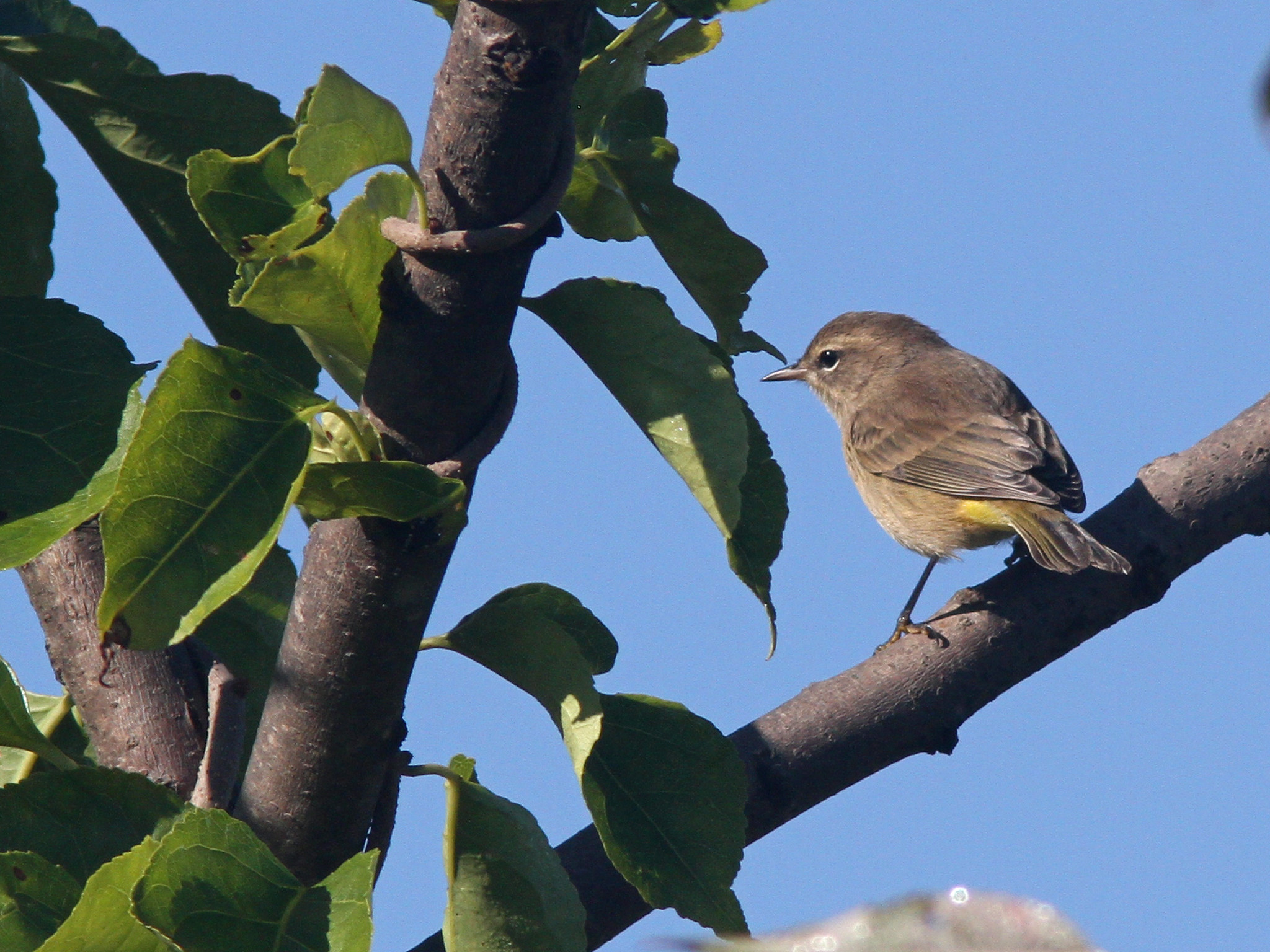
Palm Warbler (western), Arcadia, Northampton, MA, Sep 8, 2017
Rose breasted Grosbeak, Arcadia, Northampton, MA, Sep 8, 2017
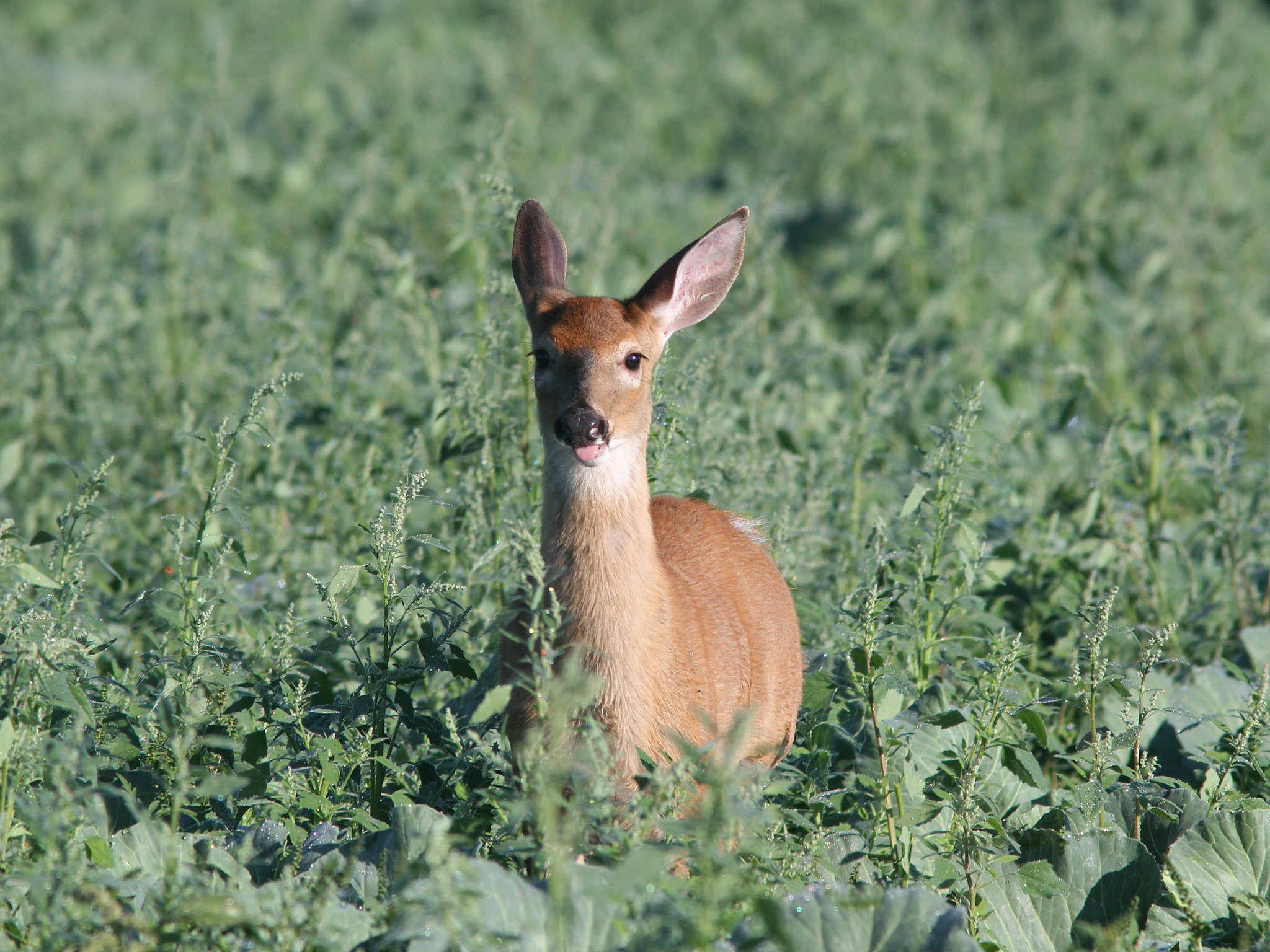
White tailed Deer, Arcadia, Northampton, MA, Sep 8, 2017
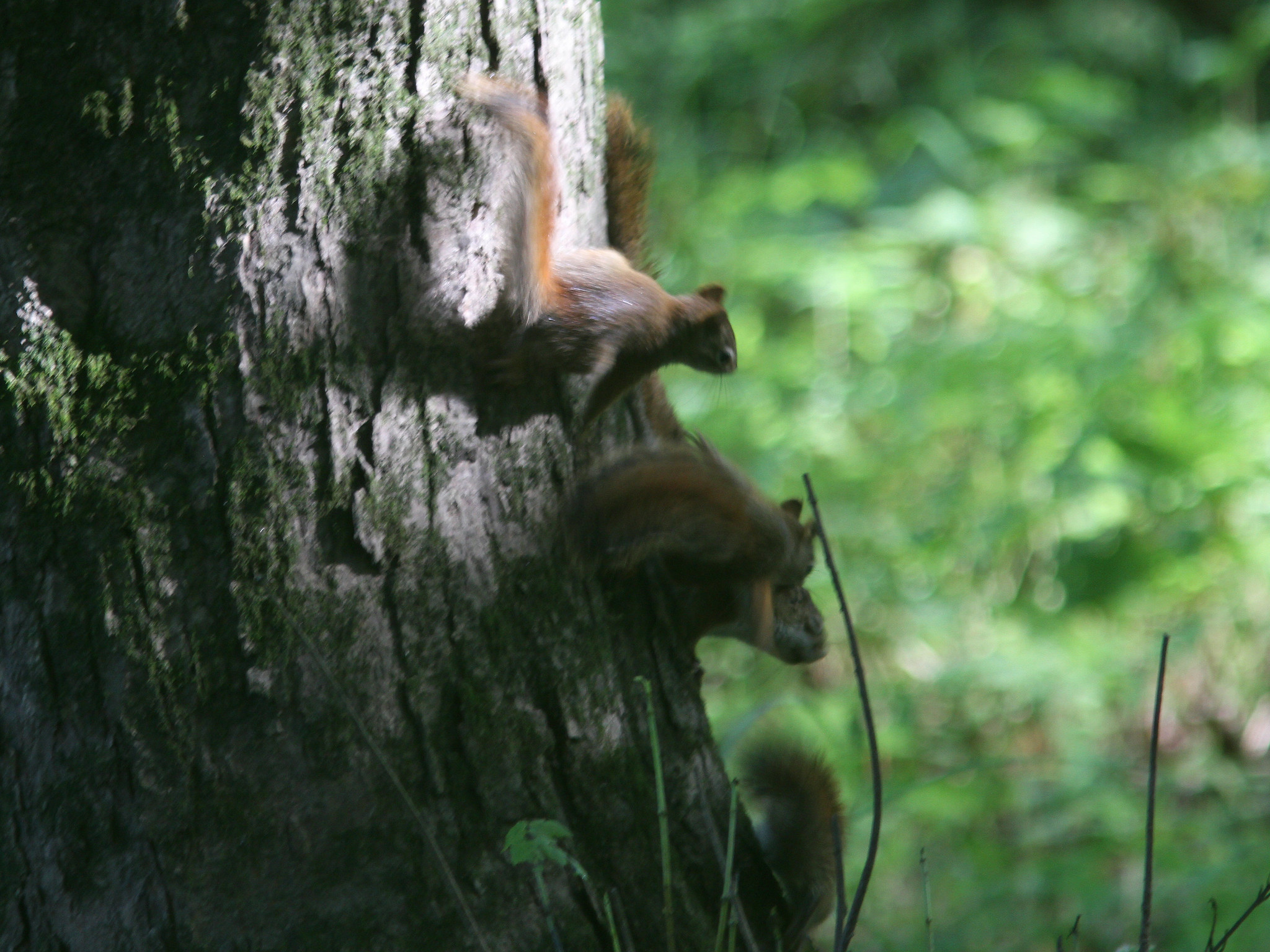
Red Squirrels, Arcadia, Northampton, MA, Sep 8, 2017
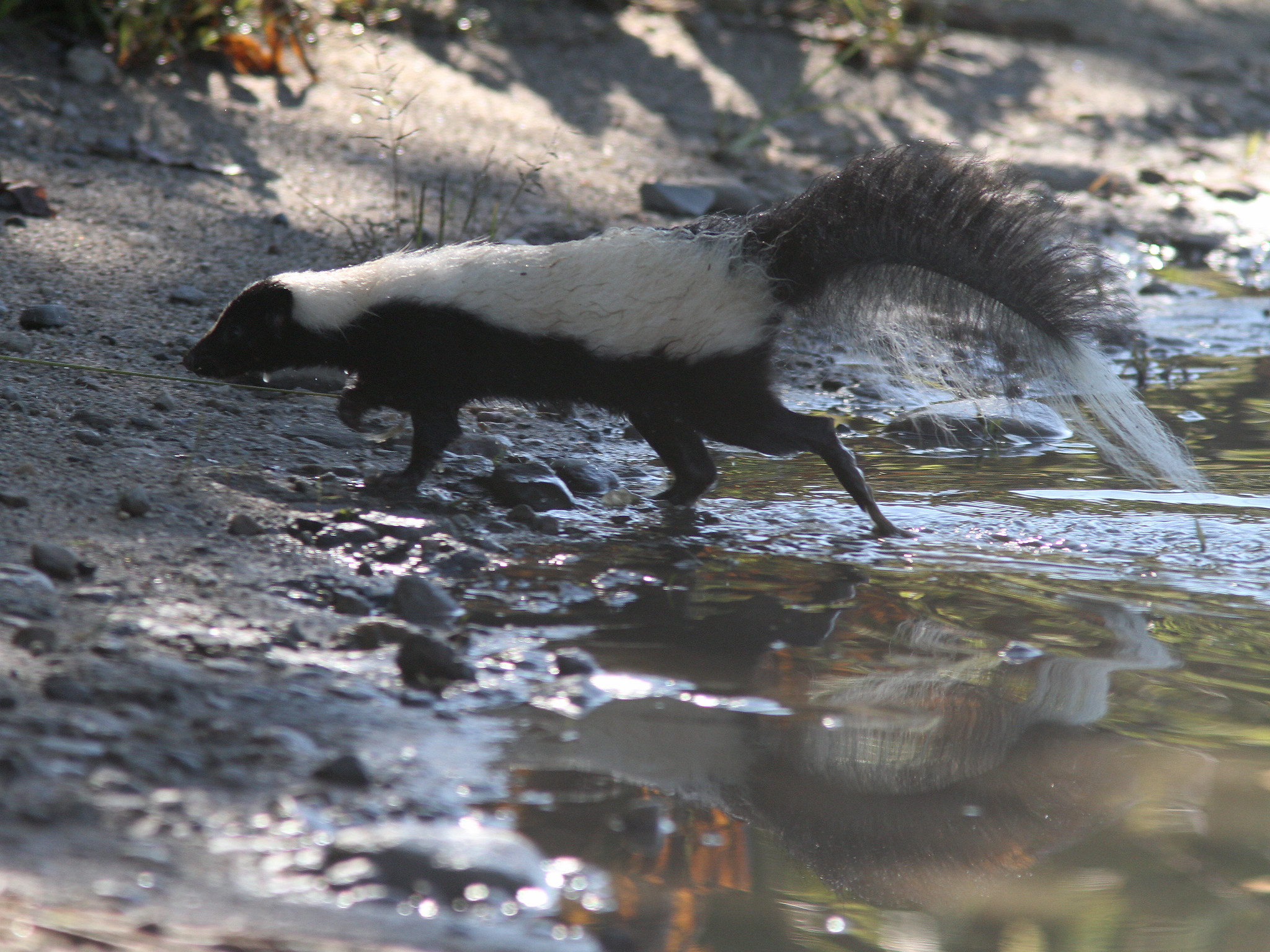
Striped Skunk, Arcadia, Northampton, MA, Sep 8, 2017
After getting out of work today I headed over to Arcadia and spent a few hours there and found a number of good stuff including at least two Dickcissel (it is looking to be a fantastic year for this species around here), a Willow Flycatcher still calling, my first Palm Warbler and Lincoln's Sparrow for the fall and still good numbers of Bobolinks.  Besides the birds I had several mammal sightings including a yearling White tailed Deer that followed me around quite closely for about 30 minutes plus a Striped Skunk that crossed right in front of me near the Ibis Pool and then had a family of Red Squirrels chasing each other around a tree.  Full list with more photos here:  Arcadia
Three hurricanes in the Atlantic (Katia, Irma and Jose), Sep 8, 2017
Hurricane Irma continues to plow its way through the Turks and Caicos, the Bahamas and Cuba on its way to a landfall somewhere in southern Florida.  The storm should then run up the middle of Florida before weakening overland to the northwest in Georgia.  It is still a very strong storm (an upper end Category 4) and will almost certainly cause a whole lot of destruction before it finally dissipates.  There should be no real impact here at all beyond perhaps some bringing some rain mid/late next week but even that might not occur.  As expected the islands in the northern Lesser Antilles suffered catastrophic damage and unfortunately are in line to possibly be hit again by another major hurricane on Saturday as Hurricane Jose (Category 4 with 150 MPH winds) will move through.  The residents and wildlife there that did make it through Irma now have to face yet another similar storm...tough situation for all involved.  There is actually a third hurricane (Hurricane Katia) in the southern Gulf of Mexico which will hit Mexico with rain and wind today into the weekend.  A very busy Atlantic hurricane season at the moment to be sure!

As far as birds displaced and carried along with the storm, eBird has recently posted an article concerning the potential species involved as well as a live map of reported rarities.  Link to article here:  Hurricane Irma and birds.  I will update later on exactly what unusual species turned up.

Wednesday, September 6, 2017

Hurricane Irma update

Hurricane Irma striking Barbuda, Sep 5, 2017
Hurricane Irma projected path as of 8AM, Sep 6, 2017
Hurricane Irma strengthened further yesterday becoming a very dangerous high end Category 5 hurricane with winds that reached 185 MPH sustained with higher gusts (only one other storm in the Atlantic, Hurricane Allen in 1980, had stronger winds at 190 MPH).  The pressure has dropped to 916 mb and the storm looks to maintain this strength or become even stronger. There is really nothing of consequence stopping the storm as the conditions are damn near perfect for it. At this point the northern Lesser Antilles have already been directly impacted with the storm hitting Barbuda last night and Saint Martin getting hit now.  The islands that take a direct hit will undoubtedly experience catastrophic destruction...a storm of this power will level most everything. Irma becomes one of the strongest hurricanes ever in the Atlantic basin and the strongest storm ever outside of the Gulf of Mexico or north of the Caribbean so a record breaking storm already. The projected storm track continues to show the storm being a major threat for a direct hit to the Turks and Caicos and the Bahamas and the Greater Antilles before almost certainly having a direct impact to the United States. Florida is almost certainly to be hit but the real question is exactly where on the peninsula.  The latest guidance points away from the storm making it across the peninsula and impacting the Gulf of Mexico side but instead the storm is likely to track up the peninsula or stay just offshore on the east coast...still question marks but make no mistake the storm will impact the US mainland in some form.

What effect will the storm have on bird life? Migrants will likely fly around the storm (if they have the ability) but many will certainly perish in the storm. The birds on the islands will also take a major hit with winds from a Category 5 storm but hopefully they will find some places to hide out and ride out the storm.  There are a number of endemic species that could suffer some heavy loss due to their restricted range on some of the islands being directly impacted (the Barbuda Warbler comes to mind as one example).  Pelagic birds will certainly be entrained within the storm and once landfall occurs the birds that survive will be dumped inland...where that happen will depend on the track of the storm...more on that later.

There is also a newly named storm (TS Jose) behind Irma that also could develop into another hurricane and track up through the northern Lesser Antilles but more about that at a later time.

Monday, September 4, 2017

Another morning at Arcadia produces two Dickcissel and lots of other good stuff plus the latest on Hurricane Irma


Dickcissel, Arcadia, Northampton, MA, Sep 4, 2017
Dickcissel and Bobolink, Arcadia, Northampton, MA, Sep 4, 2017
Bobolinks and Cooper's Hawk, Arcadia, Northampton, MA, Sep 4, 2017
Yellow Warbler, Arcadia, Northampton, MA, Sep 4, 2017
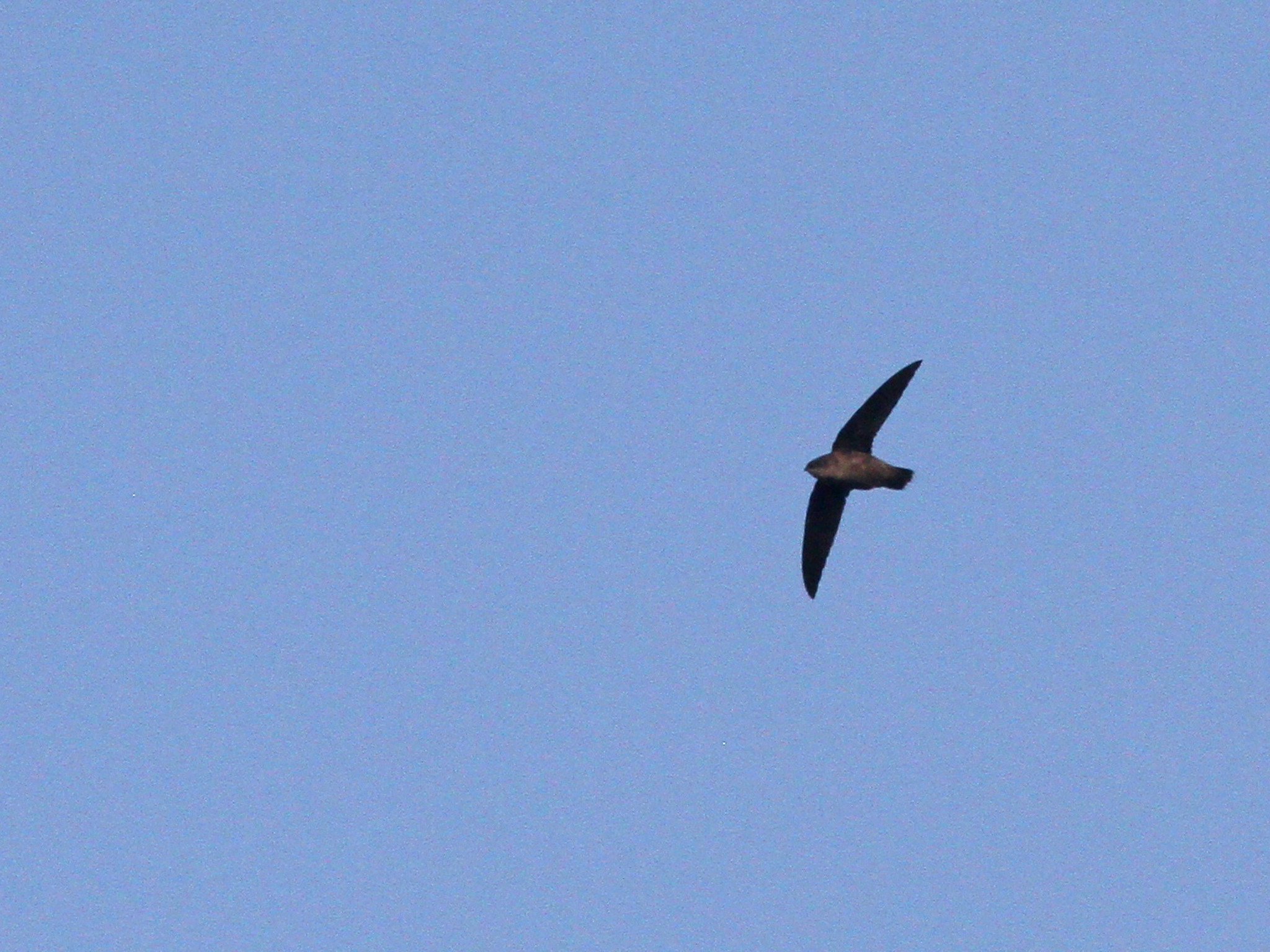
Chimney Swift, Arcadia, Northampton, MA, Sep 4, 2017
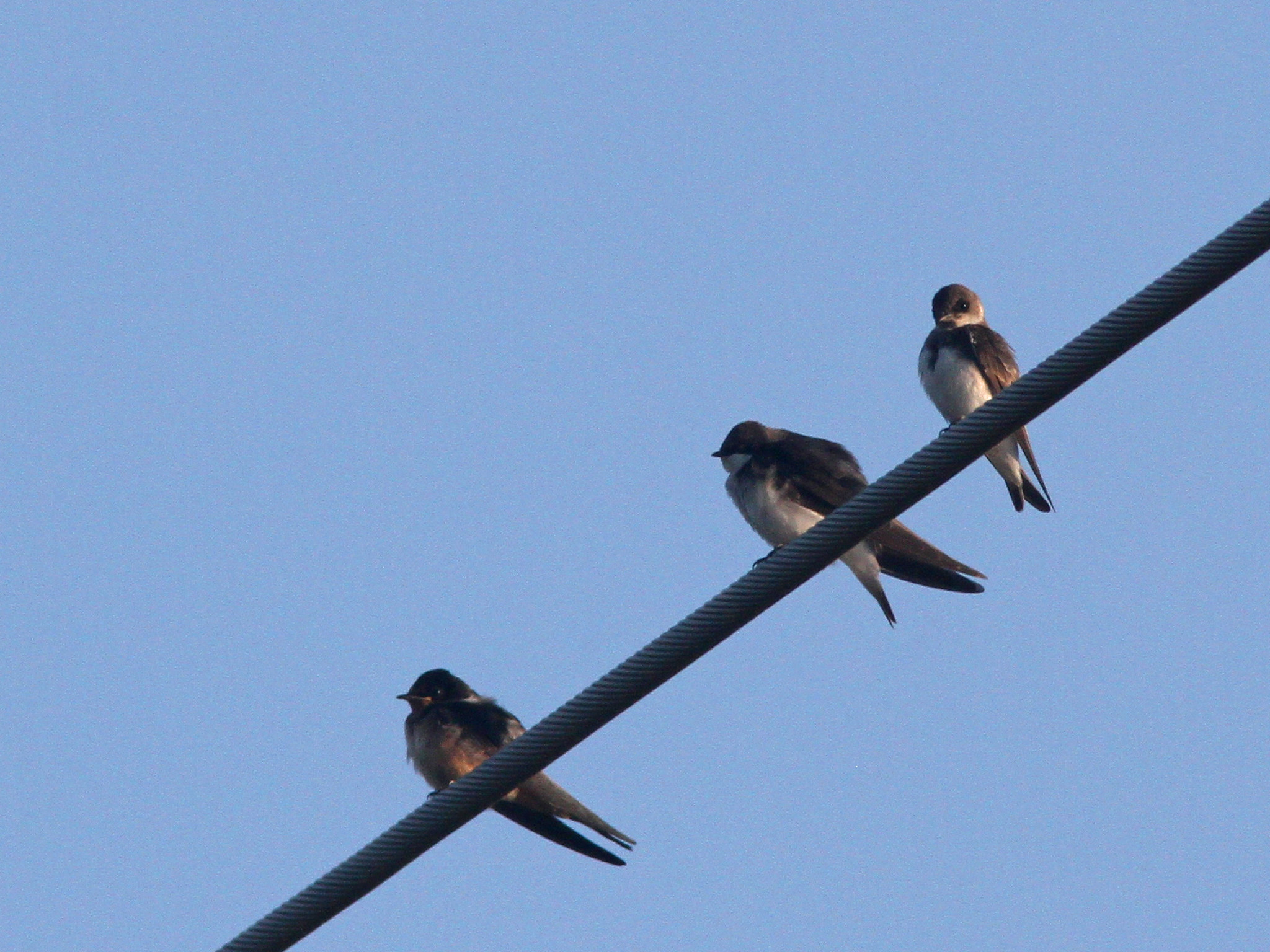
Barn Swallow, Tree Swallow and Bank Swallow, Arcadia, Northampton, MA, Sep 4, 2017
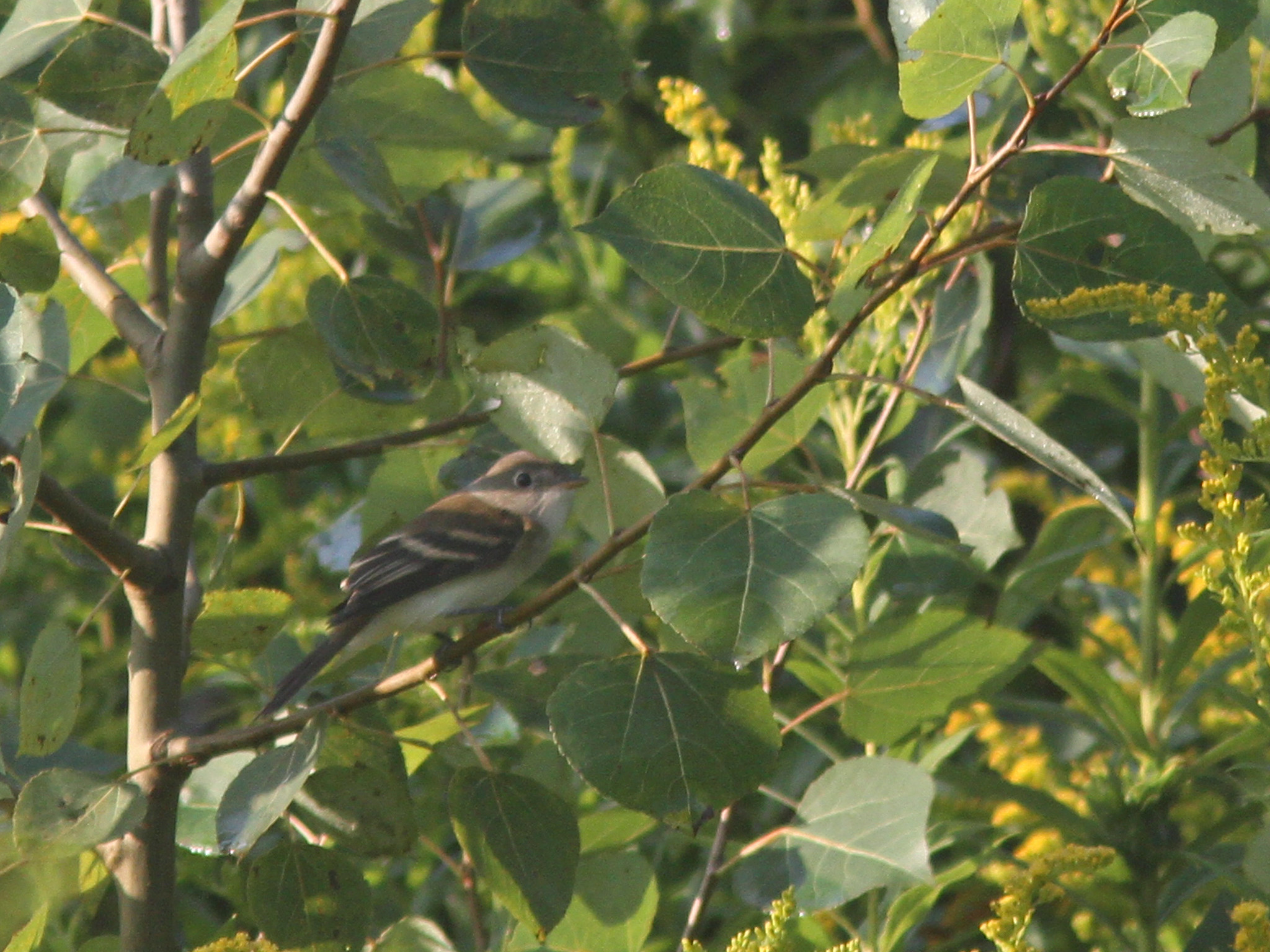
Willow Flycatcher, Arcadia, Northampton, MA, Sep 4, 2017
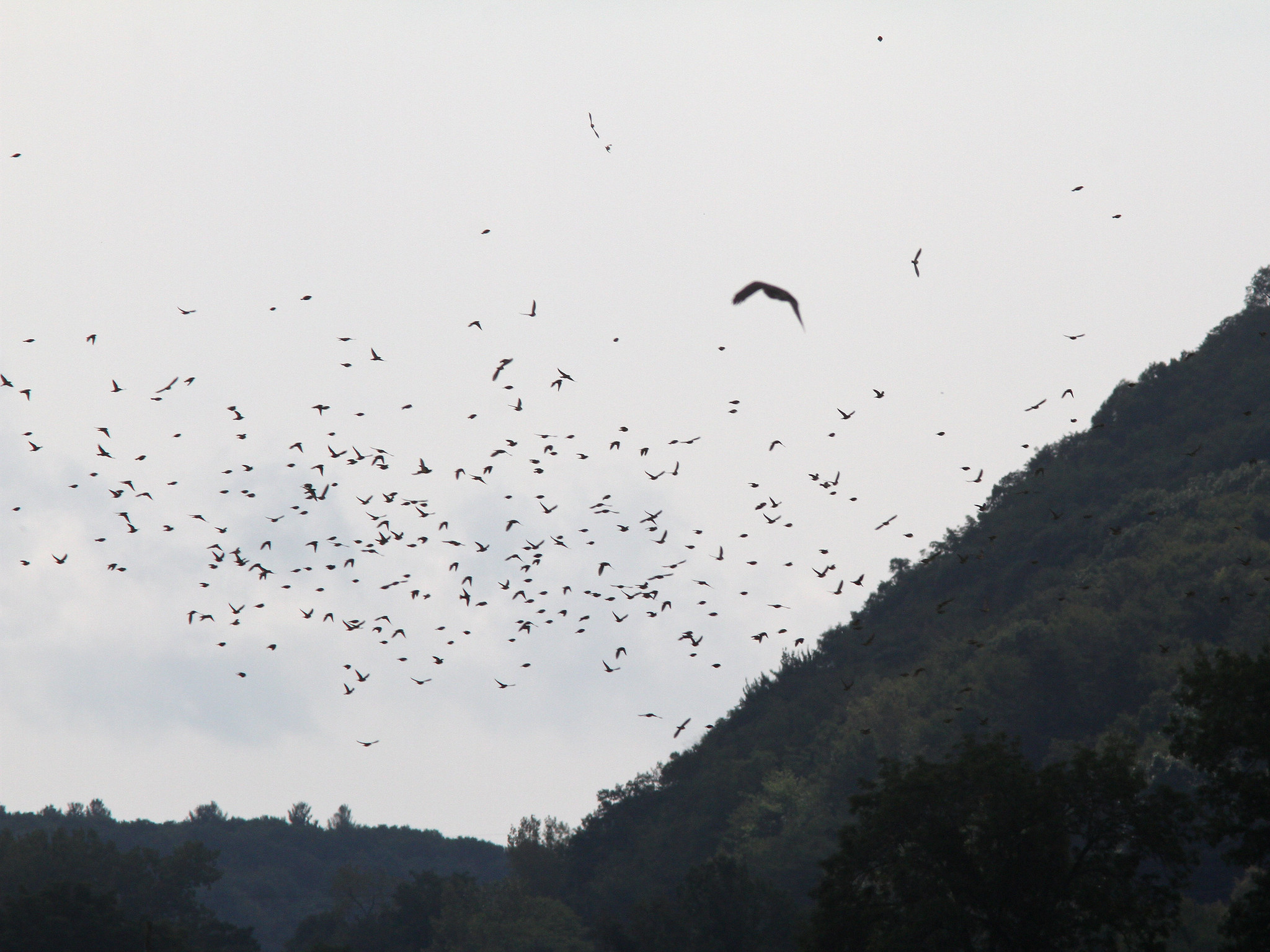
After a dismal day yesterday with cool temps and rain most of the day (compliments of the remnants of Harvey) today was much improved with mostly sunny skies and warm temperatures (eventually). Yesterday I mainly caught up on stuff around the house although I did make a few checks around the local area to see if the rain forced any migrants (such as shorebirds or terns) down but no luck for me. Today I birded with Keenan for a few hours at Arcadia starting off at dawn. Quite a few good birds around including at least two Dickcissel, a Willow Flycatcher, 600+ Bobolinks and good numbers of Indigo Buntings and Song Sparrows among the 63 species tallied. Full list from the morning here: Arcadia
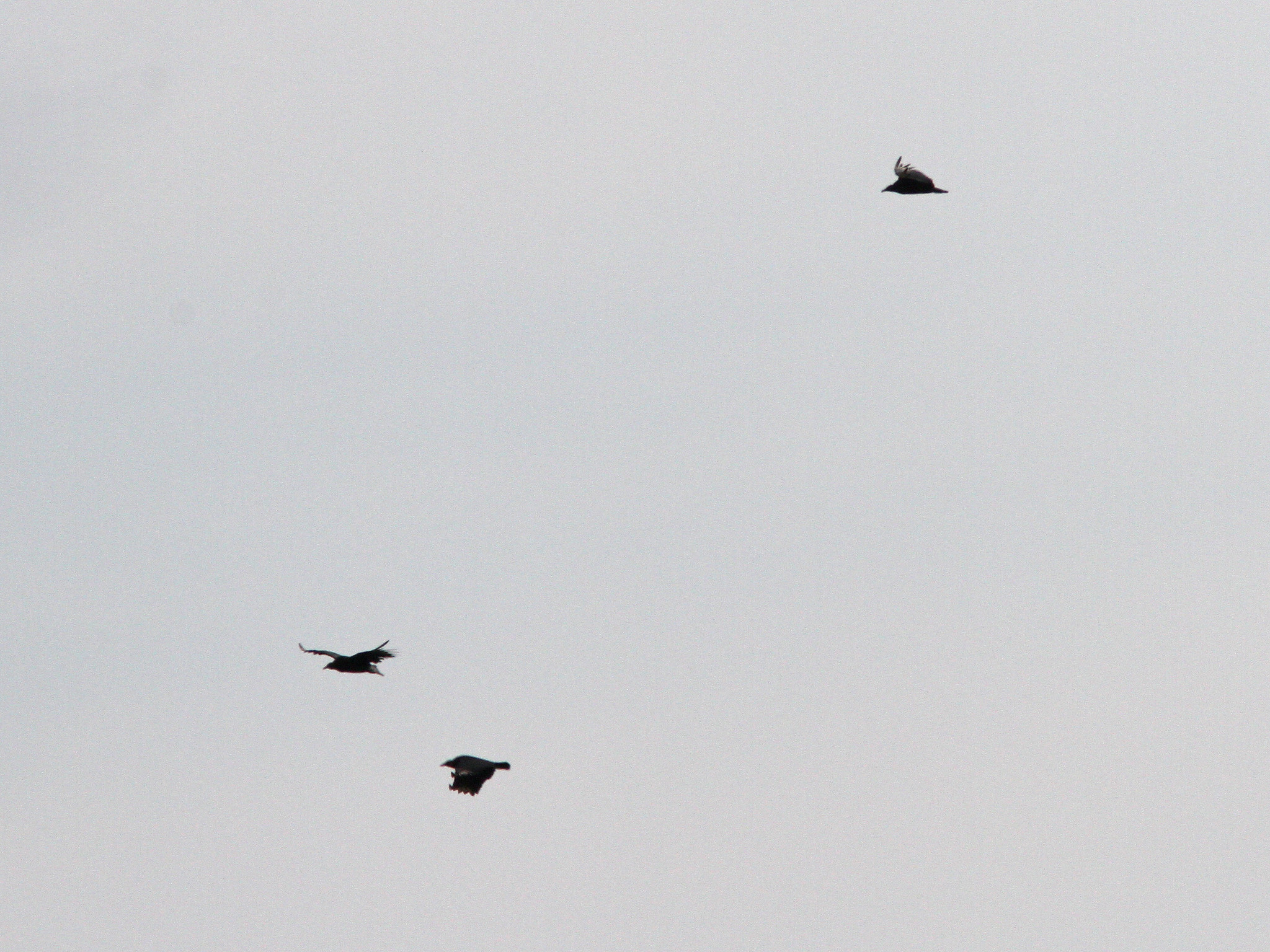
Black Vultures, Hadley, MA, Sep 4, 2017
On my way home I turned up three Black Vultures along Moody Bridge Road flying around among the more numerous Turkey Vultures. My walk with Wilson along the Jabish Canal turned up a mixed species flock that included my first Bay breasted Warbler of the fall. Tomorrow looks to be a warm and humid day before we get some rain showers from Wednesday into Thursday before a return to sunny but cooler temps on Friday. The next big push of migrants looks to occur then so I be out seeing what I can find then.


Projected path Hurricane Irma as of 5PM, Sep 4, 2017
Hurricane Irma continues to gain strength and became a Category 4 storm today with winds at 130 MPH.   The forecast models have continued to trend  to the south and west compared to earlier predictions. It now looks to impact some of the northern Lesser Antilles directly and get very close to Puerto Rico before heading into the Turks and Caicos and the Bahamas. A hit on Hispaniola and/or Cuba can also not be ruled out at this point. The chances of a hit here have diminished a bit but a landfall somewhere in the US seems to be very likely. Different models are pointing to different locations but a landfall somewhere between Florida and the Carolina's seems quite possible. There are still several weather systems out there that will have an impact on the future of the storm and there are still many questions yet to be answered....stay tuned.