 |
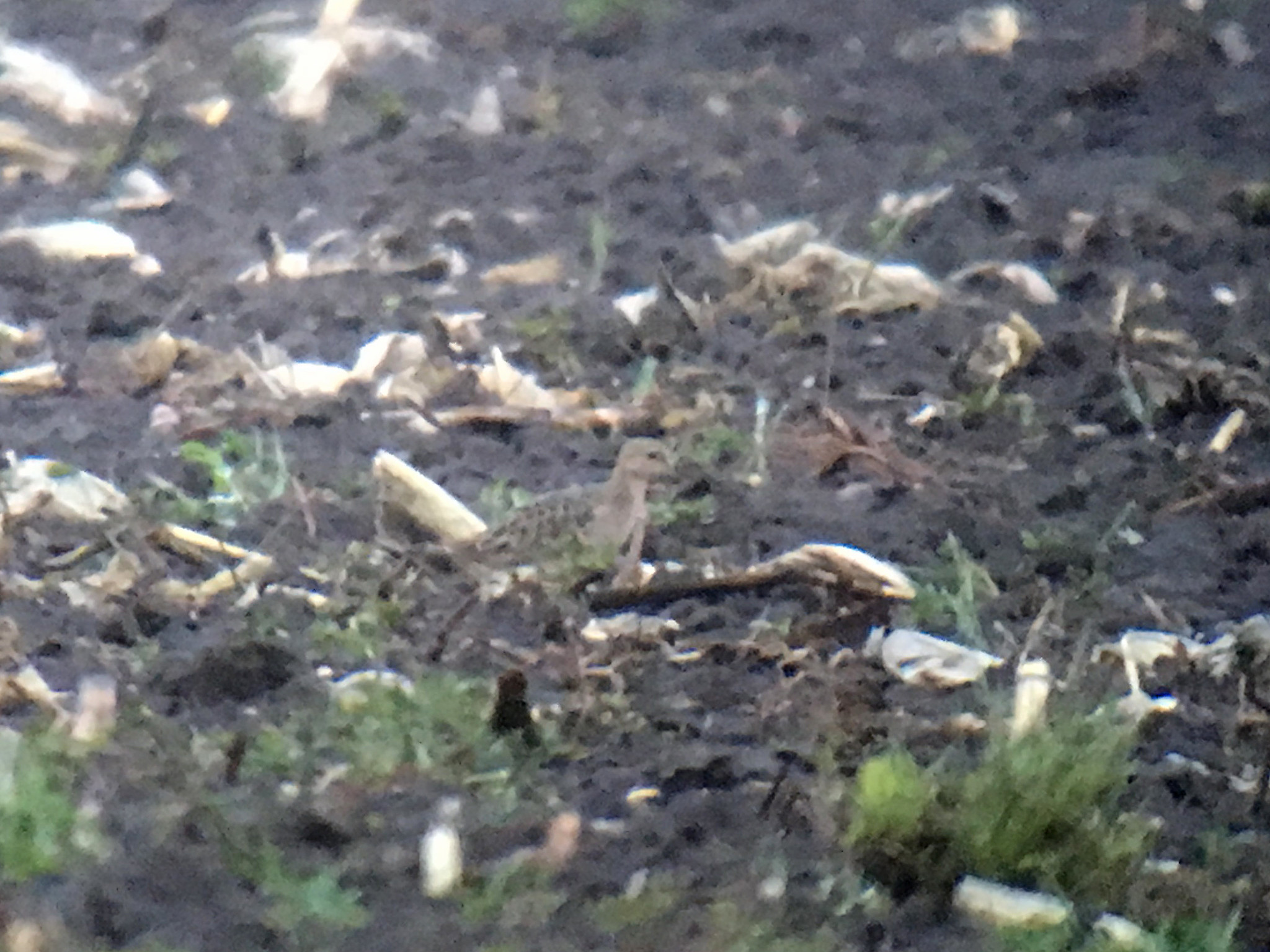
| Buff breasted Sandpiper, Honey Pot, Hadley, MA, Sep 7, 2017 |
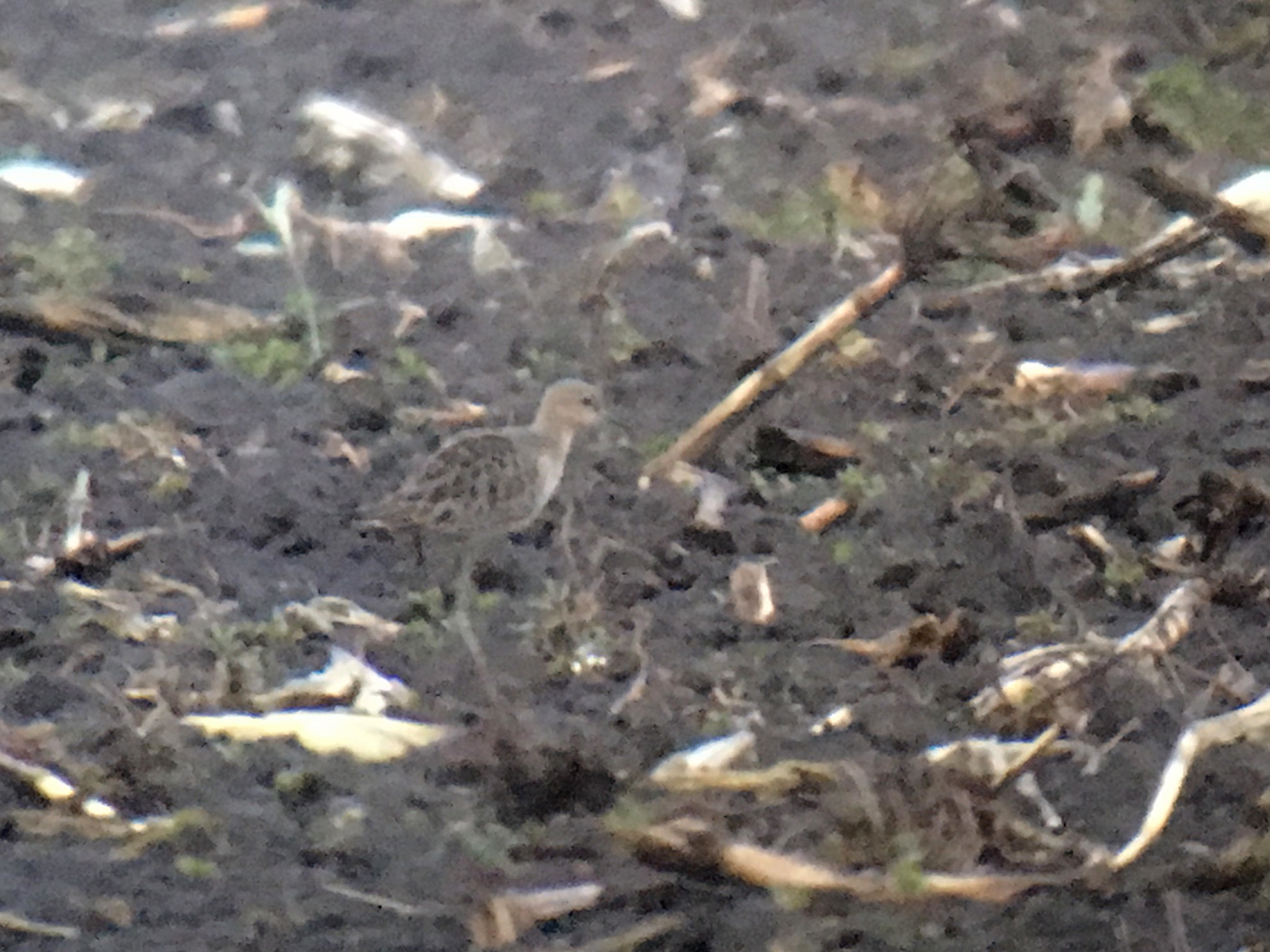 |
| Buff breasted Sandpiper, Honey Pot, Hadley, MA, Sep 7, 2017 |
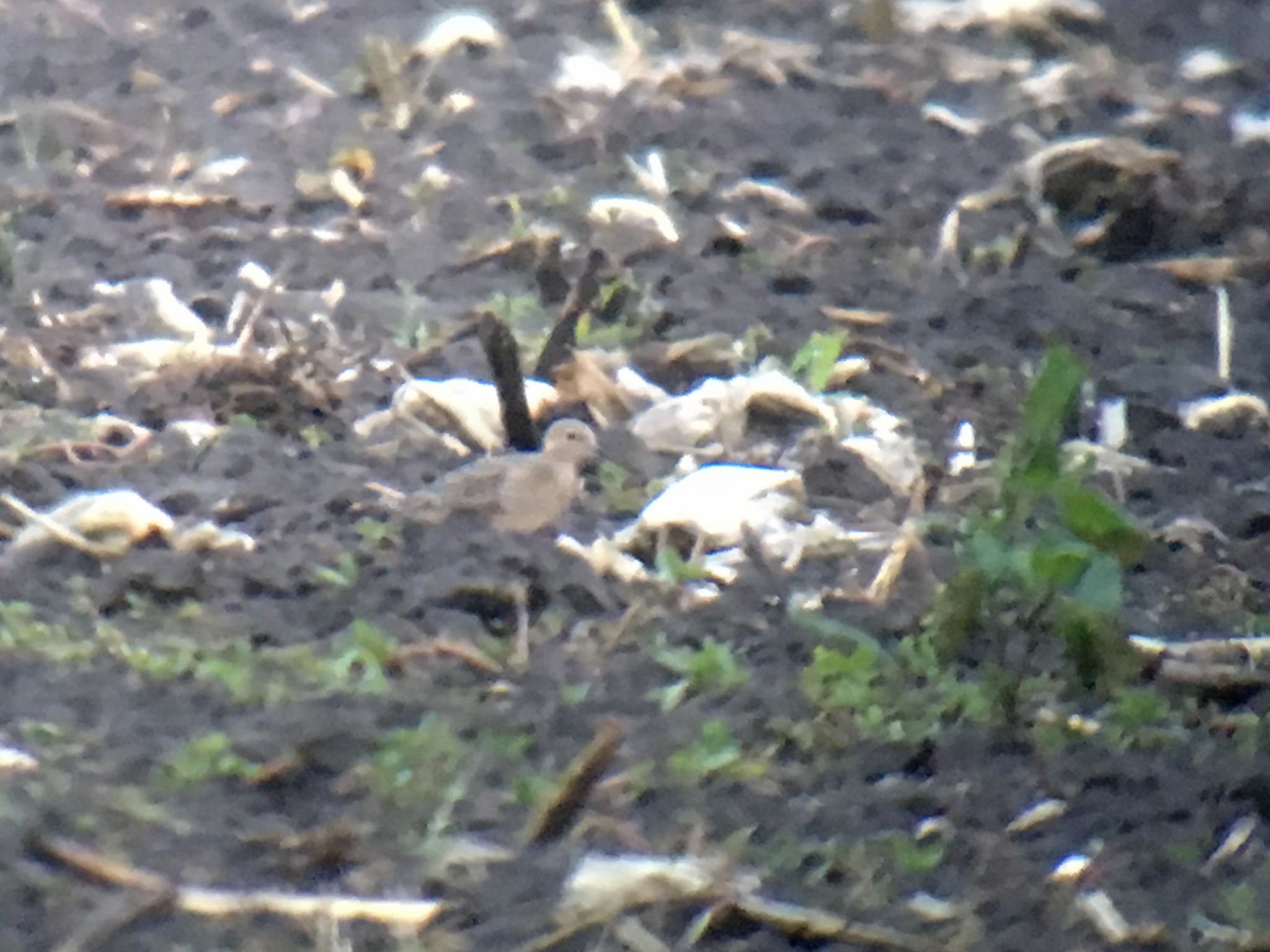 |
| Buff breasted Sandpiper, Honey Pot, Hadley, MA, Sep 7, 2017 |
I finally had some luck with shorebirds yesterday morning on my way to work when I found a Buff breasted Sandpiper at the Honey Pot. This species is less than annual around here so I was very happy to find it (my last record was exactly three years ago on September 7, 2014). The conditions were great for an unusual shorebird to show up with rain on and off since the previous day into the overnight and after not finding any the day before it was nice to finally get a reward for checking lots of fields. The only other shorebird species around were Killdeer with a couple with the Buff breasted Sandpiper and a few dozen in a field in the East Meadows. I'm sure there were more shorebirds around but the conditions were muddy and I had limited time before work.
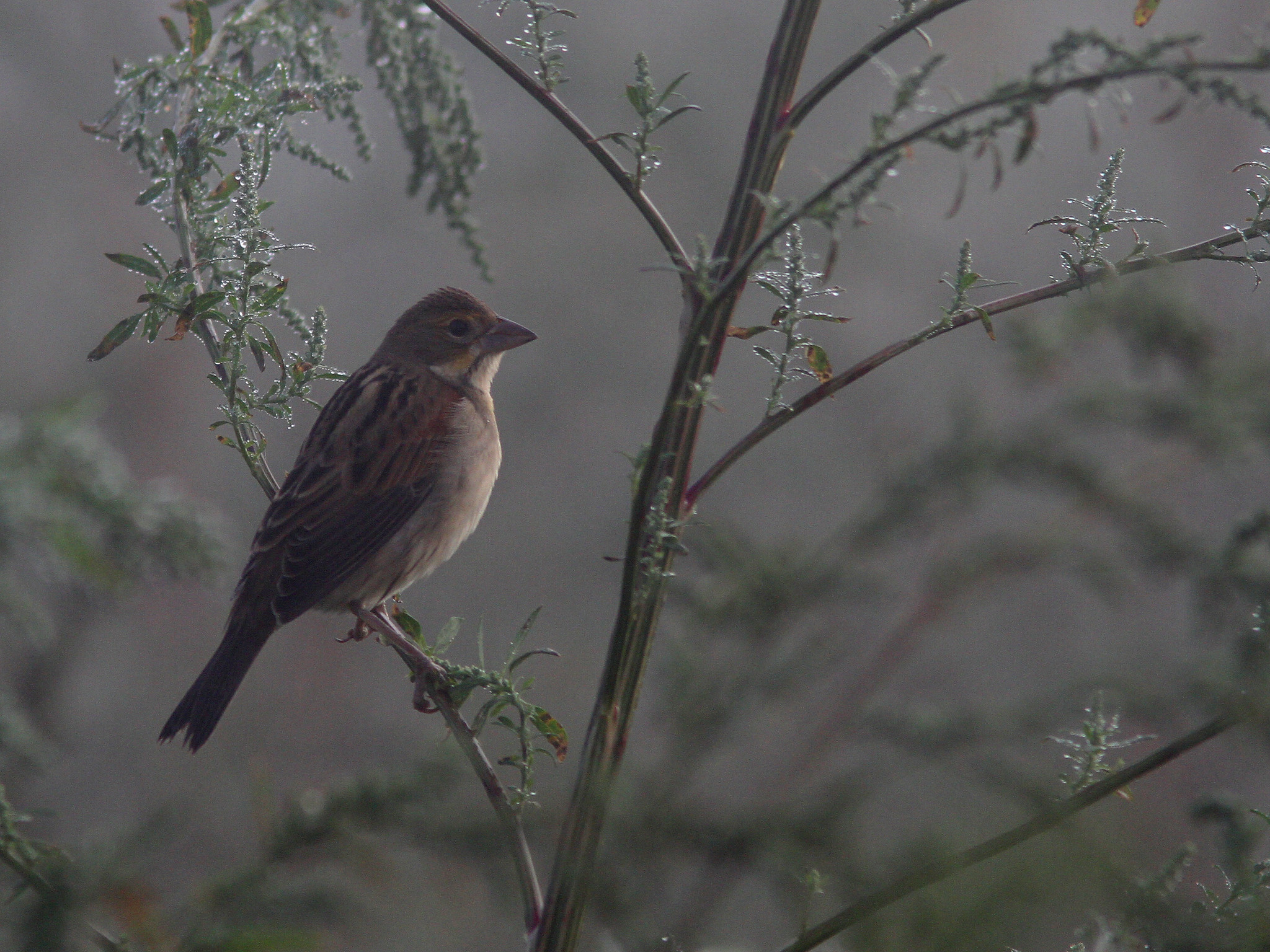 |
| Dickcissel, Arcadia, Northampton, MA, Sep 8, 2017 |
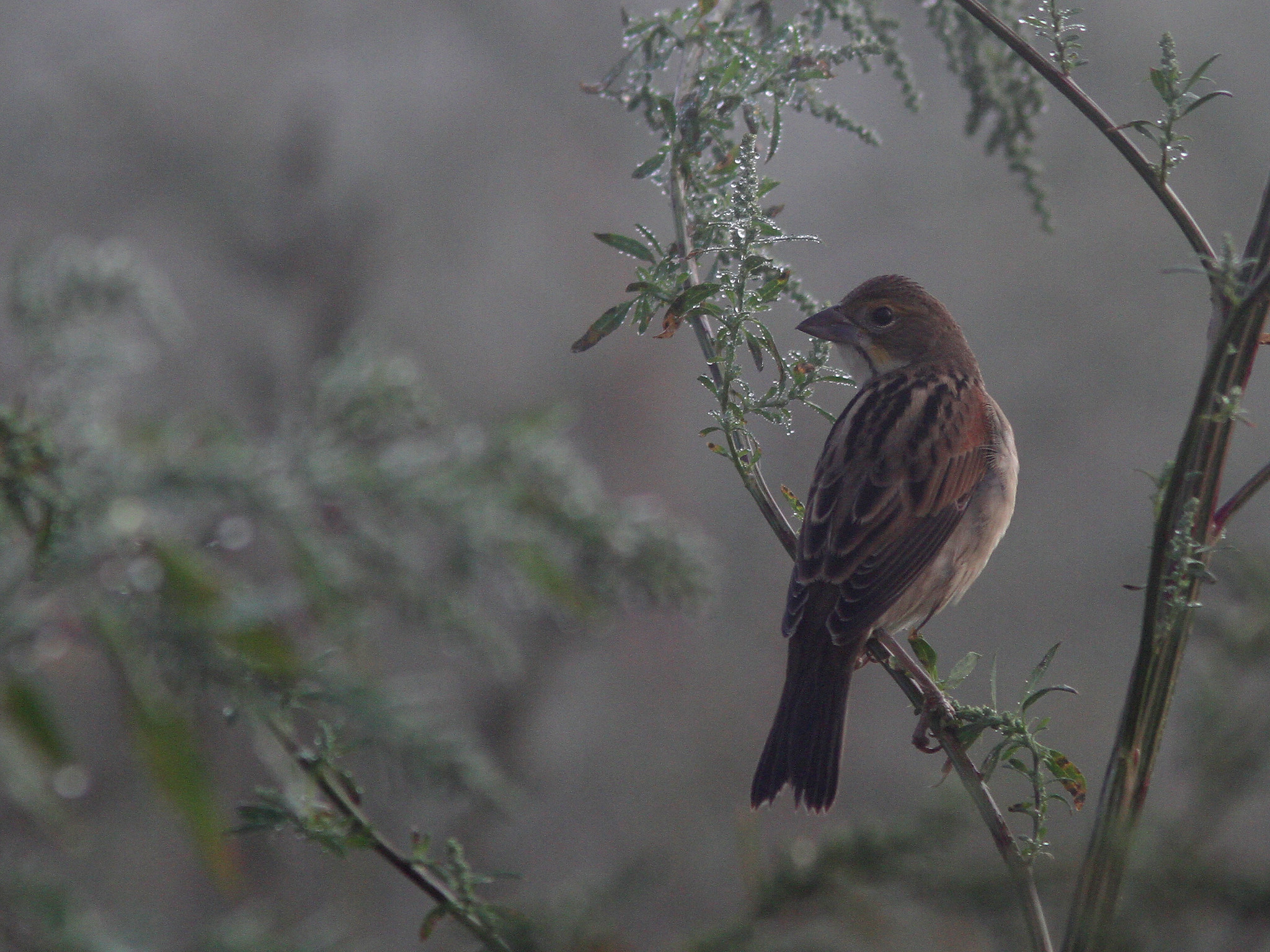 |
| Dickcissel, Arcadia, Northampton, MA, Sep 8, 2017 |
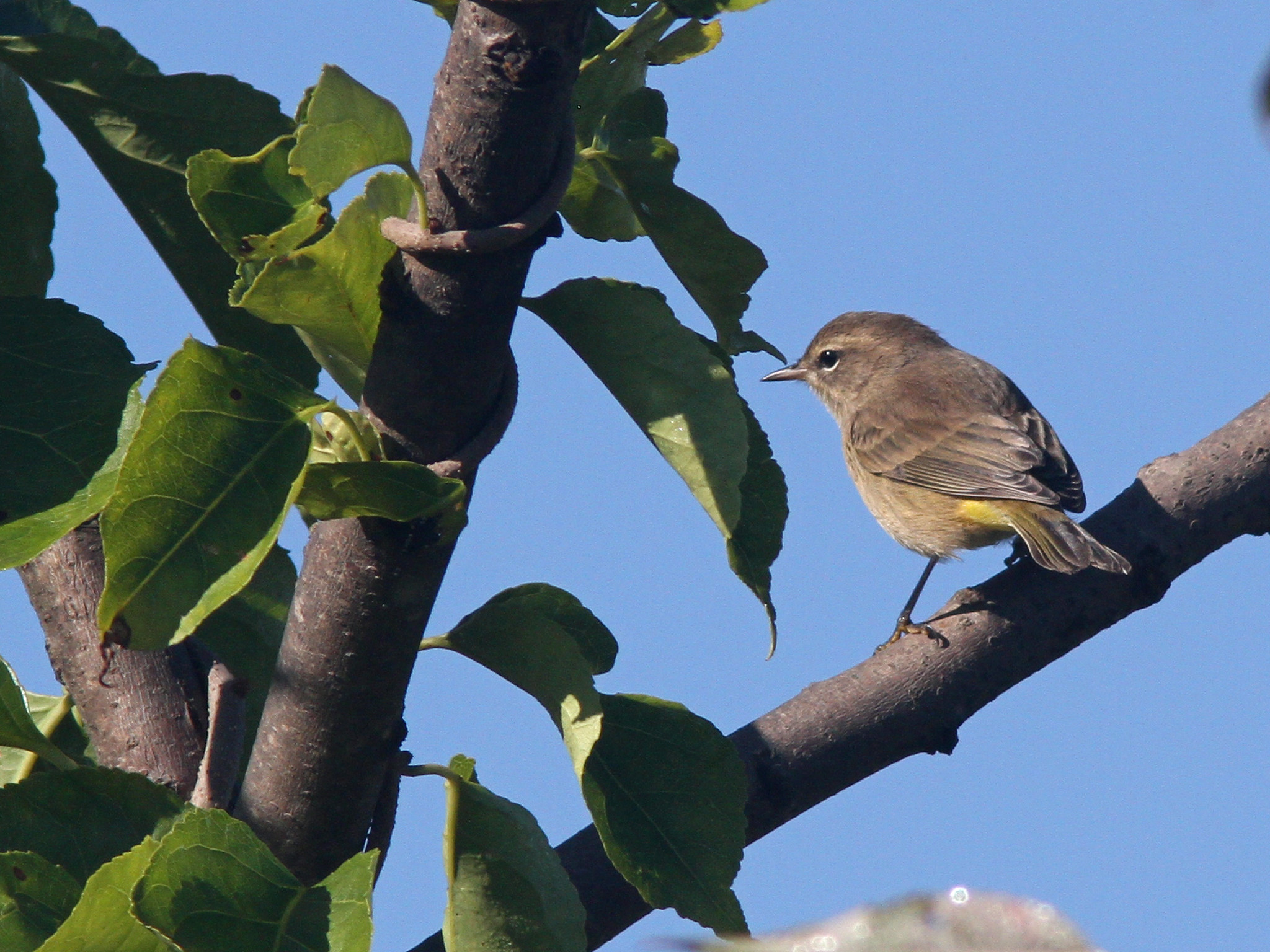 |
| Palm Warbler (western), Arcadia, Northampton, MA, Sep 8, 2017 |
 |
| Rose breasted Grosbeak, Arcadia, Northampton, MA, Sep 8, 2017 |
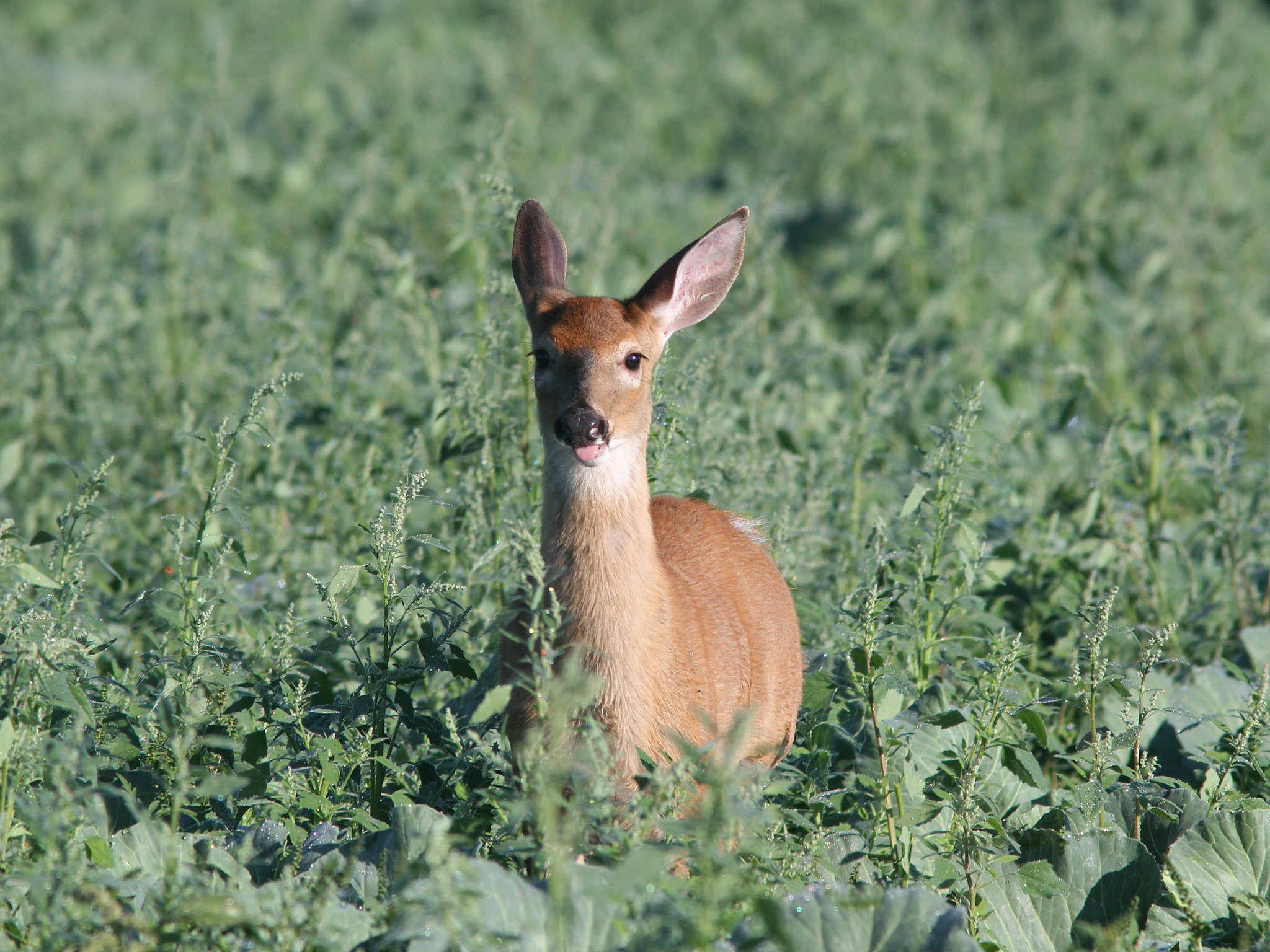 |
| White tailed Deer, Arcadia, Northampton, MA, Sep 8, 2017 |
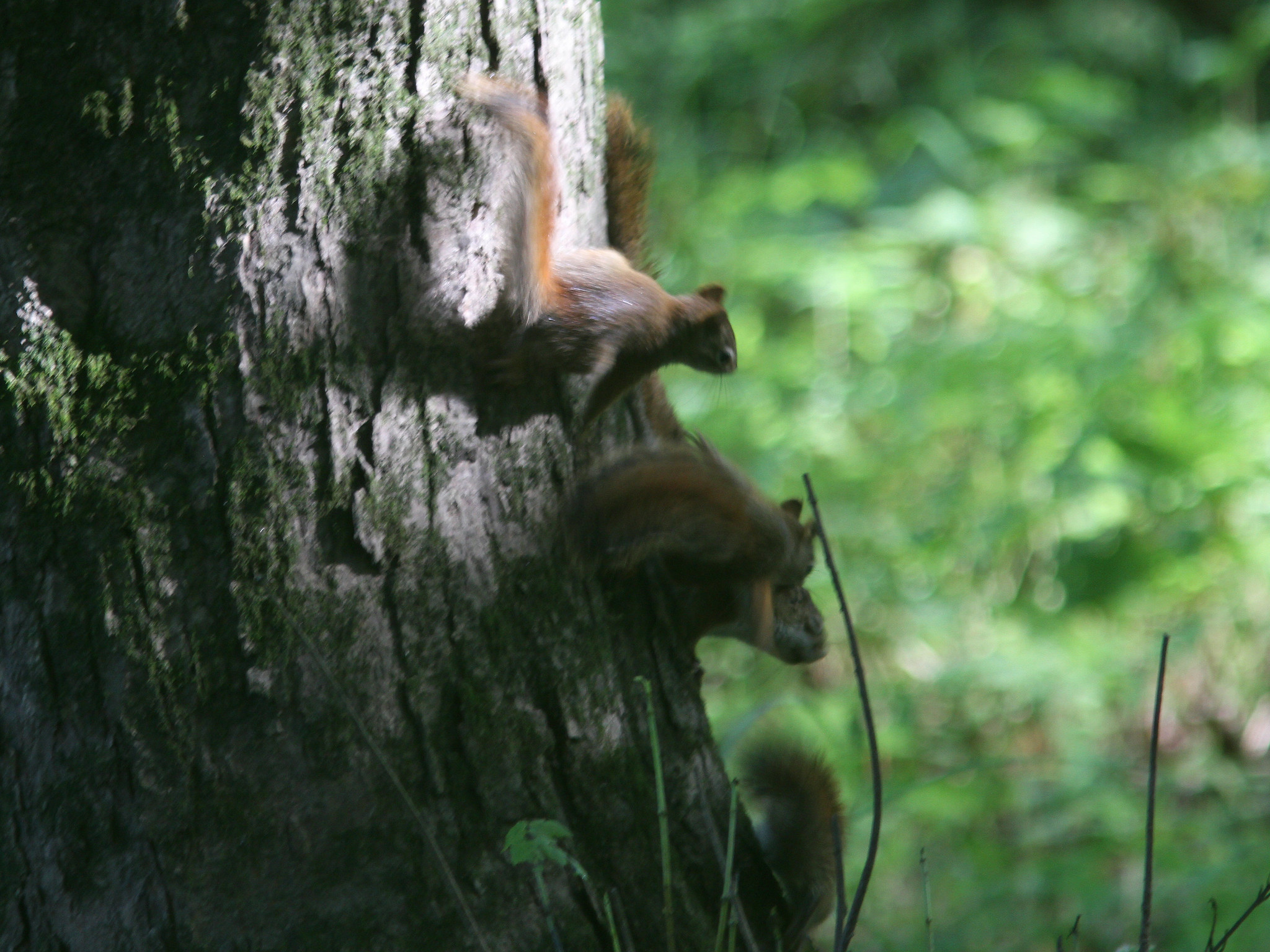 |
| Red Squirrels, Arcadia, Northampton, MA, Sep 8, 2017 |
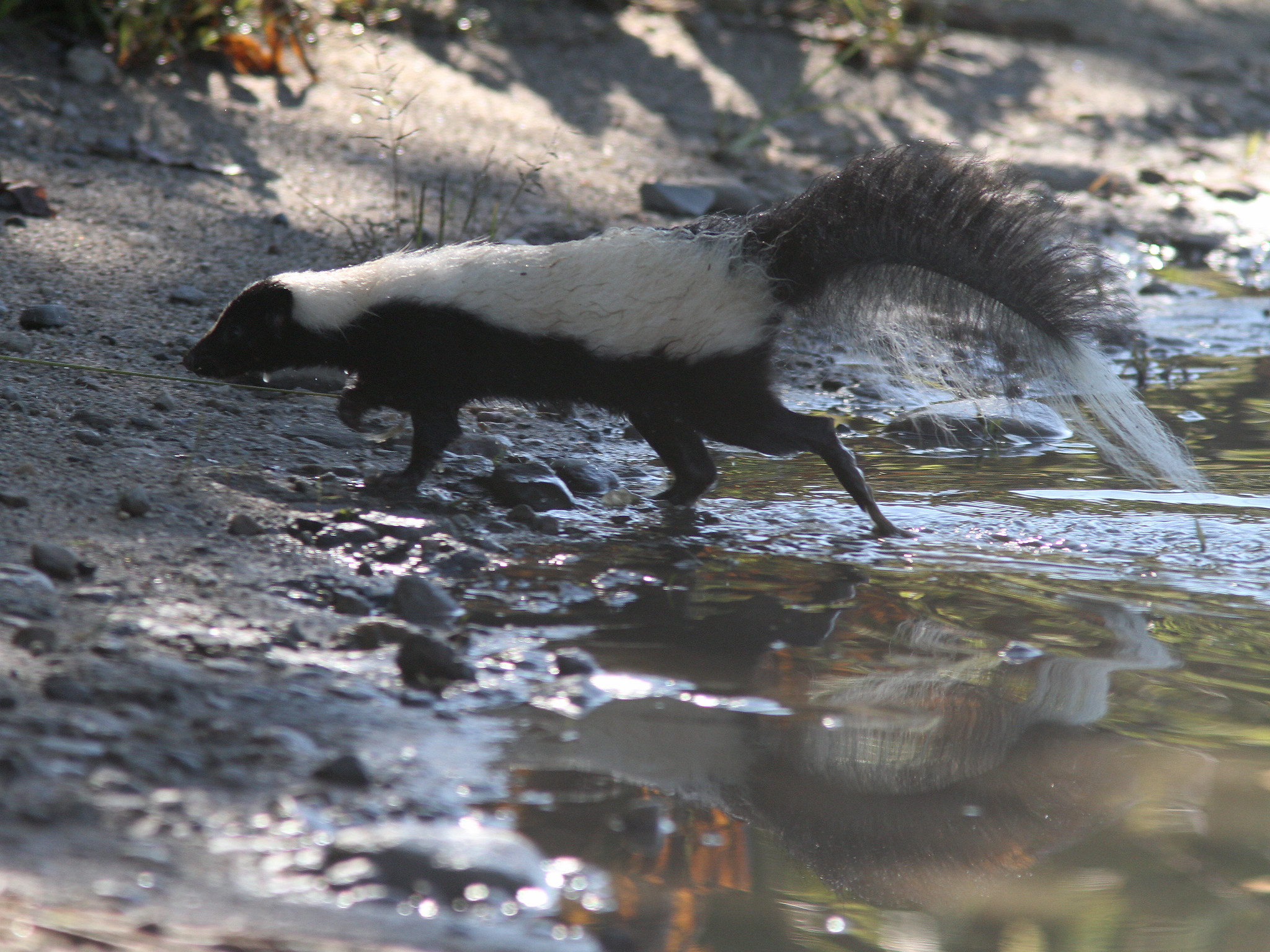 |
| Striped Skunk, Arcadia, Northampton, MA, Sep 8, 2017 |
After getting out of work today I headed over to Arcadia and spent a few hours there and found a number of good stuff including at least two Dickcissel (it is looking to be a fantastic year for this species around here), a Willow Flycatcher still calling, my first Palm Warbler and Lincoln's Sparrow for the fall and still good numbers of Bobolinks. Besides the birds I had several mammal sightings including a yearling White tailed Deer that followed me around quite closely for about 30 minutes plus a Striped Skunk that crossed right in front of me near the Ibis Pool and then had a family of Red Squirrels chasing each other around a tree. Full list with more photos here:
Arcadia
 |
| Three hurricanes in the Atlantic (Katia, Irma and Jose), Sep 8, 2017 |
Hurricane Irma continues to plow its way through the Turks and Caicos, the Bahamas and Cuba on its way to a landfall somewhere in southern Florida. The storm should then run up the middle of Florida before weakening overland to the northwest in Georgia. It is still a very strong storm (an upper end Category 4) and will almost certainly cause a whole lot of destruction before it finally dissipates. There should be no real impact here at all beyond perhaps some bringing some rain mid/late next week but even that might not occur. As expected the islands in the northern Lesser Antilles suffered catastrophic damage and unfortunately are in line to possibly be hit again by another major hurricane on Saturday as Hurricane Jose (Category 4 with 150 MPH winds) will move through. The residents and wildlife there that did make it through Irma now have to face yet another similar storm...tough situation for all involved. There is actually a third hurricane (Hurricane Katia) in the southern Gulf of Mexico which will hit Mexico with rain and wind today into the weekend. A very busy Atlantic hurricane season at the moment to be sure!
As far as birds displaced and carried along with the storm, eBird has recently posted an article concerning the potential species involved as well as a live map of reported rarities. Link to article here:
Hurricane Irma and birds. I will update later on exactly what unusual species turned up.


