Showing posts with label finch forecast. Show all posts

Saturday, September 22, 2018

More migrants today and a forecast for an irruptive year from the north

Wilson's Warbler, Silvio Conte NWR-Fort River, Hadley, MA, Sep 22, 2018
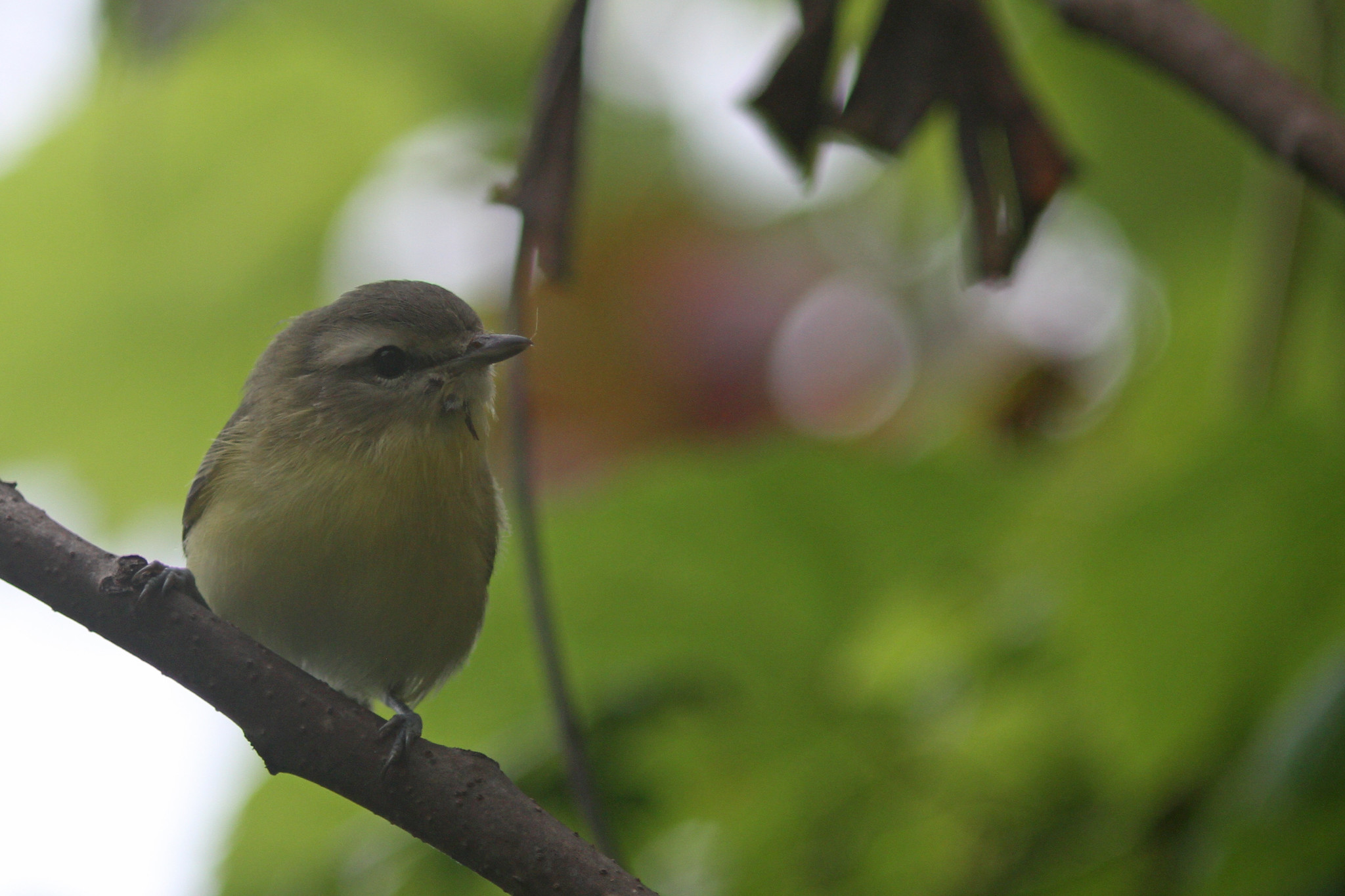
 Philadelphia Vireo, Silvio Conte NWR-Fort River, Hadley, MA, Sep 22, 2018
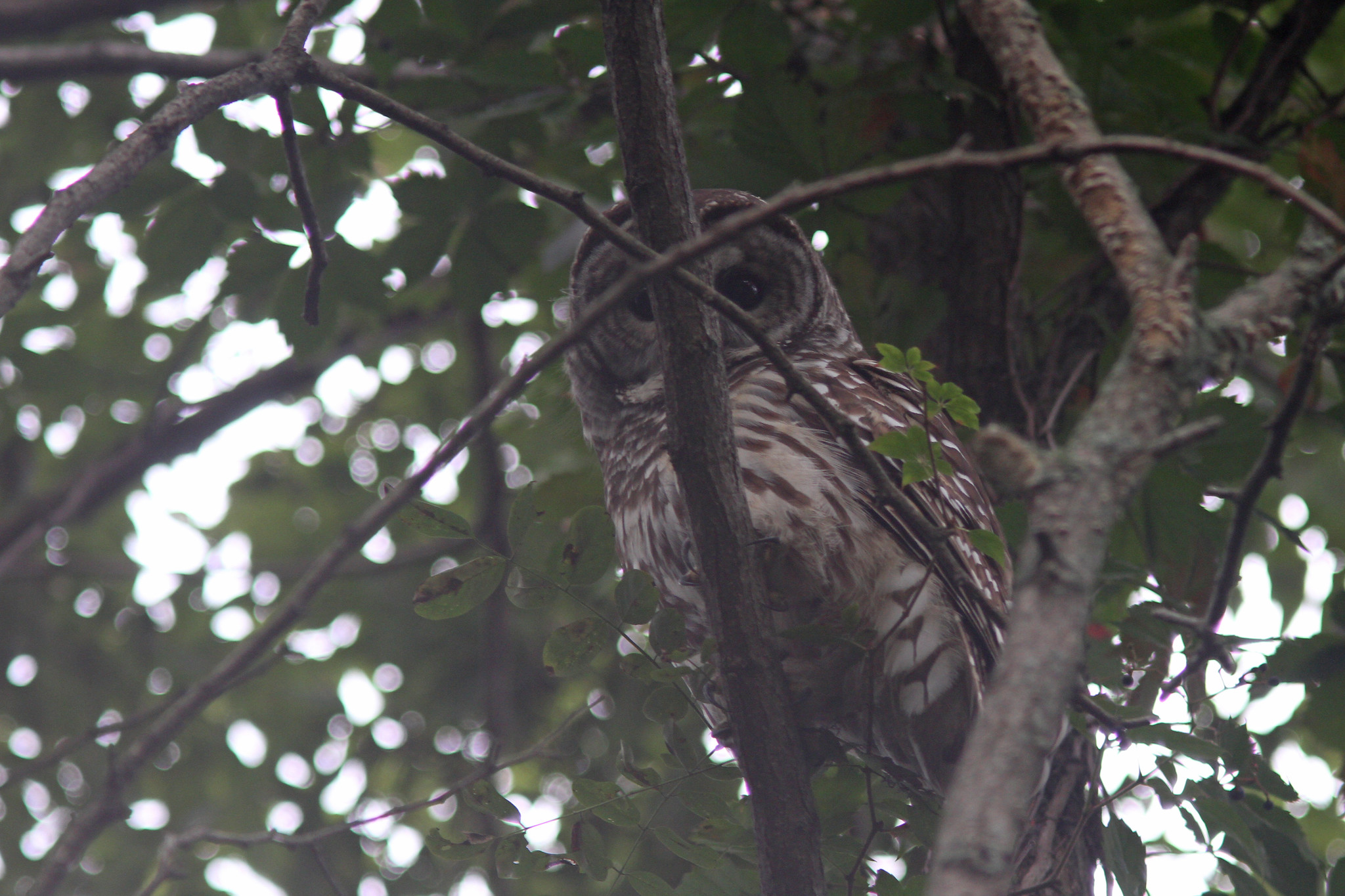
 Barred Owl, Silvio Conte NWR-Fort River, Hadley, MA, Sep 22, 2018
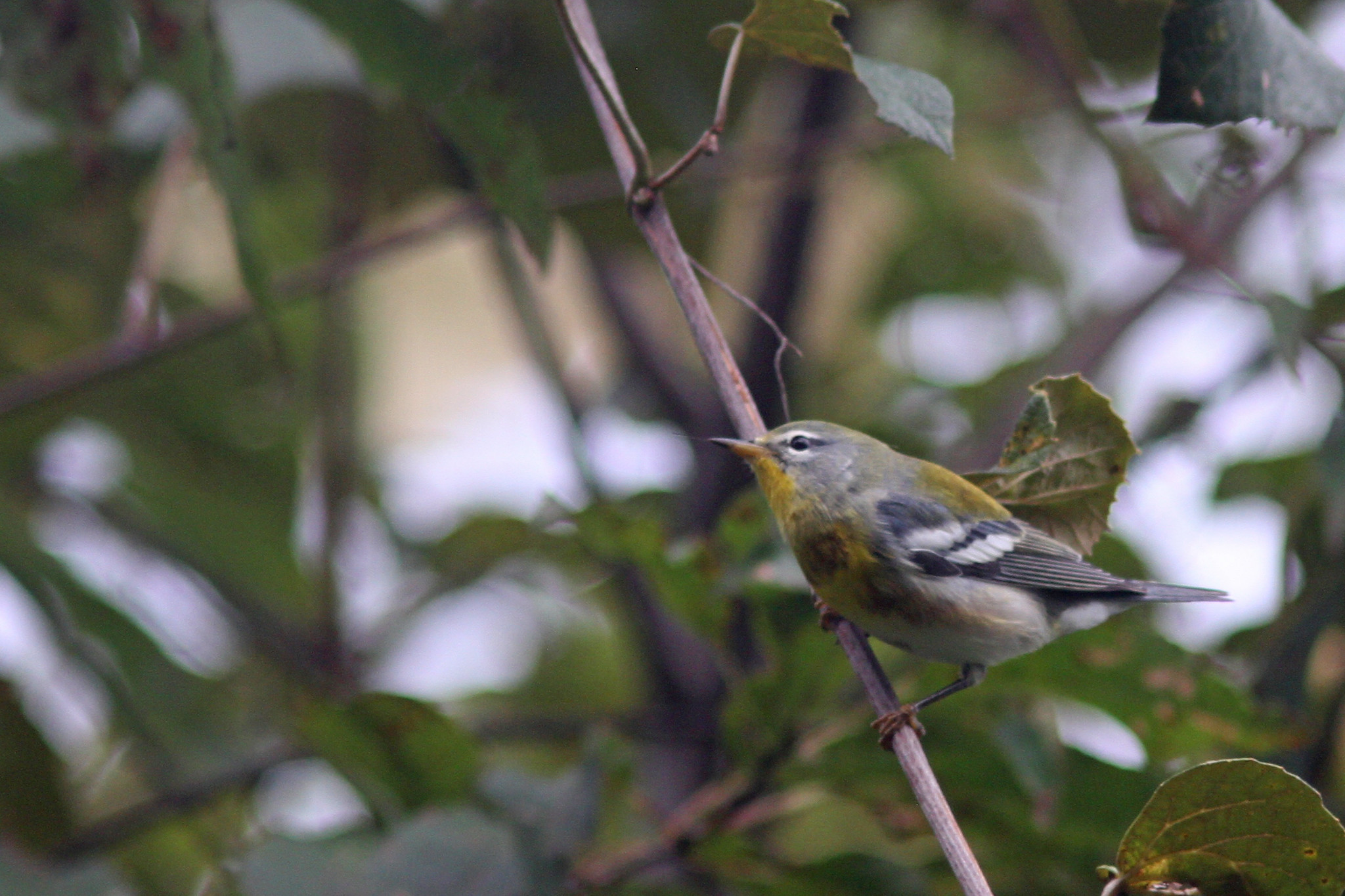
 Northern Parula, Silvio Conte NWR-Fort River, Hadley, MA, Sep 22, 2018
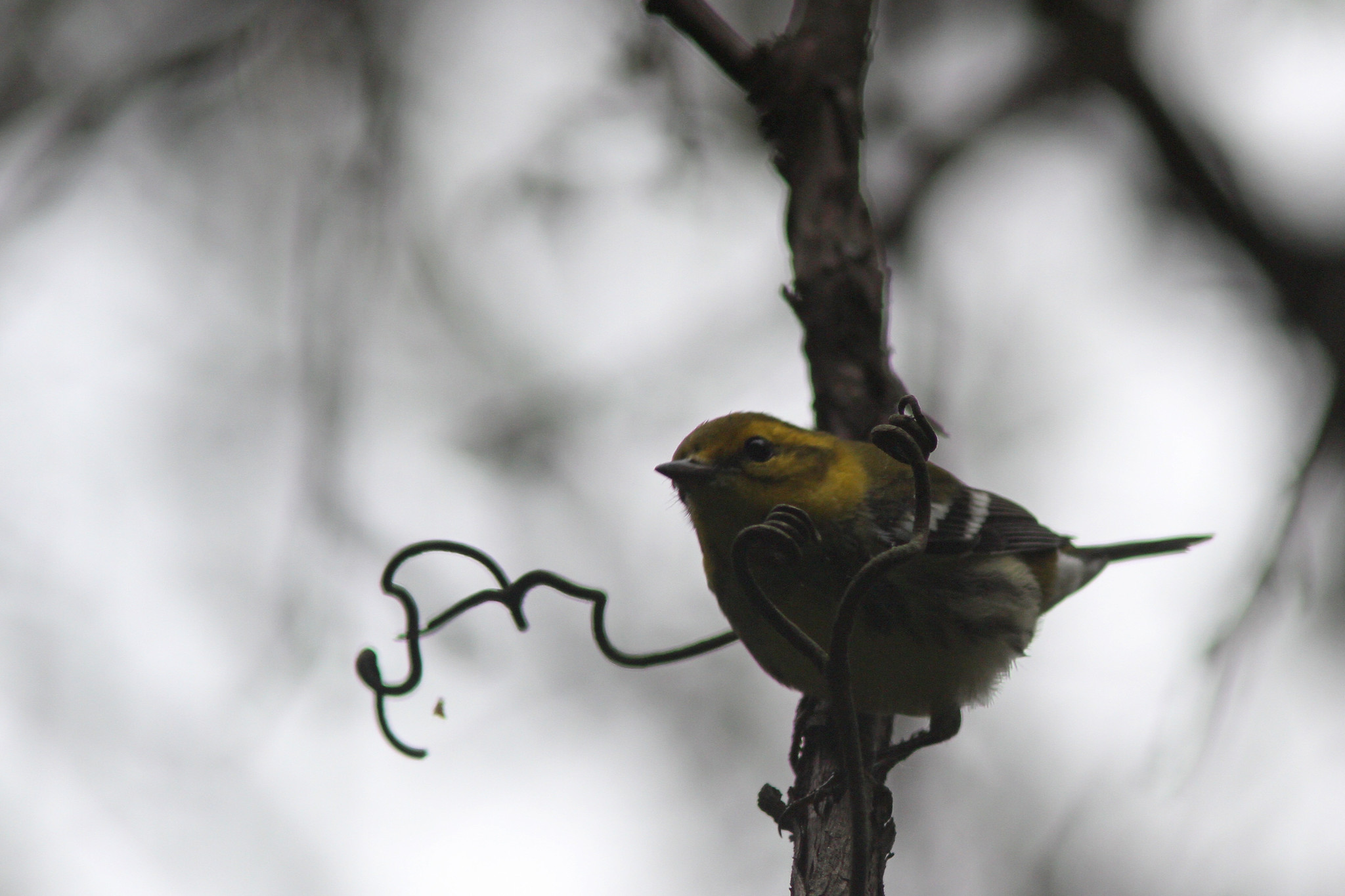
 Black throated Green Warbler, Silvio Conte NWR-Fort River, Hadley, MA, Sep 22, 2018
More migrants arrived overnight after a cold front moved in after midnight and I headed out after work to Silvio Conte NWR-Fort River to see what I could find.  Thankfully the mosquitoes were slightly less extreme this morning so I could stand being there for a longer period.  I had a number of highlights including a close look at a Barred Owl, a couple Philadelphia Vireos and 13 species of warblers including a Connecticut Warbler and Mourning Warbler.  Full list from the morning at the following link.
Bohemian Waxwing, US Fish & Wildlife HQ, Hadley, MA, Mar 5, 2012
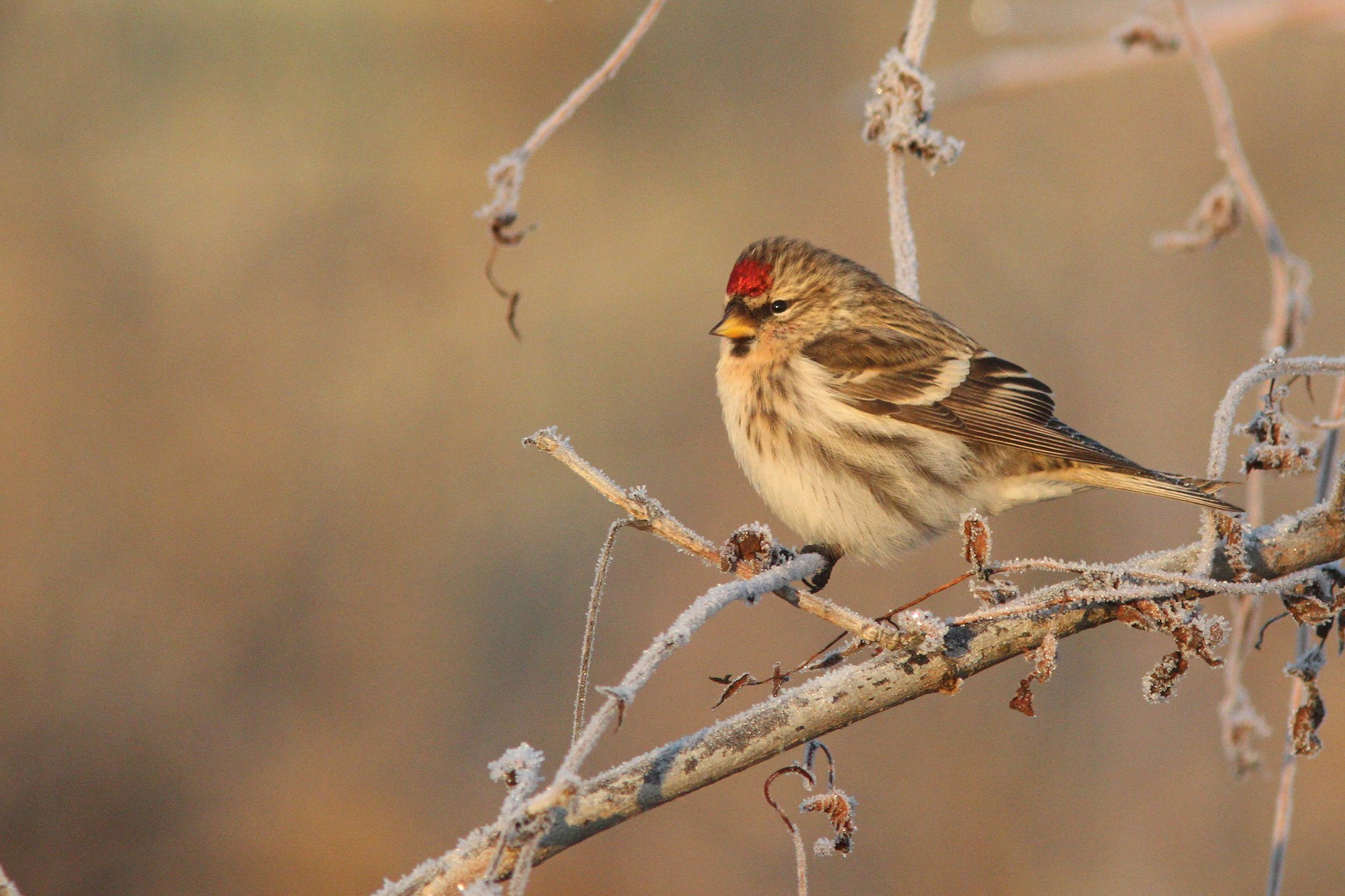
Common Redpoll, Honey Pot, Hadley, MA, Dec 14, 2012
The annual finch forecast that is prepared by Ron Pittaway has been released and it looks like it could be a very good irruptive year with a number of species forecast to head south.  A number of species mentioned in the report have already started moving through including Red breasted Nuthatch and Purple Finch  There is expected to be a good flight of  Common Redpolls, Bohemian Waxwings and possibly Hoary Redpolls and a moderate flight of Pine Grosbeaks and Evening Grosbeaks.  Other species could also make an appearance but not in large numbers. The full report with details on each species can be found here: Finch Forecast.

Yesterday marked the 80th anniversary of the Hurricane of 1938 that devastated the northeast and brought in a large selection of storm birds which I detailed in a post about tropical storm related birds.  Although the chances of another hurricane as strong striking New England is not extremely high it is certainly possible with the right set of conditions.  The tropics have quieted down a bit but a new tropical storm has developed (Kirk) off the African coast and is forecast to march across the Atlantic and perhaps threaten the Lesser Antilles by the end of next week. 

Thursday, October 11, 2012

Irruptive species update


Red breasted Nuthatch

Red Crossbills
 I will take a little time this evening to update on the variety of irruptive species that have occurred so far this season.  The annual finch forecast put out by Ron Pittaway (link below) predicted the potential for several species (finches and others) to move south this season due to a poor cone crop in the north.  http://ebird.org/content/ebird/news/ff2012
Several of these species have already moved south starting with Red breasted Nuthatch’s and Red Crossbills, Purple Finches and continuing now with Pine Siskins.  All four of these species have moved across a broad front in large numbers into and through the northeast.  Using eBird to illustrate to movement of these (and other species) is quite informative.  The next question is will these birds hang around the local area or continue to move further south.  There are still good numbers of Red breasted Nuthatch’s around but perhaps the largest numbers have moved through.  Red Crossbills seem to have also peaked but the birds are still around and there could be more to come.  There is a great article of the crossbills on eBird summing up the various types of Red Crossbills with the link below: http://ebird.org/content/ebird/news/red-crossbill-types

The Pine Siskins have increased dramatically in the last week or so around here and can be found on most trips around the area.  Purple Finches also seem to have increased a bit but the huge numbers are still not here yet. 
There are several other species that could have a good potential to move south this winter including White –winged Crossbill,  Pine Grosbeak (one heard at Winsor Dam a few days ago), Common Redpoll, Hoary Redpoll, Evening Grosbeak (also at Winsor Dam a couple says ago but could have been local breeder), and Bohemian Waxwing.  As mentioned in Ron Pittaway’s article all of these species have a good chance of moving south this winter.  Although his article covers Ontario the basics of the movement can be translated to this area.  Overall this season has the potential to be one of the better seasons for irruptive species in the area.  So far it has been great and could only get better as more species move down through.  We will have to wait and see what happens.
Mallards at first light, Winsor Dam at Quabbin Park, Oct 10, 2012
 With all the rain and wind the last couple days plus having to work I have not birded much other than brief stops at Winsor Dam to check for waterfowl at first light and on my way home from work before sunset.  Nothing too unusual with a few Common Loons, a couple Black Ducks and a raft of 44 Mallards on Wednesday morning that I tried my best to turn into something more exotic in the poor morning light.  I also had an American Woodcock still giving its display flight.  This evening the only species of waterfowl present was a Black Duck.  I'm hopeful checking the area again over the next several days will result in finding some waterfowl.

Thursday, September 20, 2012

Orchard Hill, Skinner State Park and a new yard bird

American Redstart, Orchard Hill UMASS Amherst, Sept 20, 2012

Radar image capture from 10:00 pm last night, Sept 19
 
Another good migration day today with a influx of a variety of species. I did some listening last night for about 45 minutes for flight calls of nocturnal migrants. Although the radar showed a lot of movement the number of birds that could be heard was fairly low. I had one Gray cheeked Thrush (county year bird #206 and yard species #147), a couple Swainson's Thrush and a dozen plus warblers of species unknown.
 
Black throated Green Warbler, Orchard Hill UMASS Amherst, Sept 20, 2012
 
American Redstart, Orchard Hill UMASS Amherst, Sept 20, 2012

Swamp Sparrow, Orchard Hill UMASS Amherst, Sept 20, 2012
 

This morning I started out before dawn on Orchard Hill with Ian Davies. It got fairly busy after the sun started hitting the trees and warming everything up from our night time low in the high 30's. There were many highlights such as Tennessee Warbler, many Northern Parula, a few Scarlet Tanager, a couple hummingbirds, Wood Thrush, and many Eastern Phoebe's. There were many other good birds around.  Here is the eBird list:

http://ebird.org/ebird/view/checklist?subID=S11632948

 
Great Egrets (five of six viewed from summit Skinner SP), Hadley, MA, Sept 20, 2012
Scope view of kettle of Broad winged Hawks, Skinner SP,Hadley, MA, Sept 20, 2012
 
Ian had to go to class fairly early so we parted ways and I birded a bit longer there with another UMASS student before he to ad to go to class.  It started to slow down a bit so I decided to head out and ended up going up to Skinner SP to do a little hawk watching for about an hour. There were a few small kettles of Broad winged Hawks totalling about 70 birds moving as well as a handful of other raptor species. I had some other notable birds viewed from there including a group of six Great Egrets in the Connecticut River, five Common Mergansers loafing on a sandbar and some warblers and juncos moving along the ridge. There was a fairly impressive flight of Blue Jays in evidence both here and elsewhere today.

Wilson enjoying his walk


Once I got home midday I picked up Wilson and we headed to Jabish Canal for a long walk. We had about 100 Broad winged Hawks in a few large kettles moving by a distance away. There were a number of Eastern Phoebes around as well as a mixed species flock.

In the yard today I had a Ruby throated Hummingbird and a Swainson's Thrush as highlights.

With the ongoing fall migration moving along rapidly the upcoming winter season approaches and with it comes the potential for irruptive species.  As mentioned previously Red Crossbills and Red breasted Nuthatch's are in the midst of an irruptive event here.  What other species may follow?  Here is a link to the annual finch report from Quebec that can give some indication of what species may move this way this winter.
http://ebird.org/content/ebird/news/ff2012

It could be a good year for several species...time will tell.