Showing posts with label brown booby. Show all posts

Wednesday, October 23, 2024

Annual taxonomic update nets me nine new species

Northern House Wren, Honey Pot, Hadley, MA, Aug 28, 2015

The annual taxonomic update at eBird is now in the books and with the various splits and lumps I gained nine new species and lost one, giving me a net gain of nine species which brings my life total to 2014.

American Herring Gull, Ridegvale Beach, Chatham, MA, June 19, 2011

The first split that produced a new species for me was Herring Gull, which became four species, two of which I have seen.  The locals in the states became American Herring Gulls and those in Europe became European Herring Gulls (seen during a trip to Europe in 2019.

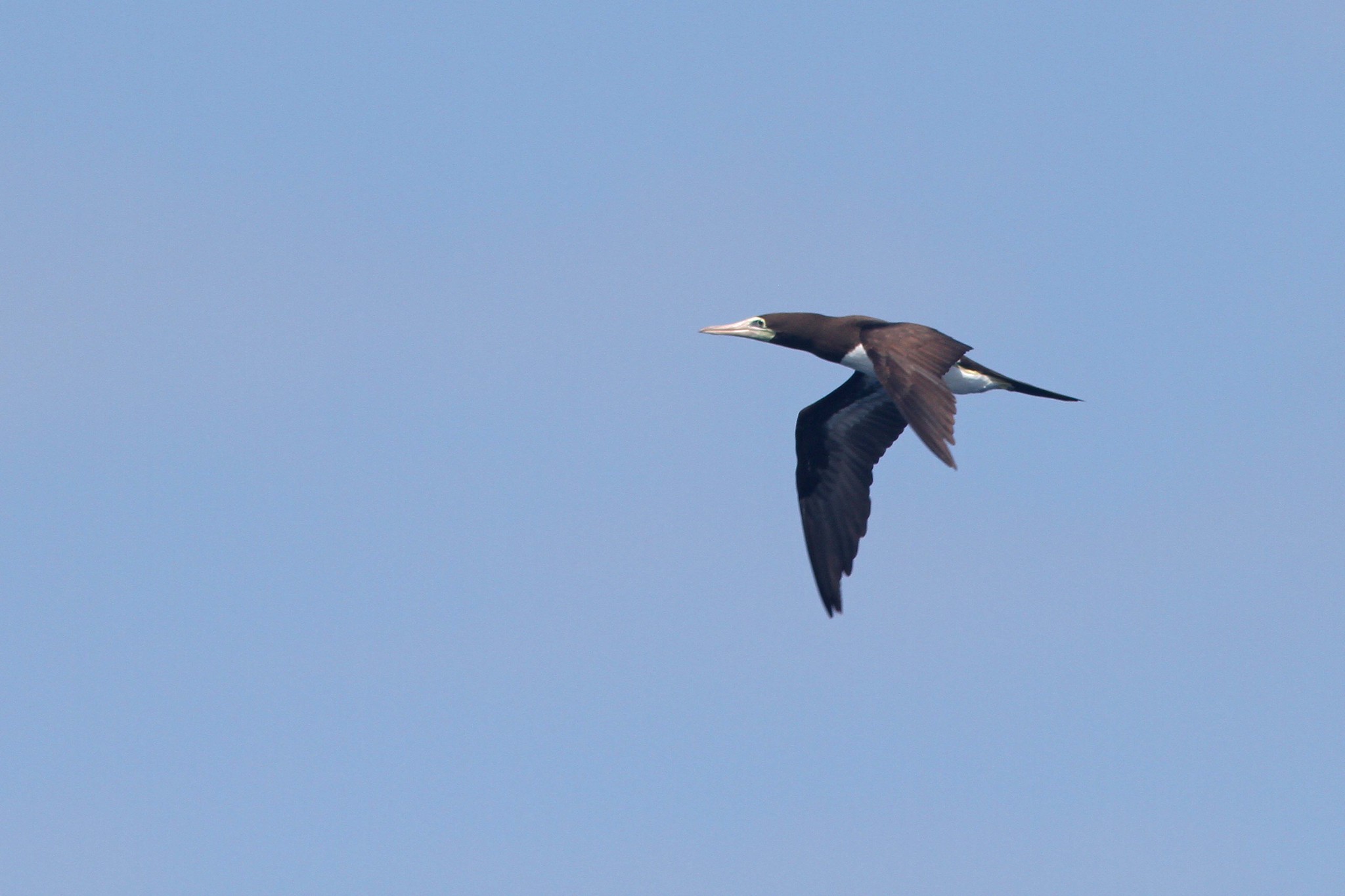
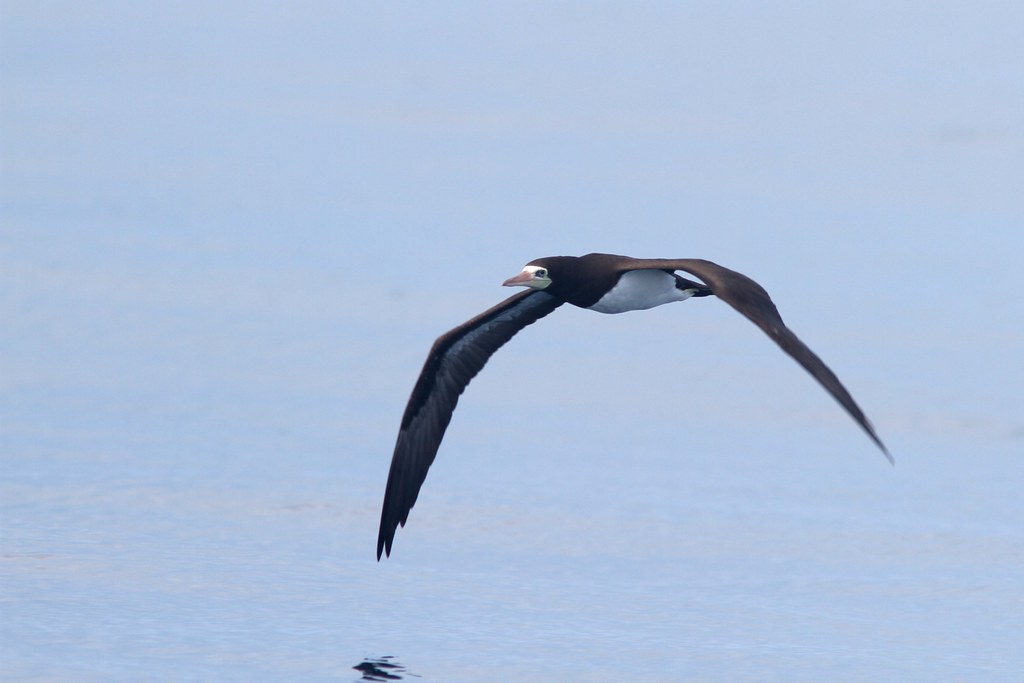
Brown Booby, At sea off St Vincent, Mar 22, 2023
Cocos Booby, Marino Ballena NP, Costa Rica, Dec 21, 2012

The next split that produced a new species was Brown Booby, which was split into two species with the new species being known as Brown Booby and Cocos Booby.  Brown Booby occurs in the Atlantic and into the Red Sea and Cocos Booby occurs in the Pacific.

Guatemala Flickers, Todos Santos Regional Municipal Park, Guatemala, Feb 9, 2018
Northern Flicker, Quabbin Park, MA, Apr 24, 2021

The next split is Northern Flicker, which was split into two species with the new one being Guatemala Flicker (which I saw during my trip to Guatemala in February of 2018).  I have a feeling there are more splits to come from this area of Guatemala as there are multiple distinct subspecies there.

My next new species came from a split of Plain Xenops into Atlantic Plain Xenops and Northern Plain Xenops.  The Atlantic Plain Xenops occurs in southeast Brazil and I saw the species during my Brazil trip in December of last year.  The Northern Plain Xenops occurs from southern Mexico through central American and into northeast South America and I have seen the species in multiple countries on a variety of trips.

Northern House Wren, Orchard Hill, UMASS Amherst, MA, Sep 14, 2014
Southern House Wren, Rio Magnolia Lodge, Costa Rica, Jan 23, 2018
Kalinago Wren, Morne Diablotin NP, Dominica, Mar 24, 2023
Grenada Wren, Grenada, Dec 15, 2017

The last split that had an effect on my life total was House Wren and it was a big split. The species was split into seven species with those in the north getting a a new name (Northern House Wren) and those from Mexico south becoming known as Southern House Wren.  The remaining splits were on a variety of islands and I had all of these new island endemics during previous trips to the Caribbean and Mexico.  These new species including Cozumel Wren (on Cozumel Island off the Yucantan in Mexico), Kalinago Wren (Dominica), St. Lucia Wren, St. Vincent Wren and Grenada Wren.

The species I lost (Hoary Redpoll) occurred due to a lumping of the species back in with Common Redpoll.

Always fun to gain new species without having to travel anywhere new...an advantage of travelling widely on past birding trips.

Friday, March 22, 2019

Cruise to eastern Caribbean

Saint Lucia Warbler, Millet Nature Reserve, St. Lucia, Mar 12, 2019
Saint Lucia Oriole, Millet Nature Reserve, St. Lucia, Mar 12, 2019
Gray Trembler, Millet Nature Reserve, St. Lucia, Mar 12, 2019
Saint Lucia Black Finch, Millet Nature Reserve, St. Lucia, Mar 12, 2019
Saint Lucia Parrot, Millet Nature Reserve, St. Lucia, Mar 12, 2019
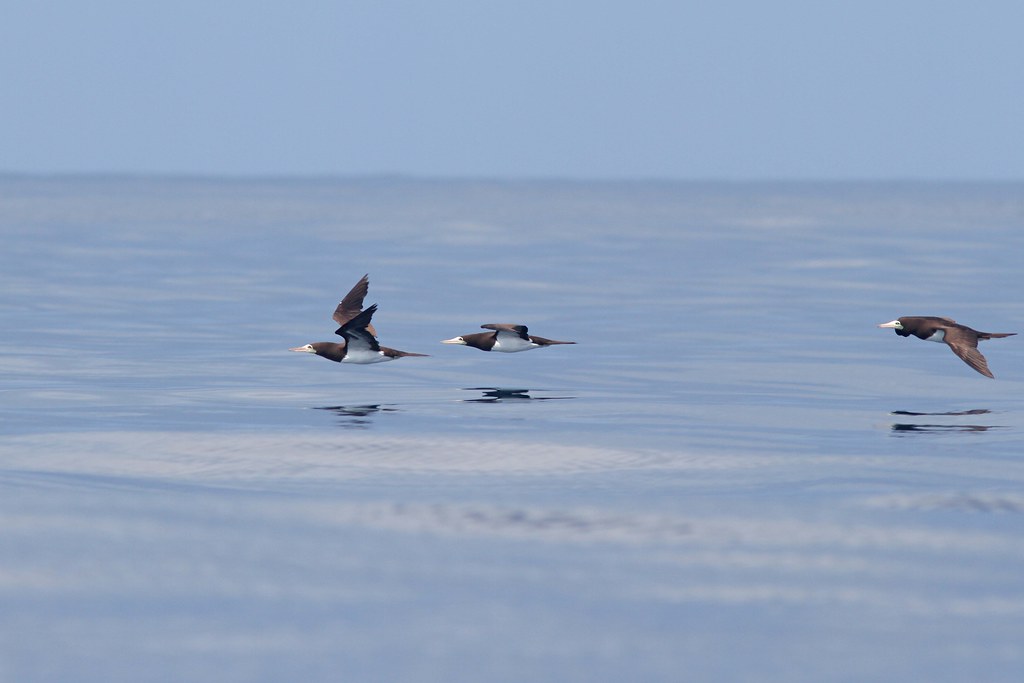
Brown Booby, offshore St. Lucia, Mar 12, 2019
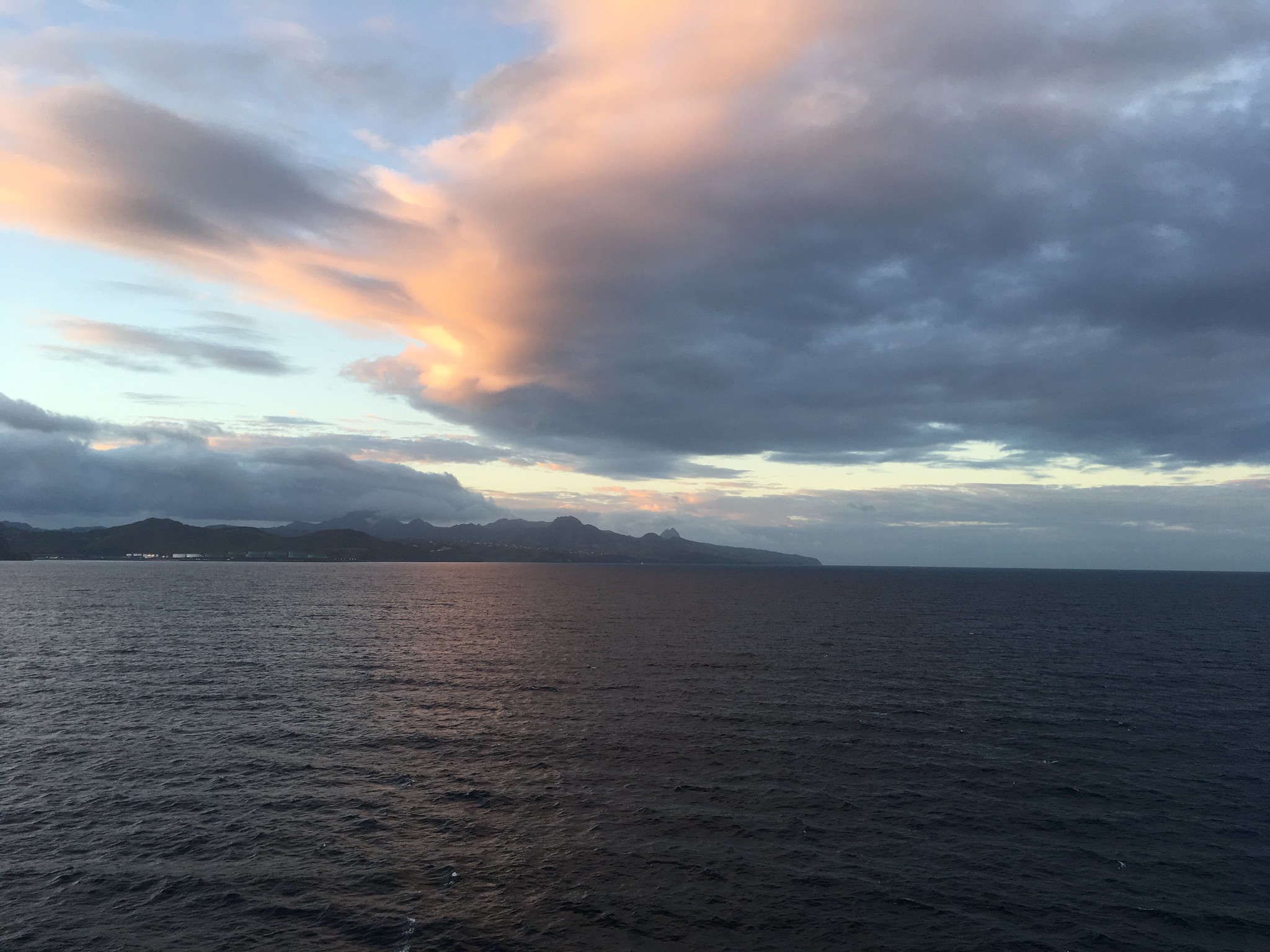
Central and southern mountains, St. Lucia, Mar 12, 2019
Mount Gimie, Millet Nature Reserve, St. Lucia, Mar 12, 2019
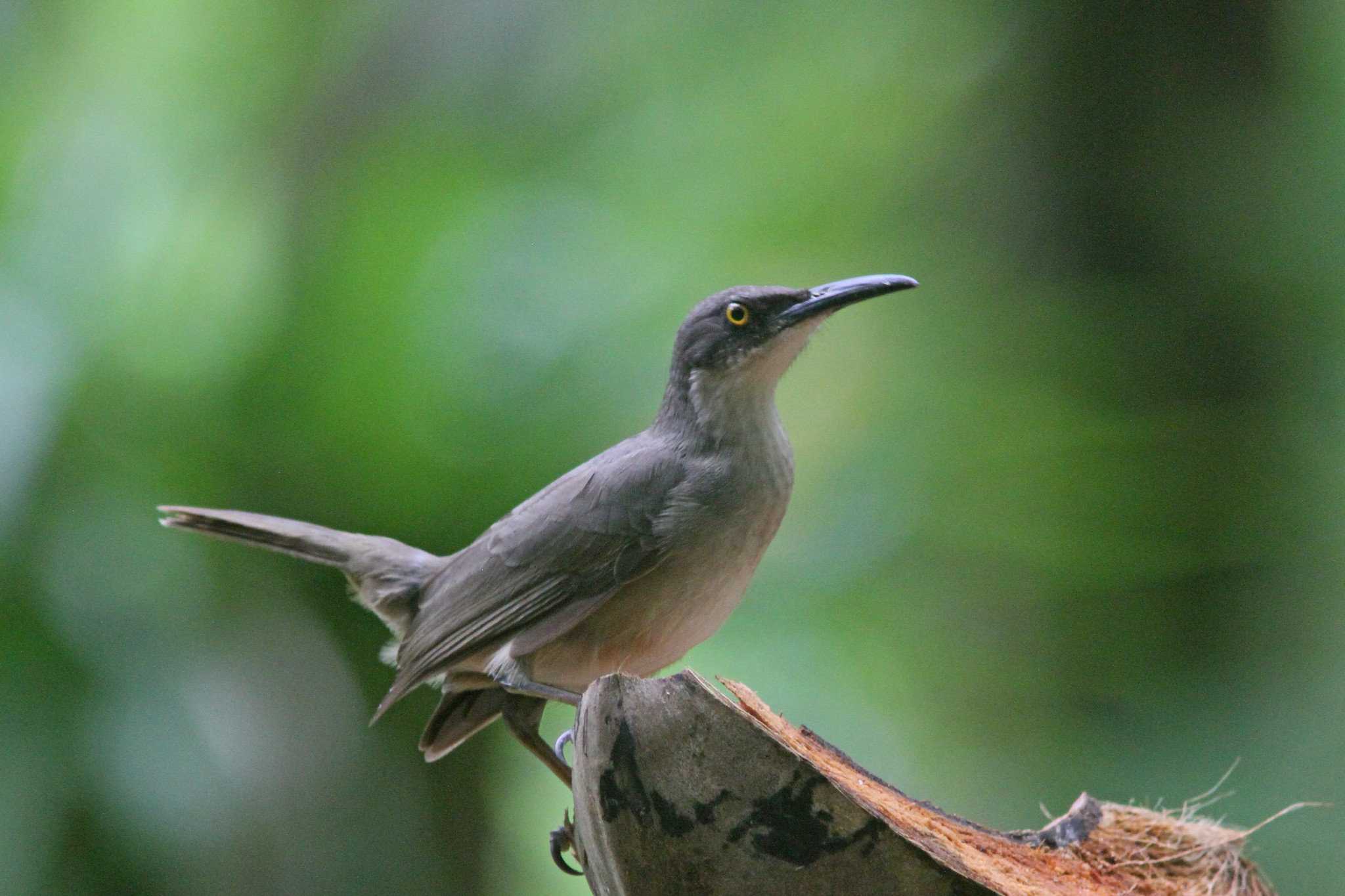
Back from a successful trip down to the eastern Caribbean on a week long cruise out of San Juan hitting several islands including Saint Lucia, Barbados, Antigua, Saint Thomas and Tortola. We had an early flight out at 6AM on Sunday the 10th just as a snowstorm was arriving. It started snowing just before we left but we got out before getting delayed. We arrived into San Juan around ten and then headed to the ship to start enjoying the warm temperatures. The first full day was an at sea day which was mainly spent reading and relaxing but I did manage to find a few birds including a few White tailed Tropicbirds and Magnificent Frigatebirds as we headed southeast from San Juan toward our first destination of the trip, Saint Lucia. We pulled into Saint Lucia around 7AM and I was one of the first off the ship at around 7:40 where I was suppose to meet up with my guide. On our way into port I picked up my first life bird for the trip with a number of Caribbean Martins flying around...it appeared the stop I was most looking forward to was going to be great but then came the trouble for the day. I arranged to have a guide for the day to track down all the endemics for the island including my main target, Saint Lucia Warbler. When I contacted my original guide a few weeks before the trip he had a change of plans and would be out of the country so he arranged another guide for me and assured me he would be there. I walked all around the area near the port for about 45 minutes with no luck finding him. I had a phone number for him but when I was able to make a call to him it was the wrong number and I could not reach the guide. I tried one more time before finally deciding that the prearranged guide was not going to show so I hired a taxi to take me into the mountains to the Millet Nature Reserve. We arrived there around 9:20 and spent the next three hours on the trails where I managed to pick up all my remaining target birds including Saint Lucia Oriole, Saint Lucia Warbler, Gray Trembler (near endemic, found on one other island), Saint Lucia Parrot (heard several times and seen well but distantly once), Saint Lucia Black Finch plus the local subspecies of Lesser Antillean Pewee.  There were a number of coconut feeders along the trails that attracted lots of Lesser Antillean Bullfinches as well as St. Lucia Black Finch, Gray Tremblers and Pearly eyed Thrashers...this was the first time I have ever seen this type of feeder in all my travels! Despite the snafu with my guide it was nice to finally make it to a location I have talked about going to for years. As we sailed out of Saint Lucia the ship was joined by first two, then three and finally four Brown Boobies.  More details on the search for St. Lucia Warbler and other warblers seen on the trip can be found at the follow:  Warblers during eastern Caribbean cruise.
Laughing Gull, offshore Barbados, Mar 13, 2019
Barbados from ship as we left, Mar 13, 2019
The next stop was to Barbados with the day spent with some morning snorkeling and the afternoon at the beach. Not much for birding all day but did have a group of parakeets fly over the beach as well as a few sightings of the endemic Barbados Bullfinch.
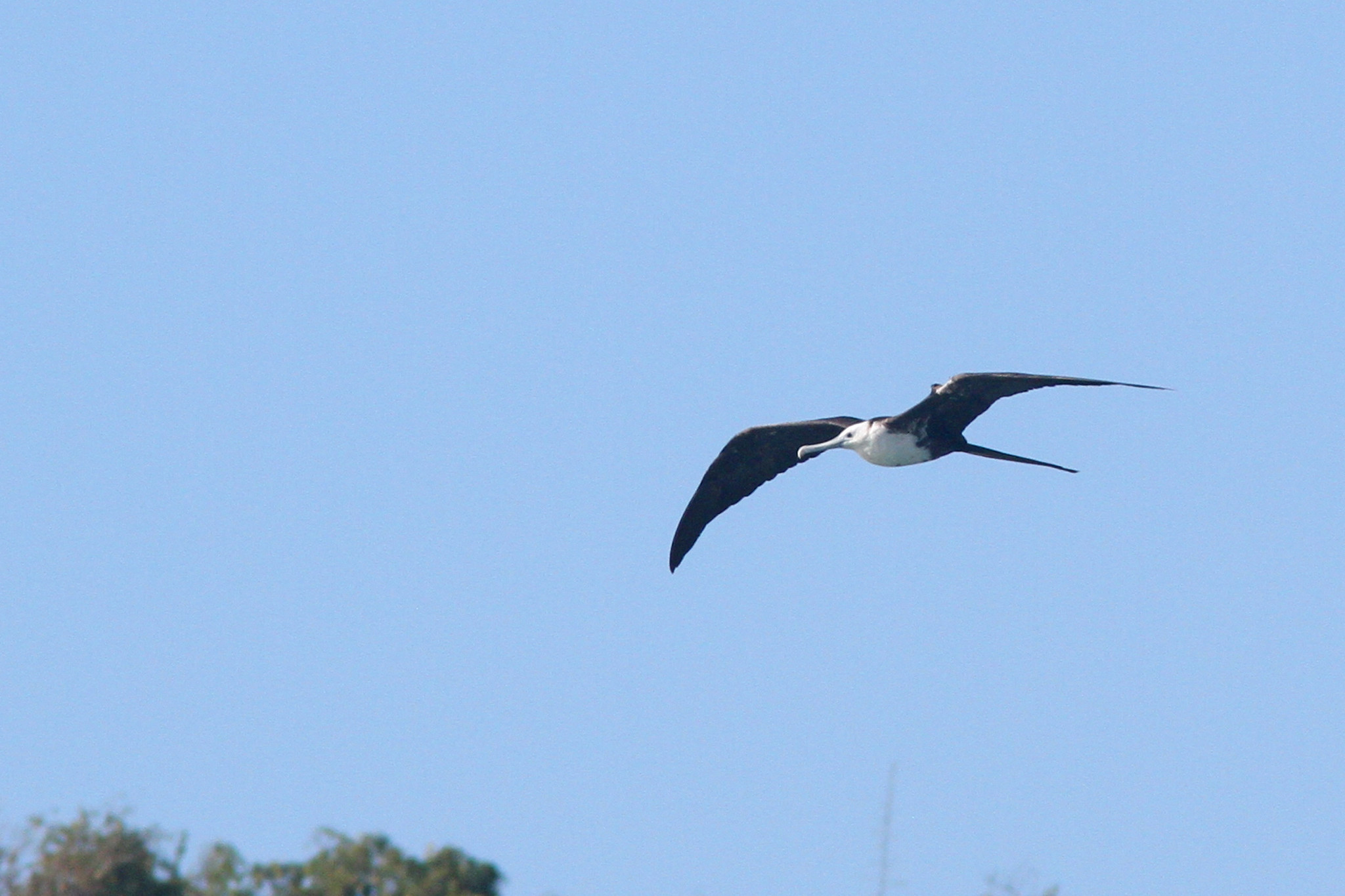
Magnificent Frigatebird, St. John's harbor, Antigua, Mar 14, 2019 
Prairie Warbler, McKinnon's Salt Pond, Antigua, Mar 14, 2019
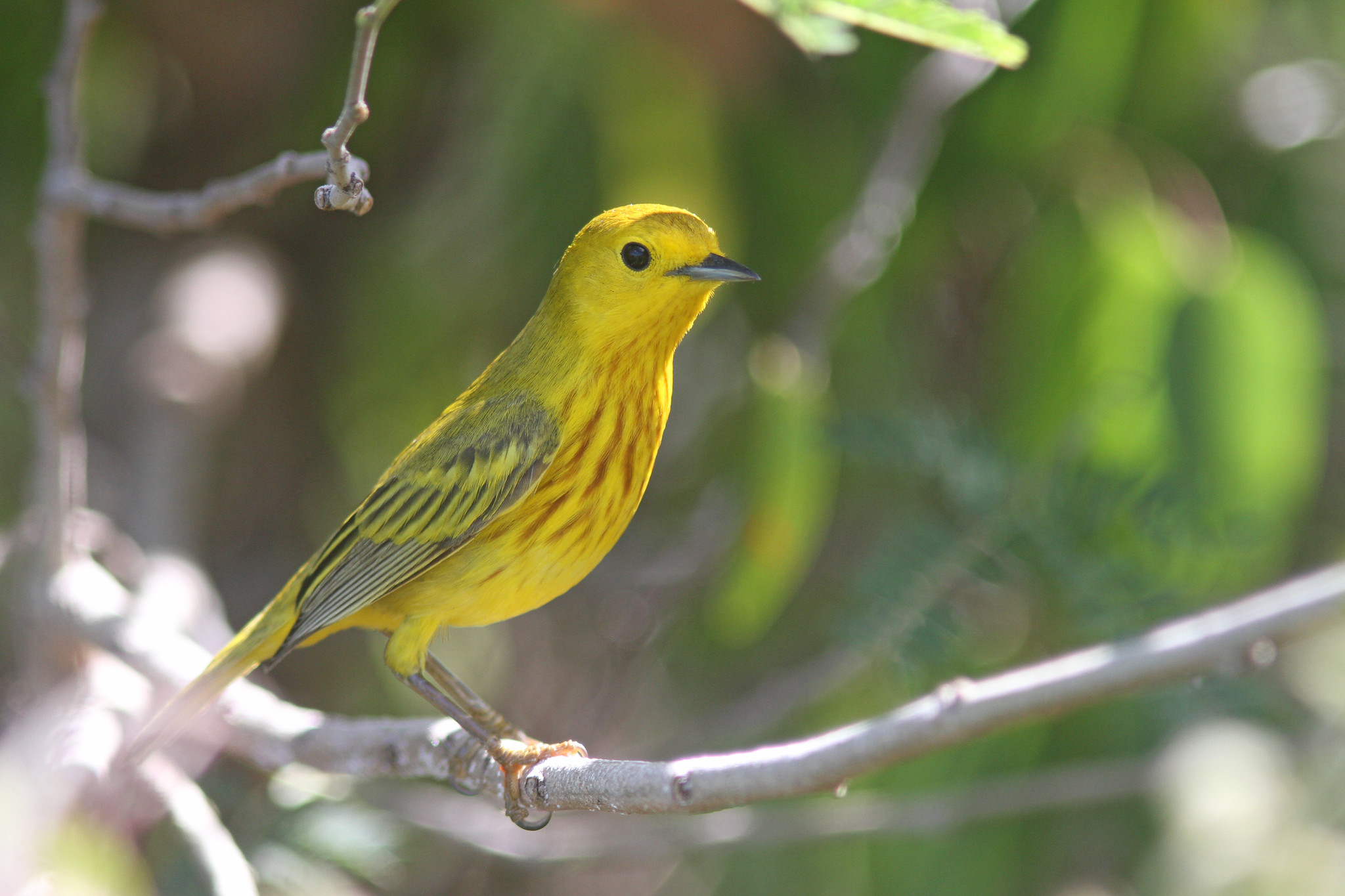
Yellow Warbler, McKinnon's Salt Pond, Antigua, Mar 14, 2019
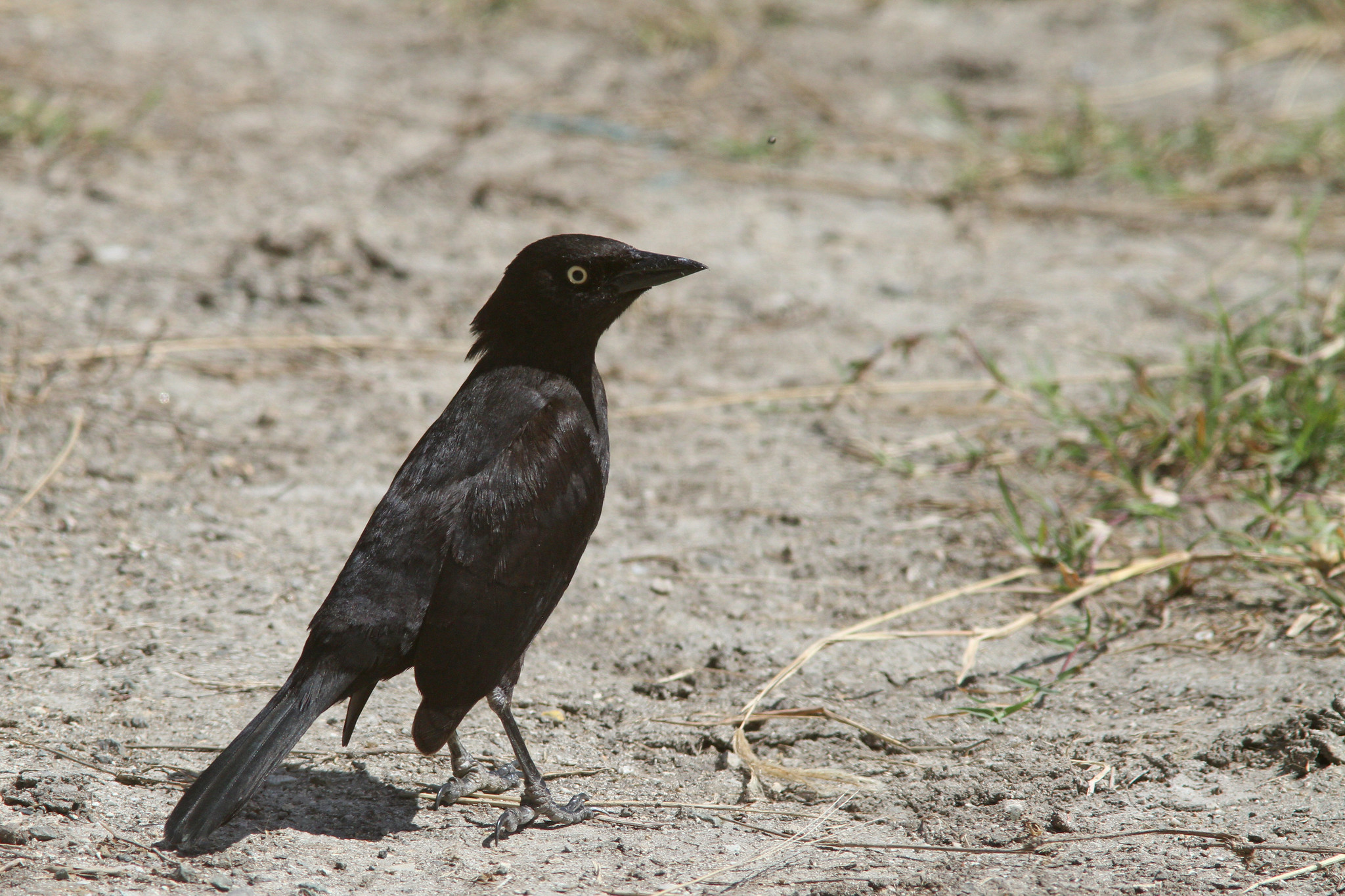
Carib Grackle, McKinnon's Salt Pond, Antigua, Mar 14, 2019
Little Blue Heron, McKinnon's Salt Pond, Antigua, Mar 14, 2019
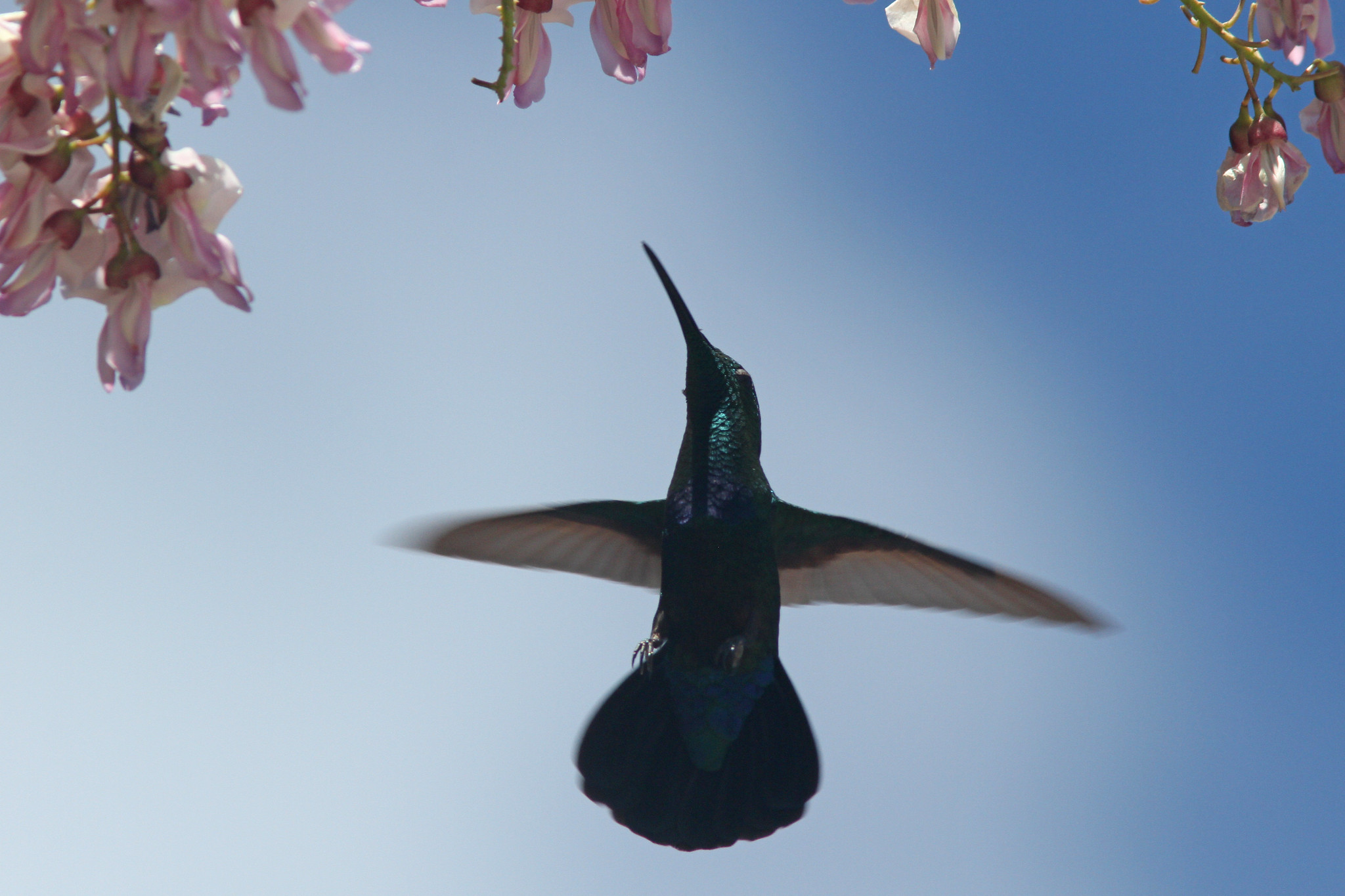
Green throated Carib, Fort James Beach to McKinnon's Salt Pond area, Antigua, Mar 14, 2019
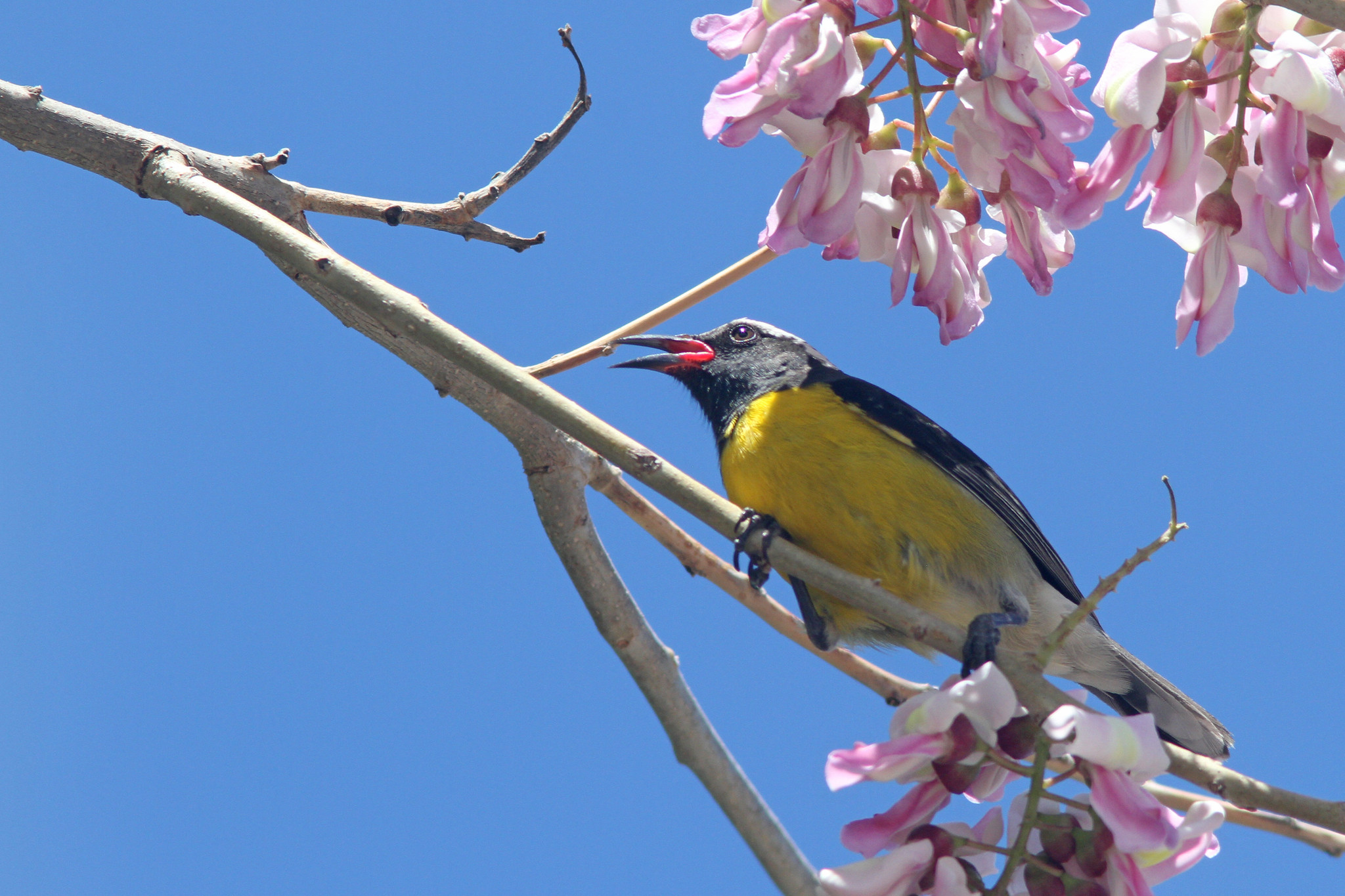
Bananaquit, Fort James Beach to McKinnon's Salt Pond area, Antigua, Mar 14, 2019
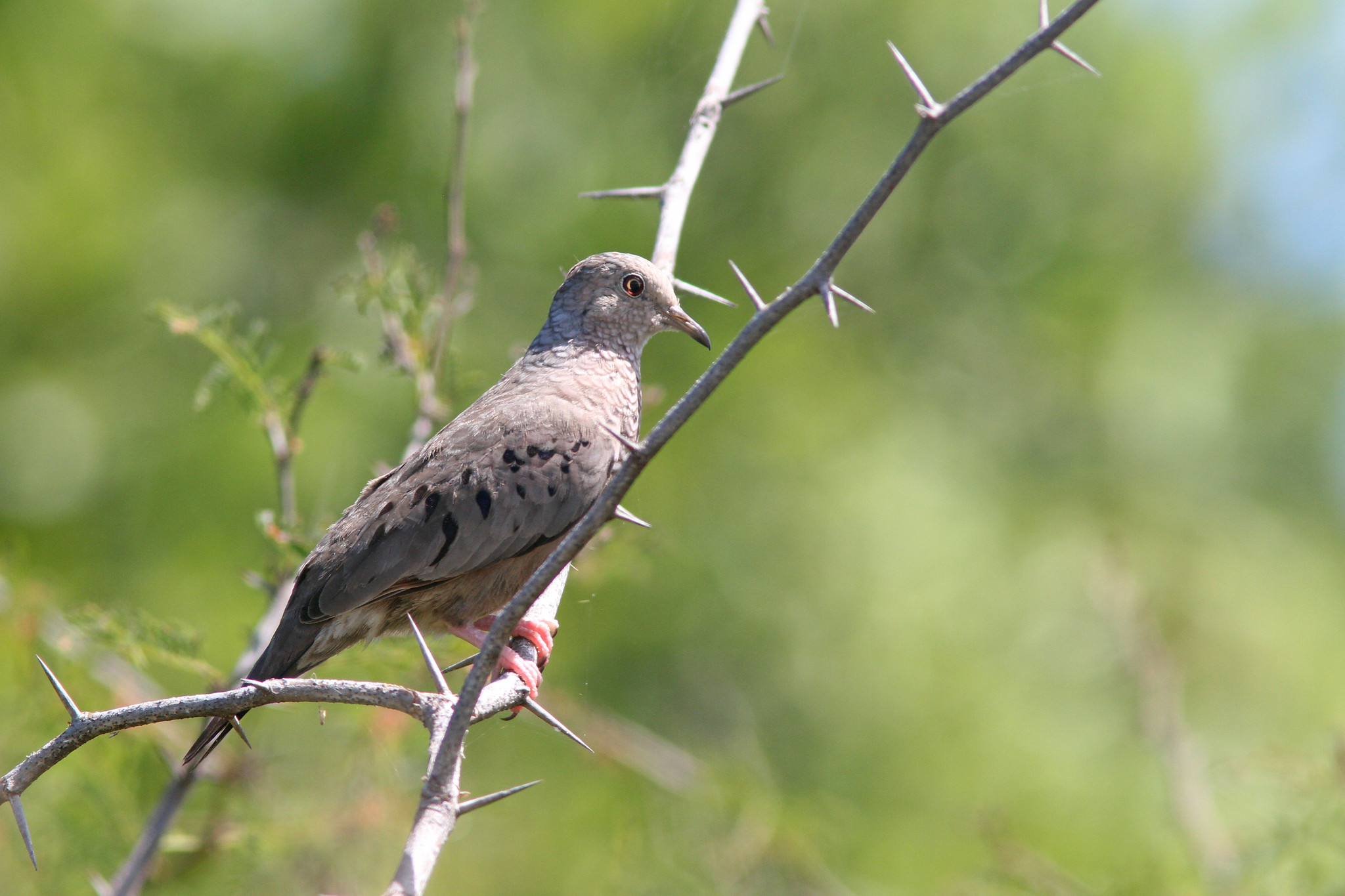
Common Ground Dove, Fort James Beach to McKinnon's Salt Pond area, Antigua, Mar 14, 2019
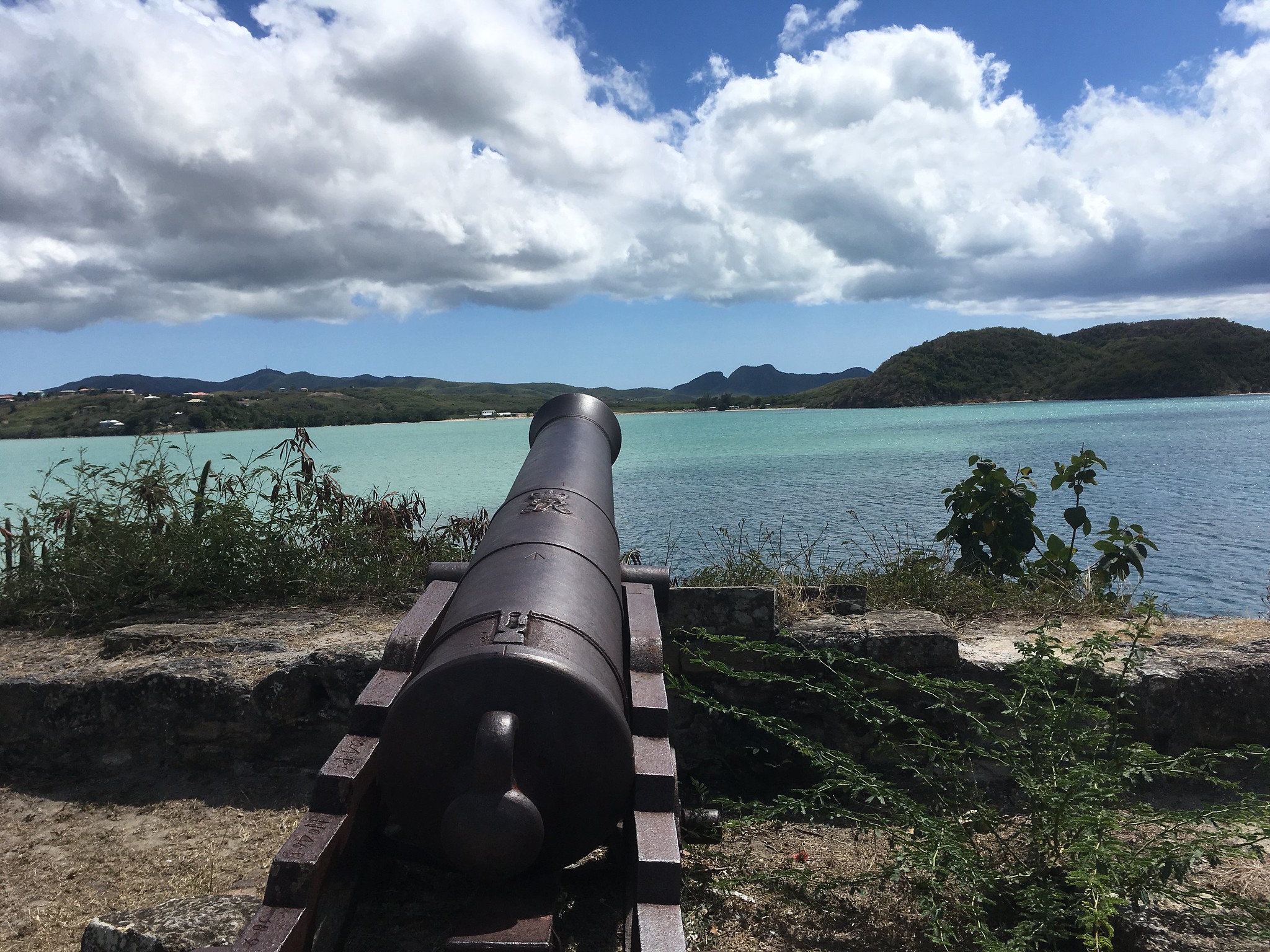
Fort James looking toward harbor entrance, Antigua, Mar 14, 2019
On Thursday we stopped in Antigua and despite my best efforts before the trip to figure out a way over to nearby Barbuda to see the endemic Barbuda Warbler there was just no way to do it in the time we had in port. I will have to make a specific trip down at some point to finally catch up with the bird. We headed to the beach just a short distance from the port and it was near enough to McKinnon’s Salt Ponds for me to make the walk over to it. I spent a good portion of the day walking along the roads and paths between the old fort and the salt ponds and had a nice selection of birds including an unusual for the island Prairie Warbler. I had multiple species either building nests or carrying nest material including White crowned Pigeon, Carib Grackle and Lesser Antillean Bullfinch. Unfortunately some road work around the main part of the pond kept the area closed I was still able to view a portion of the pond and it produced a nice selection of waders and shorebirds.
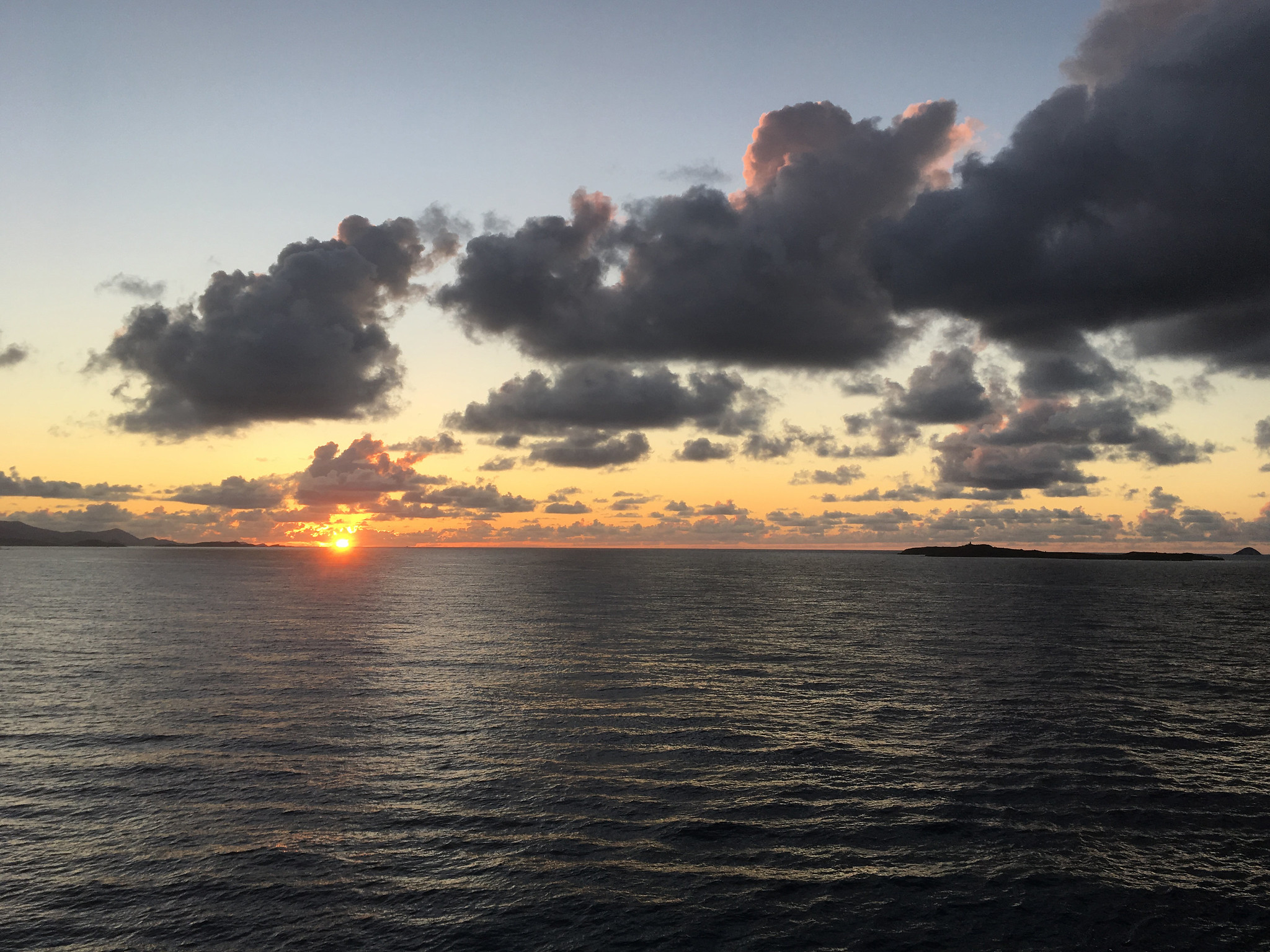
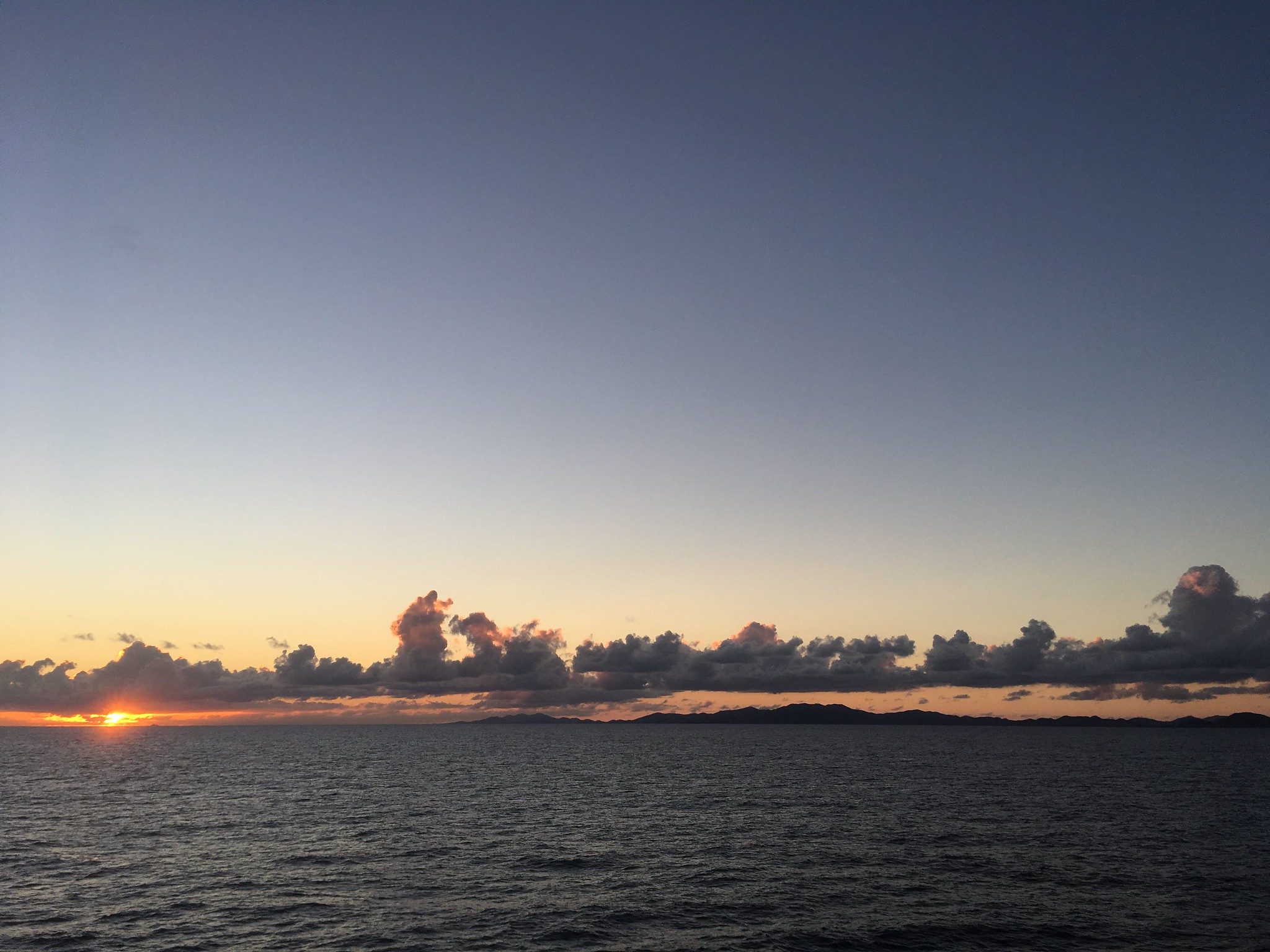
Sunset, offshore St Thomas, USVI, Mar 15, 2019
The next stop was to St Thomas in the US Virgin Islands where we had a tour consisting of another day of snorkeling. Certainly not a birding day but some great snorkeling with tons of tropical fish plus turtles and octopus on our private tour. I did see a few birds along the way but nothing too unusual.
Brown Boobies, Roadtown harbor, Tortola, BVI, Mar 16, 2019
Sunset, offshore Tortola, BVI, Mar 16, 2019
The final stop of the cruise was to Tortola in the British Virgin Islands and we did a kayak tour where we spent three hours out in the sun exploring a mangrove area and a nearby bay. The damage left from the hurricane was quite evident on this island as well but the mangroves seem to be slowly coming back. Not too much for birds but a couple of American Oystercatchers were nice to see in addition to a handful of waders.  We returned to San Juan on Sunday the 17th bright and early and then it was off to the airport for the flight back home.

Overall for the trip I had a total of 63 species with seven of those being life birds (Caribbean Martin, St. Lucia Oriole, St. Lucia Warbler, Gray Trembler, St. Lucia Parrot, St. Lucia Black Finch and Rose ringed Parakeet).

Sunday, August 19, 2018

Loads of Green Herons, the annual eBird checklist update and a nearby Brown Booby


Green Herons, Lake Wallace, Belchertown, MA, Aug 16, 2018
Least Sandpiper, Lower Mill Pond, Easthampton, MA, Aug 16, 2018
Green Herons, Lake Wallace, Belchertown, MA, Aug 19, 2018
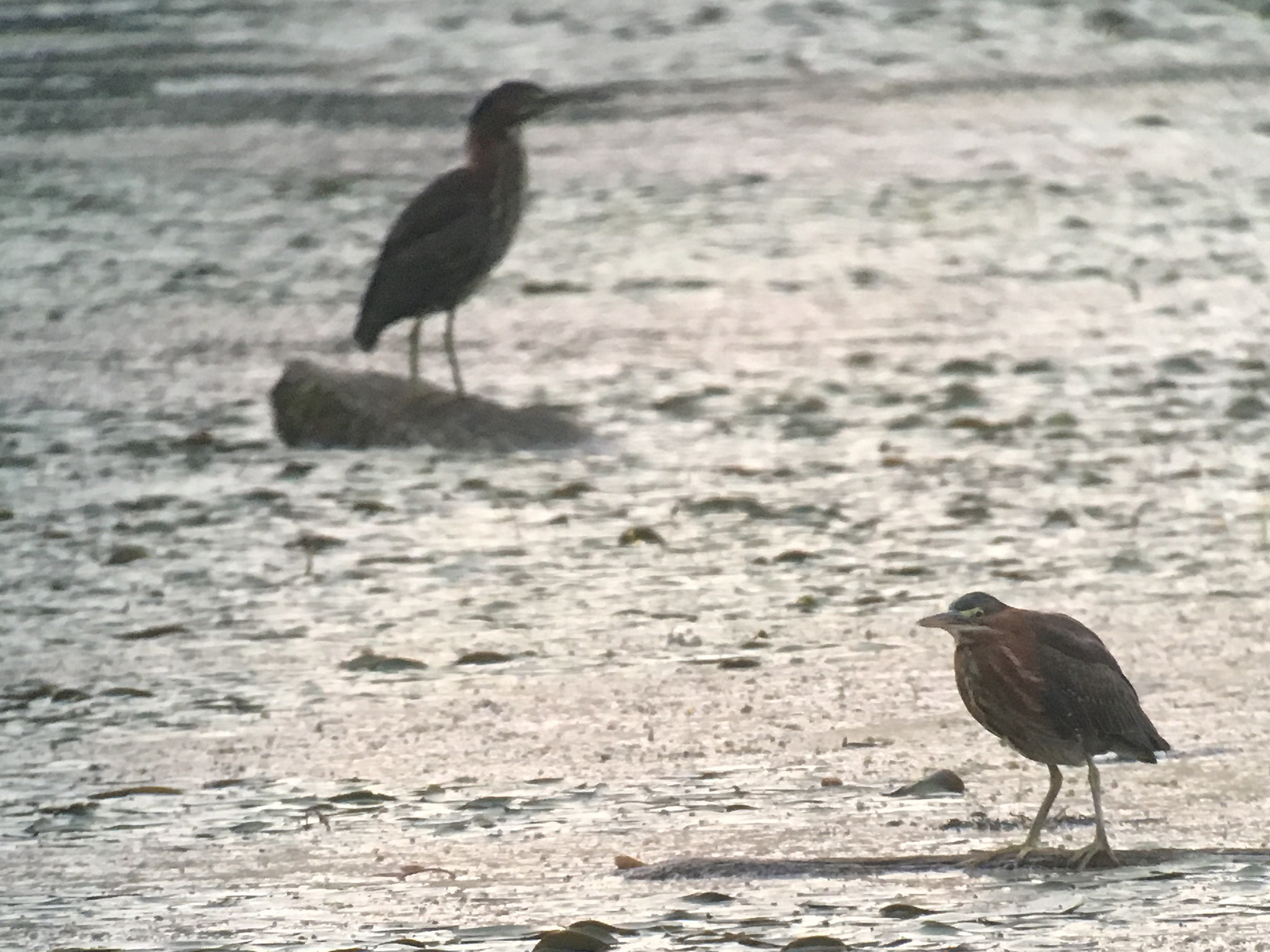
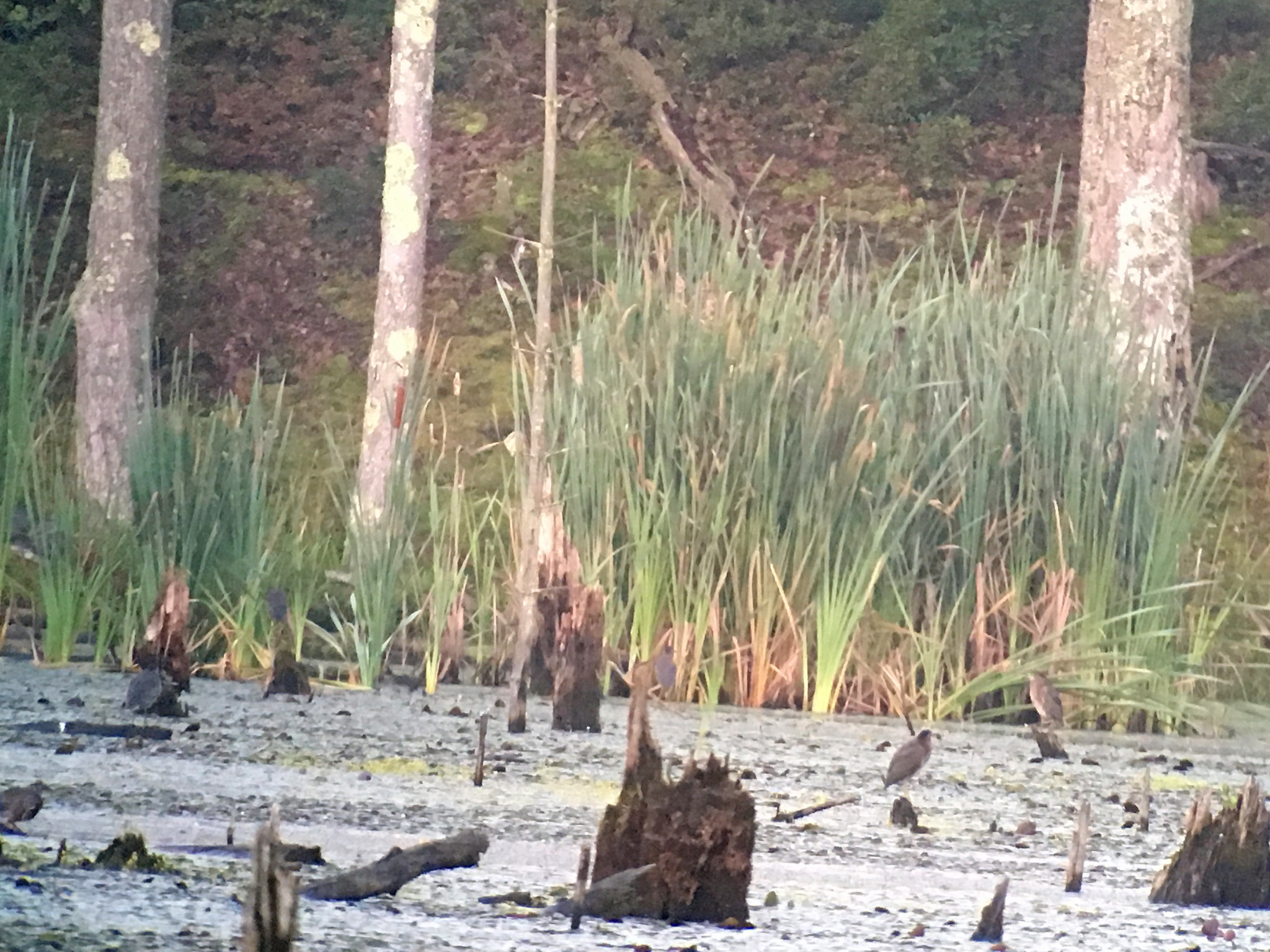
A few days ago I made it to Lake Wallace at first light and got an amazing count of Green Herons as they arrived for the day from a roosting location nearby. I counted at least 37 individuals which is by far the largest count I have ever had of the species at a single location in the county.   I stopped by again this morning but was a little too late to catch them all leaving roost but still managed a very respectful total of 34.  I did not have the Marsh Wren on my last few visits but did still have at least two Virginia Rails calling.  I have been searching with some success for shorebirds the last several days but have not found anything too unusual but I have a few spots that look prime to attract something good.
Andean Duck, Antisana, Ecuador, Nov 23, 2015
The annual update to the eBird list is now complete and the changes have produced a few new species for me through splits and the loss of another through the lumping of Cherrie’s and Passerini’s Tanager back to Scarlet rumped Tanager. The species I gained include Mexican Duck which was split from being a subspecies of Mallard, Andean Duck that was split from Ruddy Duck and Chiriqui Foliage Gleaner that was split from Buff throated Foliage Gleaner. My world total now stands at 1384.
Brown Booby, Marino Ballena NP, Costa Rica, Dec 21, 2012
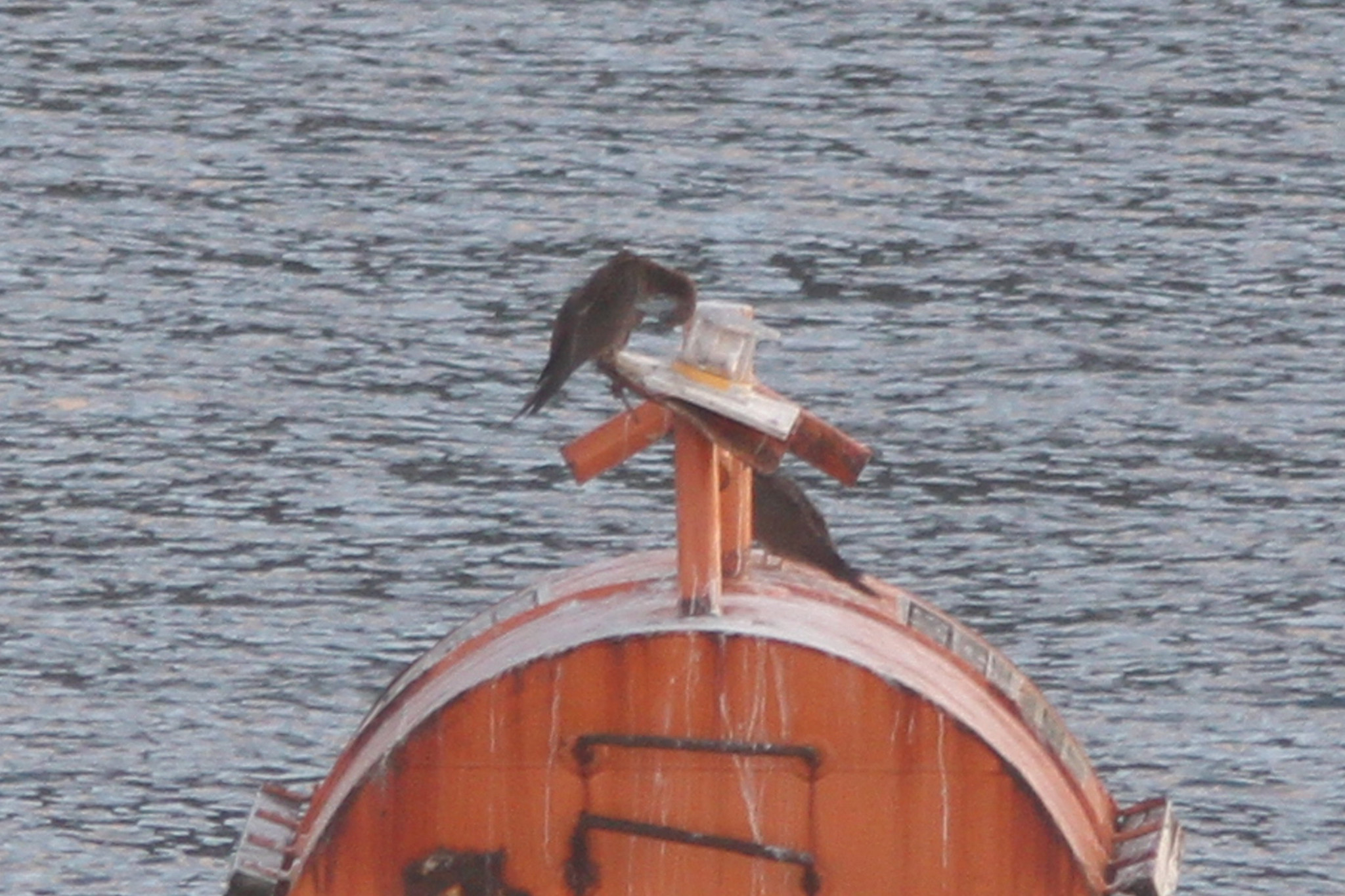
Elsewhere in the local area a Brown Booby showed up at Onota Lake in Pittsfield and was still being seen as of today. This is only the second inland record ever in the state (and the first one that has stayed around for multiple people to see). This species should be way south of here in the tropics and over the ocean but there has been an increase the last several years of birds wandering north and occasionally being found inland. I have seen the species multiple times in the tropics but never up north.

Tuesday, January 15, 2013

Marino Ballena National Park, Costa Rica -Dec 21


Brown Booby, Marino Ballena National Park, Dec 21, 2012
Royal Tern with leg band, Marino Ballena National Park, Dec 21, 2012
Magnificent Frigatebird scratching an itch, Marino Ballena National Park, Dec 21, 2012
Brown Booby, Marino Ballena National Park, Dec 21, 2012
On December 21st  we took a whale/dolphin tour out of Uvita to Marino Ballena National Park.  Although the number of total species was low it was neat to see close up views of Brown Boobies as well as a number of Magnificent Frigatebirds.  Although we saw no whales we got spectacular close up looks at a number of Tropical White sided Dolphins.  There were also a number of terns and gulls including a Royal Tern with a leg band.  I didn't notice the band until I looked at the photos.  Unfortunately I cannot read the numbers.  It would have been very interesting to see where the bird was banded and when..oh well.