Showing posts with label western sandpiper. Show all posts

Sunday, December 12, 2021

Baja California Sur trip -December 1-4

Belding's Yellowthroat, Estero San Jose, San Jose del Cabo, Baja California Sur, Mexico, Dec 2, 2021
Estero San Jose, San Jose del Cabo, Baja California Sur, Mexico, Dec 2, 2021

Hot on the heels of a trip to Ecuador I was once again headed south with the destination this time being the southern end of Baja California Sur in Mexico. The main reason for making this trip was to catch up with another warbler, the range restricted Belding’s Yellowthroat that only occurs in a few areas in the southern end of Baja. This would be a short solo trip without hiring a guide. It was a long day of traveling to make it down with an early flight out of Hartford, a connection in Dallas/Fort Worth and an arrival in mid afternoon into Los Cabos Airport. The next few hours was spent waiting to get my rental car, driving down to my lodging and picking up supplies for the trip. By the time I accomplished everything it was getting late and I still needed dinner so any thoughts of birding before sundown were quickly dashed.  More details on the warblers for the trip can be found at the following link.
Belding's Yellowthroat, Estero San Jose, San Jose del Cabo, Baja California Sur, Mexico, Dec 2, 2021
Palm Warbler 'western', Estero San Jose, San Jose del Cabo, Baja California Sur, Mexico, Dec 2, 2021
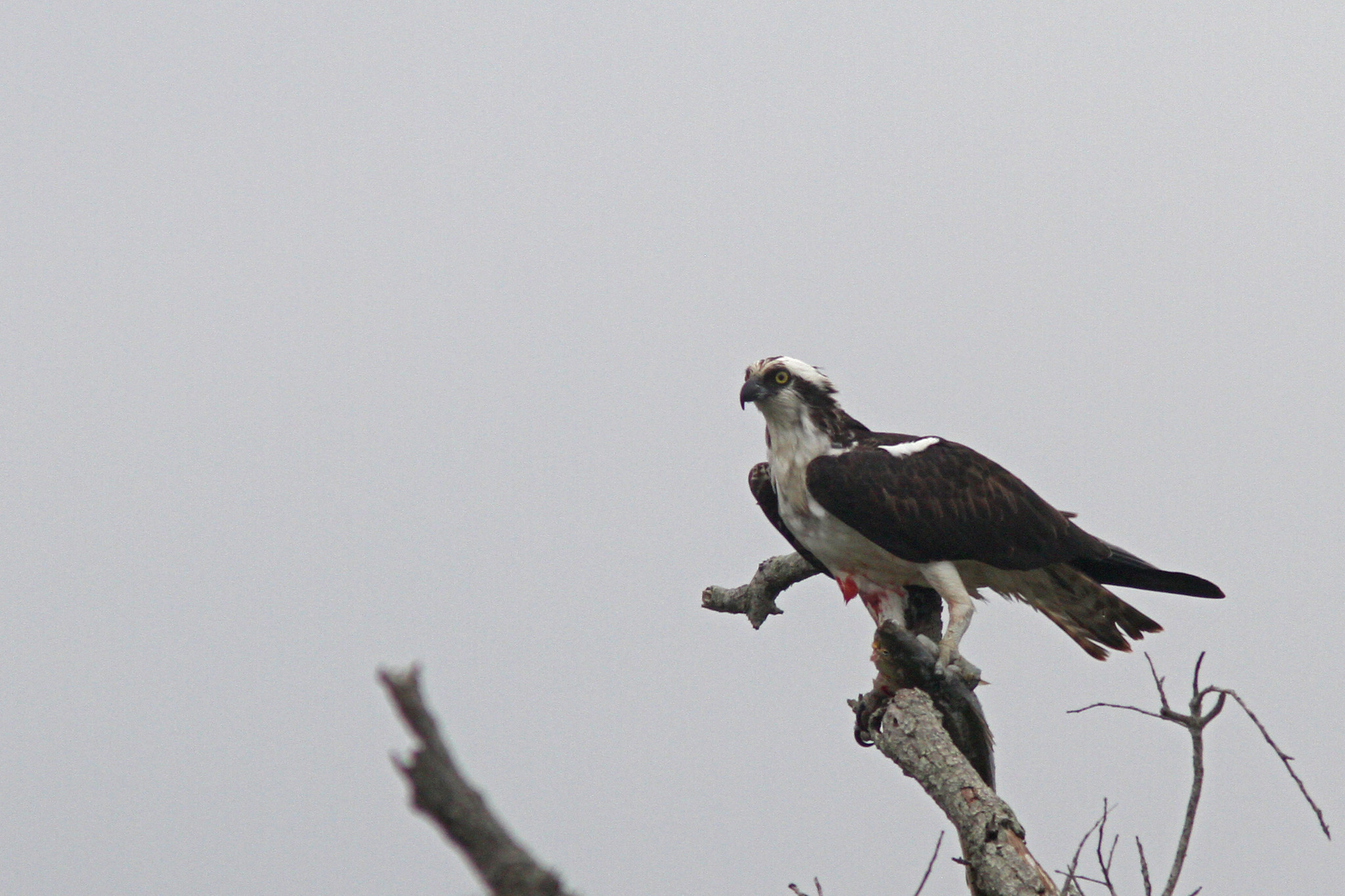
Osprey, Estero San Jose, San Jose del Cabo, Baja California Sur, Mexico, Dec 2, 2021
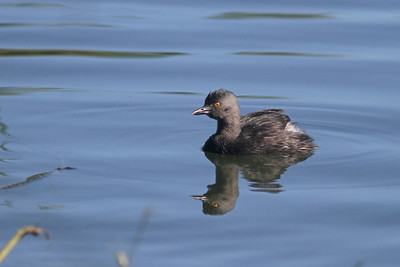
Least Grebe, Estero San Jose, San Jose del Cabo, Baja California Sur, Mexico, Dec 2, 2021
Verdin, Estero San Jose, San Jose del Cabo, Baja California Sur, Mexico, Dec 2, 2021
White faced Ibis, Estero San Jose, San Jose del Cabo, Baja California Sur, Mexico, Dec 2, 2021
Sunrise at beach, Estero San Jose, San Jose del Cabo, Baja California Sur, Mexico, Dec 2, 2021

On Thursday I had my first full day to explore the Estero San Jose and I was out well before sunrise. I arrived to find the beginning of the trail flooded out and not accessible. Once it got light enough to see I was able to weave my way along a wall and fence around the old Holiday Inn to make it out to the sand spit at the end of the estero. I could hear a number of yellowthroats and other warblers in the reedy marsh but wanted to wait until it was light enough to see well before checking them out. There were a number of shorebirds along the beach with Western Sandpiper being the most numerous. The estero also featured a decent assortment of waders and waterfowl. After the sun came up I spent time checking out the warblers in the area and found a couple Belding’s Yellowthroat among the more numerous Common Yellowthroats and abundant Orange crowned Warblers. I also had at least three Palm Warblers which showed up as unusual in eBird. Among the other passerines were Cactus Wrens in marsh and the local subspecies of House Finch that are much more red overall almost looking like a Purple Finch. I spent about two and a half hours exploring the very end of the estero before trying to figure out a way to check out the trails upstream of the flooded section. As I walked along the roadside I turned up a few new species for the trip. Eventually I made it up to a bridge that crosses the estero and found the upstream portion of the trail. I almost immediately had a somewhat cooperative Belding’s Yellowthroat in the area that showed much better then the ones I had earlier in the morning. After seeing the yellowthroat I ran into the first birder for the trip and oddly enough he ended up being a guy that just recently moved to western mass and now lives in Amherst…he said he was hoping to run across me at some point but did not think it would be in Mexico! I then spent the next hot hour and a half walking south along the estero and turned up a number of species including another lifer for me with a sighting of a California Gnatcatcher. I finally made it back to my lodging a bit after noon, hungry and very sweaty. After a quick lunch and cool down period I made a walk to pick up more water and on my way back came across the third lifer for the day with a female Cinnamon rumped Seedeater in a small weedy field near my lodging location. I also added a fourth new bird as I was bringing recyclables over to a bin when I had a brief look at a Xantus’s Hummingbird. I finished the day late in the early evening with a walk to where the estero joins the Pacific to watch birds come into roost as well as see the dozens of Lesser Nighthawks feeding over the estero. Overall a very productive day with 84 species. 
Xantus's Hummingbird, Estero San Jose, San Jose del Cabo, Baja California Sur, Mexico, Dec 3, 2021
Hooded Oriole, Estero San Jose, San Jose del Cabo, Baja California Sur, Mexico, Dec 3, 2021
Great Egret, Estero San Jose, San Jose del Cabo, Baja California Sur, Mexico, Dec 3, 2021
Western Tanager, Estero San Jose, San Jose del Cabo, Baja California Sur, Mexico, Dec 3, 2021
Pyrrhuloxia, Estero San Jose, San Jose del Cabo, Baja California Sur, Mexico, Dec 3, 2021
Scott's Oriole, Estero San Jose, San Jose del Cabo, Baja California Sur, Mexico, Dec 3, 2021
Pacific slope Flycatcher, Estero San Jose, San Jose del Cabo, Baja California Sur, Mexico, Dec 3, 2021
Sunrise, Estero San Jose, San Jose del Cabo, Baja California Sur, Mexico, Dec 3, 2021
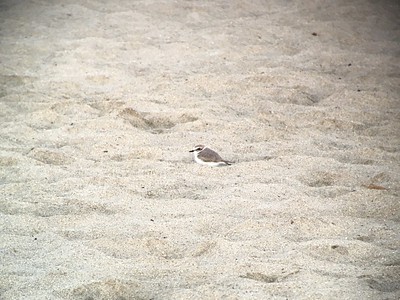
Snowy Plover, Estero San Jose, San Jose del Cabo, Baja California Sur, Mexico, Dec 3, 2021
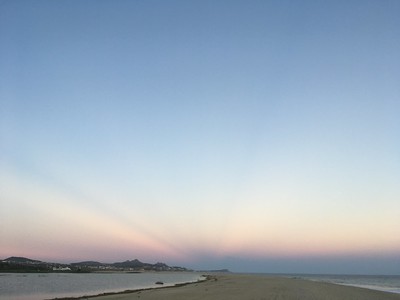
Sunset, Estero San Jose, San Jose del Cabo, Baja California Sur, Mexico, Dec 3, 2021

I decided to start my second full day by hitting the northerly section of the trail along the estero early. I covered the area fairly well over the course of about three hours before I had to head back to get a Covid test before my flight. Among the 65 species I had during this stop the highlights included much better looks at Xantus’s Hummingbirds, loads of waterfowl and waders, a fantastic look at a Pacific slope Flycatcher, eight species of warbler including an unusual for the area American Redstart and a number of other new species for the trip. I tried to find access points even further north but didn’t have any luck. Once the test was complete I went back again to the estero but as it was late morning the activity was down a bit and it was damn hot. Nonetheless I still had some good stuff with the big highlight being another lifer with a frustratingly brief look at the endemic Gray Thrasher. After another hour and a half in the midday heat I headed for home base to get something to eat and cool down a bit. After a few hours of recovery I made it back to the mouth of the estero to take in another fantastic sunset and watch birds heading to roost and the nighthawks beginning to feed. A very respectable 85 species for the day. 

Dawn, Estero San Jose, San Jose del Cabo, Baja California Sur, Mexico, Dec 4, 2021
Belding's Yellowthroat, Estero San Jose, San Jose del Cabo, Baja California Sur, Mexico, Dec 4, 2021
Verdin, Estero San Jose, San Jose del Cabo, Baja California Sur, Mexico, Dec 4, 2021
Ruddy Ground Dove, Estero San Jose, San Jose del Cabo, Baja California Sur, Mexico, Dec 4, 2021
Costa's Hummingbird, Estero San Jose, San Jose del Cabo, Baja California Sur, Mexico, Dec 4, 2021
Eared Grebe, Estero San Jose, San Jose del Cabo, Baja California Sur, Mexico, Dec 4, 2021
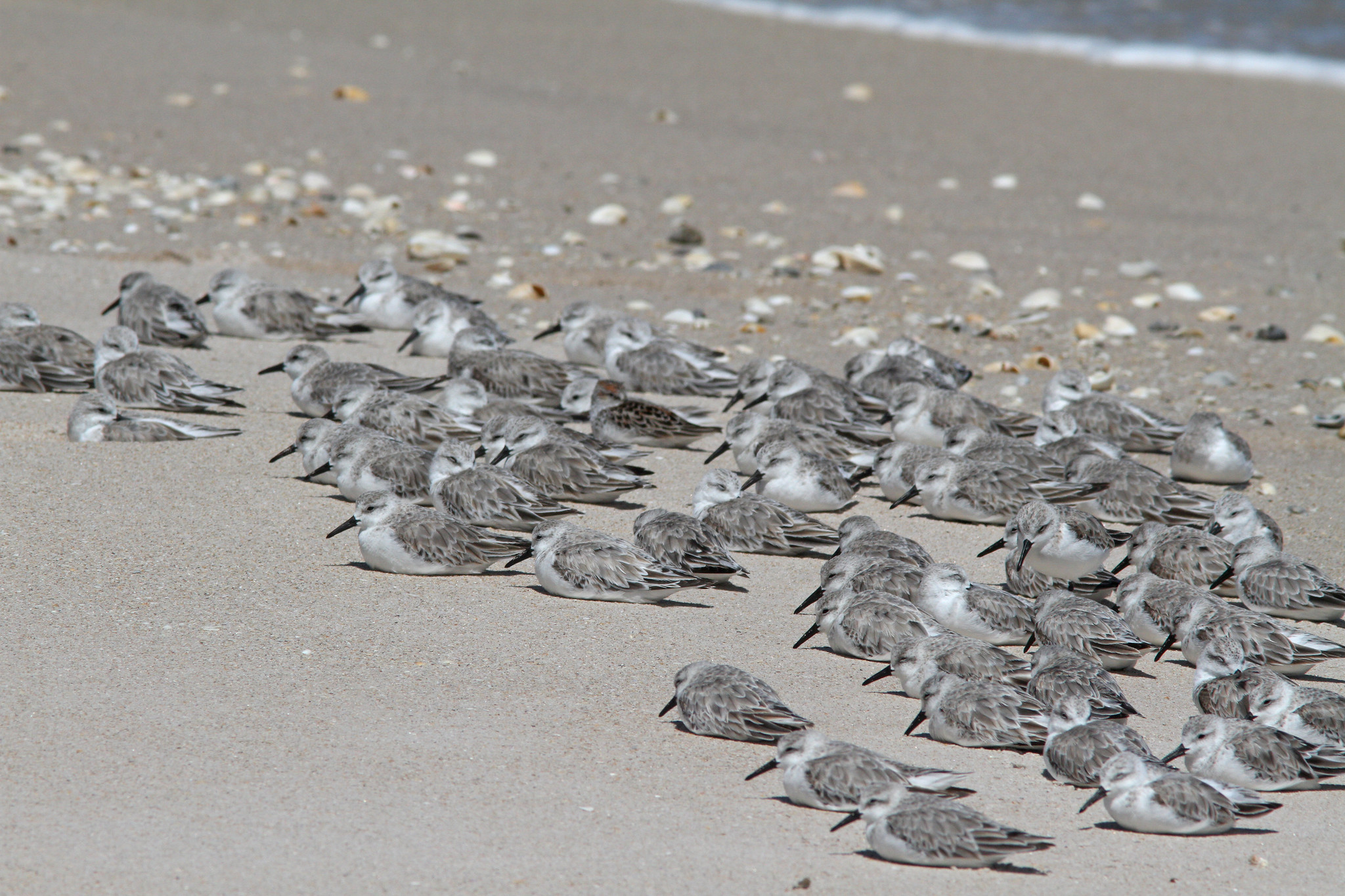
Western Sandpiper, Estero San Jose, San Jose del Cabo, Baja California Sur, Mexico, Dec 4, 2021
Semipalmated Plover, Estero San Jose, San Jose del Cabo, Baja California Sur, Mexico, Dec 4, 2021
White Pelican, Estero San Jose, San Jose del Cabo, Baja California Sur, Mexico, Dec 4, 2021
Looking north from the ocean into the estero, Estero San Jose, San Jose del Cabo, Baja California Sur, Mexico, Dec 4, 2021

On my final day in Mexico I spent most of the morning at the estero once again with a start before dawn and ending late in the morning on yet another clear, warm day. I covered the entire area from the bridge downstream to the ocean including a walk out onto the sand spit separating the ocean from the fresh water. My main reward for a long walk on the sand was a flyby Yellow footed Gull (plus another juvenile that I could not determine if it was a Western Gull or another Yellow footed Gull). The gull became the last life bird of the trip. A word of caution to anyone visiting the area. There were a few suspicious characters that I encountered that were a bit forceful asking for money and a couple seemed very interested in cars parked in a somewhat secluded area. I parked in a more public area and walked in and had no issues. 

I took an early evening flight out headed to Florida with a stopover for the night in Dallas/Fort Worth. 

Totals for the trip came to 113 species with seven of those being life birds. This brings my total up to 1664. I managed to add 57 species to my Mexico list bringing that total to 293.  Overall a very productive quick getaway with all my targets seen including the yellowthroat.  More on warblers for the trip at the following link.

Saturday, March 24, 2018

Florida trip to the Melbourne area from March 17-22


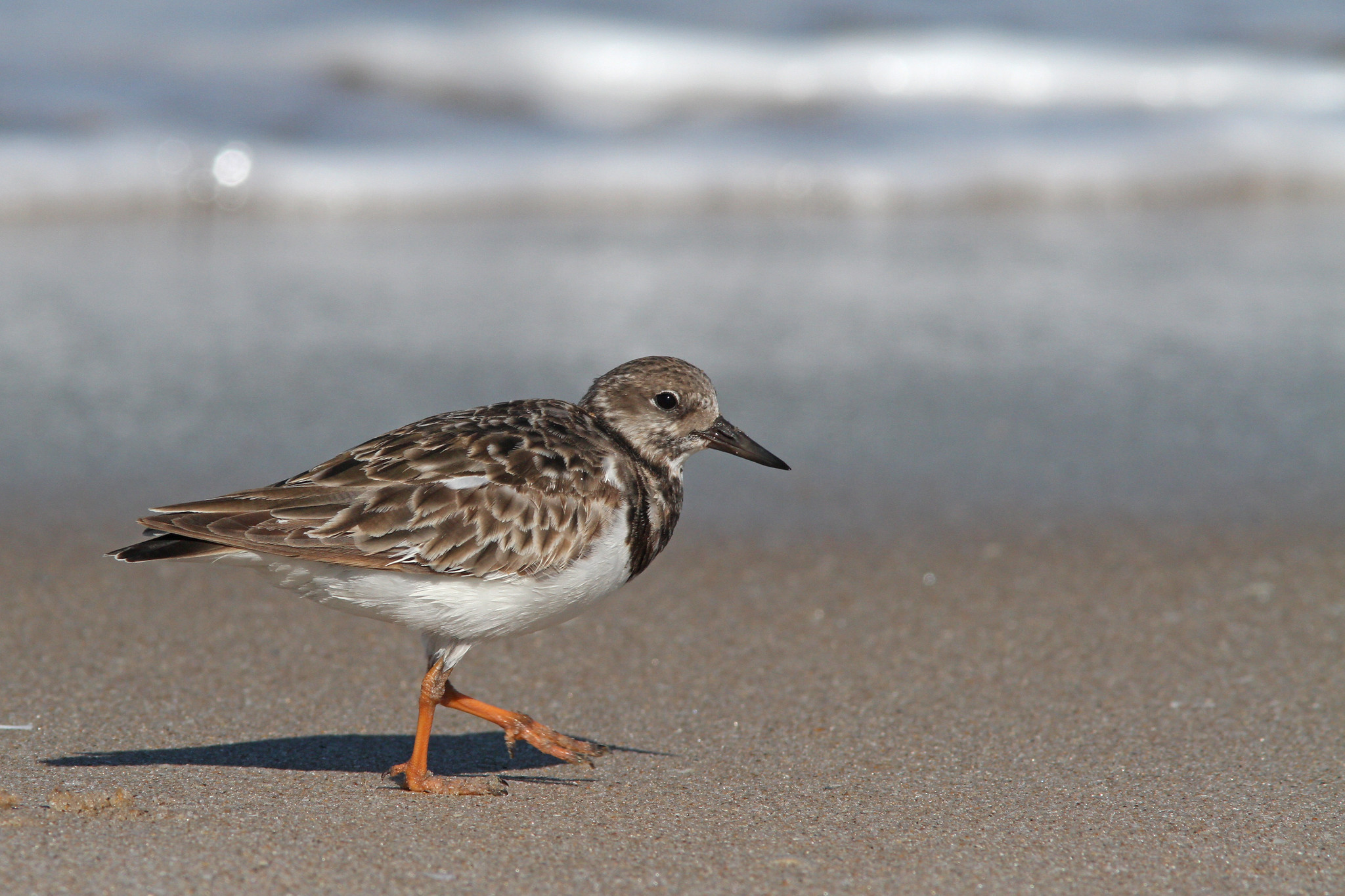
Ruddy Turnstone, Melbourne Beach, FL, Mar 17, 2018
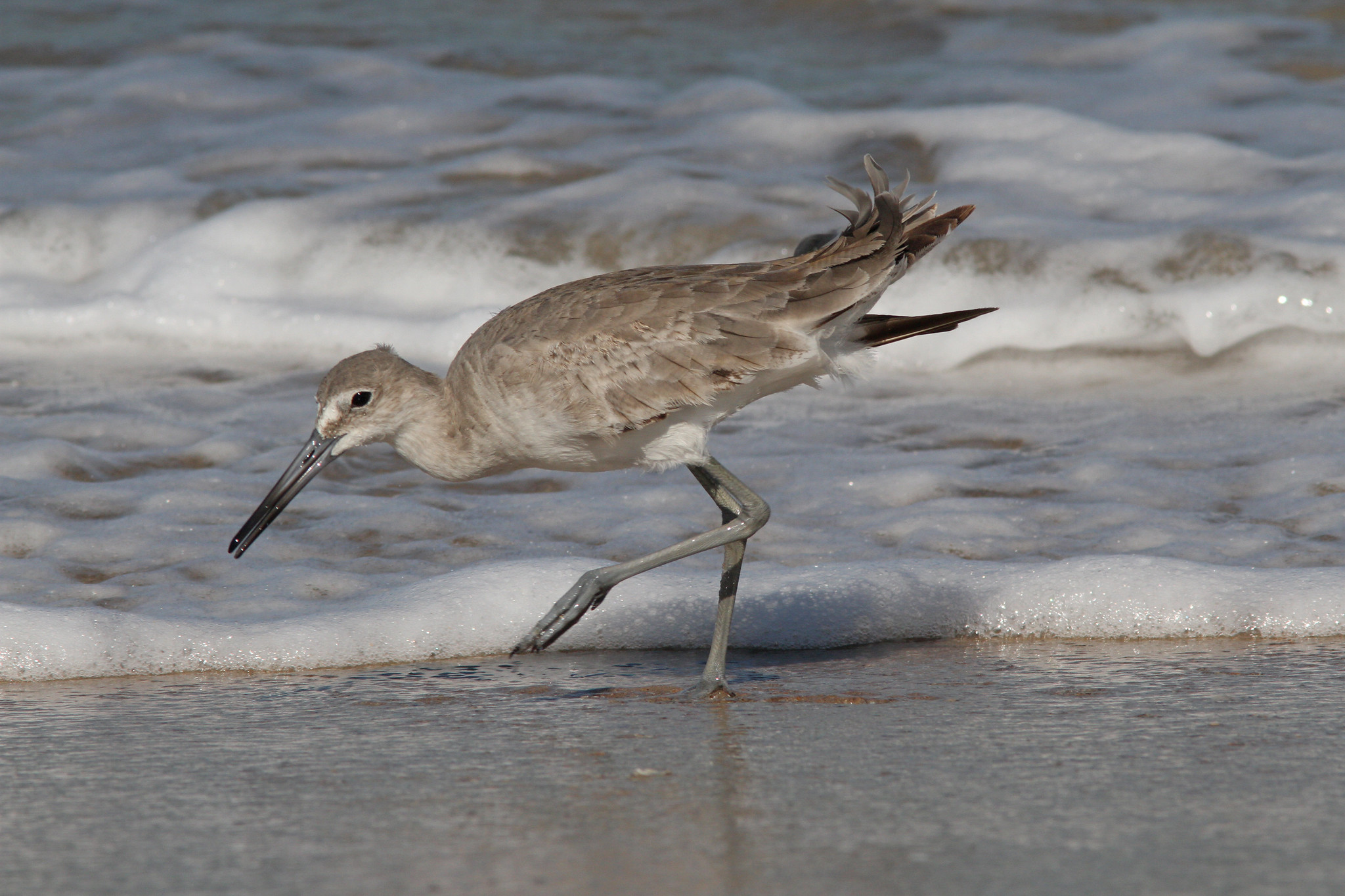
Willet, Melbourne Beach, FL, Mar 17, 2018
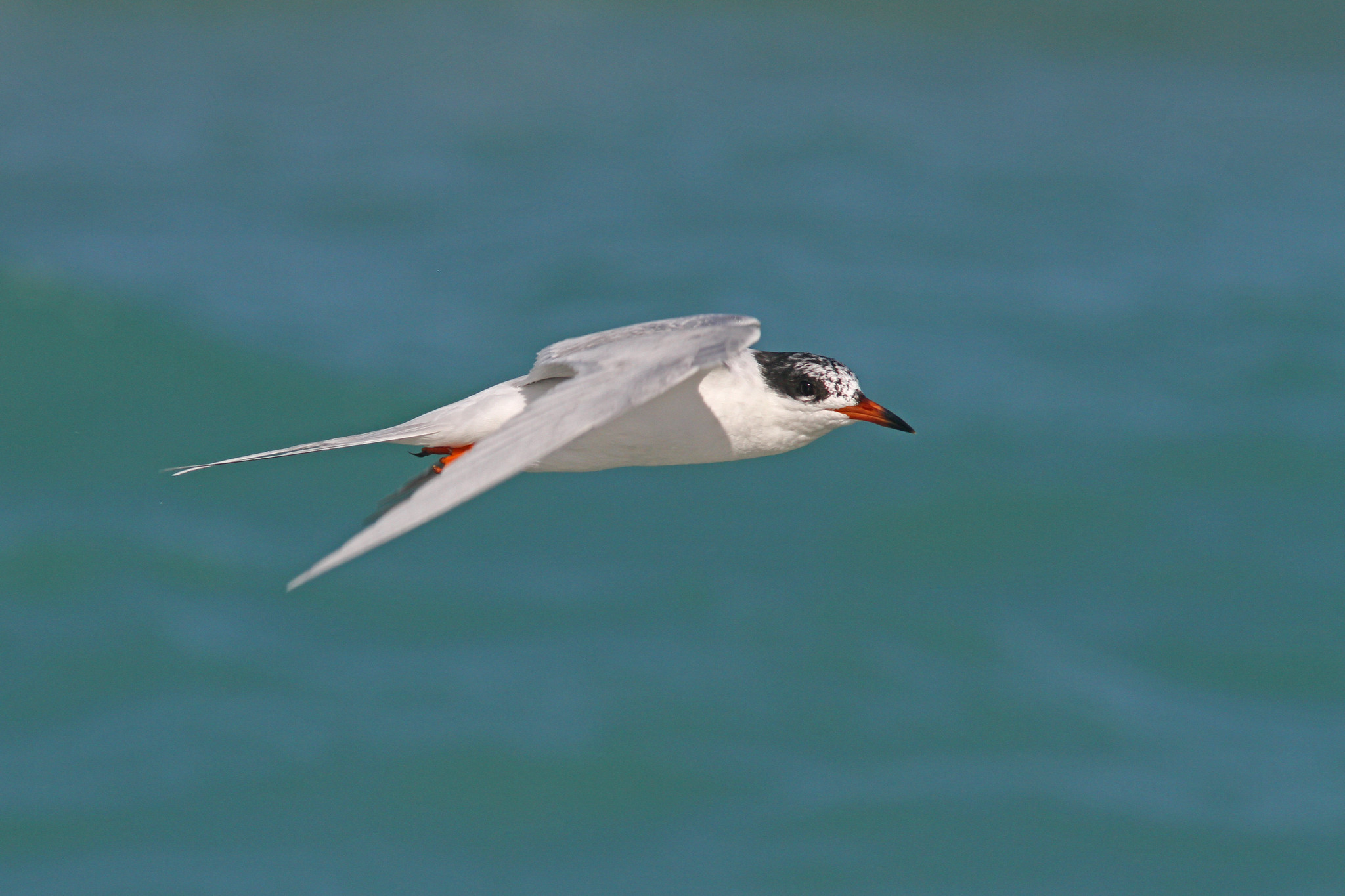
Forester's Tern, Melbourne Beach, FL, Mar 17, 2018
Sanderling with injured right leg, Melbourne Beach, FL, Mar 17, 2018
Brown Pelican, Melbourne Beach, FL, Mar 17, 2018
We made a trip down to Florida for a few days leaving on Saturday the 17th and returning on Thursday the 22nd. We flew into Orlando midday and then made the drive east to the coast in the area of Melbourne Beach. We arrived mid afternoon and stayed around our lodging which produced some close looks at some common shorebirds as well as a few other species.
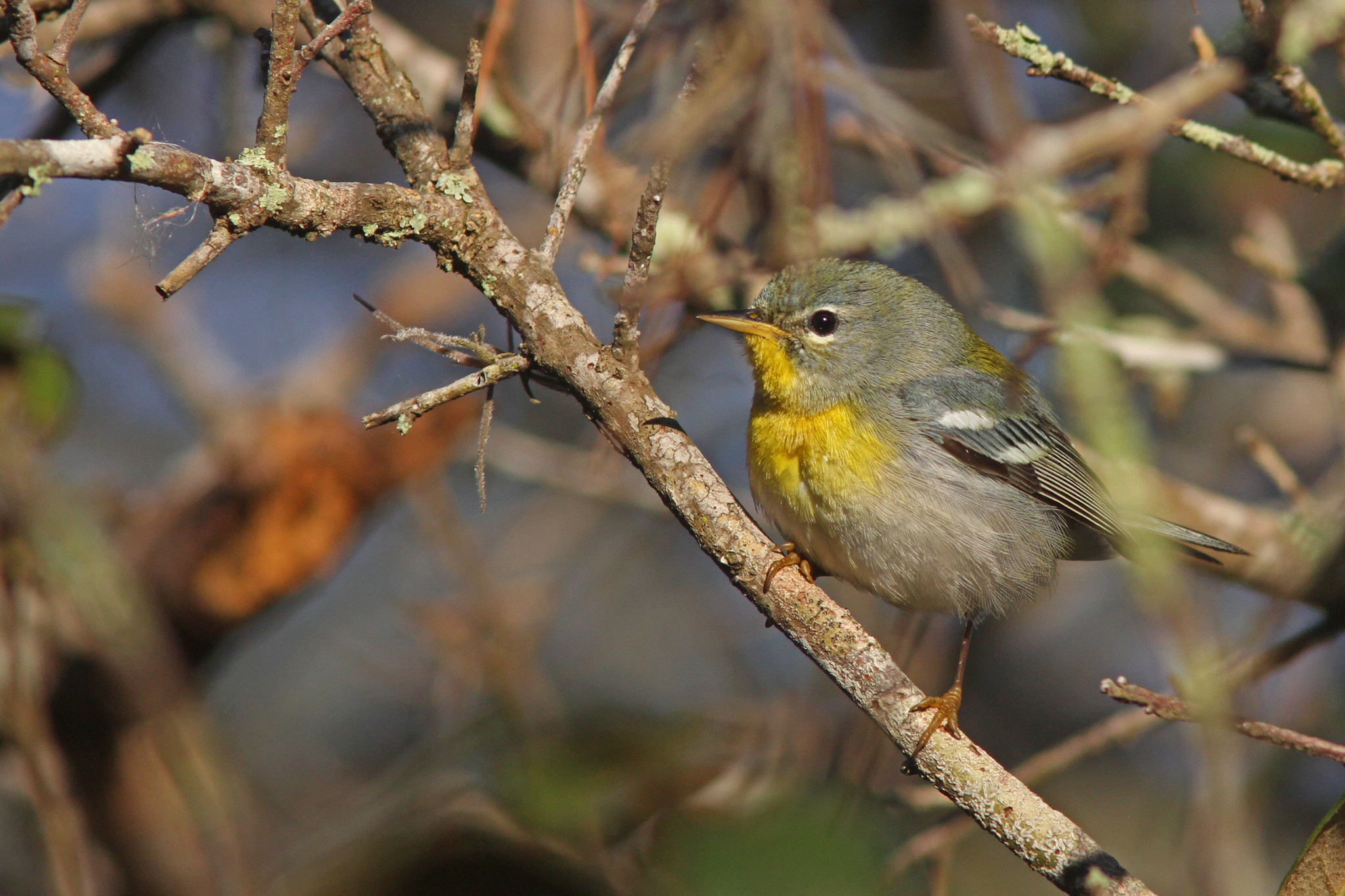
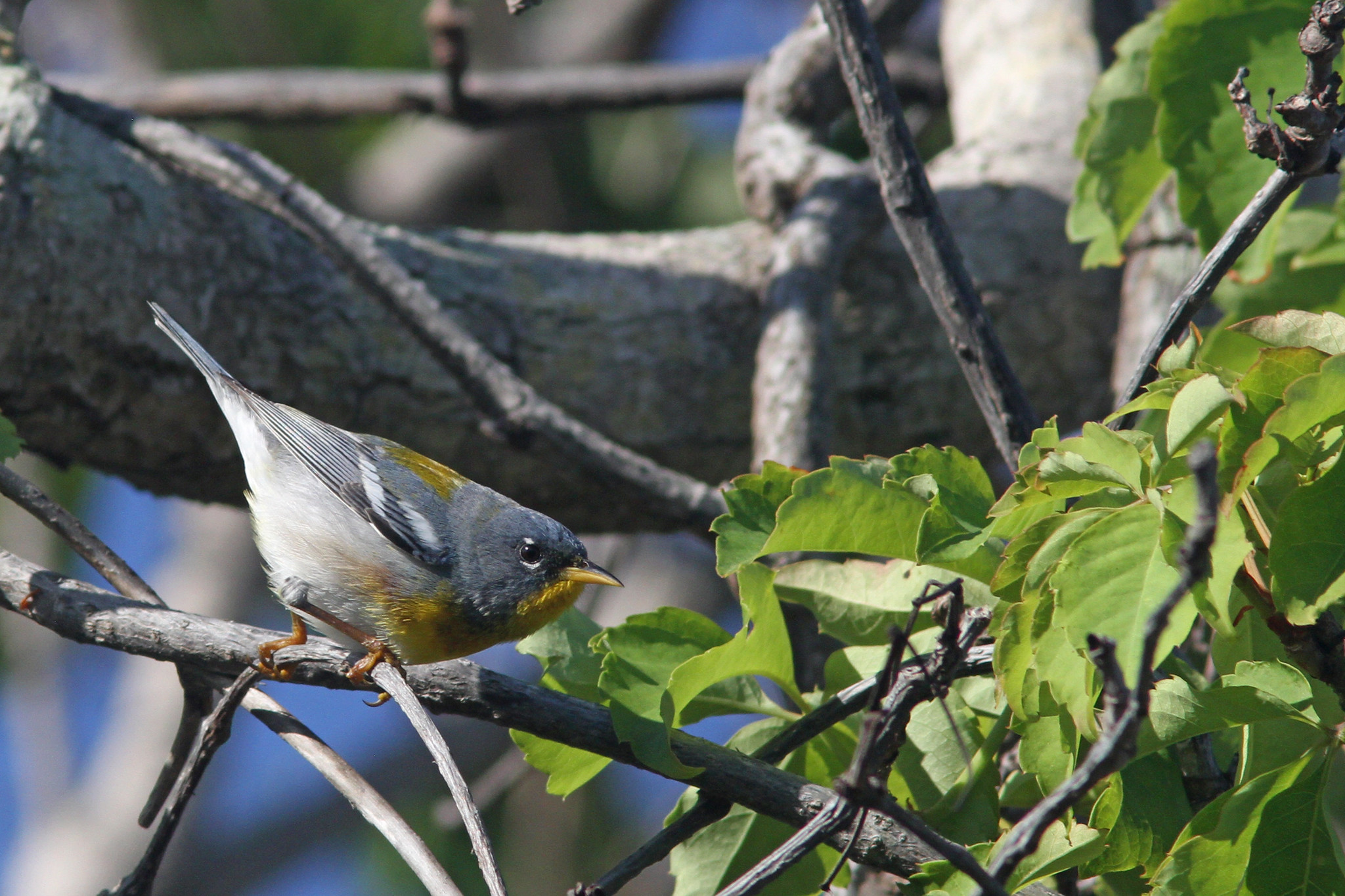
Northern Parula, Turkey Creek Sanctuary, FL, Mar 18, 2018
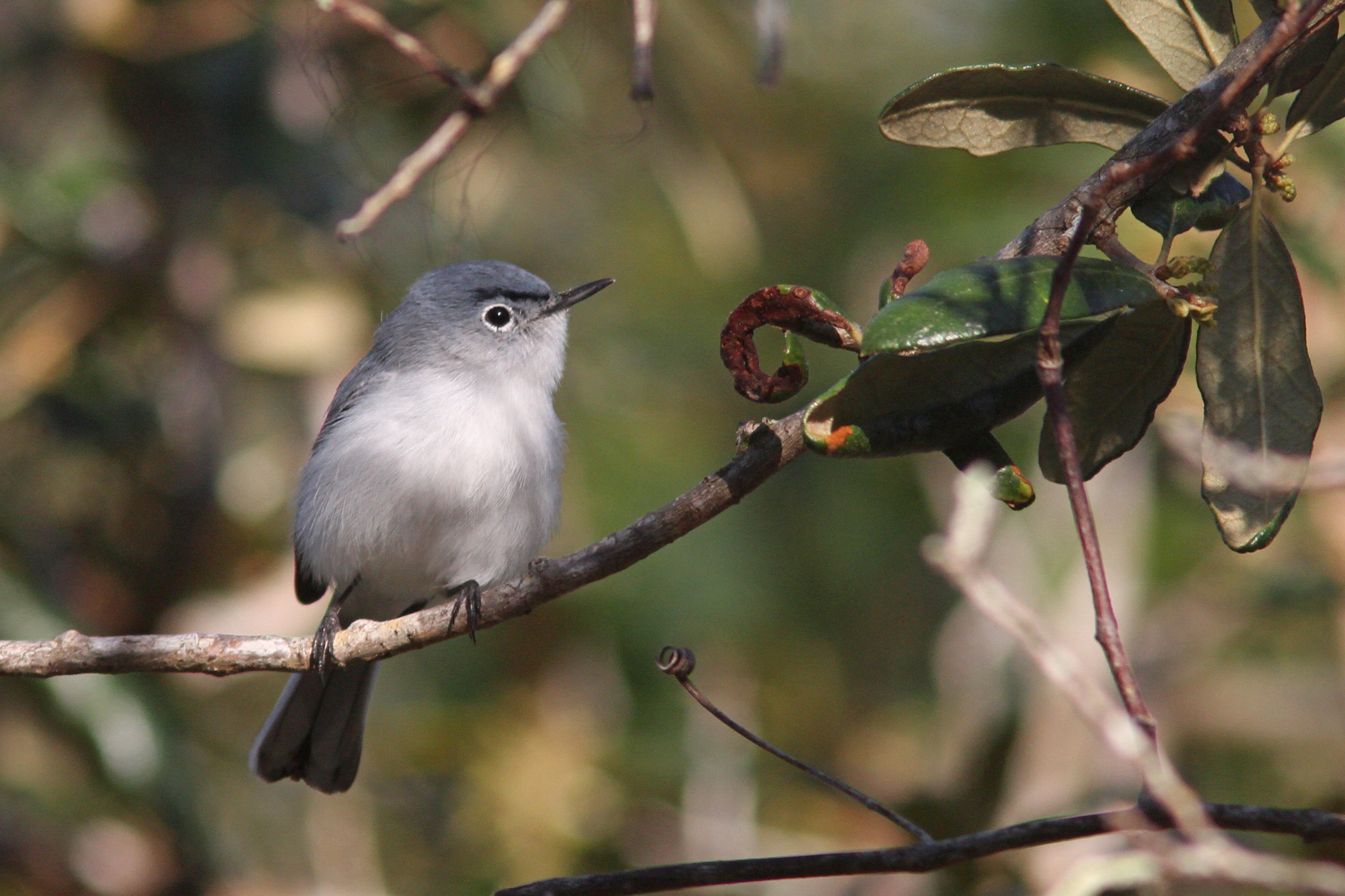
Blue gray Gnatcatcher, Turkey Creek Sanctuary, FL, Mar 18, 2018
Pine Warbler, St Sebastian River Preserve SP, FL, Mar 18, 2018
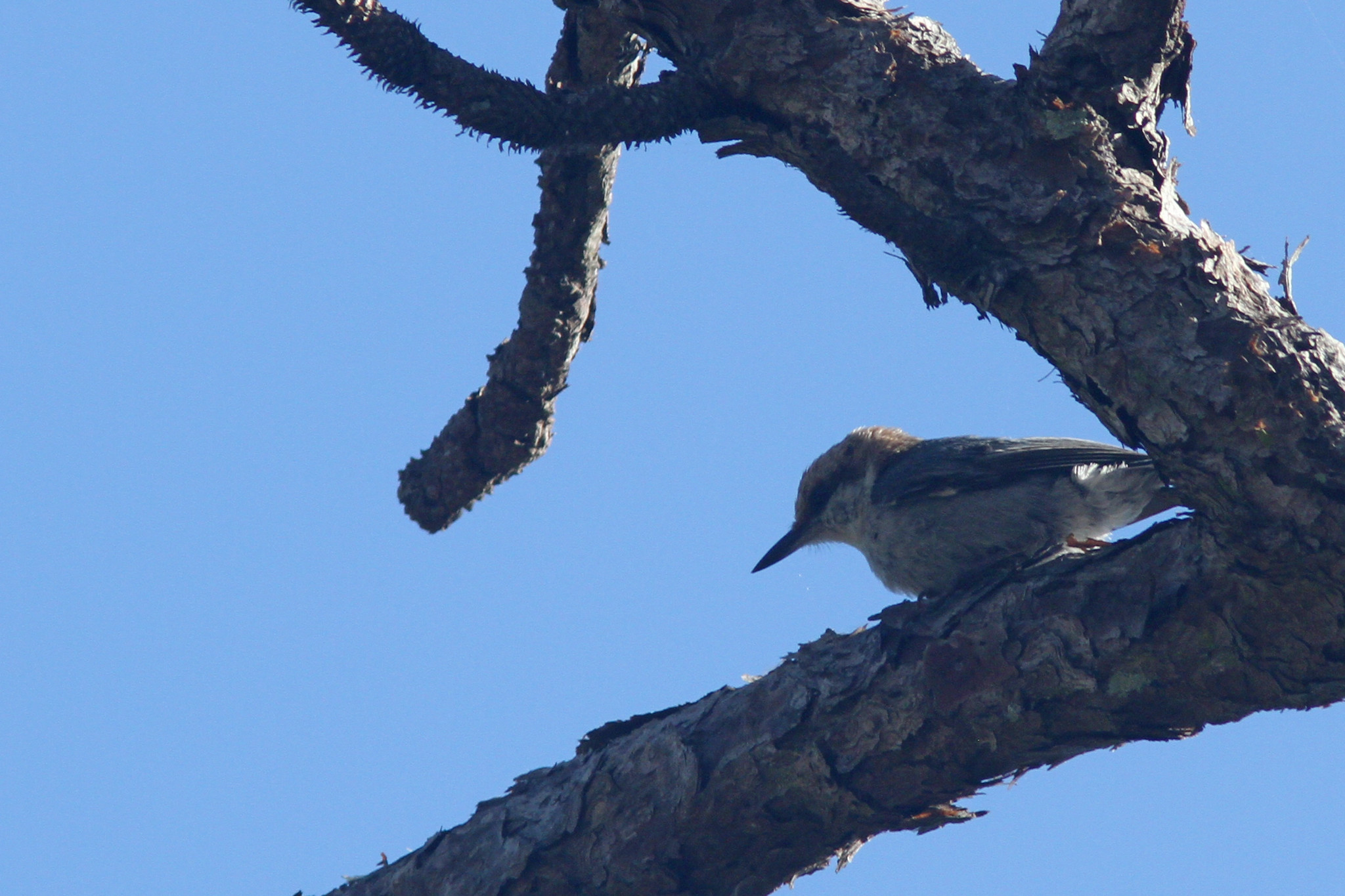
Brown headed Nuthatch, St Sebastian River Preserve SP, FL, Mar 18, 2018
On Sunday I headed out before dawn to go to Turkey Creek Sanctuary. I arrived before first light and was rewarded with a couple Eastern Whip Poor Wills calling. Once it got light enough to see I headed out on the numerous trails there primarily looking for some early migrants, especially warblers. The location is well known for attracting warblers (with at least 35 species seen, but usually a little later in the spring or in the fall). There was definitely some migrants moving through with the most numerous species being Northern Parula, with at least 33 individuals around including several singing. A total of seven warbler species in just a couple of hours was really just the tip of the iceberg of migrants starting to move north. Other notables around included a calling Barred Owl, several each of White eyed and Blue Headed Vireo, lots of gnatcatchers and a Painted Bunting. I could have stayed there longer but wanted to check out another new area for me at the St Sebastian River Preserve SP. The park is quite large but I concentrated on just a few spots primarily looking for Red cockaded Woodpecker and Florida Scrub Jay as well as other pine land species including Bachman's Sparrow and Brown headed Nuthatch. I found all of the species mentioned except for the scrub jays.  After a break for lunch at our lodging I made the ten minute trip south to Pelican Island NWR (the first NWR in the US, created in 1903 by Theodore Roosevelt). Due to the heat and lack of shade in the early afternoon I kept my visit relatively brief but still turned up some good stuff. A sunny and warm day overall with temperatures topping out in the mid 80's.
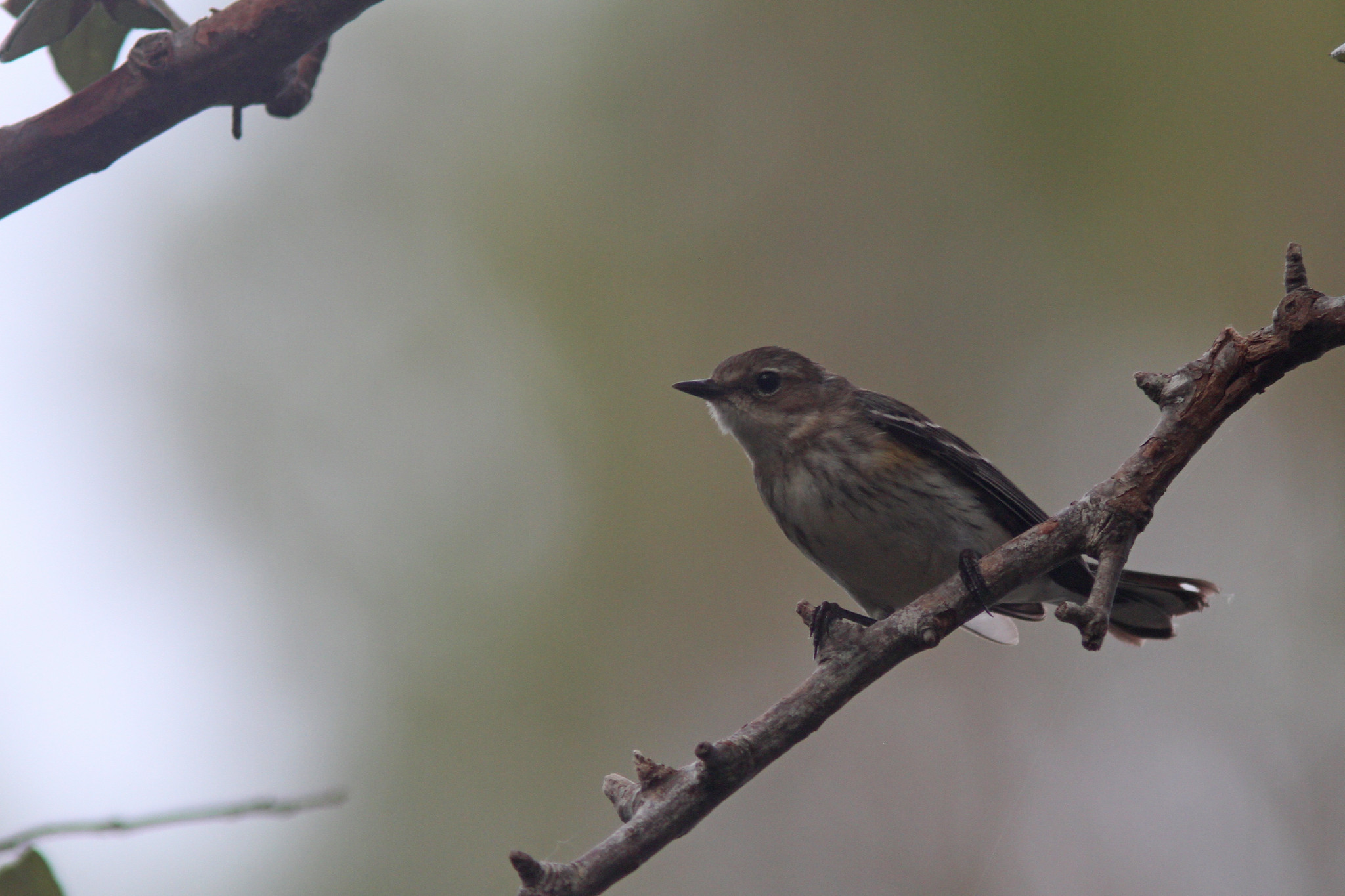
Yellow rumped Warbler 'myrtle', Turkey Creek Sanctuary, FL, Mar 19, 2018
I had plans on Monday to hit a few new areas a bit further away but I unfortunately a sore throat I had the night before got worse by the morning. I decided to return to Turkey Creek Sanctuary before stopping by the drug store to pick up meds. The area was productive once again but there was certainly a turn over of some species with much reduced numbers of Northern Parula and Blue headed Vireos.
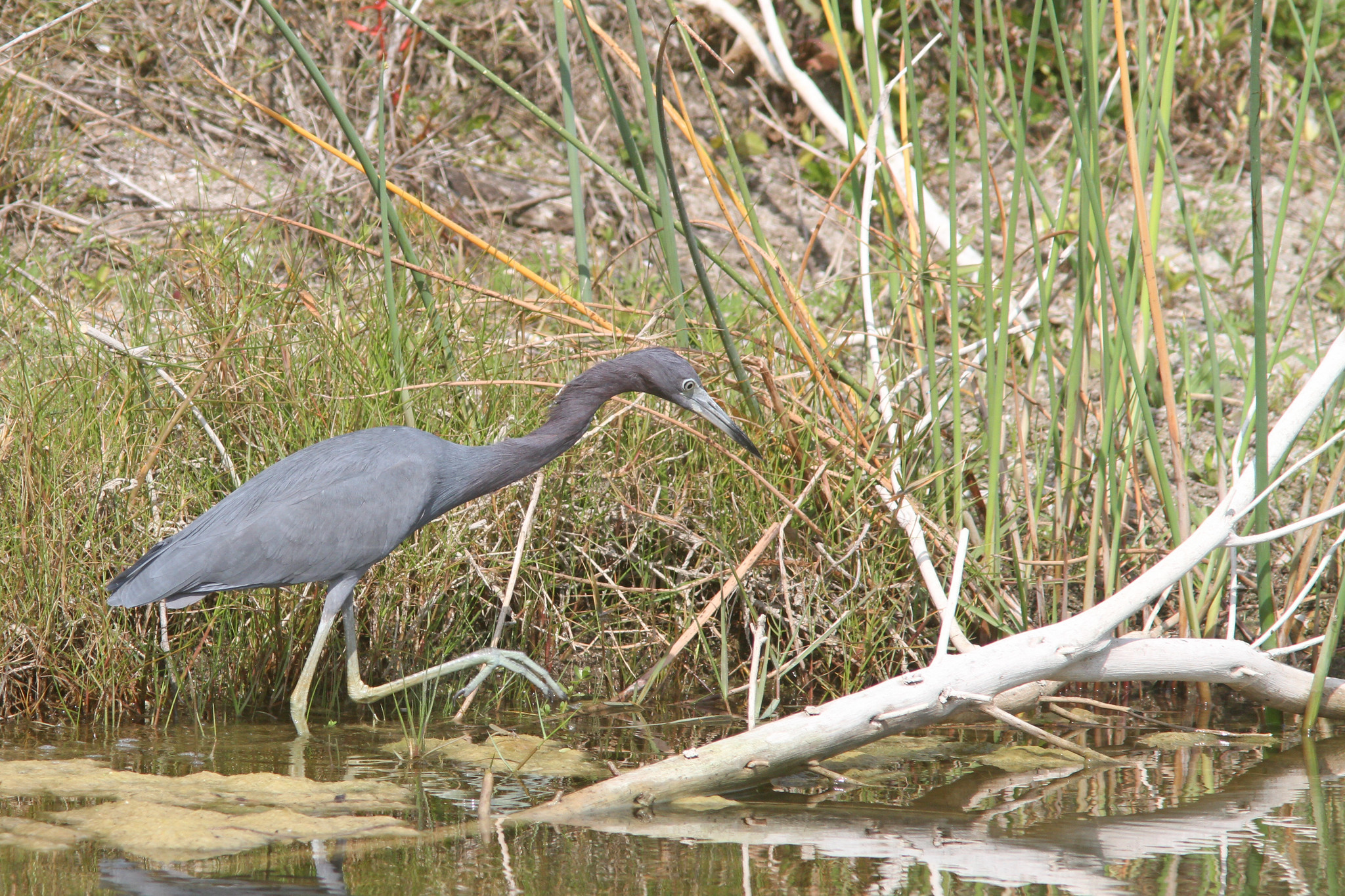
Little Blue Heron, Maritime Hammock Sanctuary, FL, Mar 19, 2018
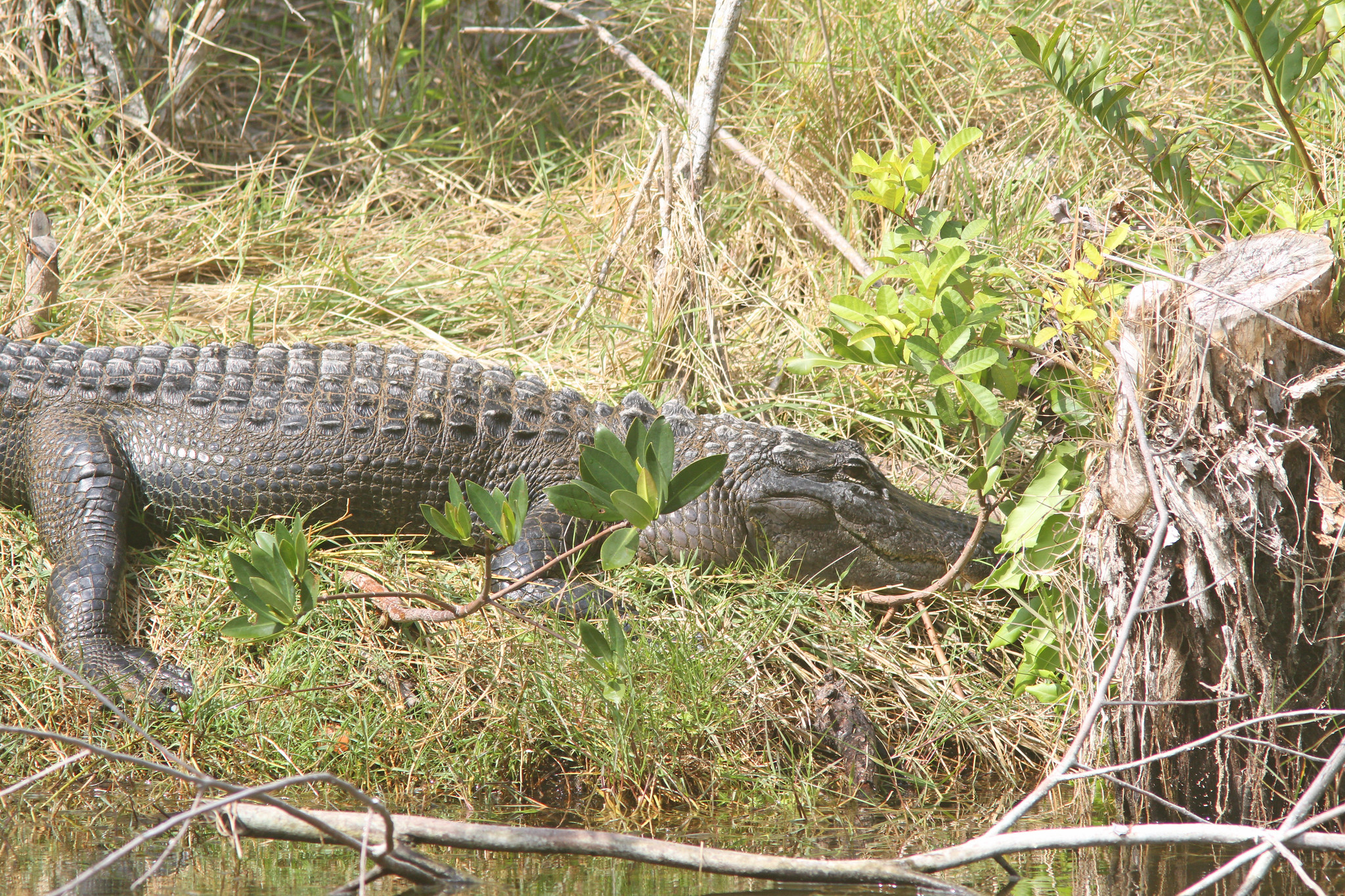
American Alligator, Maritime Hammock Sanctuary, FL, Mar 19, 2018
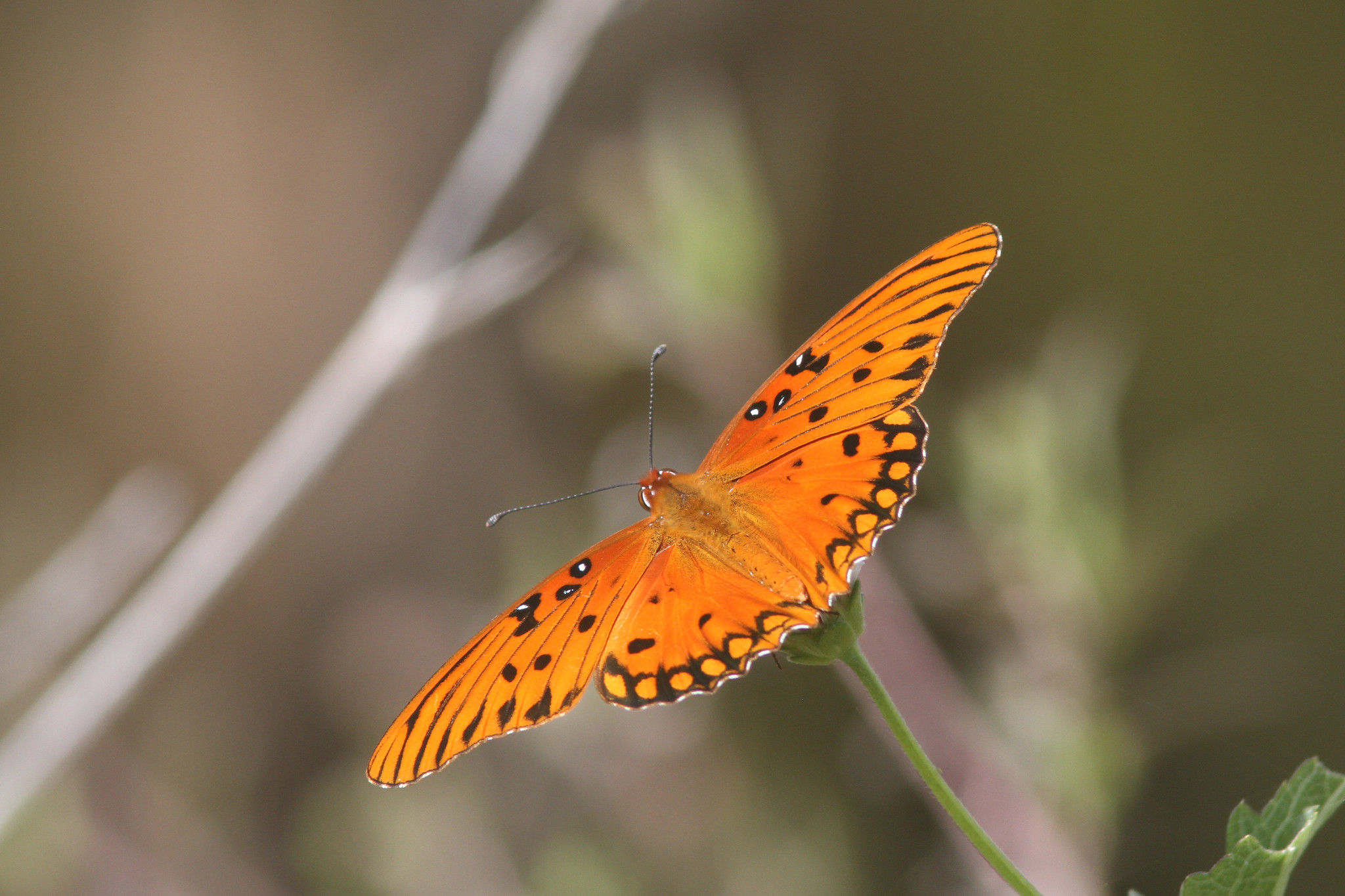
Gulf Fritillary, Maritime Hammock Sanctuary, FL, Mar 19, 2018
After a couple hours there I headed back toward home base before setting out late morning to nearby Maritime Hammock Preserve. Although the low scrub habitat and mangroves looked great for birds the first half of our time there was nearly bird less with just a handful of species...very odd. Once we made it out to some small ponds the activity increased a bit and turned up some good stuff including a mixed flock that contained my first Northern Waterthrush and Ovenbird of the trip plus a female Painted Bunting. The hike here also produced an alligator as well as a close (but brief) look at a Bobcat that nonchalantly crossed the trail in front of us at a distance of perhaps 20 feet.
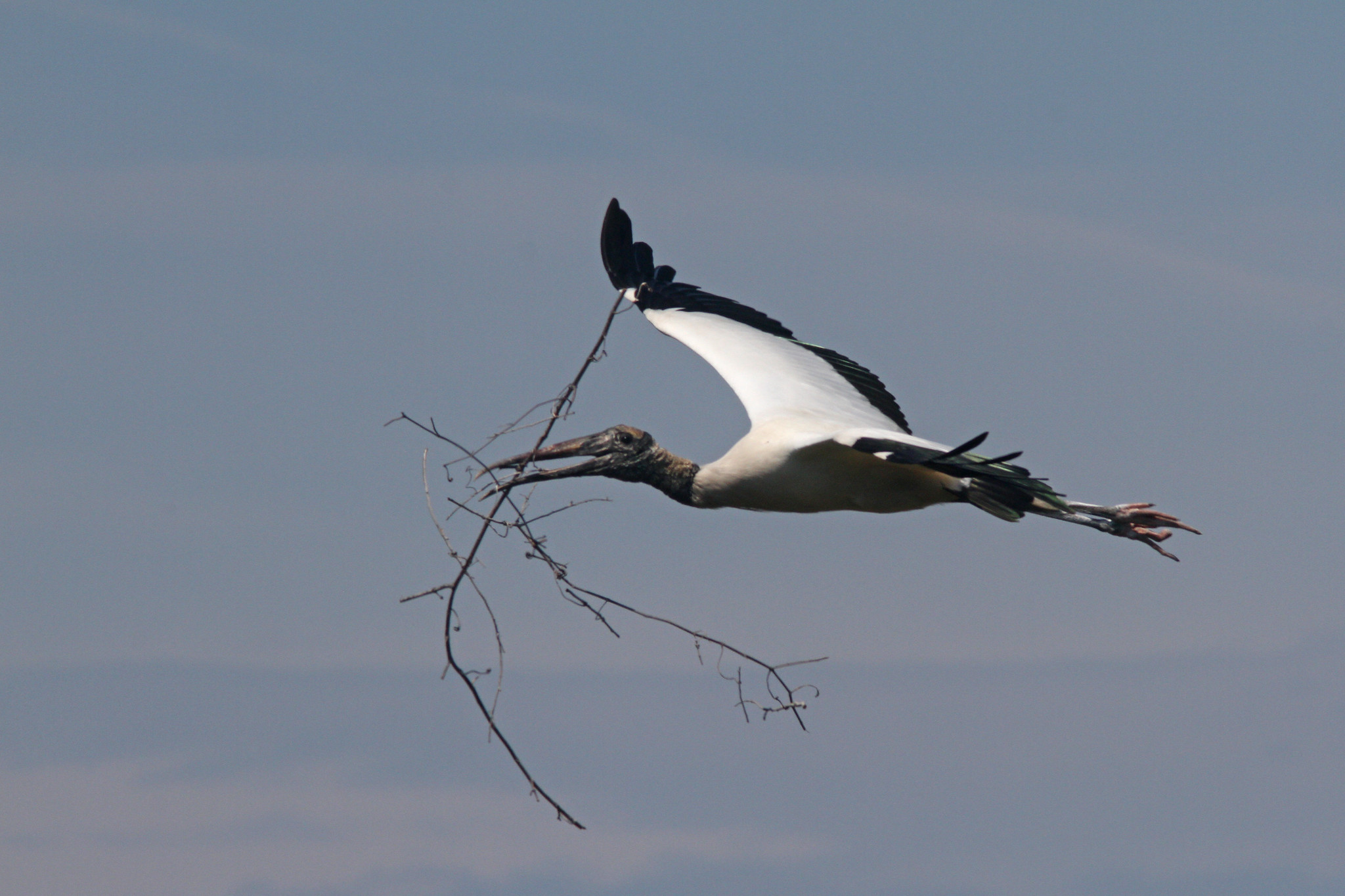
Wood Stork carrying nesting material, Pelican Island NWR, FL, Mar 19, 2018
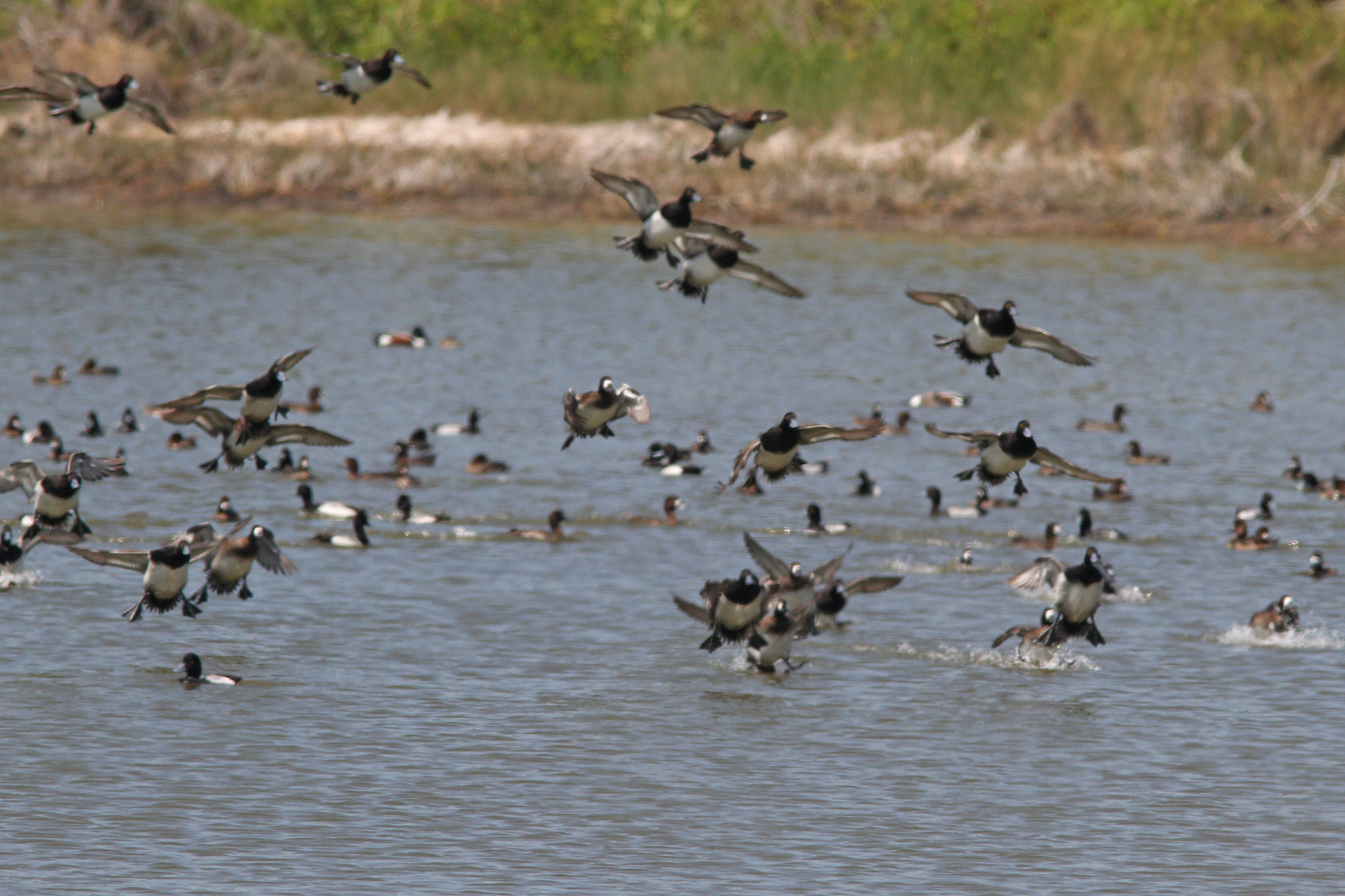
Lesser Scaup, Pelican Island NWR, FL, Mar 19, 2018
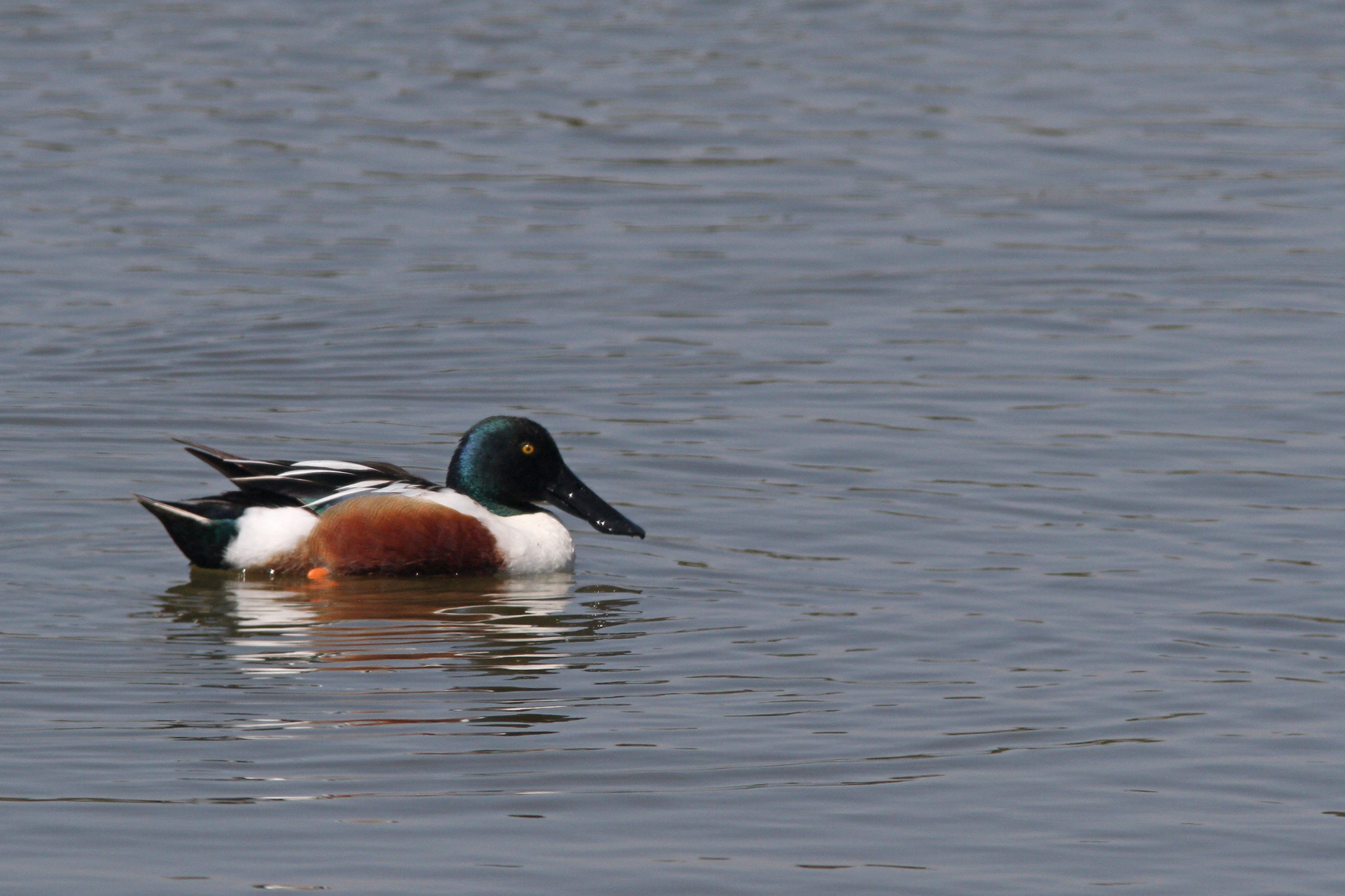
Northern Shoveler, Pelican Island NWR, FL, Mar 19, 2018
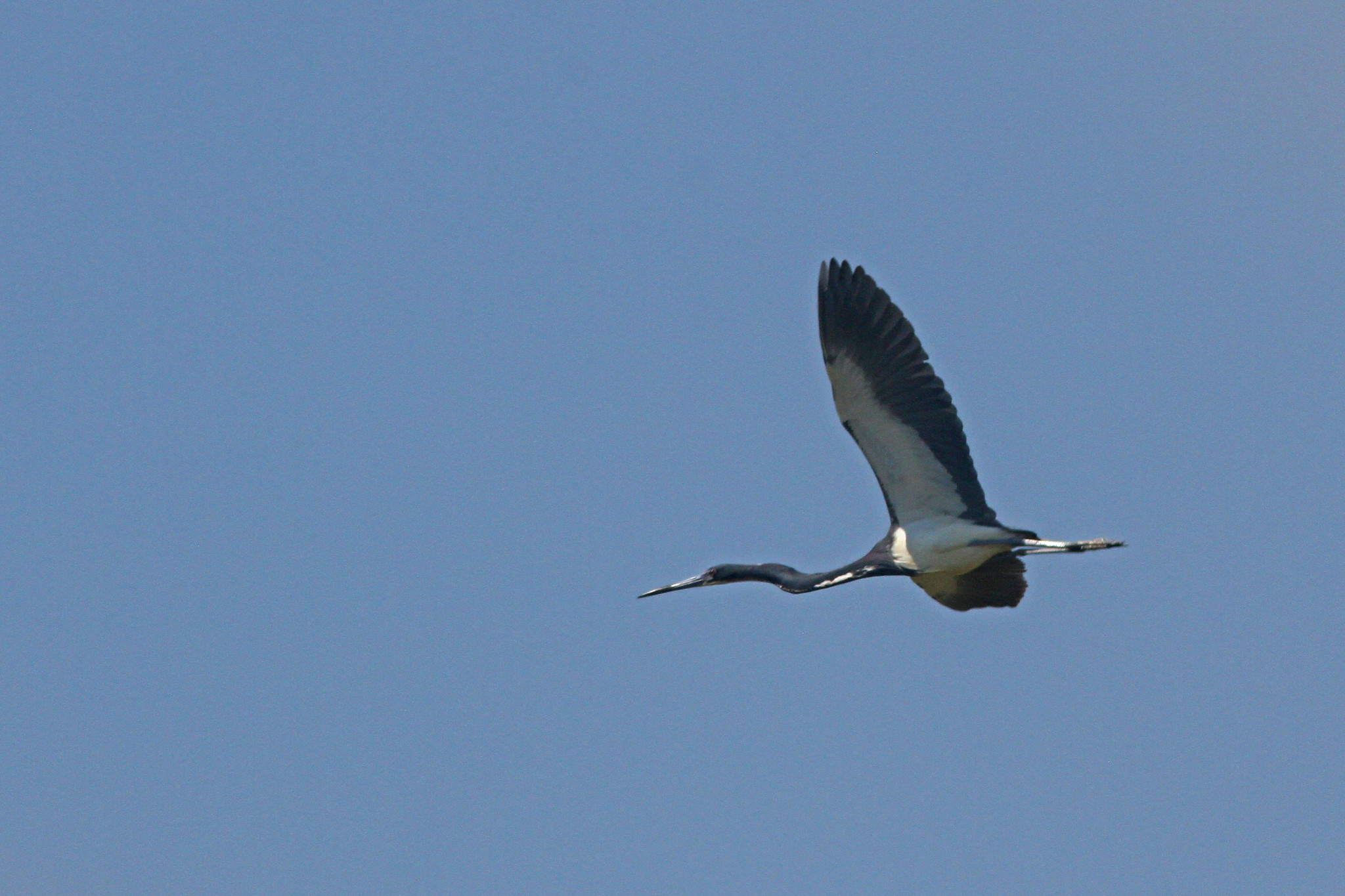
Tricolored Heron, Pelican Island NWR, FL, Mar 19, 2018
Prairie Warbler, Pelican Island NWR, FL, Mar 19, 2018
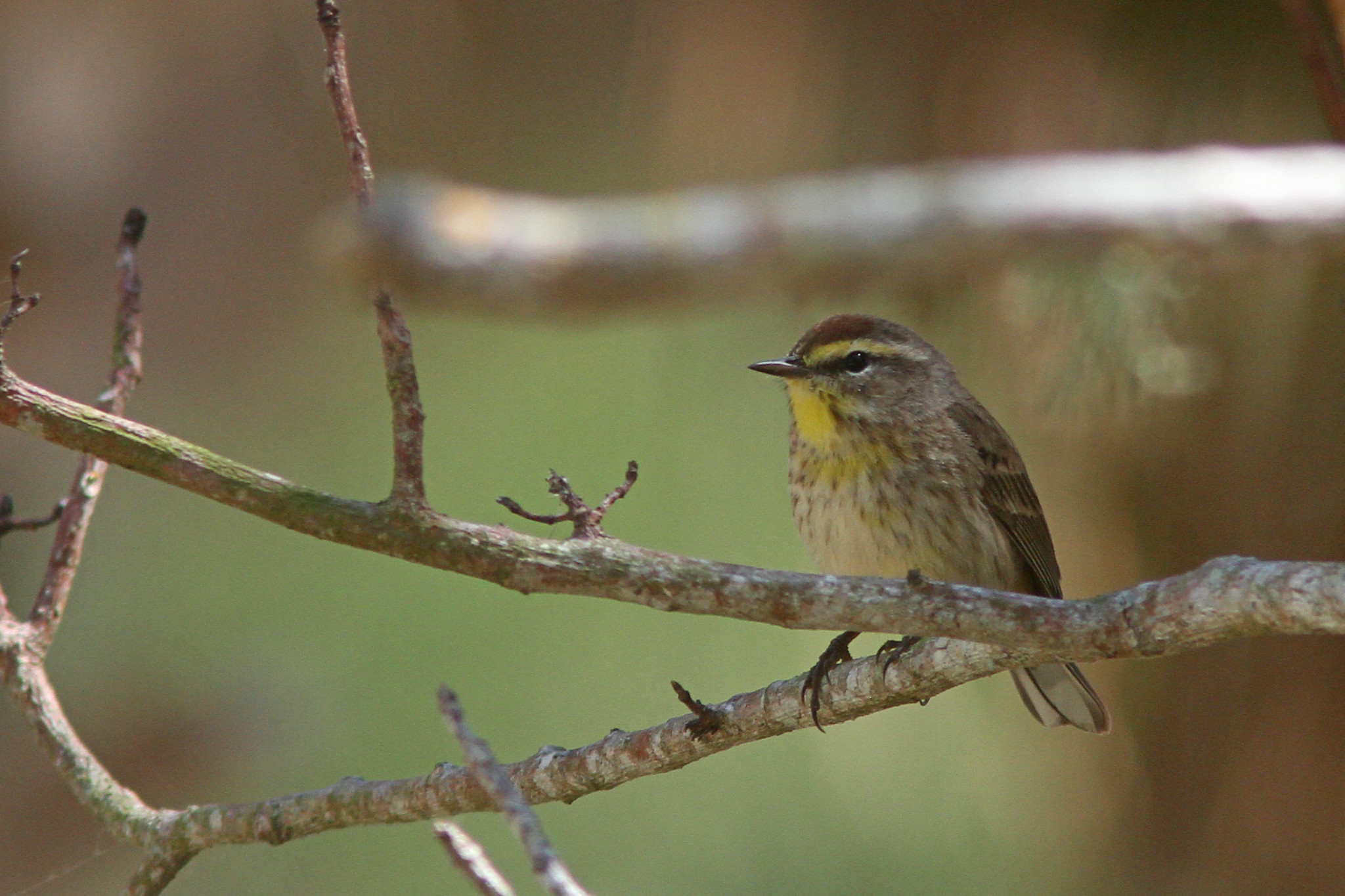
Palm Warbler (western), Pelican Island NWR, FL, Mar 19, 2018
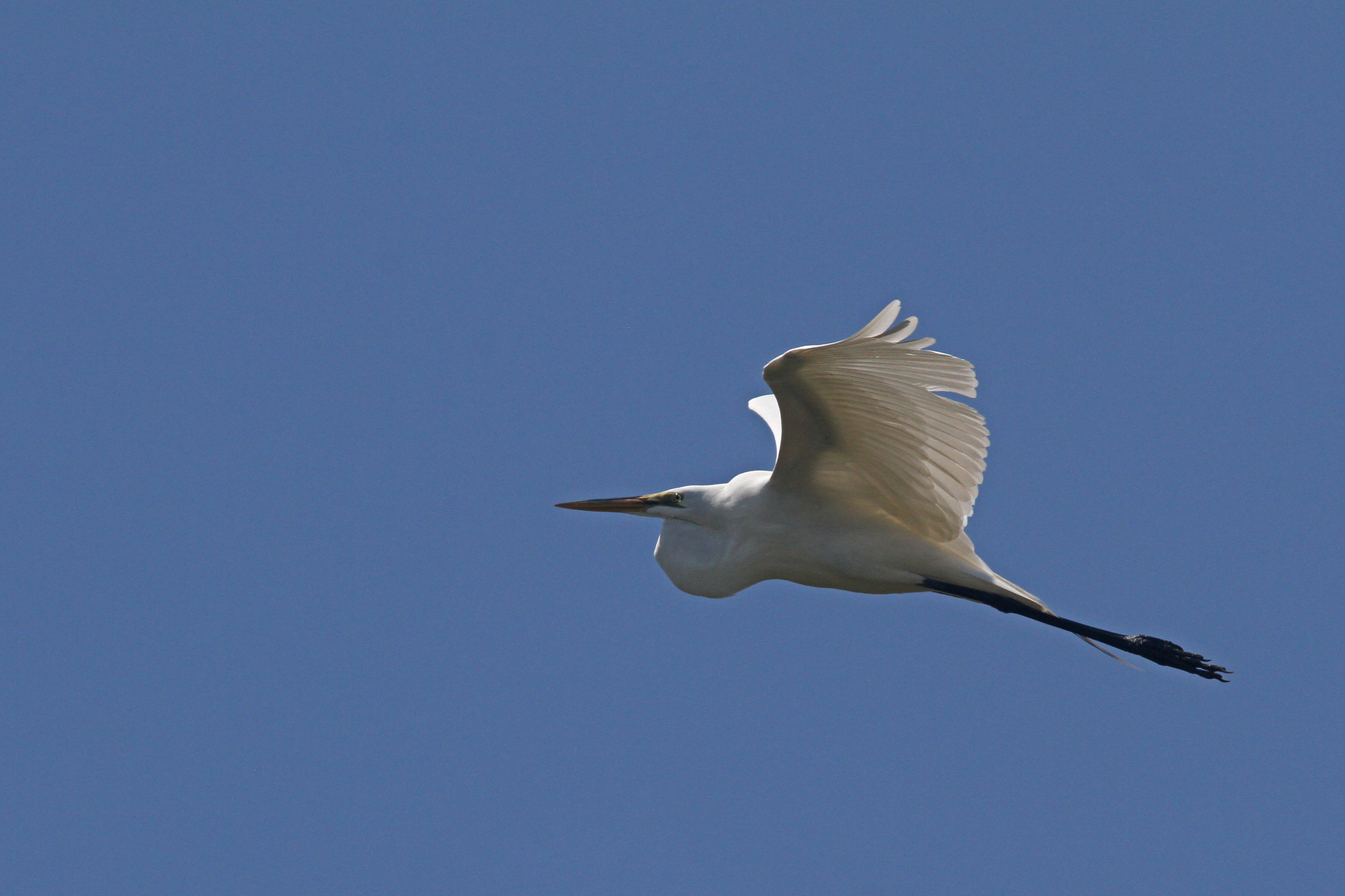
Great Egret, Pelican Island NWR, FL, Mar 19, 2018
After a break for lunch I headed back down to Pelican Island NWR where I checked out a new trail that included a small pond with lots of waterfowl on it. There was also a steady stream of Wood Storks flying by with nesting material heading to a small island. The rest of the day was spent sitting outside at our lodging enjoying another day of warm weather before a cold front arrived.
Bonaparte's Gull, Pelican Island NWR, FL, Mar 20, 2018
Osprey, Coconut Point Sanctuary, FL, Mar 20, 2018
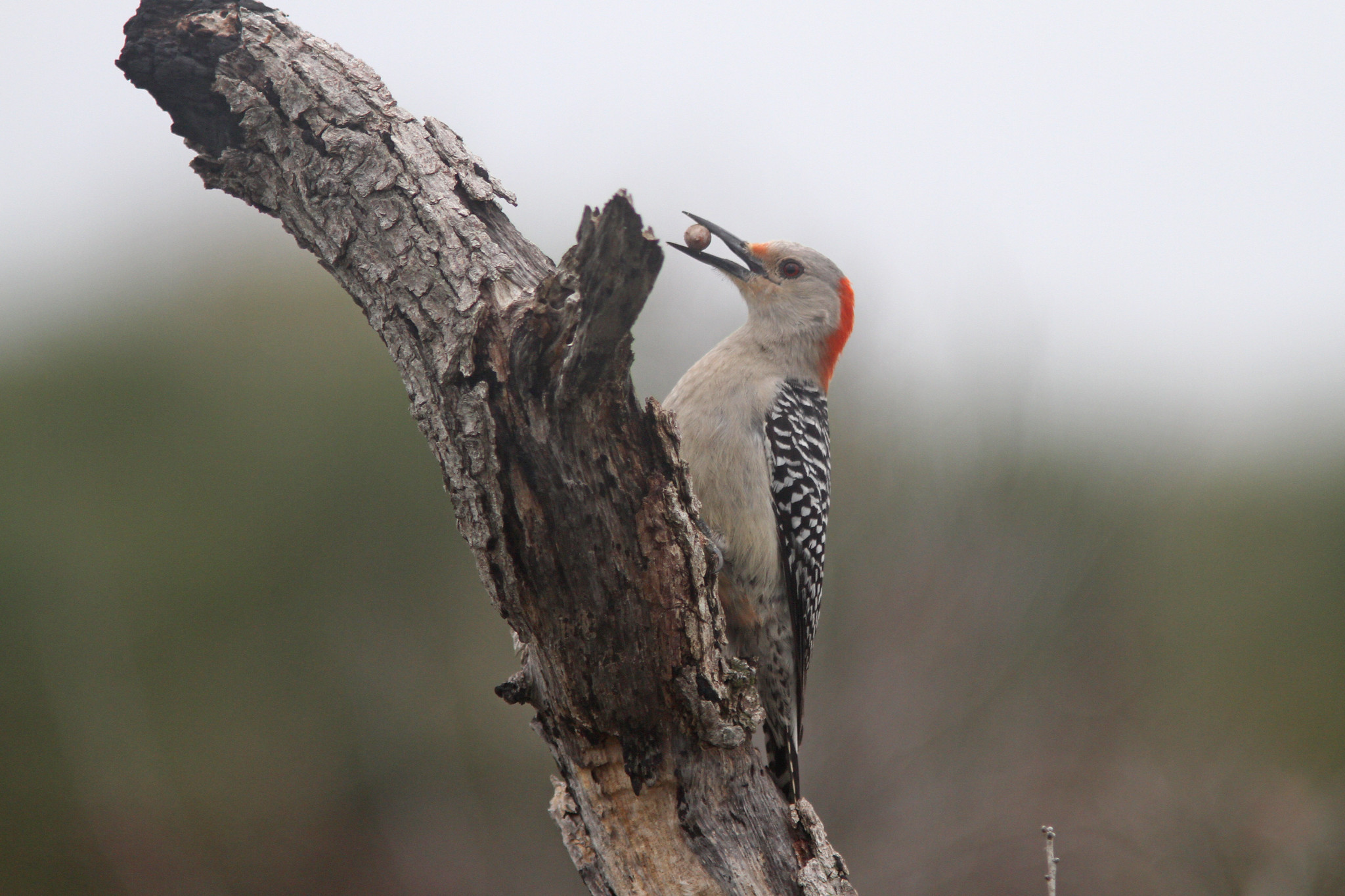
Red bellied Woodpecker, Coconut Point Sanctuary, FL, Mar 20, 2018
Yellow throated Warbler, Coconut Point Sanctuary, FL, Mar 20, 2018
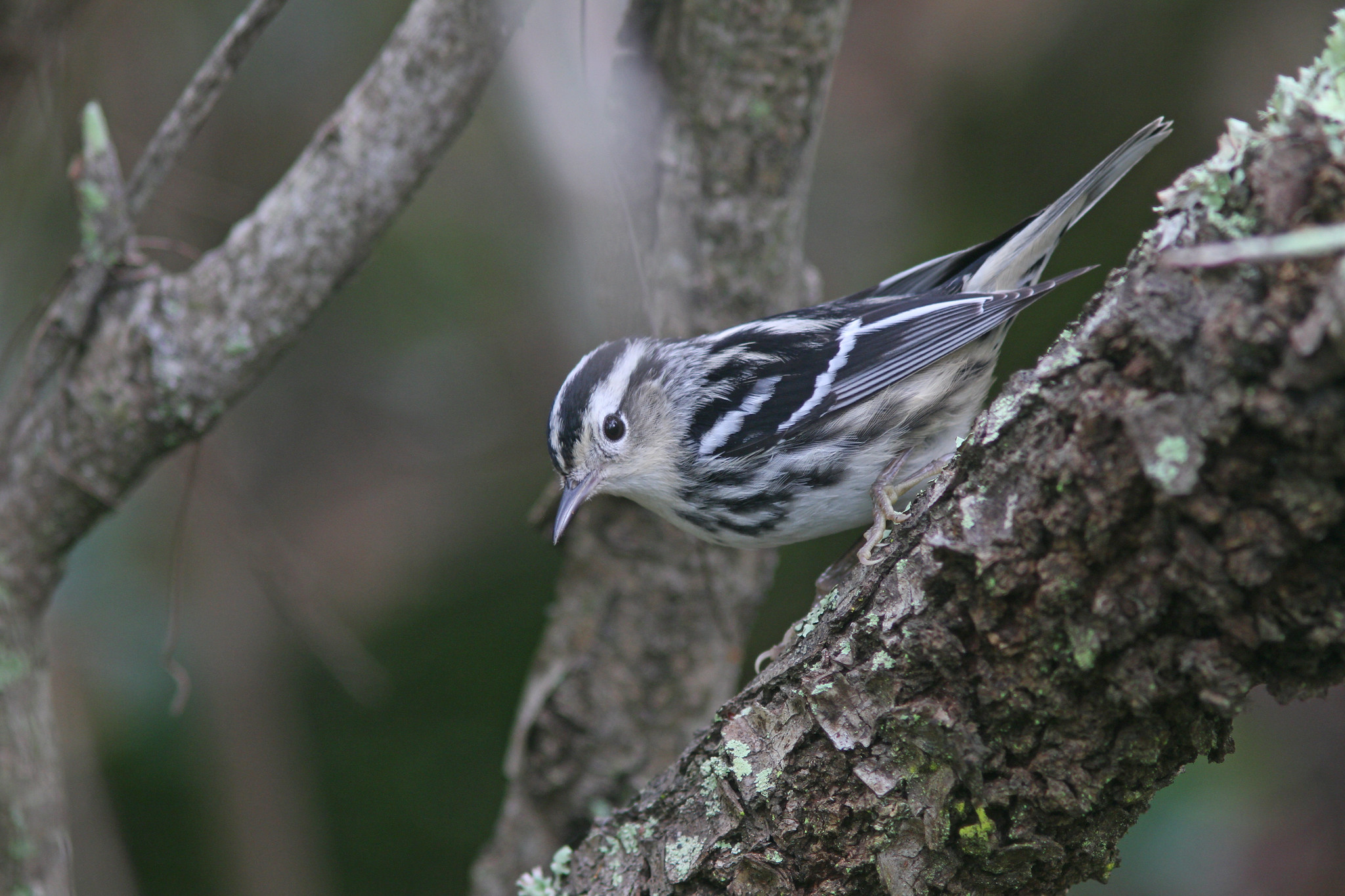
Black and White Warbler, Coconut Point Sanctuary, FL, Mar 20, 2018
Tuesday was forecast to be occasionally stormy so I didn't venture too far plus I was not feeling too good.  I started the day with an early morning trip to Pelican Island NWR where I spent about an hour and a half exploring a couple different areas but didn't turn up anything too unusual. The original plan for the day was for us to make a trip up to the north to take a midday boat ride but the windy weather with potential severe weather cancelled the trip. We decided to instead head up to Coconut Point Sanctuary where we walked the roughly 3/4 of a mile trail through scrub habitat that eventually produced some impressive mixed species flocks moving through with double digit counts of Black and White Warblers as well as my first Yellow throated Warblers of the trip. A total of nine warbler species was quite decent in a just a small portion of the trail. Lots of swallows were also moving north, fighting the strong wind. Although a little early for a major movement of migrants the conditions during the last couple days had been perfect for birds leaving the Yucatan and parts of Cuba. During the rest of the windy afternoon I kept a low profile at our lodging as I continued to fight my cold. The storms never arrived in the area until dinner time and thankfully they were not as severe as they were just to our north. The cold front that caused all the storms moved through during the night setting up our last full day to be sunny but cooler with lows in the upper 40's and highs in the low 70's.
Northern Parula, Coconut Point Sanctuary, FL, Mar 21, 2018
Prairie Warbler, Coconut Point Sanctuary, FL, Mar 21, 2018
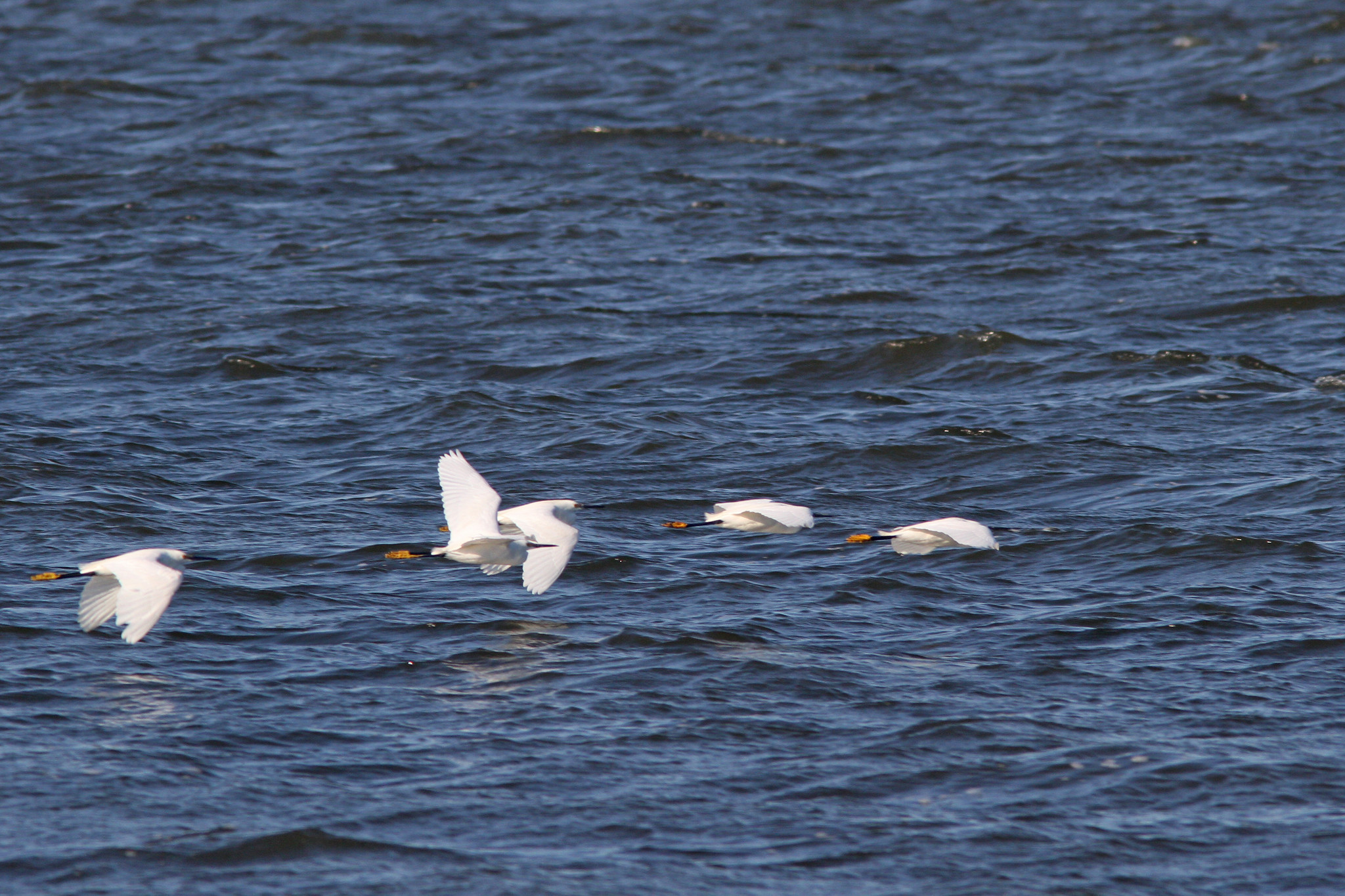
Snowy Egrets, Coconut Point Sanctuary, FL, Mar 21, 2018
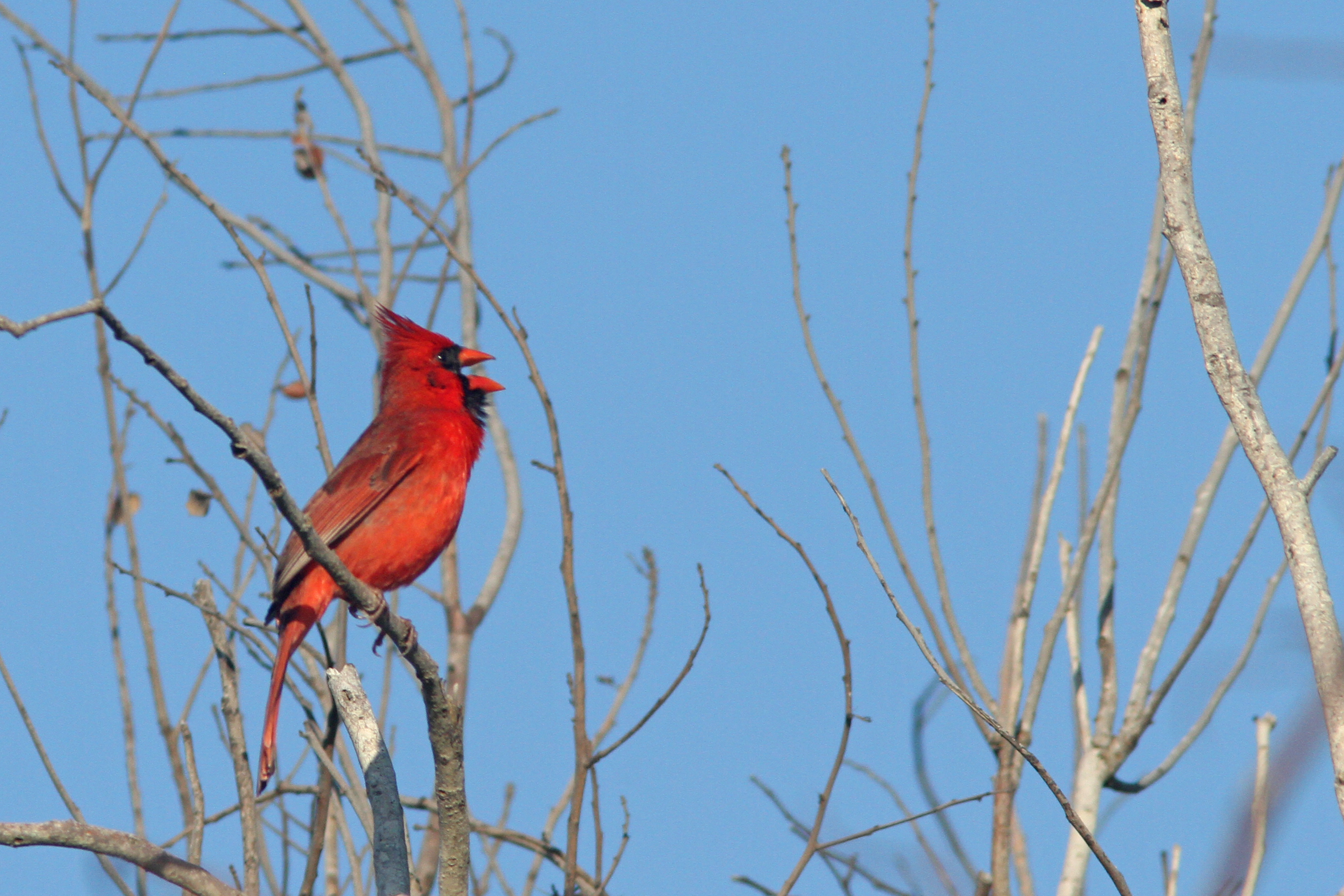
Northern Cardinal, Coconut Point Sanctuary, FL, Mar 21, 2018
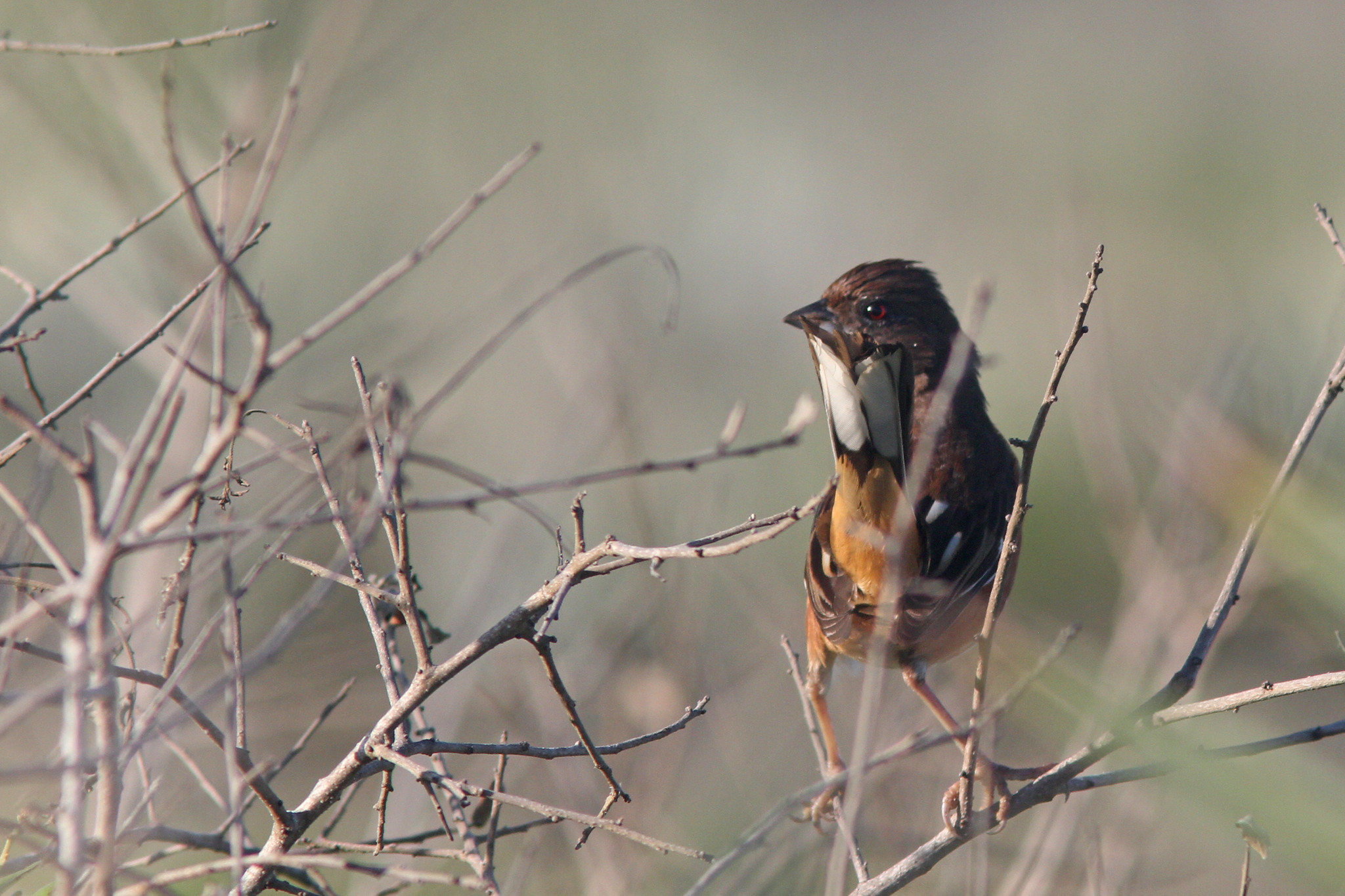
Eastern Towhee, Coconut Point Sanctuary, FL, Mar 21, 2018
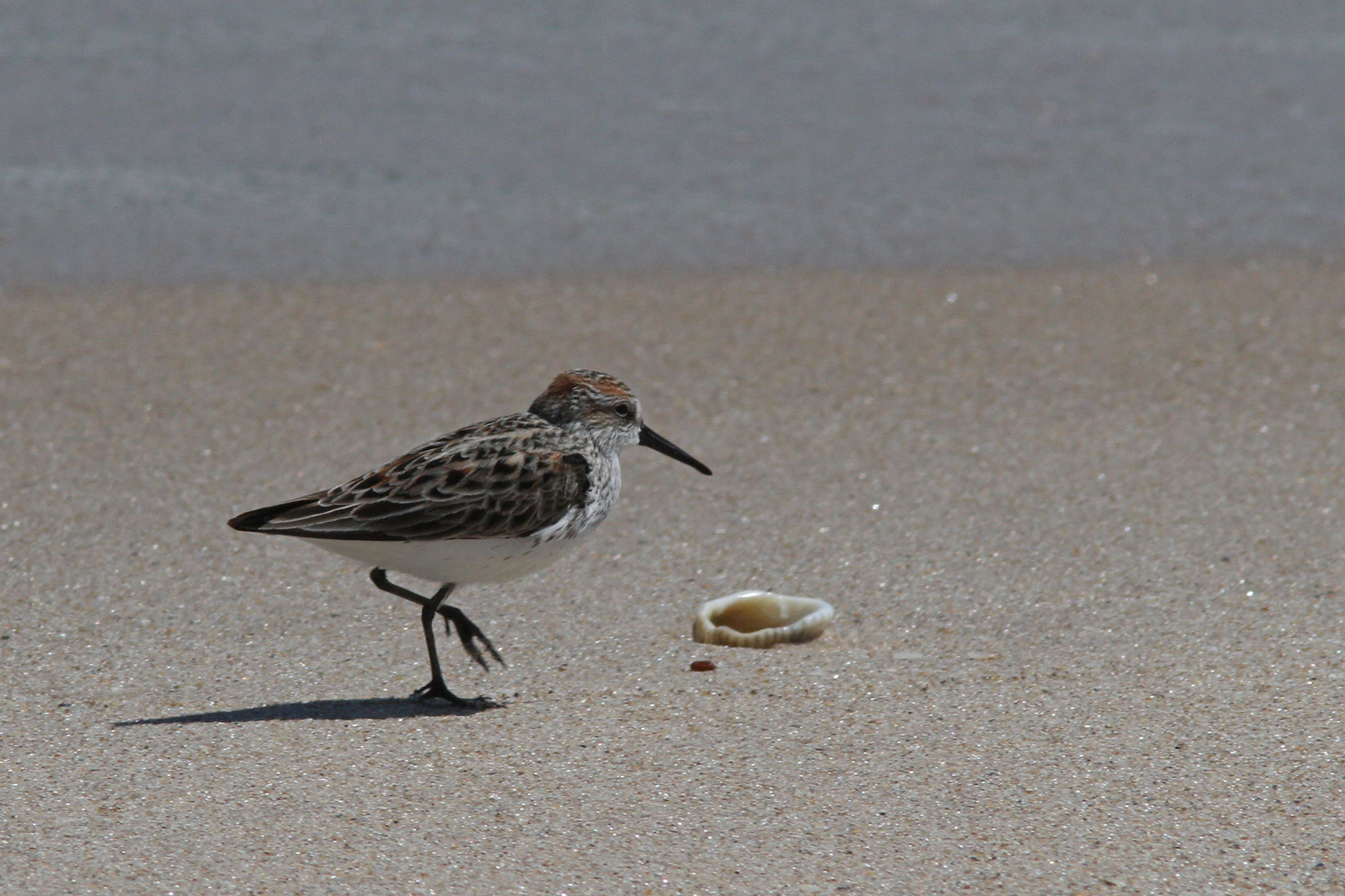
Western Sandpiper, Coconut Point Sanctuary, FL, Mar 21, 2018
Western Sandpiper surrounded by Sanderlings, Coconut Point Sanctuary, FL, Mar 21, 2018
The last full day of the trip was cooler but sunny and I unfortunately spent a part of the morning at an urgent care clinic to get treatment. I did manage to get a short walk during a return trip to Coconut Point Sanctuary while I waited for my prescriptions to get filled. The location once again produced some decent variety of warblers including my first Orange crowned Warbler of the trip. The big numbers of Black and White Warblers appears to have moved on. I tried hard to turn up an early Swainson's Warbler but I didn't have any luck here (nor any other spots I stopped over the course of several days). It was just too early to get a push of them but it was still fun to try....full report and more photos of warblers at the following link: warblers.

Overall for the trip I managed to find a total of 102 species including three new species for my Florida list, Eastern Whip Poor Will, Chucks Will Widow and Lesser Black backed Gull bringing my total in the state to 216. I certainly could have added more species if I had visited more areas but my sickness during most of the trip put a damper on traveling extensively. Although a little early to produce a big variety of warblers heading north a few locations did produce some groups of migrants moving through with decent numbers of Northern Parula and Black and White Warblers. It was nice to hear some of the warblers starting to sing.  Full album with all photos from the trip at the following link:  Florida -March 2018